

`ursidae` Related Article Results
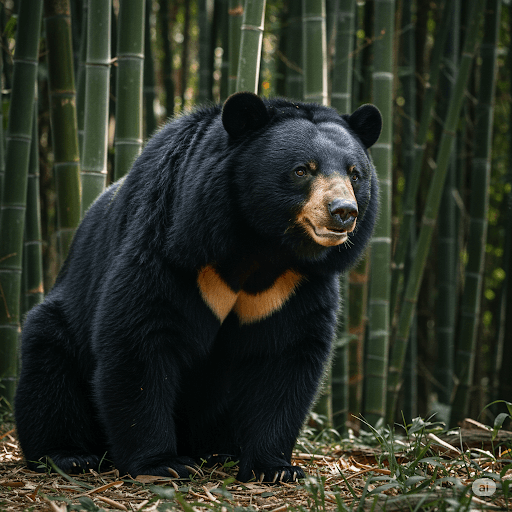
Asian Black Bear (Ursus thibetanus)
The Asian black bear (Ursus thibetanus) is a mammalian species widely distributed across the forested regions of Asia and belonging to the family Ursidae. This species is notable for its ability to thrive in a variety of habitats, reflecting its broad geographic range. This article will examine the morphological characteristics, habitat preferences, feeding habits, behavior, reproductive biology, interactions with humans, and genetic structure of the Asian black bear. Morphological Characteristi
EN
Emre Özen
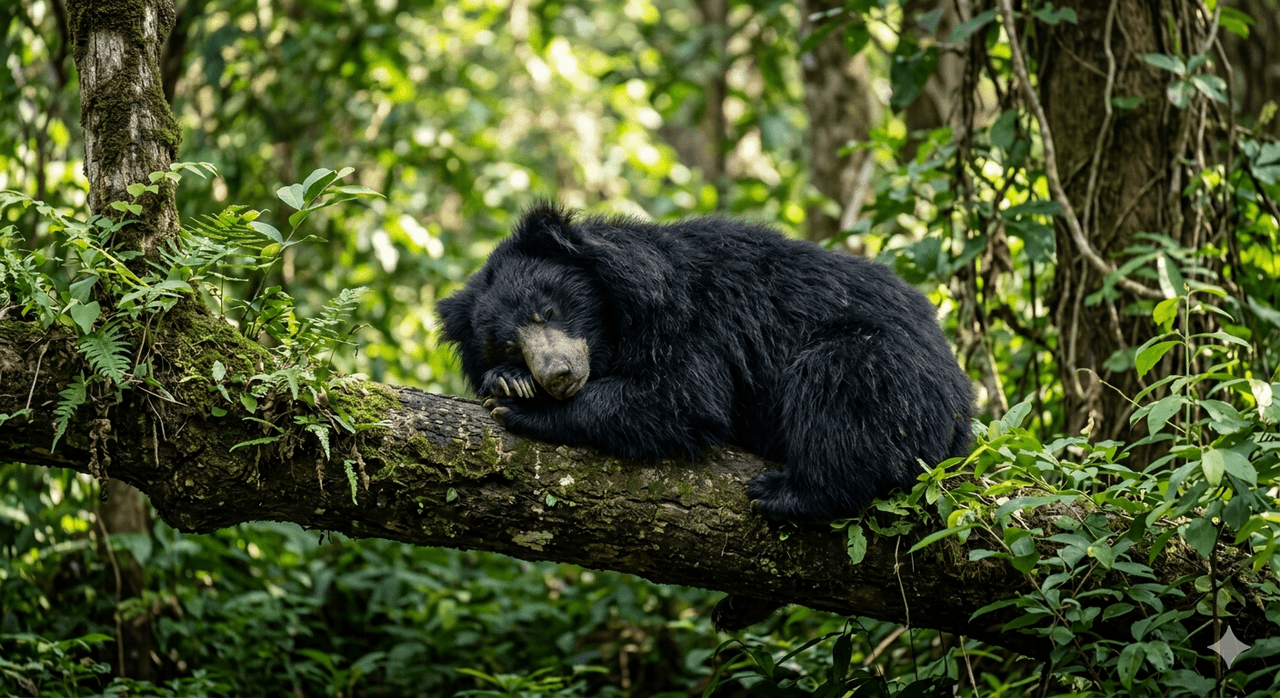
Tembel Ayı (Melursus ursinus)
Tembel ayı (Melursus ursinus), Güney Asya’ya özgü ve böcekçil beslenmeye son derece uyum sağlamış bir ayı türüdür. Tür, özellikle Hindistan, Sri Lanka, Nepal ve Bhutan gibi ülkelerde yaygındır. Ormanlık alanlar, çalılıklar ve savan tipindeki habitatlar tembel ayının yaşaması için uygun ortam sağlar. Tüyleri genellikle uzun, kaba ve dağınıktır; göğüs bölgesindeki açık renkli leke ile karakterizedir. Uzun burun ve esnek dudak yapısı, termit ve karınca gibi böcekleri besin olarak tüketmesine olanak
TRFatma Aslan
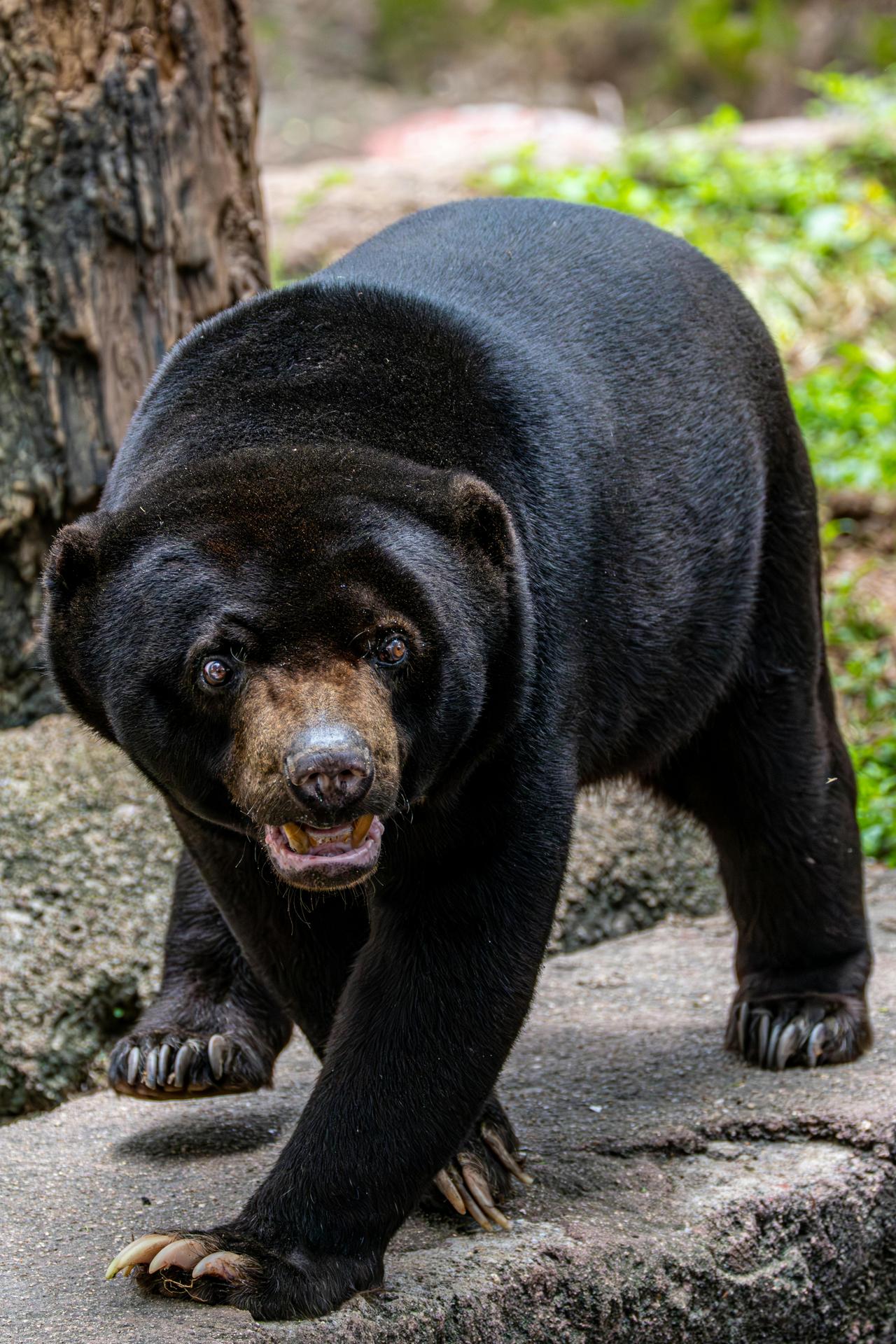
Sun Bear (Helarctos malayanus)
Sun bear, scientifically known as Helarctos malayanus, is a bear species native to the tropical forests of Southeast Asia and the smallest member of the family Ursidae. It is characterized by its small size, long tongue, powerful jaws, and distinctive chest marking. In classification, it belongs to the Kingdom Animalia, Phylum Chordata, Subphylum Vertebrata, Class Mammalia, Order Carnivora, and Family Ursidae. Two subspecies have been identified: the Bornean sun bear (H. m. euryspilus) and the M
EN
Beyza Yurttutan

Bozayı (Ursus Arctos)
Bozayı (Ursus arctos), Memeliler (Mammalia) sınıfının Etçiller (Carnivora) takımına ve Ayıgiller (Ursidae) familyasına mensup, geniş bir coğrafi yayılıma sahip büyük bir memeli türüdür. Kuzey Yarımküre'nin karasal ekosistemlerinde besin piramidinin tepesinde yer alan bu canlı, biyolojik çeşitliliğin korunması açısından "şemsiye tür" veya "kilit taşı tür" olarak nitelendirilir. Türün Kuzey Amerika'da yaşayan alt türü "Grizzly" (Ursus arctos horribilis) olarak adlandırılırken, Türkiye'de ve Avrupa
TR
Esra Nur Bulut