

`unmanned-aerial-vehicle` Related Article Results
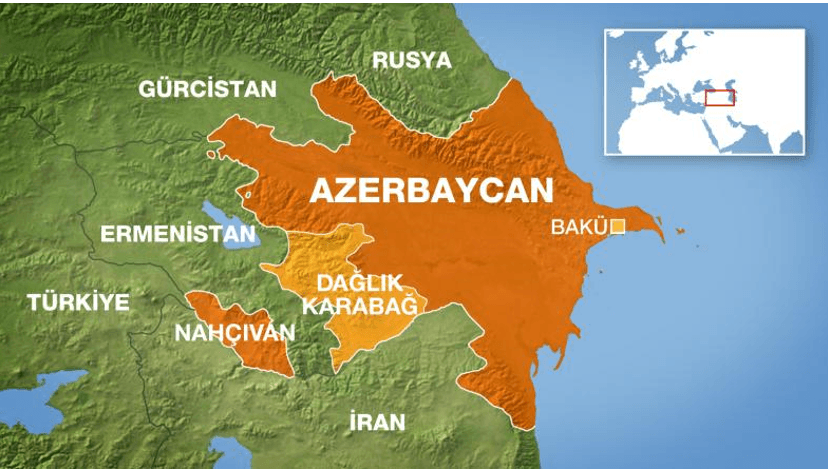
2. The Role of Unmanned Aerial Vehicles in the Mountainous Karabakh War
Second Nagorno-Karabakh War (Operation Single Homeland) is a military operation launched by Azerbaijan to reclaim its territories under occupation. It began on the morning of 27 September with a large-scale attack by the Armenian army against Azerbaijani positions and settlements. This conflict erupted as a result of ongoing tensions in the region following the First Nagorno-Karabakh War between 1988 and 1994. In response to Armenia’s attacks, the Azerbaijani armed forces launched a comprehensiv
EN
Sümeyra Uzun
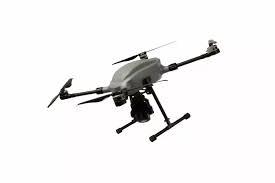
TOGAN
TOGAN is a rotary-wing unmanned aerial vehicle developed for reconnaissance, surveillance, and intelligence missions. The system is equipped with proprietary flight control technology and mission planning software and can be transported and operated by a single operator. Development and Integration Developed by STM, TOGAN includes specialized software for flight control, mission planning, and target detection. It is also compatible with other STM platforms, enabling joint mission execution capab
EN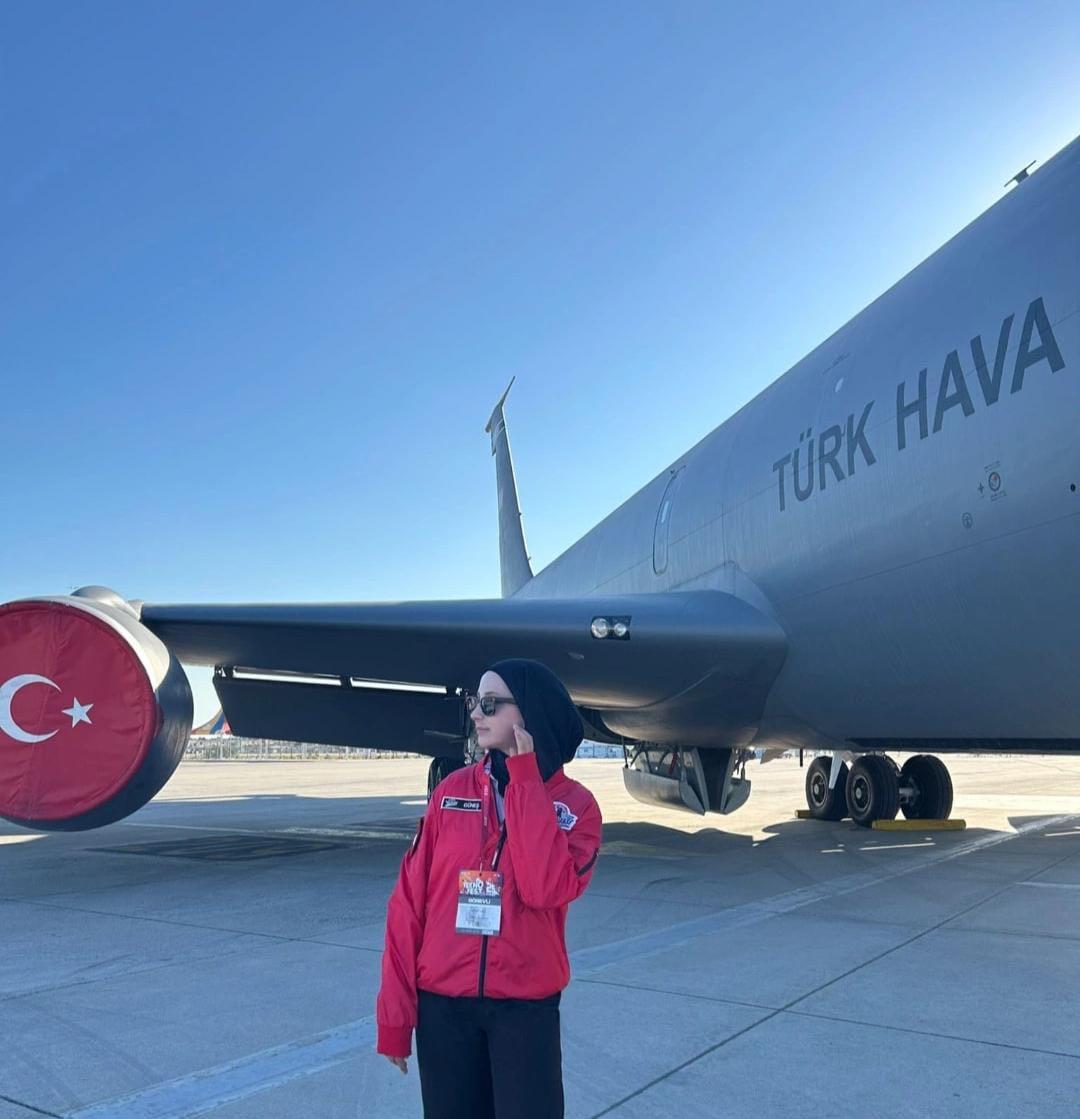
Ahsen Güneş
 MQ
MQMQ-9 Reaper
The MQ-9 Reaper is a turboprop-powered, multi-role unmanned aerial vehicle (UAV) developed by General Atomics Aeronautical Systems, Inc. (GA-ASI). The development process was financed by GA-ASI through its own resources, and the aircraft conducted its first flight in 2001. The MQ-9A variant has been designated as “Reaper” by the air forces of the United States and the United Kingdom; the name has since become a general reference for armed Predator B derivatives. Mission Capabilities The MQ-9A is
EN
Elyesa Köseoğlu
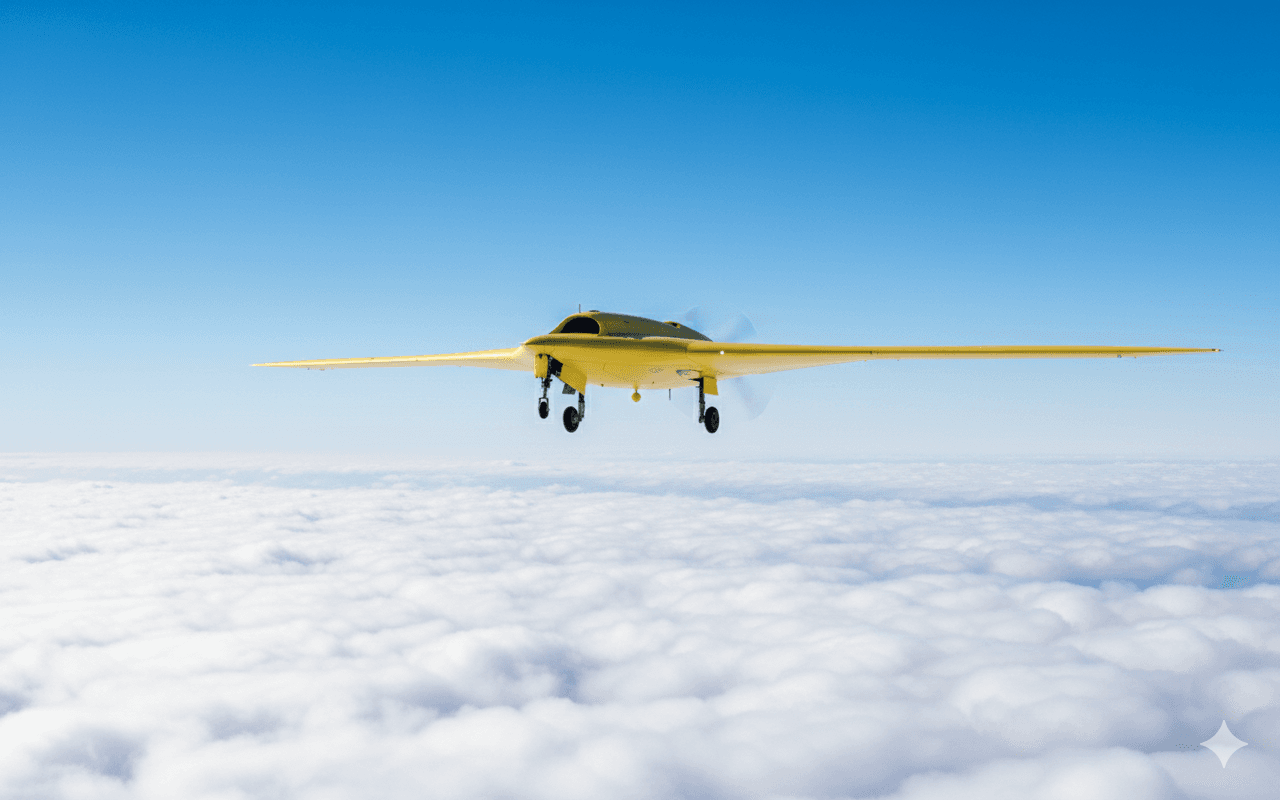
CH-7
CH-7 (Caihong-7 or Rainbow-7) is a low-observable, long-range, high-altitude unmanned aerial vehicle (UAV) with a flying wing configuration, developed by the People’s Republic of China. The system was developed by the China Aerospace Aerodynamics Academy, a subsidiary of the China Aerospace Science and Technology Corporation (CASC). Development Process and History The CH-7 program emerged as part of the China Aerospace Aerodynamics Academy’s unmanned aerial vehicle research and development initi
EN
Edanur Karakoç
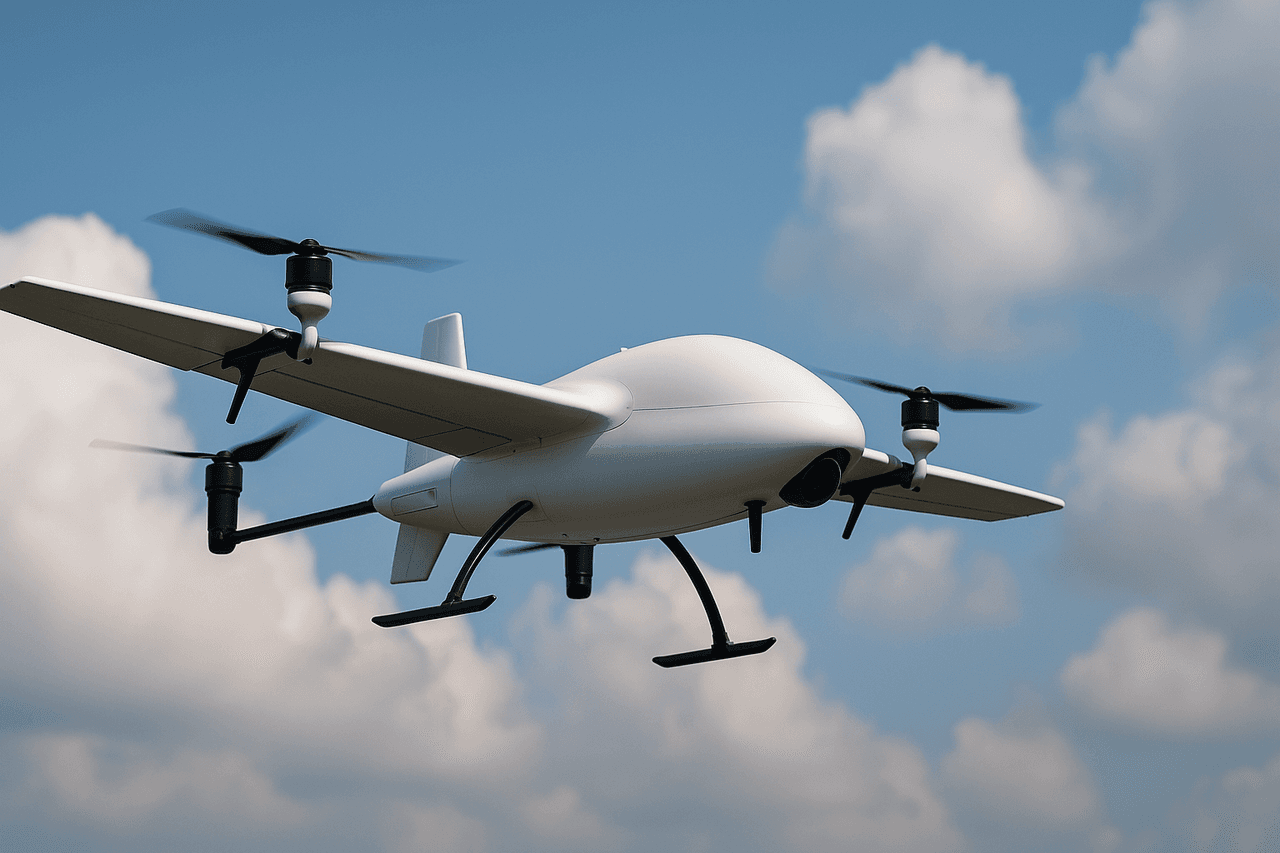
Autonomous Aircraft
Autonomous aerial vehicles are airborne platforms that do not carry a pilot or passenger and can perform pre-programmed missions or be remotely controlled through artificial intelligence and various algorithms. Although these systems, commonly known as Unmanned Aerial Vehicles (UAVs) or drones, were initially developed for military purposes, they have now achieved broad applications in commercial, industrial, civil, and scientific fields. By requiring minimal human intervention during flight, th
ENElyesa Köseoğlu

History of Unmanned Aerial Vehicles in Türkiye
Türkiye’s military unmanned aerial vehicle (UAV) development process began in the late 1980s, and the strategic approaches adopted during this period have created a fundamental transformation in the country’s defense capabilities. Initially, experience was gained through the import of foreign-origin systems, and the technical knowledge and operational expertise acquired during this phase played a pivotal role in establishing domestic and national production capacity. Testing, training, and missi
ENGüzide Uygun
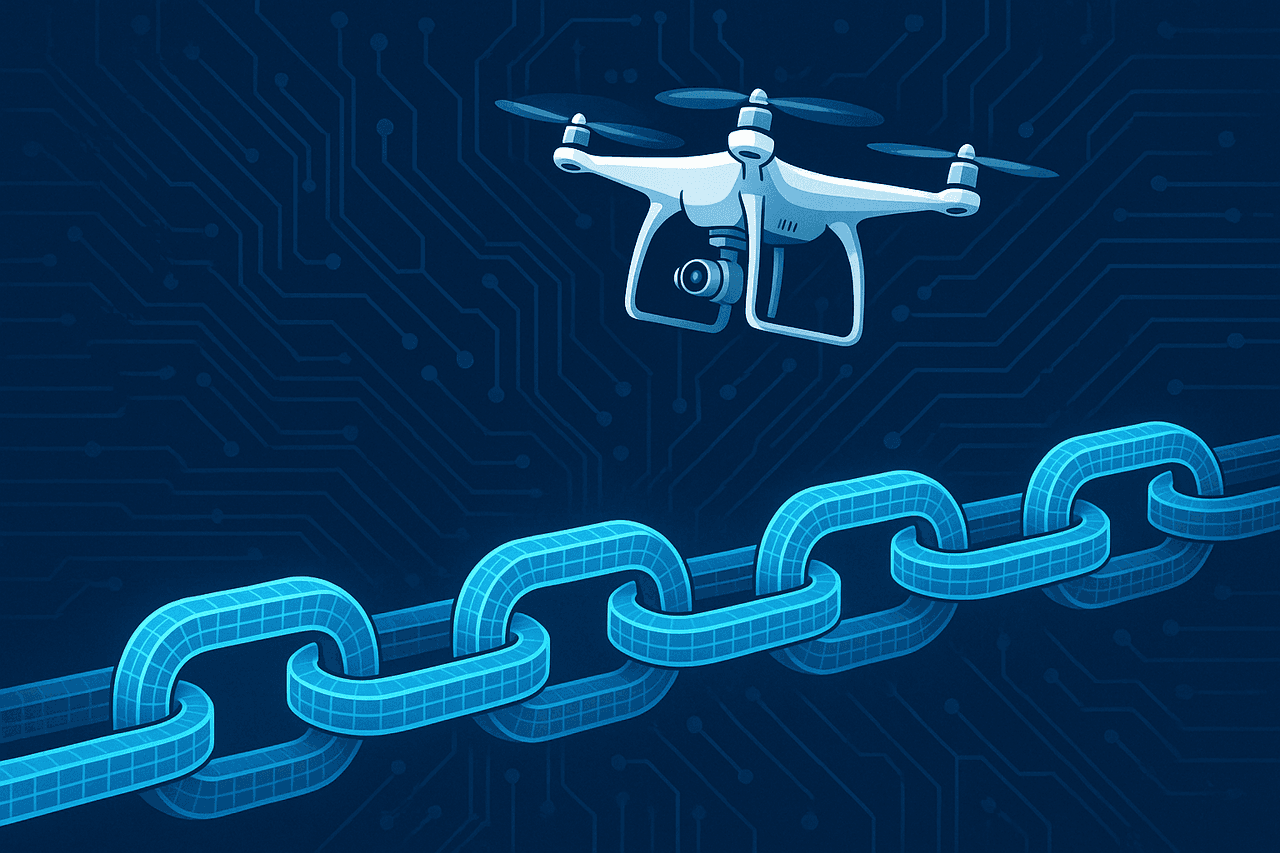
Blockchain Applications in Unmanned Aerial Vehicles
Unmanned aerial vehicles (UAVs) are autonomous or semi-autonomous systems with extensive applications in both military and civilian domains. They are used across various sectors including surveillance, mapping, agriculture, and cargo transportation. Blockchain technology, on the other hand, has revolutionized digital security through its distributed, immutable, and secure data storage infrastructure. The integration of these two technologies can enable UAVs to be managed in a secure, scalable, a
ENGüzide Uygun
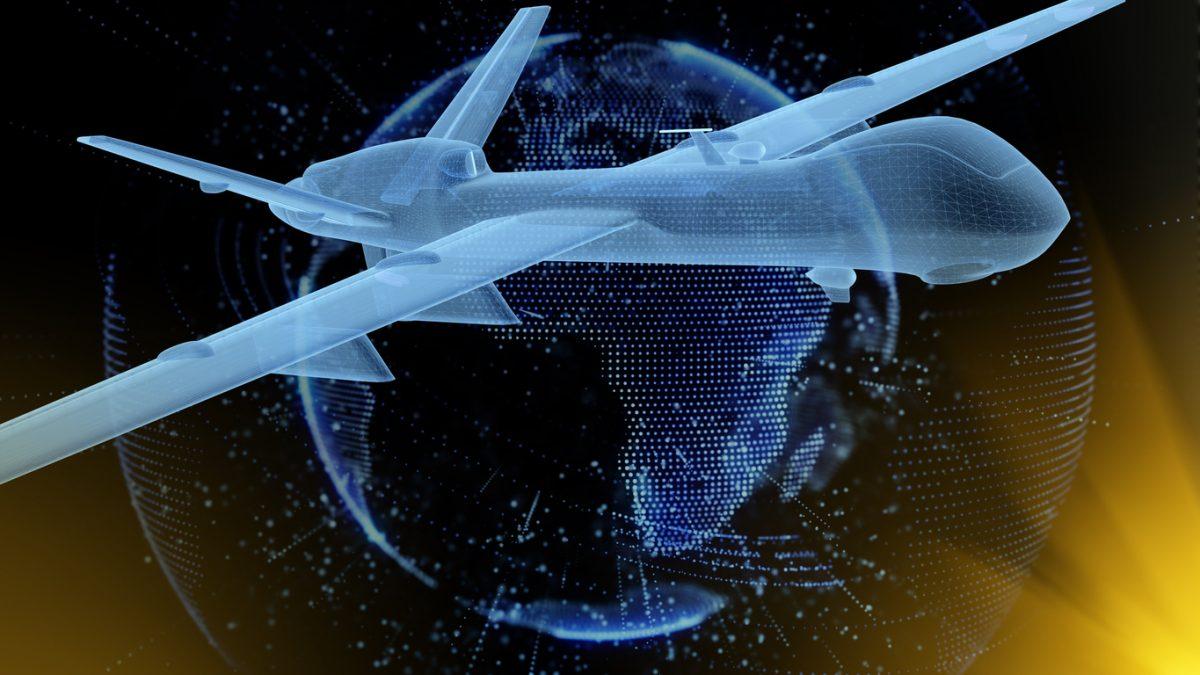
Unmanned Aerial Vehicle Technologies
Unmanned Aerial Vehicles (UAVs) are aerial platforms capable of operating remotely or autonomously without human intervention. Originally developed for military reconnaissance and surveillance purposes, these vehicles are now widely used in civil, industrial, and scientific fields. UAV technologies evolve through the interaction of multidisciplinary domains such as aerospace engineering, artificial intelligence, communication systems, materials science, and control engineering. UAV Classificatio
ENGüzide Uygun
UAV and UAS Systems
An unmanned aerial vehicle (UAV) is a type of aircraft that does not carry a pilot and can be remotely controlled or operate autonomously according to a pre-programmed flight plan. With advances in technology, these systems have increasingly been adopted in both military and civilian applications. An armed unmanned aerial vehicle (A-UAV) is a variant of the UAV equipped with weapon systems. In addition to the reconnaissance and surveillance capabilities of standard UAVs, A-UAVs can also perform
ENElyesa Köseoğlu
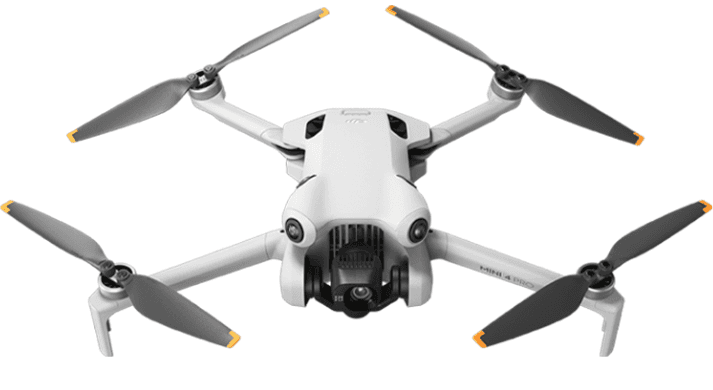
DJI Mini 4 Pro
DJI Mini 4 Pro is an unmanned aerial vehicle developed by DJI and part of the Mini series. Released in 2023, the model is optimized for portability with a weight of 249 grams and a foldable design. Designed for aerial photography and videography, its low weight allows it to operate in many countries without requiring registration or a pilot license under local drone regulations. The Mini 4 Pro is supported by DJI Fly and DJI Assistant 2 (Consumer Drones Series) software. The DJI Fly app provides
ENMertkan Hergüner