

`universe` Related Article Results
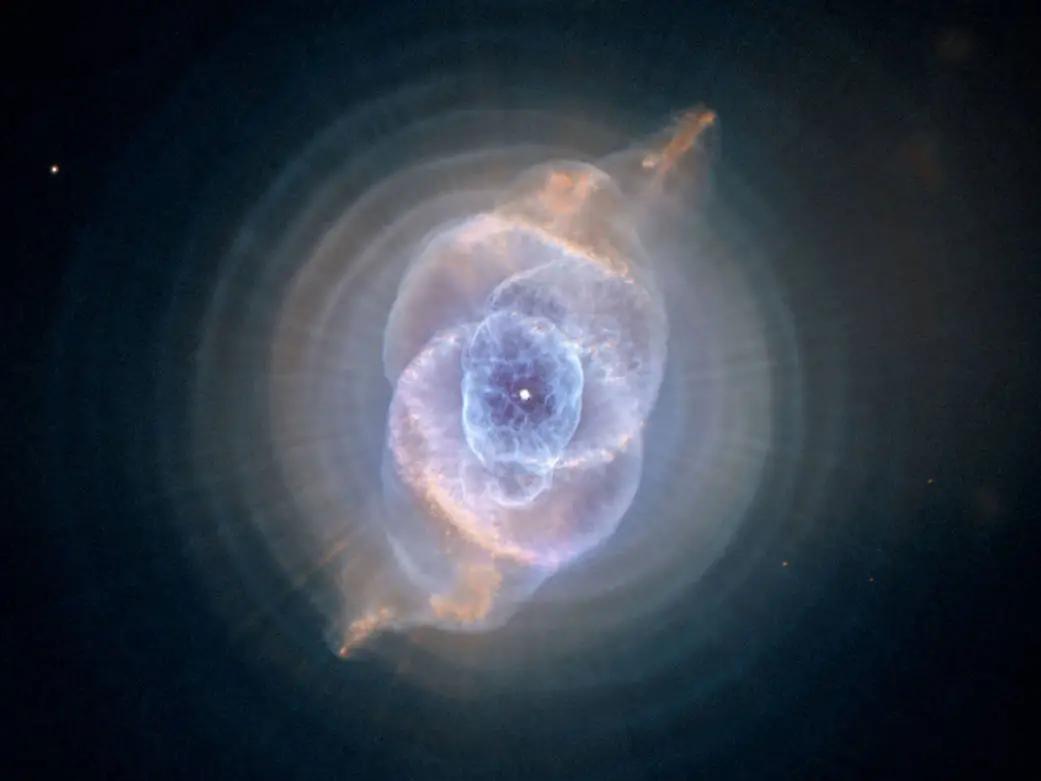
Cat's Eye Nebula
The Cat’s Eye Nebula (NGC 6543) is a planetary nebula located approximately 3,300 light-years from Earth in the constellation Draco. It is renowned for its highly complex structure. Image of the Cat’s Eye Nebula generated by Artificial Intelligence. " image-element-format="right" image-source="https://cdn.t3pedia.org/media/uploads/2025/04/25/SYxr8kam7KxCq13VL7MeQbOEfCHpsWh3.png"> First discovered in 1786 by William Herschel, this nebula has attracted significant scientific interest due to hig
EN
Osman Özbay
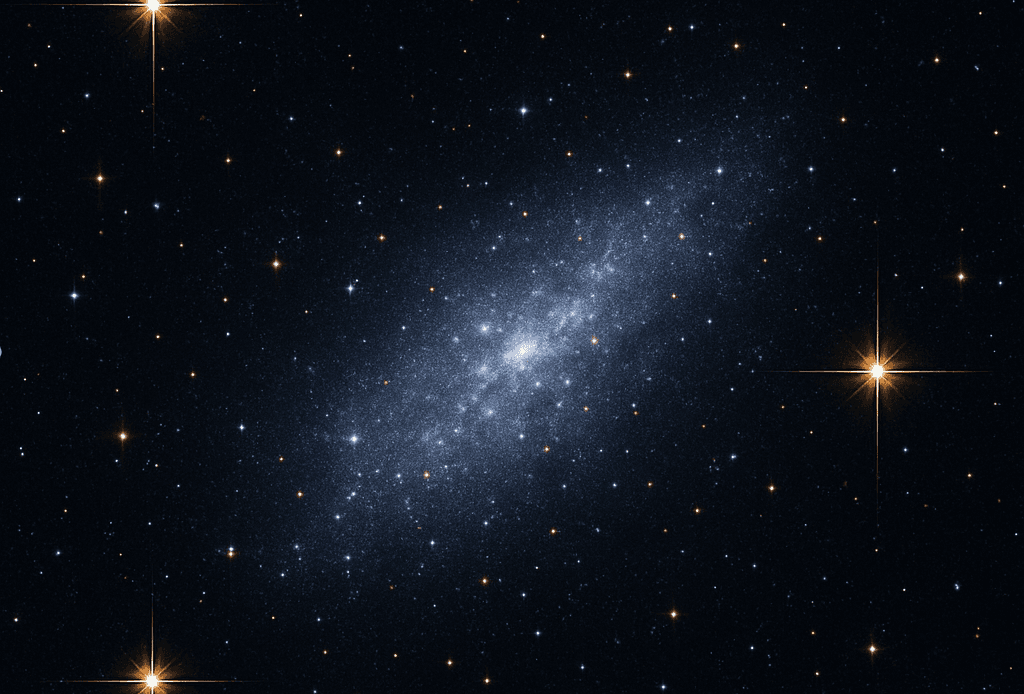
Barnard's Galaxy
NGC 6822, commonly known as Barnard’s Galaxy, is one of the irregular dwarf galaxies belonging to the Local Group. Discovered in 1884 by American astronomer Edward Emerson Barnard, this celestial object is a low-mass and low-luminosity system, unlike the larger members of the Local Group such as Andromeda and Triangulum. Due to its relative proximity to the Milky Way and its structural characteristics, NGC 6822 holds potential for shedding light on the early stages of galaxy formation and evolut
ENOsman Özbay
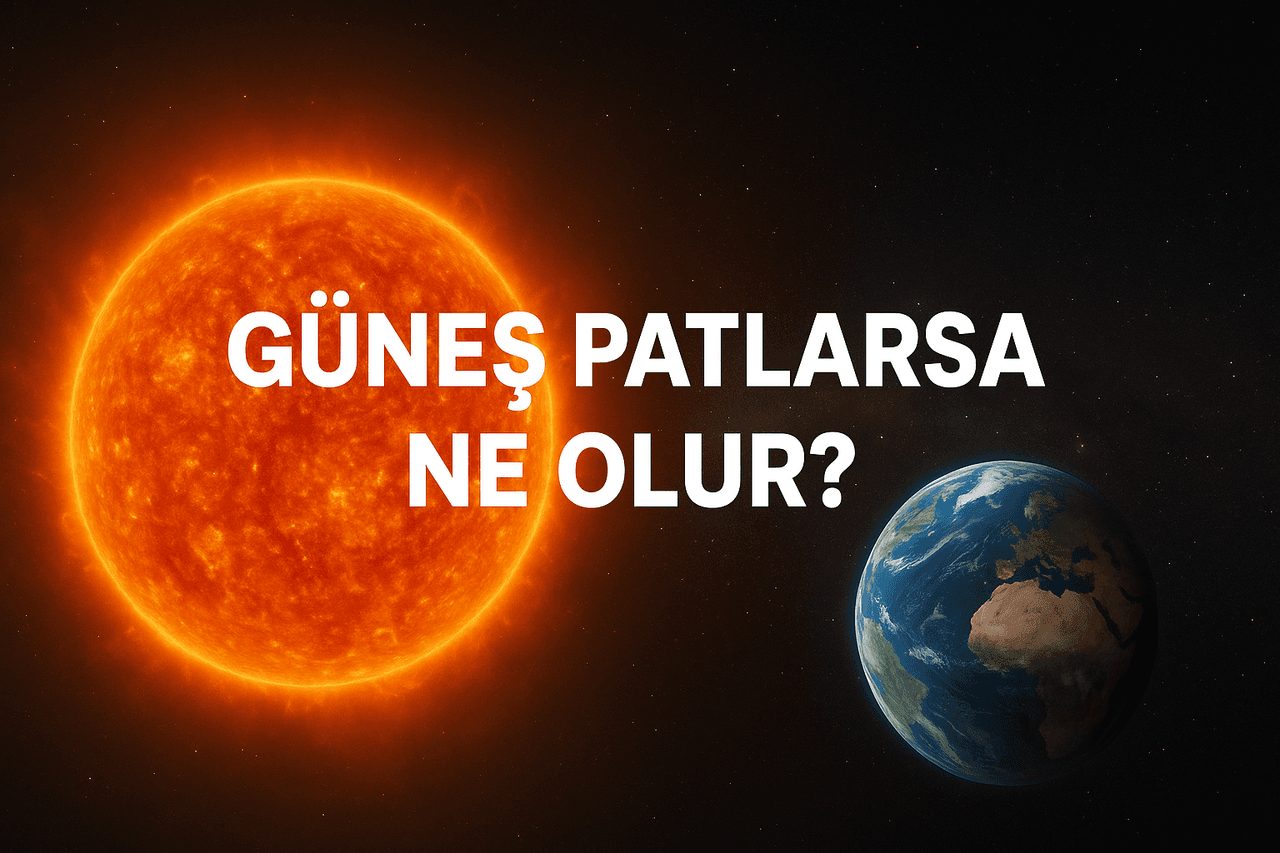
What Happens If the Sun Explodes?
The Sun is the source of everything on Earth. Our light, our heat, our seasons—all are made possible by the Sun’s steady luminosity. But a major question arises in the mind: What happens when the Sun one day dies? First, it is essential to understand: The Sun is not a star capable of exploding like a supernova. The reason is its relatively small mass. Supernova explosions occur only in massive stars with at least eight to ten times the mass of the Sun. Therefore, the Sun’s fate is not to explode
EN
Aykut Laçın
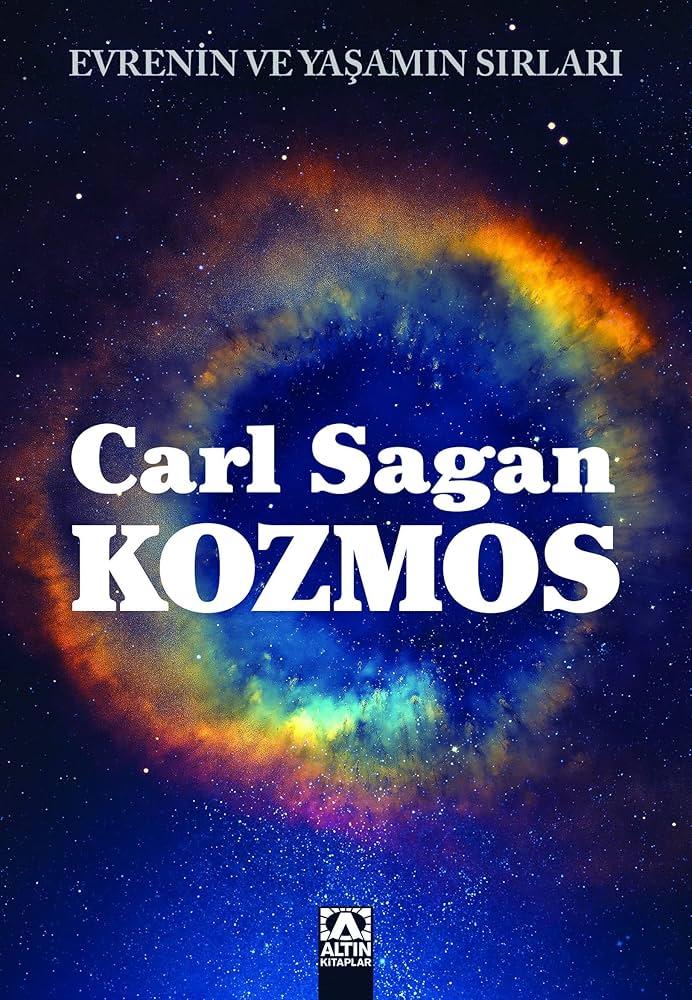
Cosmos (Book)
Cosmos is a popular science book written by American astronomer, astrophysicist, and science communicator Carl Sagan. Published in 1980, it was developed in parallel with the television series of the same name. Its content covers topics such as the structure of the universe, astronomical observations, the scientific method, and humanity’s place in the cosmos. Content and Themes The book addresses a broad range of subjects, from the origin of the universe to explanations of modern astronomical an
ENOsman Özbay
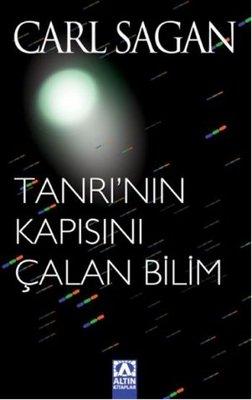
Science Knocking on the Door of God (Book)
Science on the Threshold of God (original title: The Varieties of Scientific Experience) is a compilation by American astronomer, astrophysicist and science communicator Carl Sagan. The book contains Sagan’s lectures and reflections on science, religion and philosophy. It particularly examines humanity’s efforts to understand the universe and the relationship between scientific perspectives and religious thought. Content and Themes The book covers themes such as the scientific approach philosoph
ENOsman Özbay
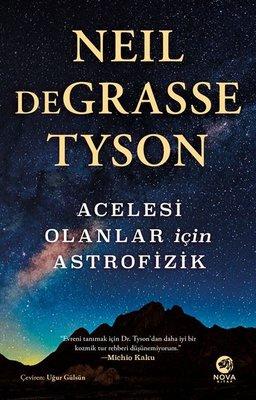
Astrophysics for Those in a Hurry (Book)
For People in a Hurry: Astrophysics (original title: Astrophysics for People in a Hurry) is a popular science book written by American astrophysicist Neil deGrasse Tyson. The book aims to convey the fundamental principles of astrophysics and the universe in a brief and accessible manner. Content and Themes The book presents a scientific perspective on the structure of the universe, fundamental physical laws, and cosmic phenomena. The main themes include: Structure and Scale of the Universe: Gala
ENOsman Özbay
What Is a White Dwarf?
A black dwarf is a hypothetical celestial object that emerges in the final stage of a star’s life. In reality, black dwarfs are the end result of white dwarfs that have completely cooled and no longer emit any light. They are therefore extremely aged stars that have lost all their energy. But do not worry—no black dwarfs have yet formed in the universe! This is because it takes trillions of years for a star to evolve into a black dwarf. How Do Black Dwarfs Form? Stars are born, live, and die. St
EN
Sümeyye Akkanat Terzioğlu
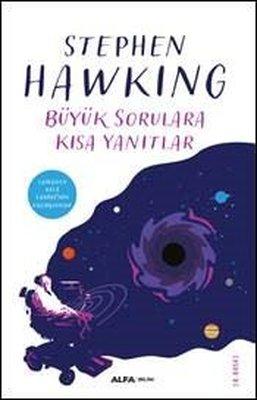
Short Answers to Big Questions (Book)
Brief Answers to the Big Questions (original title: Brief Answers to the Big Questions) is a popular science book written by British theoretical physicist Stephen Hawking. The book aims to provide short and direct answers to fundamental questions about the universe, life, humanity, and scientific inquiry. Content and Themes The book presents information within the context of fundamental cosmology the nature of the universe and the future of humanity. Major themes include: The Universe and Cosmol
ENOsman Özbay

Cosmic Ash Mixture
Before the universe was even a thought, there was no time, no space. No light had fallen upon darkness, nor had darkness cast a shadow upon emptiness. In that indescribable silence between existence and nonexistence, only Brahman existed—formless, timeless, and boundless… The absolute essence, source of all things, yet none of them. In profound stillness, a vibration arose from within Brahman—an aimless quest, an endless stir. This vibration echoed as a sound: Om. Neither word nor melody, it was
EN
Nefise Karabacak
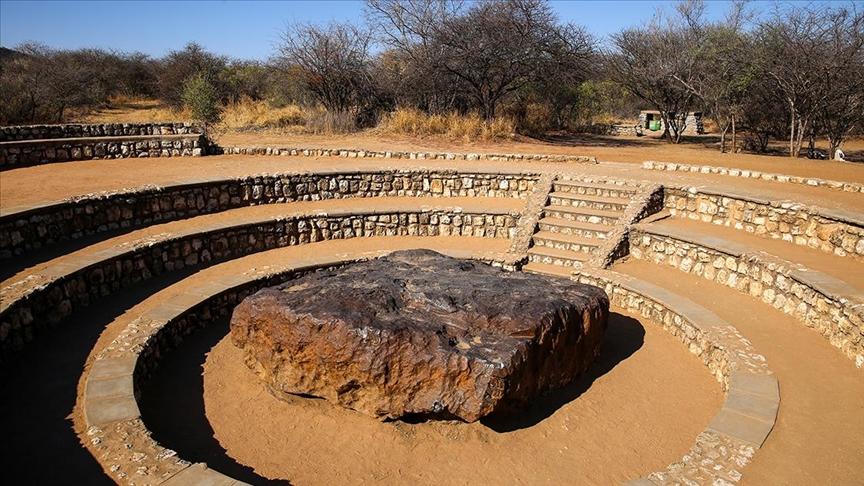
The Largest Known Single Piece Meteorite in the World: Hoba Meteorite
Hoba Meteorite is a natural celestial body composed primarily of iron and nickel, located near the town of Grootfontein in northern Namibia, southwestern Africa. With a weight of approximately 60 tons, it is the largest single-piece meteorite known on Earth. Hoba Meteorite: The Largest Known Single-Piece Meteorite on Earth Meteorites are regarded as cosmic messengers carrying traces of the universe’s past. These stones are not only objects of scientific curiosity but also possess the status of n
EN
Mehmet Bağcı