
`unconscious` Related Article Results
 To
ToTopographic Theory
The Topographic Theory, one of the early works of psychoanalytic theory founder Sigmund Freud, divides the human mind into three fundamental levels: conscious, preconscious, and unconscious. This theory presents a model to explain how mental processes and information are organized at different levels of awareness and how they interact with each other. Freud viewed this structure as a map where various mental contents—such as remembered experiences, unconscious drives, and repressed thoughts—are
EN
Muhammed Samed Acar
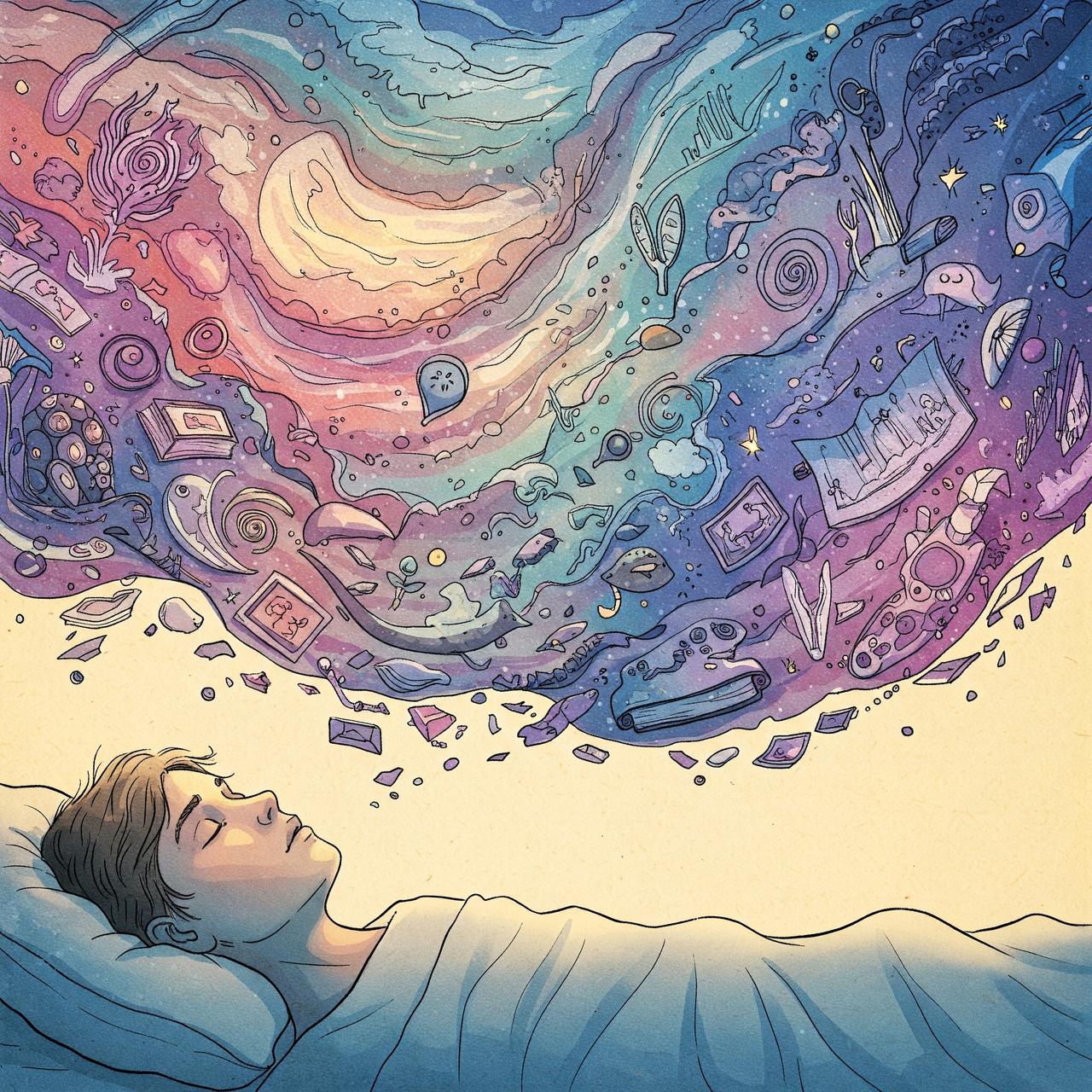
Dreams: Nocturnal Journeys That Open the Door to the Unconscious
Have you ever felt that a scene you once dreamed of suddenly appeared in real life? Or have you ever woken up convinced that the dream you just had was delivering you a message? At this point, dreams are not merely images that occupy our minds during the silence of night; they are complex, meaningful, and sometimes mesmerizing messages sent to us by our unconscious mind. So what do these messages mean? In this article, we will step into the mysterious world of dreams and explore how they connect
EN
Nursena Şahin

Cryptomnesia
Cryptomnesia is the phenomenon in which a person completely forgets the source of information, an idea, or a work they previously encountered or learned, and experiences it as a new and original creation of their own mind. The term literally means "forgotten memory."【1】 It is a form of plagiarism, or appropriation, in which a writer, researcher, or individual thoroughly internalizes another person’s ideas, data, methods, or research outputs and mistakenly believes them to be their own.【2】 This c
EN
Kadriye Beyza Kirenci

Archive of Forgotten Emotions
While standing in front of a library, I picked up an old book. Its pages were slightly yellowed; the corners of its cover were worn, and its color had faded slightly from years spent on the same shelf. The moment I opened it, a small piece of paper fell out. It bore a few lines of writing. At first I could not recall when I had written it. Then I realized the writing was mine. The sentences felt familiar, yet I could not quite remember the person who had written them. What was striking at that m
EN
Ebrar Sıla Peri
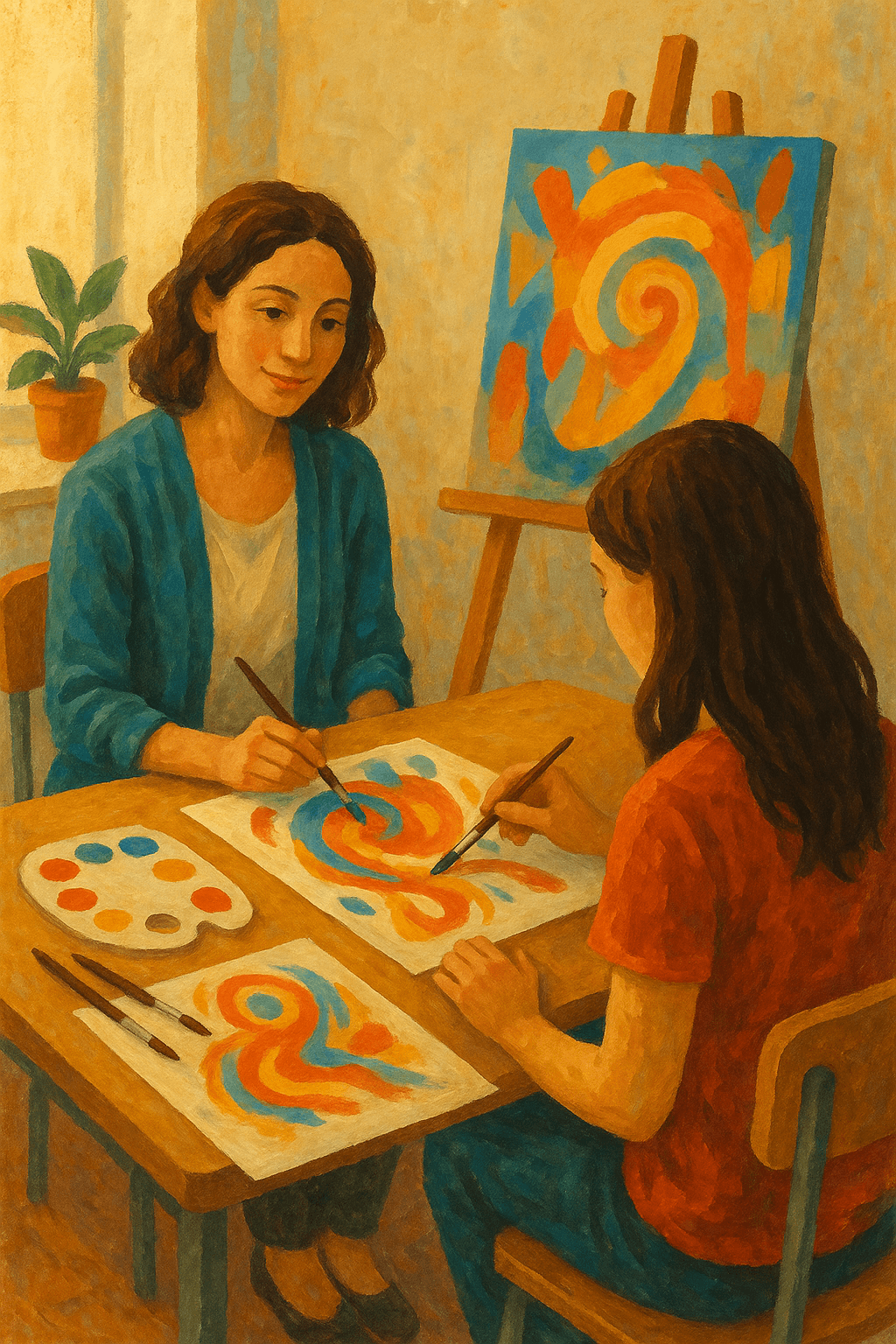
Art Therapy
Art therapy is a mental health practice that integrates creative processes with psychotherapy, enabling individuals to express thoughts, emotions, and internal conflicts through artistic means. At the core of art therapy are the processes by which an individual’s artistic production brings unconscious dynamics to light, facilitates emotional catharsis, enhances self-awareness, and fosters insight. This approach developed in the mid-20th century under the influence of psychodynamic theories, part
EN
Hacer Büşra Aslan
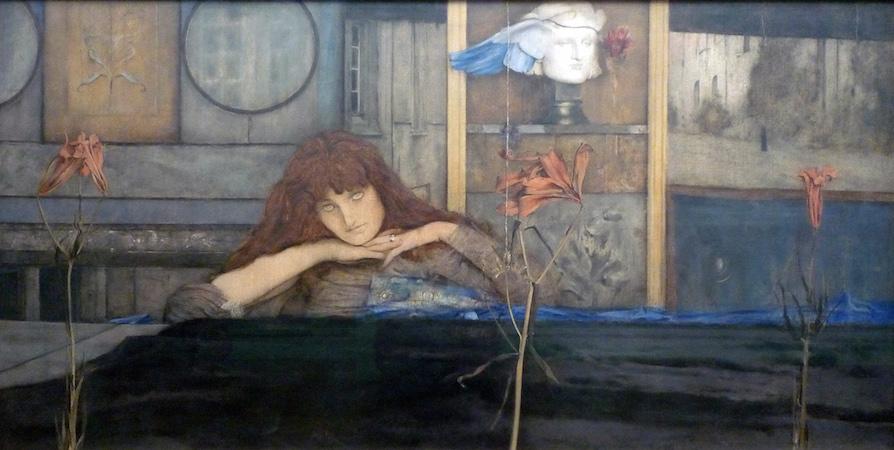
I Lock My Door Upon Myself (Painting)
I Lock My Door Upon Myself, a painting by Belgian artist Fernand Khnopff, was executed in 1891 using the oil technique on canvas. The work is analyzed within the context of the artist’s symbolist production and is regarded as one of the pieces in symbolist painting that moves away from figurative narrative and emphasizes symbolic structure.Beth Harris ve Steven Zucker, “Fernand Khnopff, I Lock My Door Upon Myself,” Smarthistory, Erişim Tarihi: 18 Ocak 2026, https://smarthistory.org/khnopff-i-loc
EN
Seren Yanık

Incognito: The Secret Life of the Brain
David Eagleman’s book Incognito: The Secret Lives of the Brain examines the boundaries of consciousness, the scope of unconscious processes, and the neurological foundations underlying human behavior within the framework of modern neuroscience. The author argues that a significant portion of perception, decision-making, and response mechanisms in everyday life are carried out automatically by the brain, outside the awareness of the conscious subject. Author’s Background David Eagleman is an Amer
EN
Azra Çiltepe
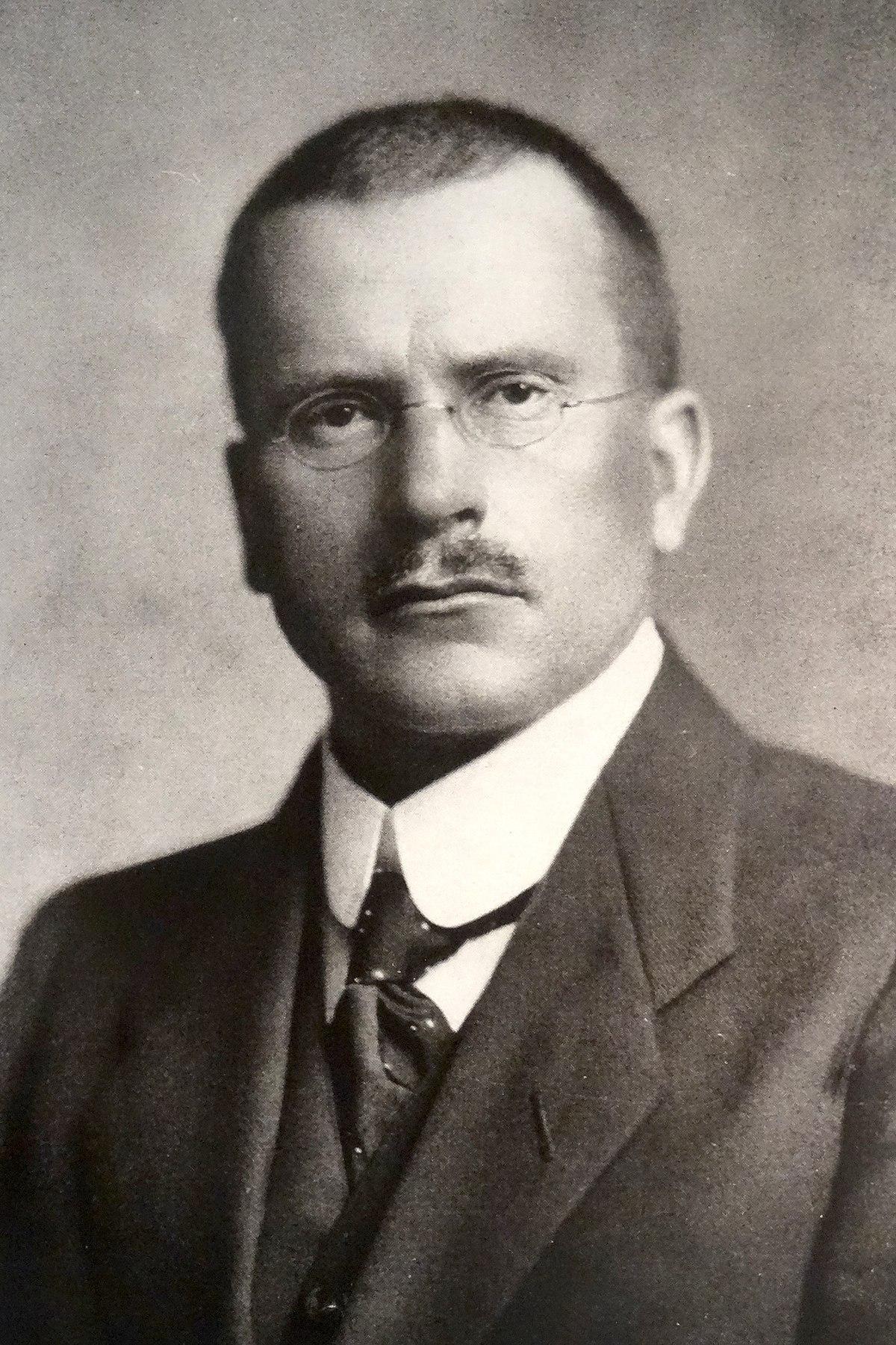
Carl Gustav Jung
Carl Gustav Jung (26 July 1875, Kesswil, Switzerland – 6 June 1961, Küsnacht, Switzerland) was a Swiss psychiatrist and psychoanalyst who founded analytical psychology. He introduced key concepts such as the collective unconscious, archetypes, and the persona. Early Life and Education Childhood and Youth: Jung was born in the Swiss village of Kesswil, the son of a Protestant minister. He was recognized during childhood as solitary and introverted. His early fascination with nature and mythology
EN
Ayşe Betül Edis
PsPsychodynamic Theory
Psychodynamic theory is an approach that posits human behavior is shaped by unconscious motivations, instinctual drives and early childhood experiences. This theory argues that psychological conflicts of which the individual is unaware profoundly influence personality development and mental health. Founded on the work of Sigmund Freud, this approach particularly seeks the origins of current problems in repressed memories and emotions during therapeutic processes. The theory emphasizes that the i
ENMuhammed Samed Acar
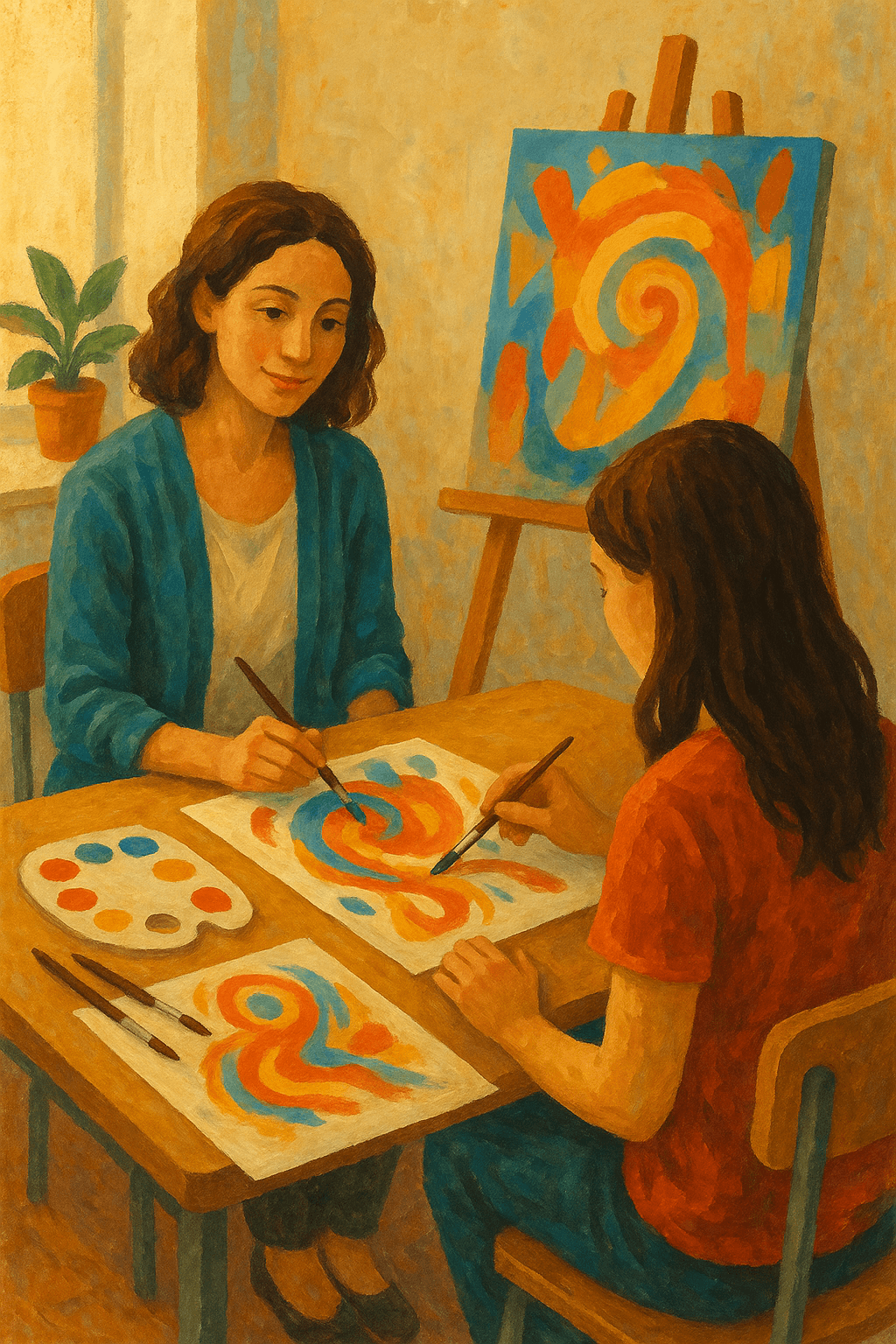
Art Therapy
Art therapy is a mental health practice that integrates creative processes with psychotherapy, enabling individuals to express thoughts, emotions, and internal conflicts through art. At its core, art therapy is based on the idea that artistic creation makes unconscious processes visible, facilitates emotional catharsis, and fosters self-awareness and insight. This approach developed in the mid-20th century under the influence of psychodynamic theories, particularly through the psychoanalytic vie
EN
Hacer Büşra Aslan