

`turks` Related Article Results
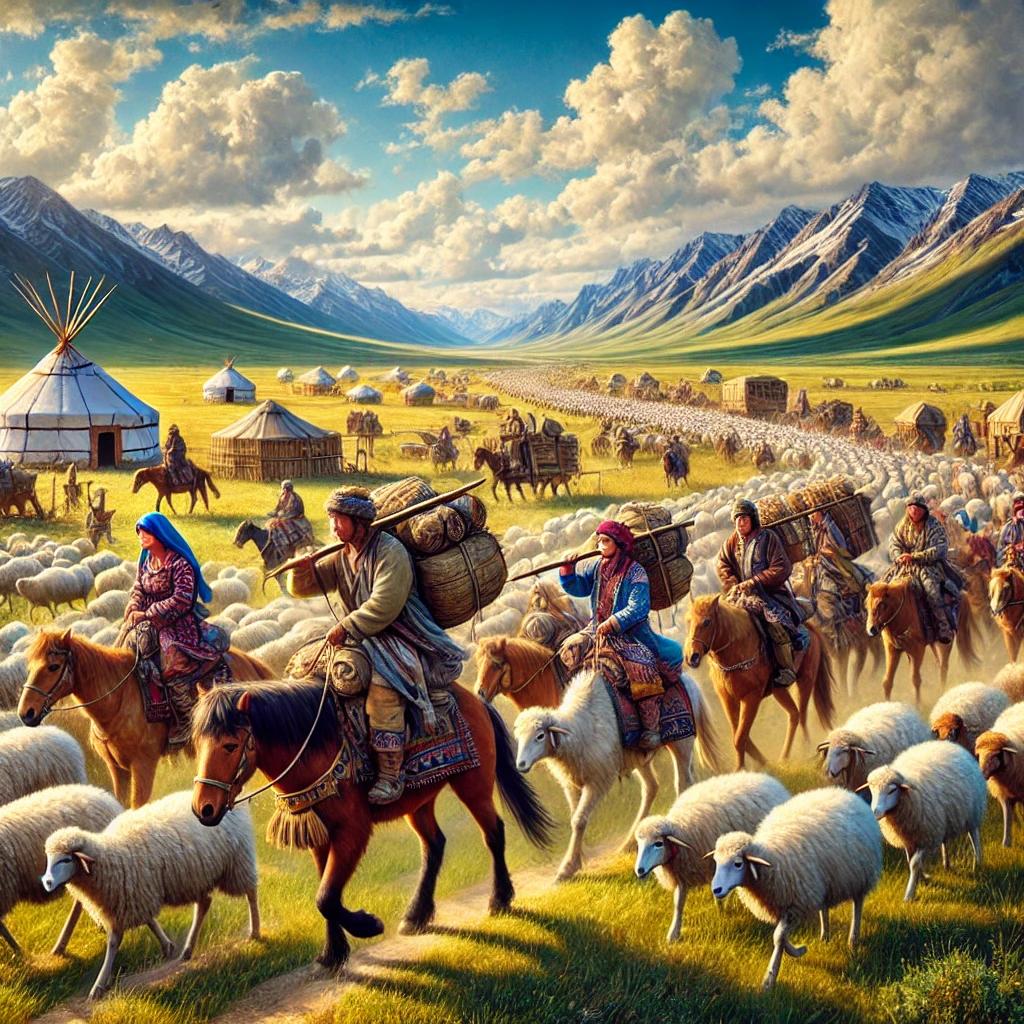
What Are Nomadic Cultures?
Nomadic cultures refer to a way of life in which people do not settle permanently in one place but move seasonally, according to climate conditions or the availability of food sources, often accompanied by their livestock. These people are called “nomads.” Nomads carry their homes, belongings, and animals with them. Before the transition to settled life, many people lived in this manner. What Was Nomadic Life Like? Nomadic life means living in close harmony with nature. To sustain their existenc
EN
Mustafa Cem İnci
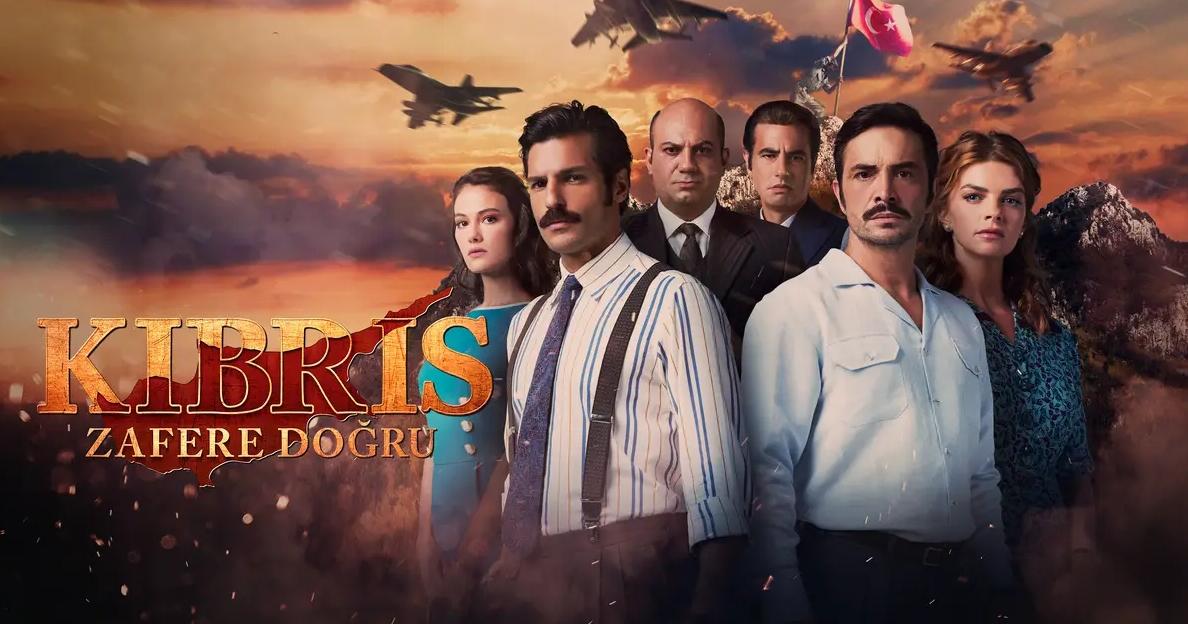
Cyprus Toward Victory (Series)
Kyprus: Towards Victory is a Turkish television series that premiered on TRT 1 on April 1, 2021, belonging to the historical, drama, and war genres. Produced by TMC Film, the series is a joint production of Türkiye and the Turkish Republic of Northern Cyprus (TRNC). The first season was broadcast under the title Once Upon a Time in Cyprus, and the second season continued under the title Kyprus: Towards Victory. The series concluded with its 24th episode on February 4, 2022. The direction of the
EN
Ayşe Hümeyra Akkanat
 Pa
PaPatience
Sabars were a Turkic tribe that played a significant role and left a lasting impact in the northern Black Sea region and the Caucasus between the years 463 and 558. Claims that the Sabars were of Slavic, Mongolic or Finno-Ugric origin have been discredited; their Turkic identity is evident from the names they bore as well as their historical and cultural context.【1】 History Information about the Sabars is fragmentary and primarily derived from Islamic and Byzantine sources. This is due to their
EN
Sümeyye Aytepe
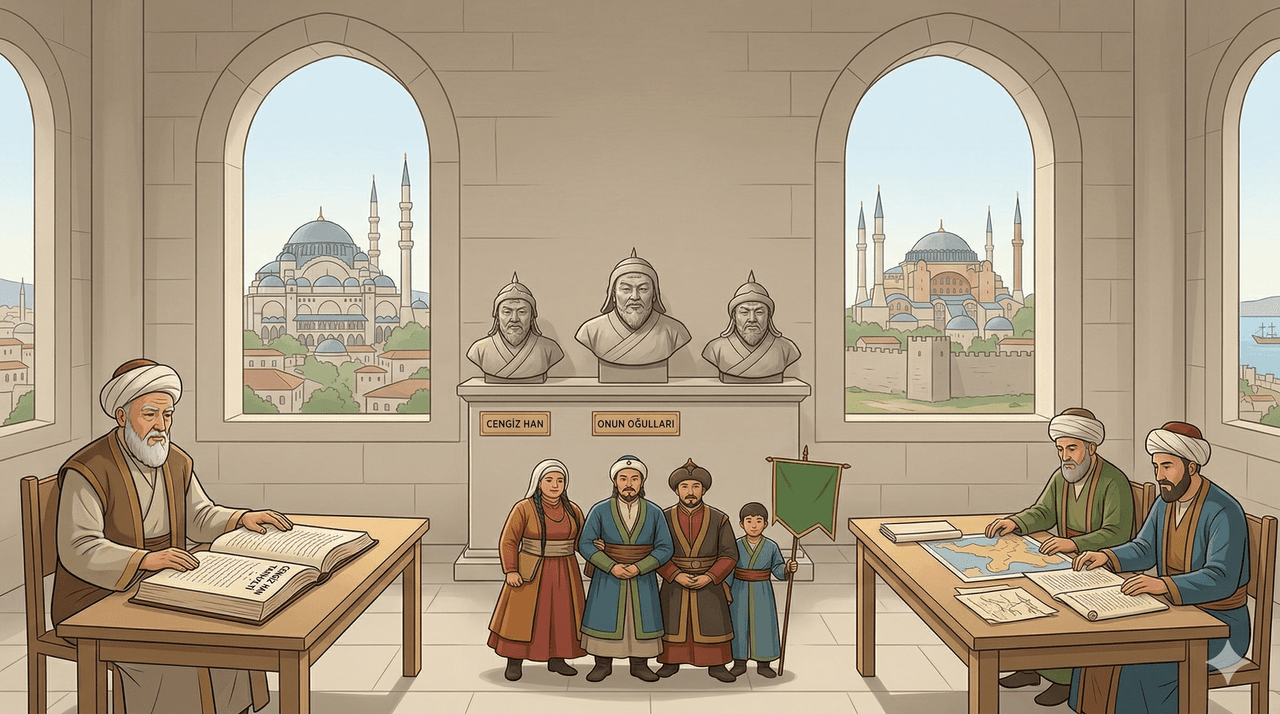
The Journey of the Mongols
When we turn the pages of history, we see that the empire with the greatest territorial extent was the Mongols. This immense force, flowing like a flood on horseback, swept across every region from the Chinese walls to the heart of Central Europe. Yet today, in the modern world, we cannot speak of a deep-rooted “Mongol legacy” comparable to the enduring influence of a “Rome,” an “Ottoman,” or an “English” identity. So why did this colossal empire, which brought the world to its knees, leave behi
ENMustafa Cem İnci
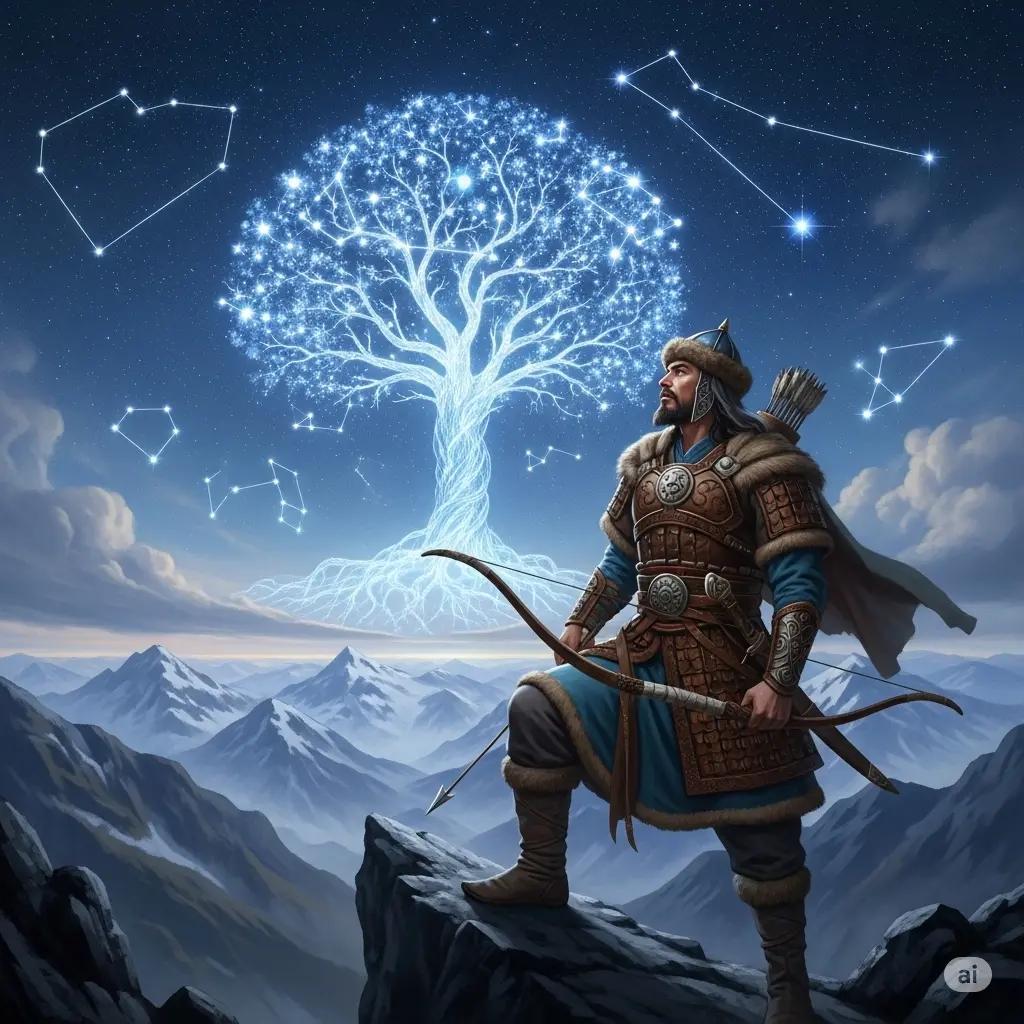
Tengrism (Sky God Belief)
Tengrism or the Belief in the Sky God is a term denoting the religious system of the ancient Turkic and Mongolic peoples. Its origins are believed to extend as far back as the Neolithic period, based on rock carvings. Information about this system is also found in written sources of ancient civilizations such as the Sumerians, Chinese, and Eastern Roman Empire. The core of this belief system is faith in a single supreme being, the Sky God (Tengri), who created and governs the universe. Tengrism
EN
Yunus Emre Yüce

The Story of Turquoise Color
The Story of Turquoise Turquoise is a color between blue and green. When you see it, it may remind you of the sky and the sea. It also symbolizes luck, peace, and protective power in many cultures. For Turks, however, it is a particularly special color—even its name is derived from the word “Türk”! So what exactly is turquoise, how is it made, and why is it so significant? Let us learn together! What Does Turquoise Resemble? The color turquoise resembles a blend of blue and green. Some shades of
EN
Mehtap Pamuk
LeLevirate
Levirate marriage is the custom whereby the widow of a deceased man typically marries his brother. This form of marriage has been practiced in various societies around the world in different forms and for diverse reasons. Etimology and Terminology The term “levirate” derives from the Latin word “levir,” meaning “brother-in-law” or “husband’s brother.” In Turkic languages, this type of marriage is referred to by terms such as “Amengerlik” in Kazakh and Kyrgyz, “Omonatgirlik” (emanetgirlik) in Uzb
ENYunus Emre Yüce
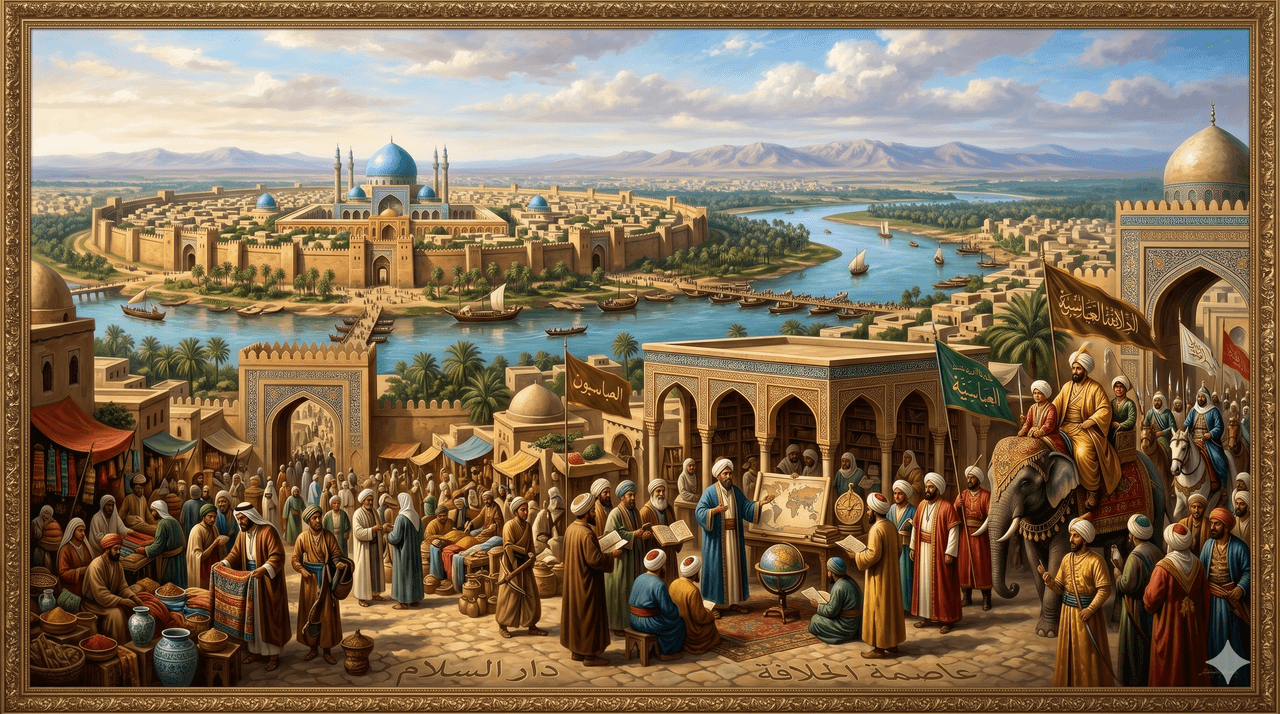
The Less Discussed State: The Abbasids
When Islamic history is mentioned, one of the first great dynasties that comes to mind is undoubtedly the Abbasids. Chronologically, they appear to have ruled for a period close to that of the Ottoman Empire. However, when we examine the inner workings—the political stability and central authority—we may find that they were not as unified or as solid a power as they seem. Let us lift the grand curtains of the Abbasids and take a close look at the political realities behind them. The Birth of Pow
ENMustafa Cem İnci