

`turkiyemuseums` Related Article Results
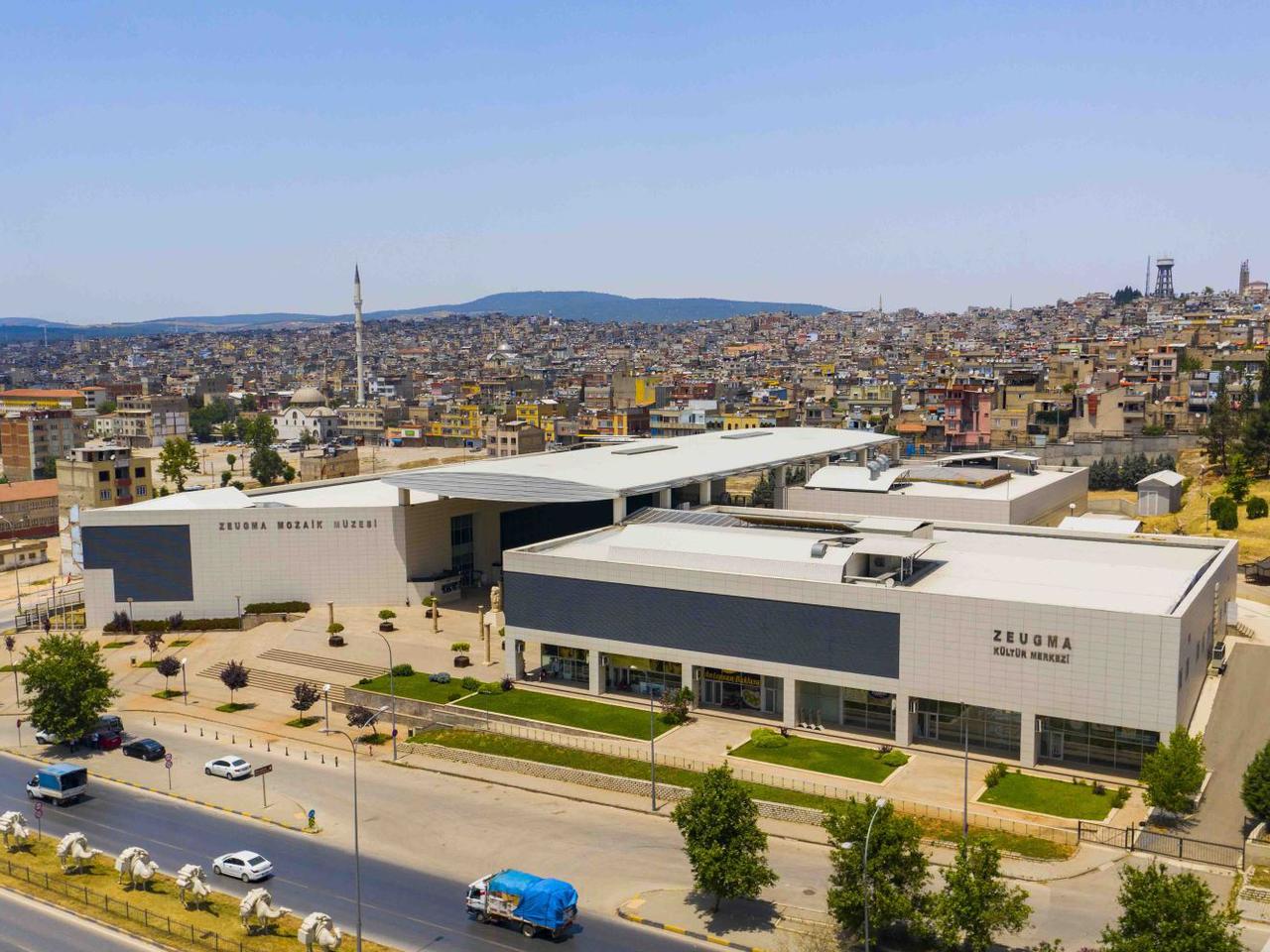
Zeugma Mosaic Museum
The Zeugma Mosaic Museum is an important museum located in Gaziantep, where mosaics excavated from the ancient city of Zeugma are displayed. Opened in 2011, the museum is the largest mosaic museum in Turkey, covering an area of 30,000 square meters. The museum has a total exhibition area of 2,815 square meters, which includes 2,448 square meters of mosaics from the Roman and Late Antiquity periods, 140 square meters of wall paintings, 4 Roman-period fountains, 20 columns, 4 limestone statues, an
EN
Nazlı Kemerkaya
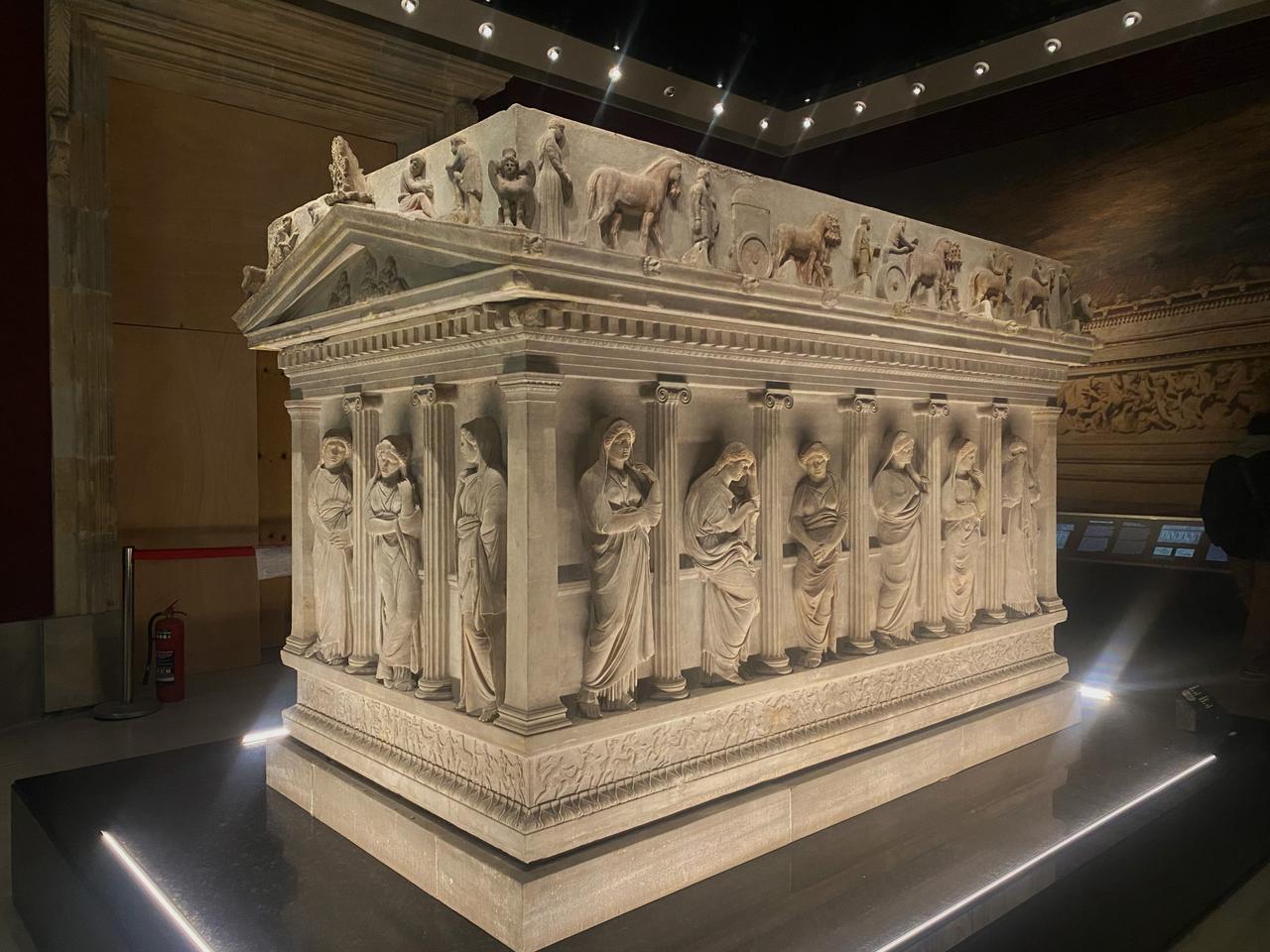
Sarcophagus of the Mourning Women
The Sarcophagus of the Mourning Women, as one of the most striking pieces in the collection of the Istanbul Archaeology Museums, holds a special position immediately following the Alexander Sarcophagus. The work received its name because of the depiction of 18 women mourning on its surface. Each of these figures, with their different postures and facial expressions, reflects a state of emotion, indicating distinct personalities. The relationship between the person interred within the sarcophagus
ENNazlı Kemerkaya
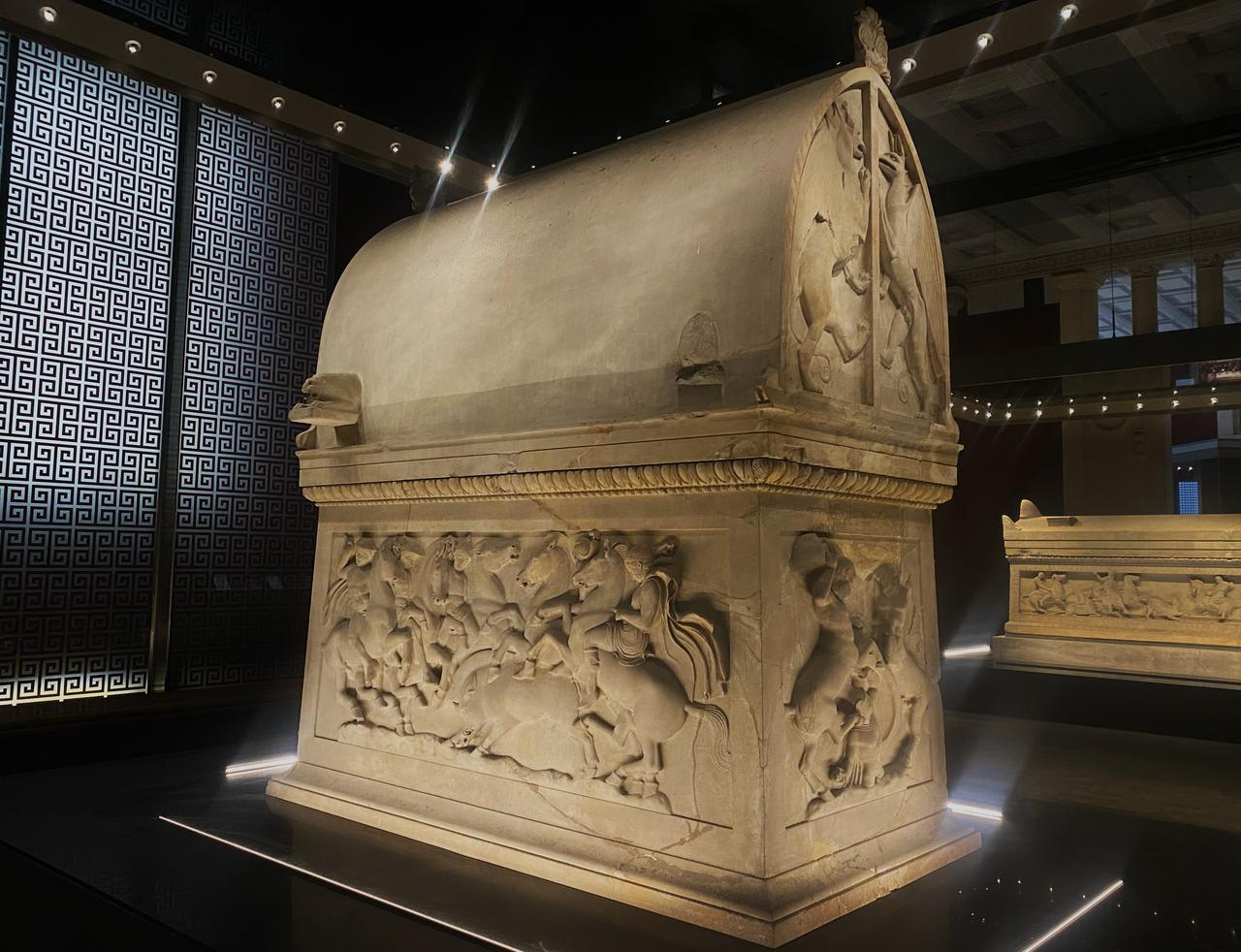
Lycian Sarcophagus of Sidon
The Lycian Sarcophagus is an ancient artifact unearthed during excavations conducted by Osman Hamdi Bey and his team in 1887 at the Sidon Necropolis (located in the ancient city of Sidon, now within the borders of Lebanon). It is exhibited in the Istanbul Archaeology Museums. The term "Lycian" in its name derives from the resemblance of the sarcophagus' shape to the characteristic house-type rock tombs of the Lycian civilization. Dated between the late 5th century BCE and the early 4th century B
ENNazlı Kemerkaya