

`turkishculture` Related Article Results
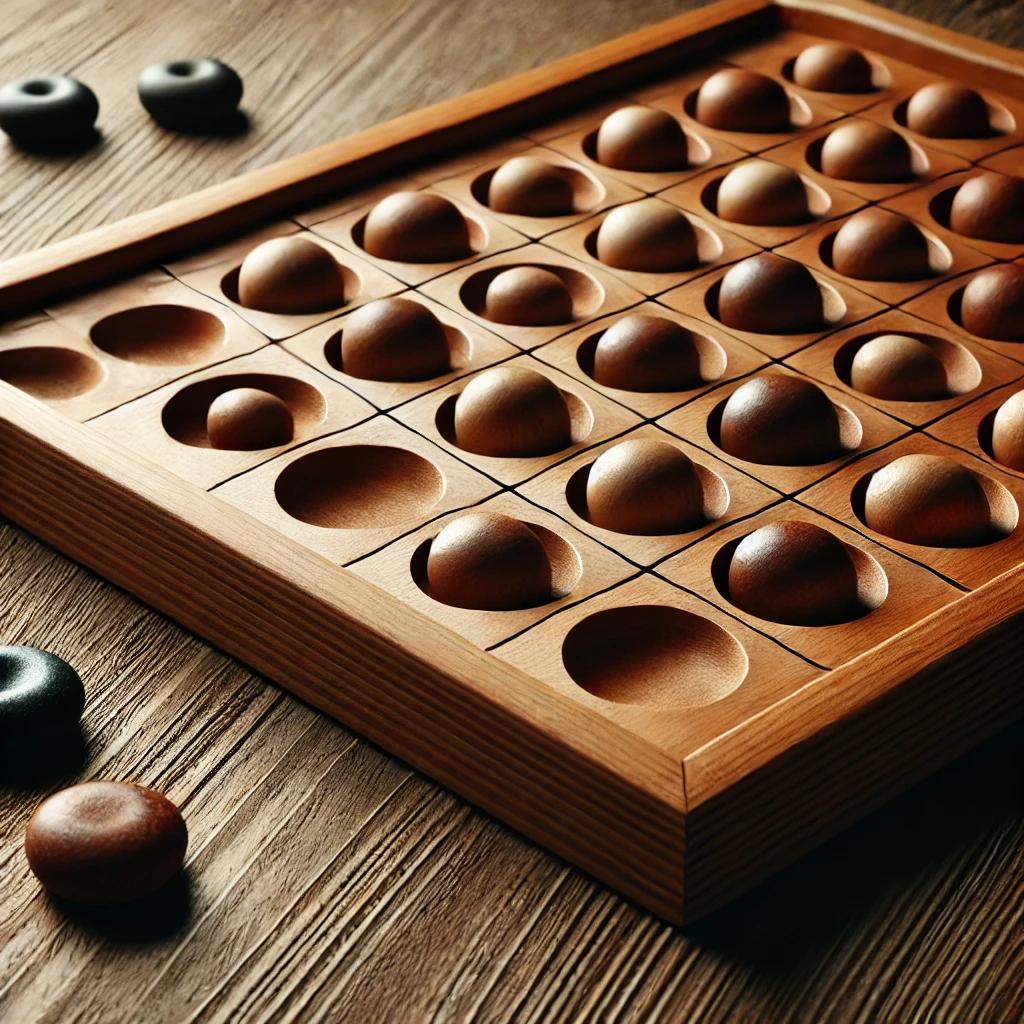
Mangala
Mangala is a traditional game with historical roots in Central Asia and particularly prominent in Turkish culture as a important place held by strategy and intelligence. Played between two players, this game aims to outmaneuver the opponent by moving stones according to specific rules. Recognized by UNESCO as part of the Intangible Cultural Heritage List, Mangala is still played today not only in its traditional form but also in digital environments. Mangala is a game of intelligence and strateg
EN
Halil Ibrahim Gül
 Mo
MoMocking / To mock
Alazlama, in Turkish, refers to the condition in which redness or red spots appear on the body. It is also the term used for the act of setting something on fire or burning it. Example: “Spirit sweet seared his stomach with intense heat.” – Refik Halit Karay Word derives from the word “alaz,” meaning flame. Alazlama has emerged as a term within Anatolia’s oral culture and belief systems. In Turkish tradition, fire, water, trees and mountains such as became sacred entities due to Shamanist tradit
EN
Şuheda Osmanlıoğlu
YoYoung Osman Ballad
Genç Osman Türküsü is an epic folk ballad that recounts the heroism of a young warrior from Aksaray who fell martyr during the Baghdad Campaign conducted by the Ottoman Empire in the 17th century. The lyrics and story of the ballad have been preserved in various versions across different regions of Anatolia. The Story of Genç Osman Born in 1621 in the village of Dorikini in Aksaray, Osman lost his father at a young age and was raised by his mother. He excelled in wrestling, archery, and swordsma
EN
Eyüp Ecmel Acat
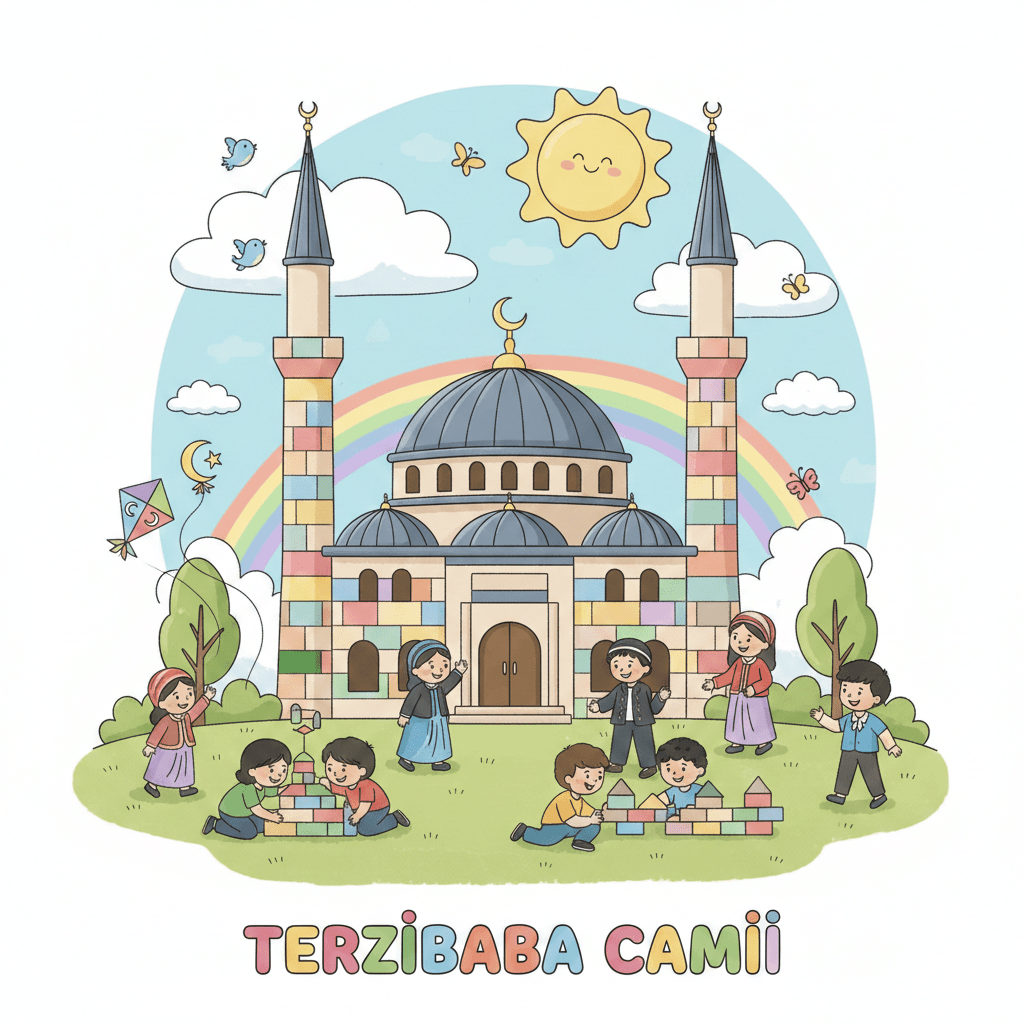
Terzi Baba
Have you ever heard of someone who sewed clothes while also diving into deep thoughts? Erzincan’s most beloved figures, Terzi Baba, was exactly such a person. His life was a warm story built on kindness and humility. Who Was Terzi Baba? Terzi Baba’s real name was Muhammad Vehbi, and he was a highly respected figure who lived in the 18th century. Are you curious why he was called “Terzi Baba”? The answer is quite simple: He earned his living by tailoring, stitching fabrics into beautiful garments
EN
Sude nur Akgüneş
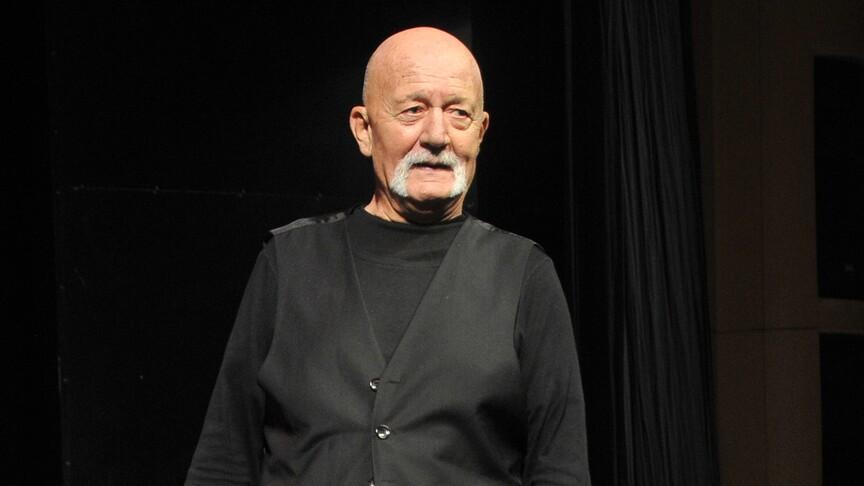
Sumer Tilmaç
Sümer Tilmaç is an artist known in Turkish theater and cinema literature for his roles as a character actor, director, and producer. He was born on 15 July 1948 and passed away on 12 June 2015.【1】 Early Life and Personal Details Sümer Tilmaç was born on 15 July 1948 in Malatya, Türkiye. His mustache became his commercial trademark throughout his career. His physical height is recorded as 1.85 meters. In his personal life, he married Hatice Melek in 1989; the marriage ended legally in 2007. It is
EN
Gözde Cabadak
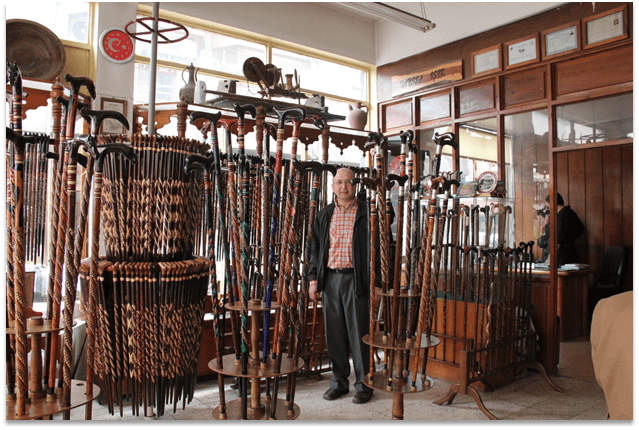
Devrek Cane
The Devrek cane is a type of traditional cane produced in Devrek, a district of the Zonguldak province, adorned with fine craftsmanship and handicrafts. Usually made from durable woods such as boxwood, cherry, cornelian cherry, and walnut, these canes are decorated with various motifs during the processing stage. The engravings on them range from Ottoman-era figures to animal depictions, and from traditional Turkish motifs to modern patterns. In this process, the patterns applied through techniq
EN
Nazlı Kemerkaya
WaWater Cult in Turkish Mythology
Water cult in Turkish mythology is a comprehensive system of beliefs and practices centered on attributing sanctity to water entities such as rivers lakes springs and streams; viewing water as a life-giving purifying and in some contexts protective and healing force. Associated with this understanding are various ritual practices linked to water including making offerings and sacrifices at water sources visiting and making petitions at waters deemed “sacred” observing taboos that prohibit certai
EN
Almina Ecenur Ergünay
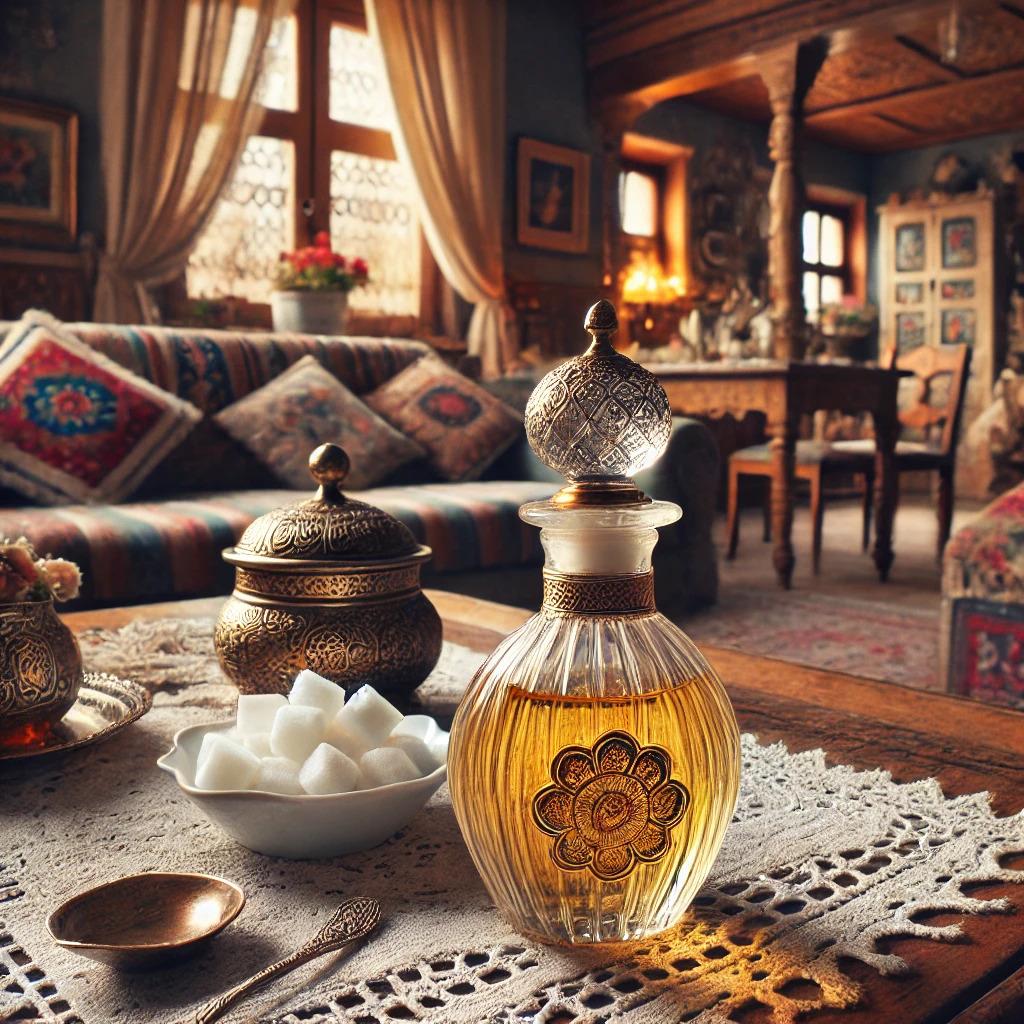
Eau de cologne
Cologne is a fragrant product made from a mixture of ethyl alcohol, water, and aromatic essences such as lemon, flower, or tobacco, known for its refreshing and antiseptic (germ-killing) properties. As a diluted version of perfume, cologne has assumed various functions over the centuries in both Europe and Türkiye. In particular in Türkiye, cologne has become more than just a hygiene and fragrance product; it has also come to symbolize hospitality and a cultural tradition. Origins and History of
EN
Ayşe Aslıhan Yoran
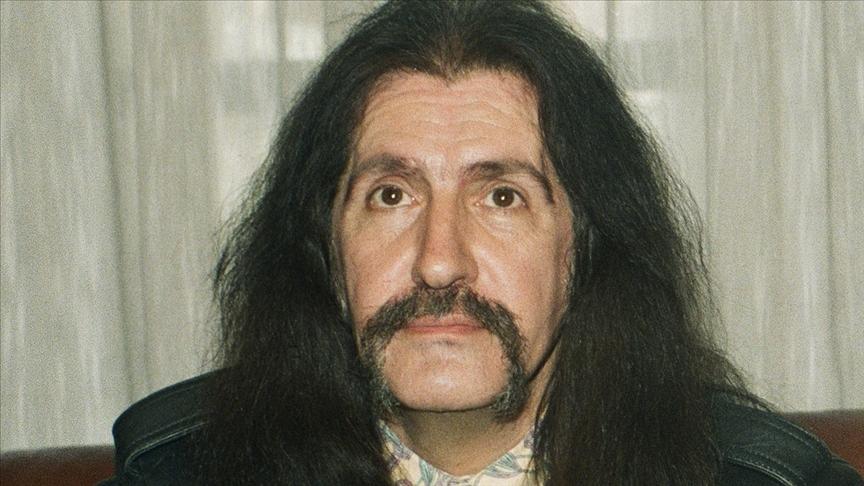
A Modern Poet in Values Education: Barış Manço
Barış Manço is an original artist who actively used music as a vehicle for conveying messages, interpreting traditional sources in an original form—not only through his music but also through his lifestyle and appearance. The transmission and preservation of cultural heritage, which constitutes a society’s material and spiritual existence as well as its written and oral values, through language and cultural education holds vital importance for the development of individuals and societies. Barış
ENGözde Cabadak
BeBereket: Silent Wisdom Transmitted from Past to Future
Some words walk across the centuries, enduring beyond time. They are sown like seeds into the earth; they grow, sprout, and become voices of the ages. "Bereket" is one such word. It resides in a mother’s prayer, in the calloused hands of a farmer, in the steam of tea slowly sipped by an elder... And as the modern age rapidly consumes everything, somewhere, a whisper reminds us: “There is blessing even in little…” Bereket cannot be measured. It is not abundance that weighs heavy on a scale; it is
EN
Havvagül Öztürk