

`turkish-triangle` Related Article Results
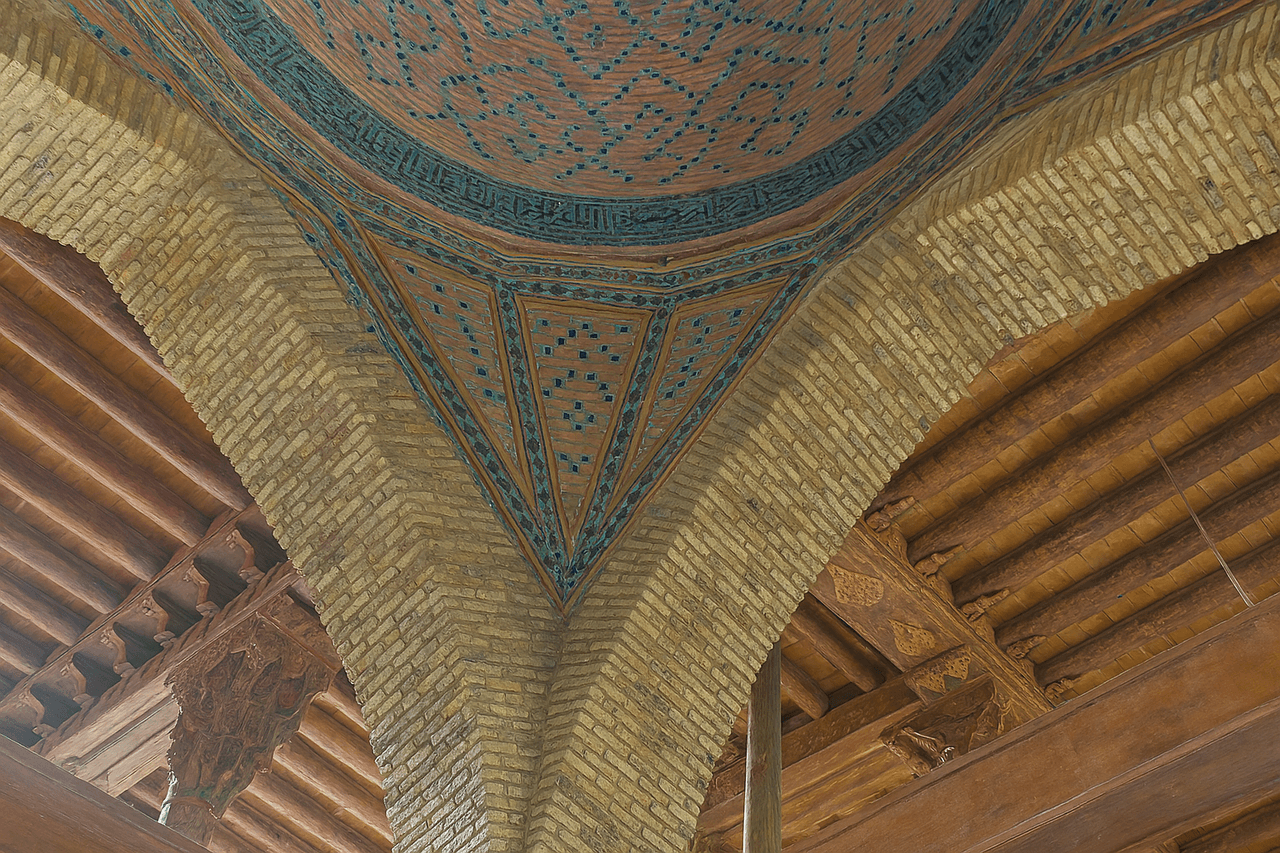
Turkish Triangle
The Turkish triangle is an architectural transition element developed in traditional Turkish-Islamic architecture to cover a square or rectangular base with an octagonal or circular dome. In architectural terminology, it is defined as “triangular inclined surfaces” that establish the relationship between the dome and the underlying structure. This element, offering an alternative to the pendentive system, gained widespread use particularly in Anatolia during the Seljuk, Beylik, and early Ottoman
EN
Sümeyye Akkanat Terzioğlu
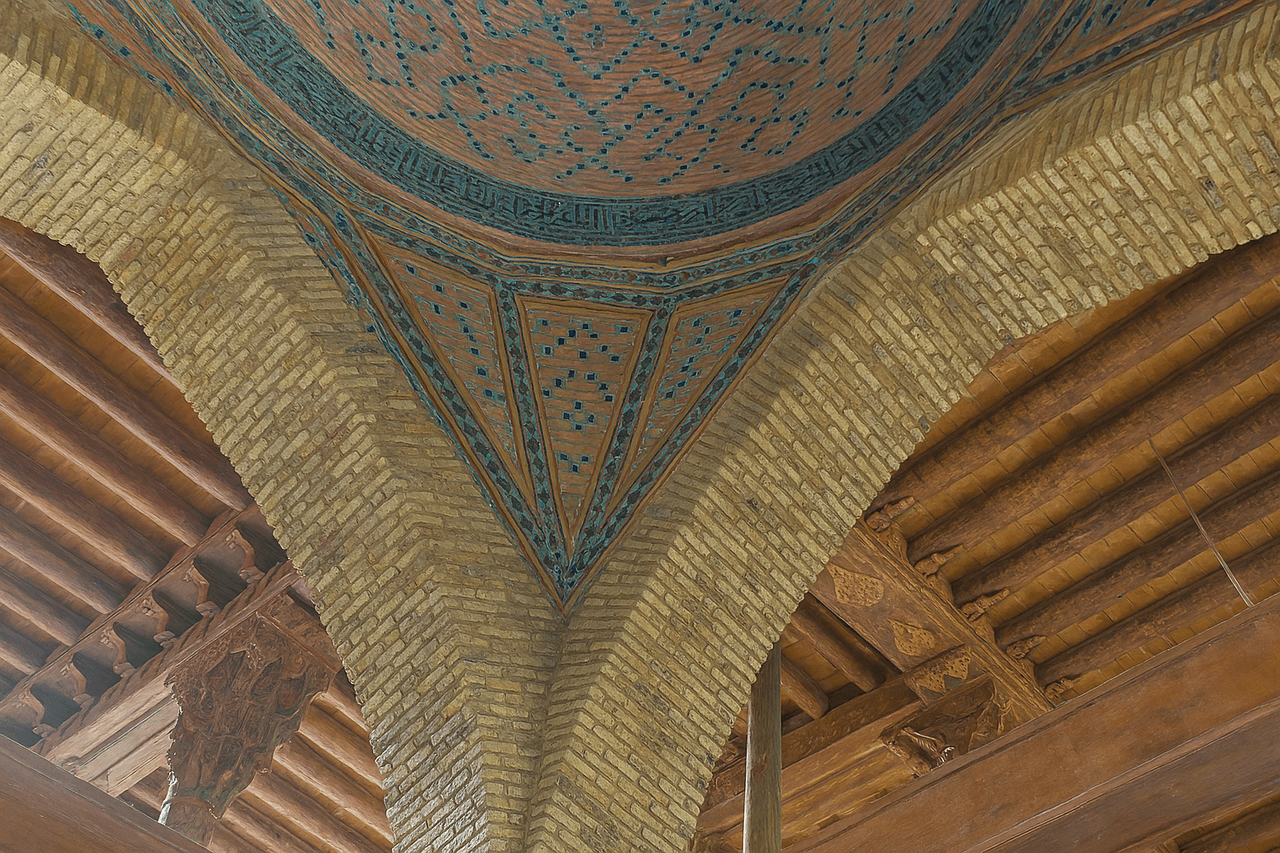
What is the Turkish Triangle?
The Turkish triangle is a specialized architectural element used to support domes commonly seen on the roofs of old mosques and tombs. It is employed when a circular or octagonal dome is to be placed above a square room. It functions like a kind of “transition bridge”: the difference between the square or rectangular base and the circular dome is bridged by flat, sloping triangular surfaces. These triangular elements are known as “Turkish triangles”! How Does It Work? -The Turkish triangle is pl
ENSümeyye Akkanat Terzioğlu