

`turkish-mythology` Related Article Results
Monster Notebook (Company)
Monster Computer Industry and Trade Inc. is a brand established in Istanbul in 2000, specializing in the production and sale of high-performance game computers and gaming accessories. In addition to its store and technical service centers in Türkiye, the company operates in Cyprus, Dubai and Europe. Headquartered in Türkiye, the company is particularly known for manufacturing gaming computers and high-performance hardware solutions. Its international market presence is commonly recognized under
EN
Sabiha Meyra Şahinler
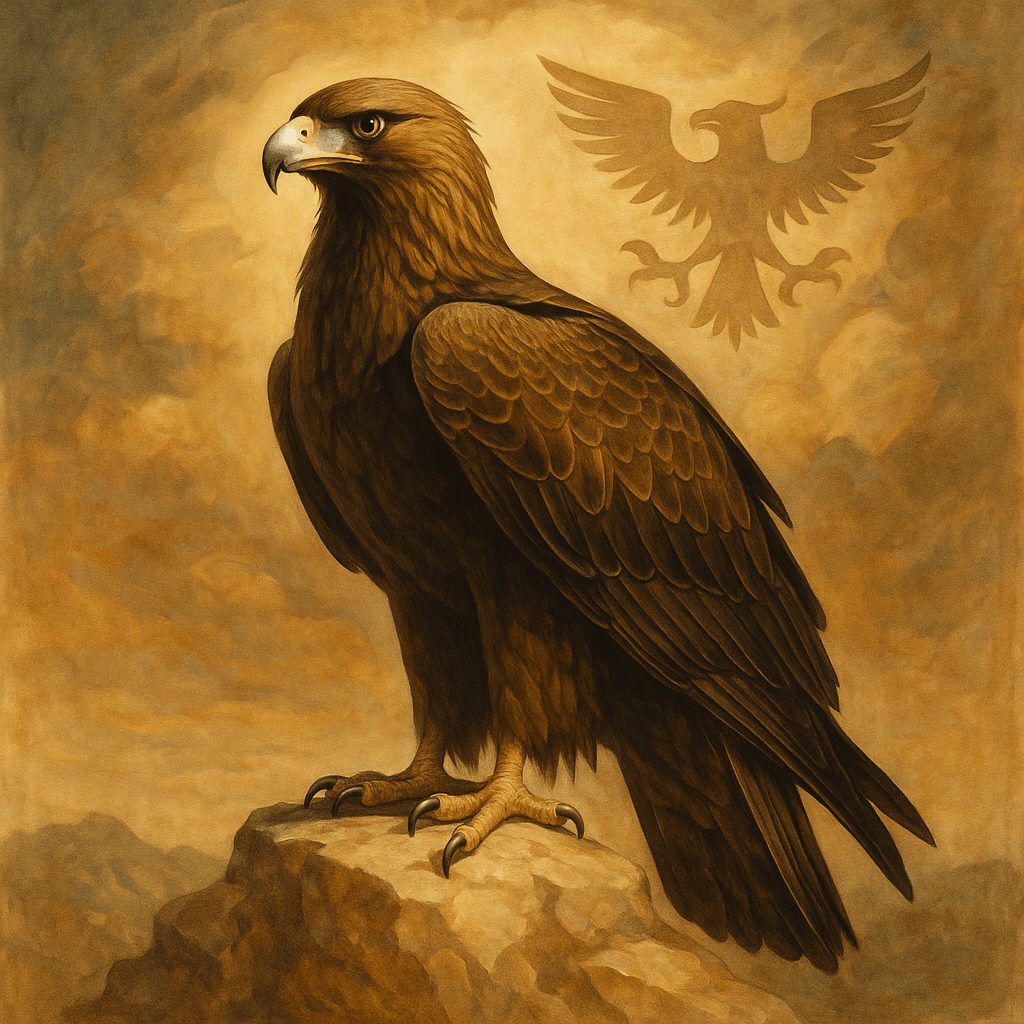
Bürküt in the Turkish World
Bürküt is a sacred bird of prey that holds significant historical, cultural, and mythological dimensions in the Turkic world. In the belief systems of the Kazakh, Kyrgyz, Karakalpak, and Altai Turkic peoples, this figure occupies a special place not merely as a hunting animal but as a symbol of protection, celestial power, and ancestral memory. The image of the bürküt, shaped in the steppes of Central Asia, has exerted influence across a broad spectrum—from folk narratives and architecture to me
EN
Neriman Çalışkan
Monster Notebook (Company)
Monster Computer Industry and Trade Inc. is a technology brand established in Istanbul in 2000, specializing in the production and sale of high-performance gaming computers and gaming accessories. In addition to its stores and technical service centers in Türkiye, the company operates in Cyprus, Dubai and Europe. Headquartered in Türkiye, the company is particularly known for manufacturing gaming computers and high-performance hardware solutions. Its international brand identity is commonly reco
EN
Sabiha Meyra Şahinler
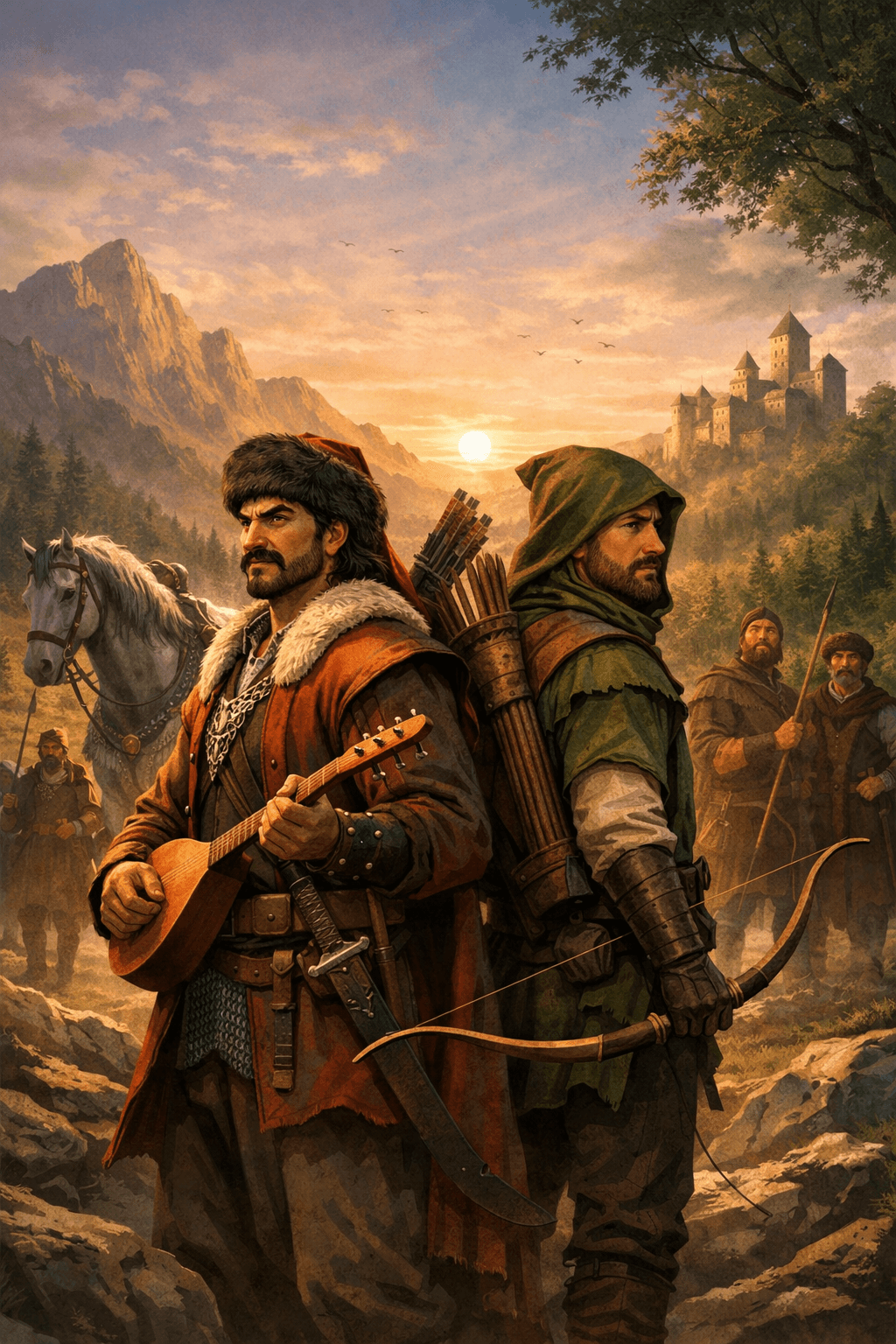
Our Köroğlu is their Robin Hood
Robin Hood and Köroğlu are not merely linked by the similarity of two folk tales. They also represent the universal human longing for justice expressed in different languages. One rises from the forests of English folklore, while the other speaks from the mountain peaks stretching from the Caspian to the Balkans. Yet both share the same core feeling: refusing to submit to injustice. Both are figures told in the language of the people and grown in the memory of the people. It is oral culture, not
EN
Nursena Güller
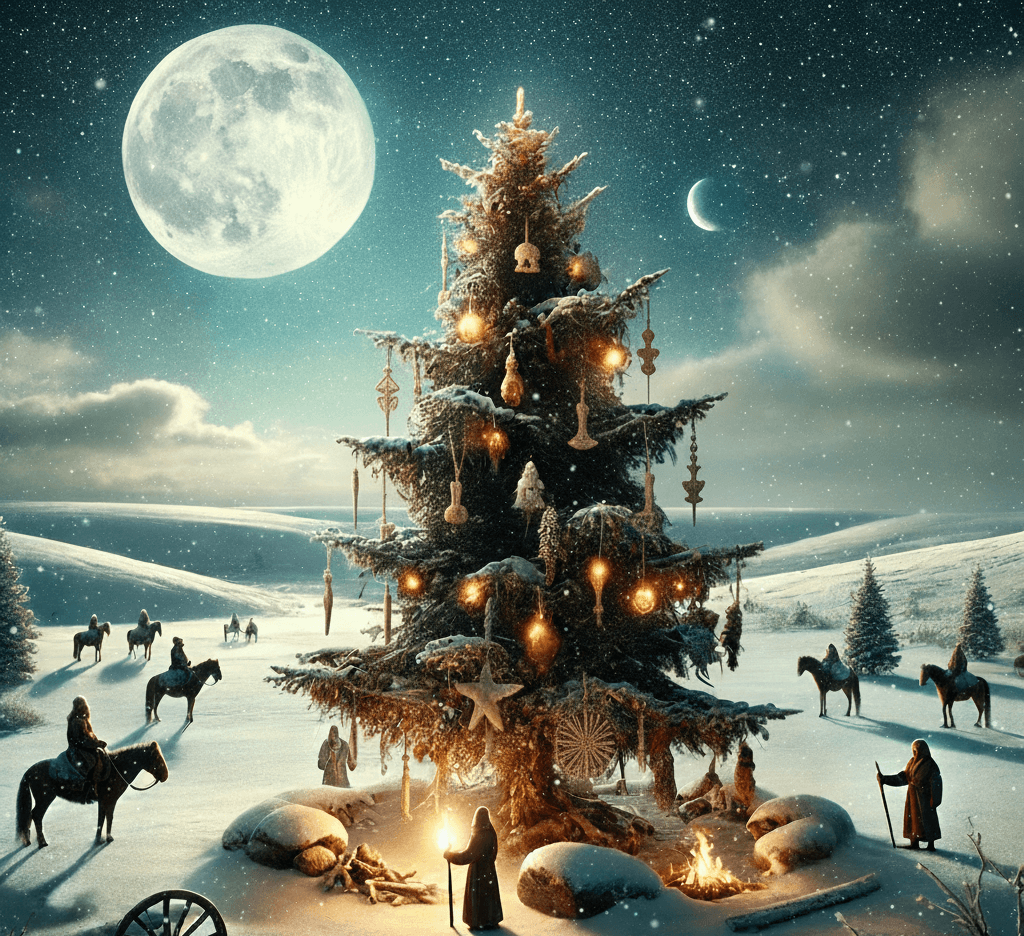
Nardugan Festival
Nardugan Bayramı is a New Year festival celebrated among certain Turkic communities during the winter season. This festival, which has been observed for approximately 3,200 years, symbolizes the rebirth of the sun, the shortening of the night, and the lengthening of the day. Its name is derived from the combination of the Mongolic word “nar” (sun) and the Turkish word “tugan” (born), meaning “new sun” or “birth of the new year.” Nardugan is celebrated with rituals that reflect the cyclical natur
EN
Nursena Güller
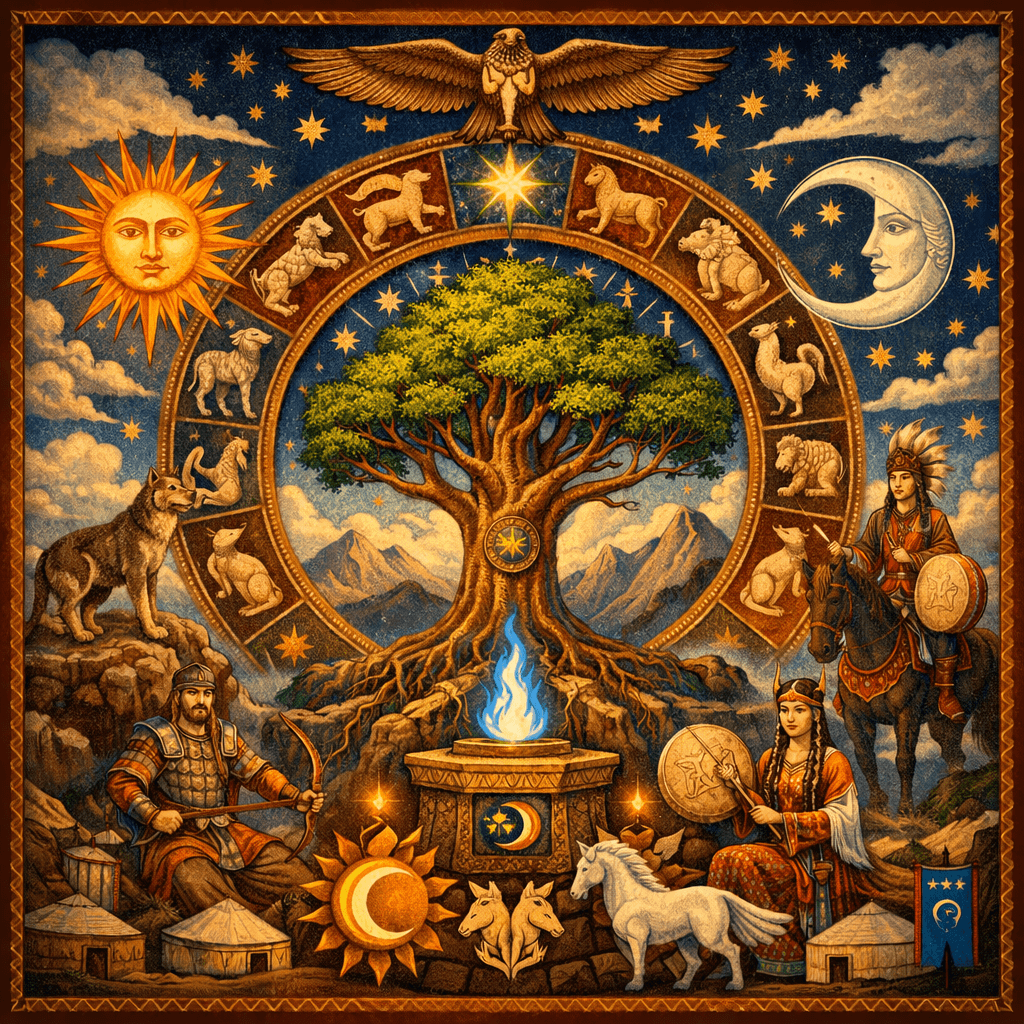
Turkish Astrology
Turkish astrology is an ancient cosmic interpretation system that integrates the movements of celestial bodies with the belief in the Sky God, cosmogony, mythological figures, cultural symbols and 12-Animal Turkish Calendar to organize daily life and conceptions of fate. In this system, the Sun and Moon are sacred entities. Stars, especially the North Star, play a central role. Years are designated by animal names; celestial events are interpreted through cultural and mythological meanings; lite
EN
Duygu Şahinler
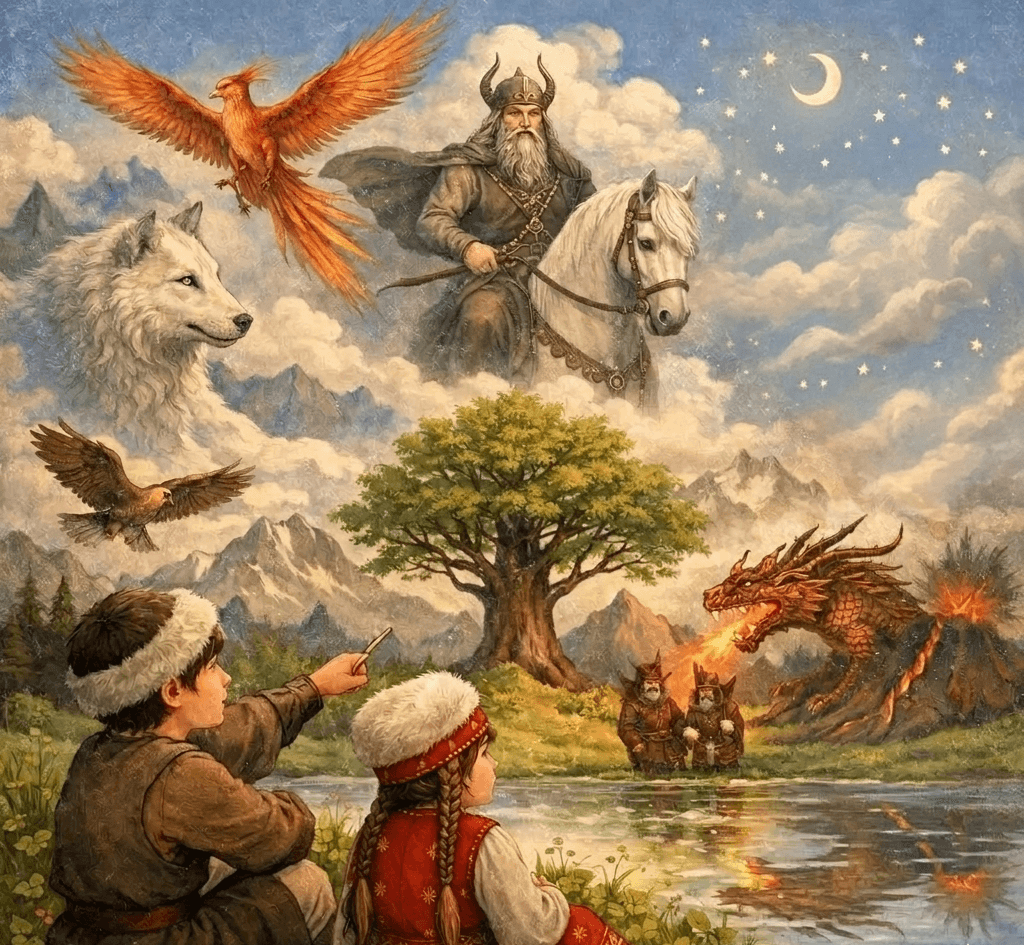
What Is Mythology?
Mythology consists of stories that describe the beliefs, gods, heroes, and natural phenomena of ancient societies. Myths are not merely products of imagination; they guide people in understanding the world, life, and social order. (Generated by artificial intelligence) ' image-element-format="right" image-height="1024" image-source="https://cdn.t3pedia.org/media/uploads/2026/03/09/NcZgsu0FeVa70KkvSzrNfcoBAWWcGW0m.png" image-width="1024"> Mythology develops children’s imagination and helps the
ENNursena Güller
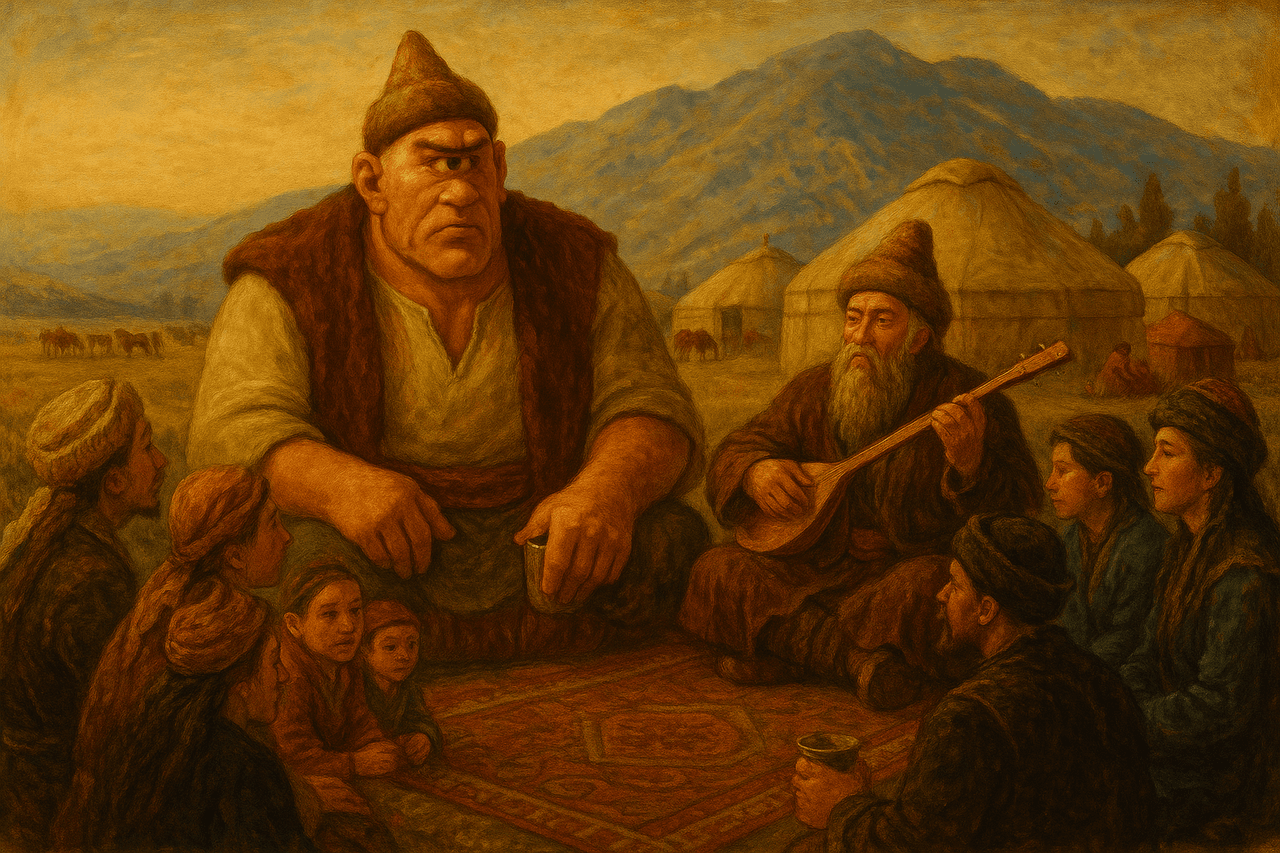
Tepegöz
Tepegöz is a significant character mentioned in Dede Korkut Kitabı, one of the foundational works of Turkish literature. His name appears 62 times in the eighth saga, titled “The Saga of Basat Killing Tepegöz.” The central theme of this saga revolves around a hero who defeats an extraordinary being threatening his homeland, thereby saving the Oghuz lands. The archetype of Tepegöz has mythological origins. Personality and Physical Characteristics Tepegöz is defined by his physical appearance; his
ENNeriman Çalışkan

The Tree of Life in Turkish Mythology
In Turkish mythology, the tree is regarded as a sacred entity directly connected to the creation of the universe, the order of heaven-earth-underworld, and the origin of humanity. In cultural memory, the tree serves as a channel conveying divine power to the world, a marker defining the center of the universe, and a symbol representing the continuity of life. In Turkish culture, sacred objects are not viewed as objects of worship themselves but as means of attaining connection with the divine. W
ENNeriman Çalışkan
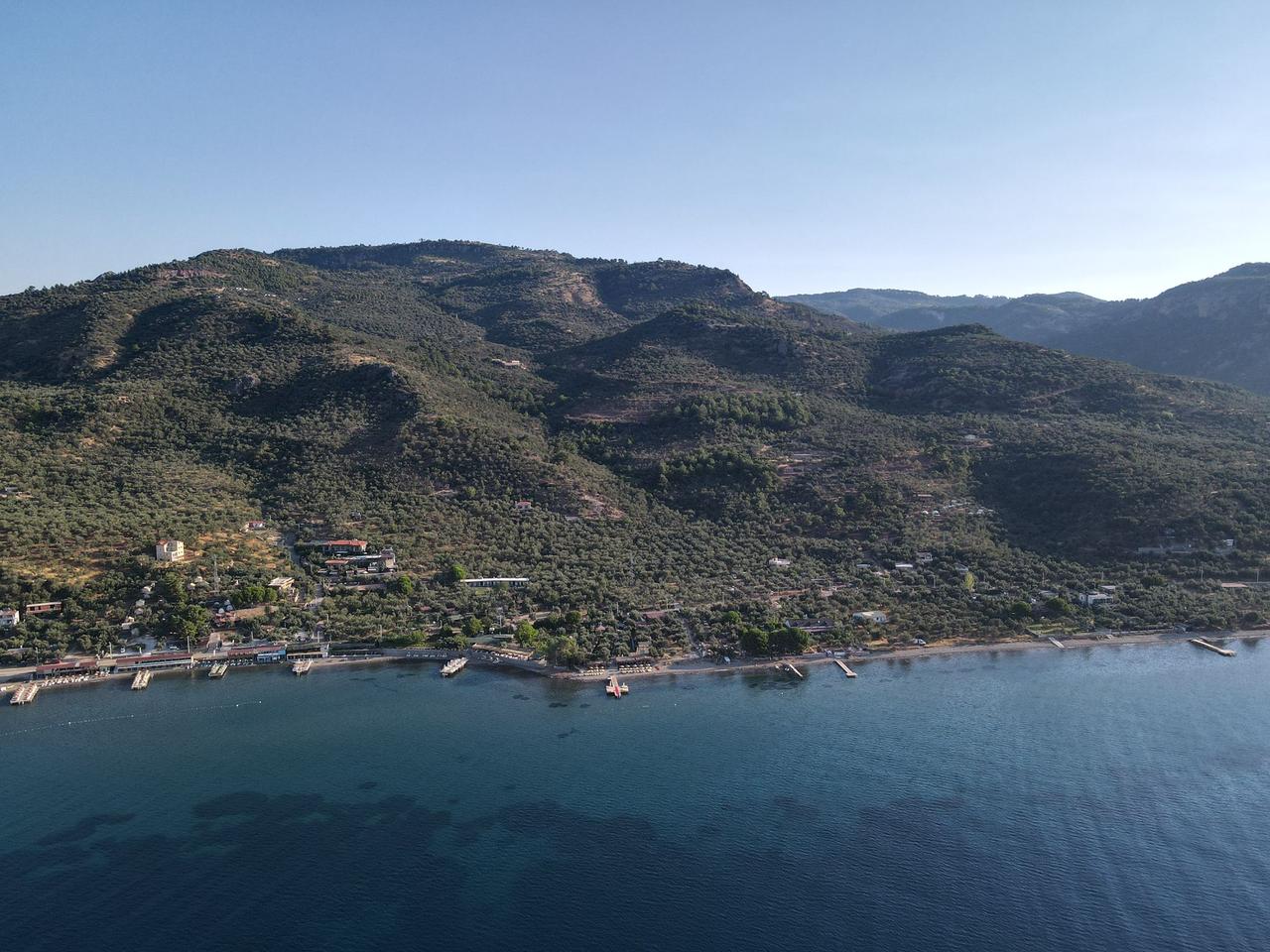
Sarıkız, who turned İda Mountain into Kazdağları
Does the name of a mountain change? Yes, it does. The alteration of geographical names often occurs through the convergence of political, cultural, and mythic elements that form a new narrative. These narratives, which we call toponymic narratives, are the very forces that transform land into homeland. Societies with a mythic consciousness regard even the lands they have never inhabited as their homeland. Societies without such a consciousness, meanwhile, unconsciously import myths from others.
ENDuygu Şahinler