

`turkish-civil-code` Related Article Results
 St
StState Succession
Succession law is the branch of LINK[0da400c9e0944d5] that regulates how a person’s estate (terekke) is transferred upon death, to whom and under what conditions. In this process, “legal heirs” are individuals who, by law and regardless of the deceased’s will, are entitled to inherit under the law system. Under Turkish Law, legal heirs determined by the group system are examined in two main groups: kinship and the surviving spouse. However, in special circumstances, even those outside these two
EN
İrem .
HiHidden Share and Heirs with Hidden Share
The reserved share refers to the portion of the inheritance that the deceased cannot freely dispose of through testamentary dispositions or inter vivos gifts, as it is legally protected in favor of specific statutory heirs. This institution limits the deceased’s freedom of disposal to ensure the inheritance rights of the closest family members are safeguarded. The deceased may only make testamentary dispositions concerning the portion of the estate that exceeds the reserved shares (the disposabl
ENYunus Emre Yüce
ÂhÂhkam-ı Şemsiye
Ahkam-ı Şahsiye is defined as the body of legal rules regulating individuals’ civil status, legal capacity, family relationships, and inheritance and other private law statuses. This concept holds central importance within the discipline of private international law (Private Law of States), particularly in determining the competent court and applicable law governing private law relations between individuals subject to different legal systems. In Turkish legal history, Ahkam-ı Şahsiye has been ad
EN
Denizcan Taşci
CeCertificate of Inheritance
Inheritance Certificate, commonly known as the succession order, is an official document that identifies the legal or designated heirs of a deceased person and specifies the proportion of the estate each heir is entitled to. This document enables heirs to prove their rights to the estate against third parties and serves as the primary instrument for conducting legal and financial transactions related to the estate, such as banking procedures and property transfers. Obtaining the Document and Com
ENYunus Emre Yüce

Prohibition of Lex Commissoria
The lex commissoria prohibition refers to the invalidation of contractual clauses agreed upon by the parties prior to the debt becoming due, which provide that in the event of non-performance, the asset pledged as collateral—or the pledged receivable—shall pass directly to the pledgee’s ownership. This prohibition, regulated under Article 873, paragraph two, of the Turkish Civil Code, aims to prevent the creditor from unfairly benefiting from the debtor’s economic vulnerability and to protect th
ENZeynep Zelal Kankaya
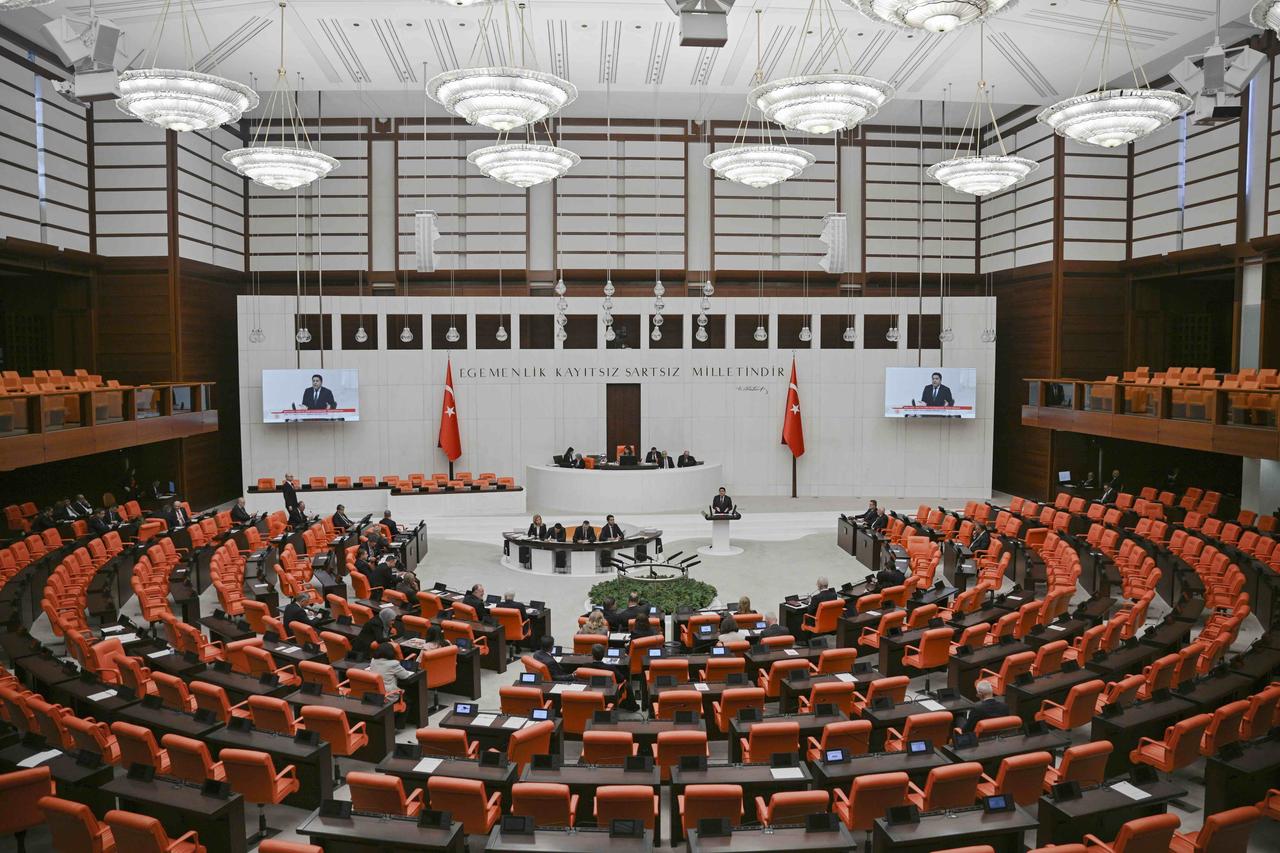
12th Judicial Package of the Republic of Türkiye
Bill on Amendments to Certain Laws for the Effective and Efficient Administration of Justice, known in public discourse as the 12th Justice Package, is a legislative proposal.【1】 The proposal was prepared under the framework of the 4th Justice Reform Strategy Document announced by President Recep Tayyip Erdoğan. The 4th Justice Reform Strategy Document, prepared by the Ministry of Justice and made public on 23 January 2025, established as its core vision the creation of a legal system based on t
EN
Edanur Karakoç