

`turkic-mythology` Related Article Results
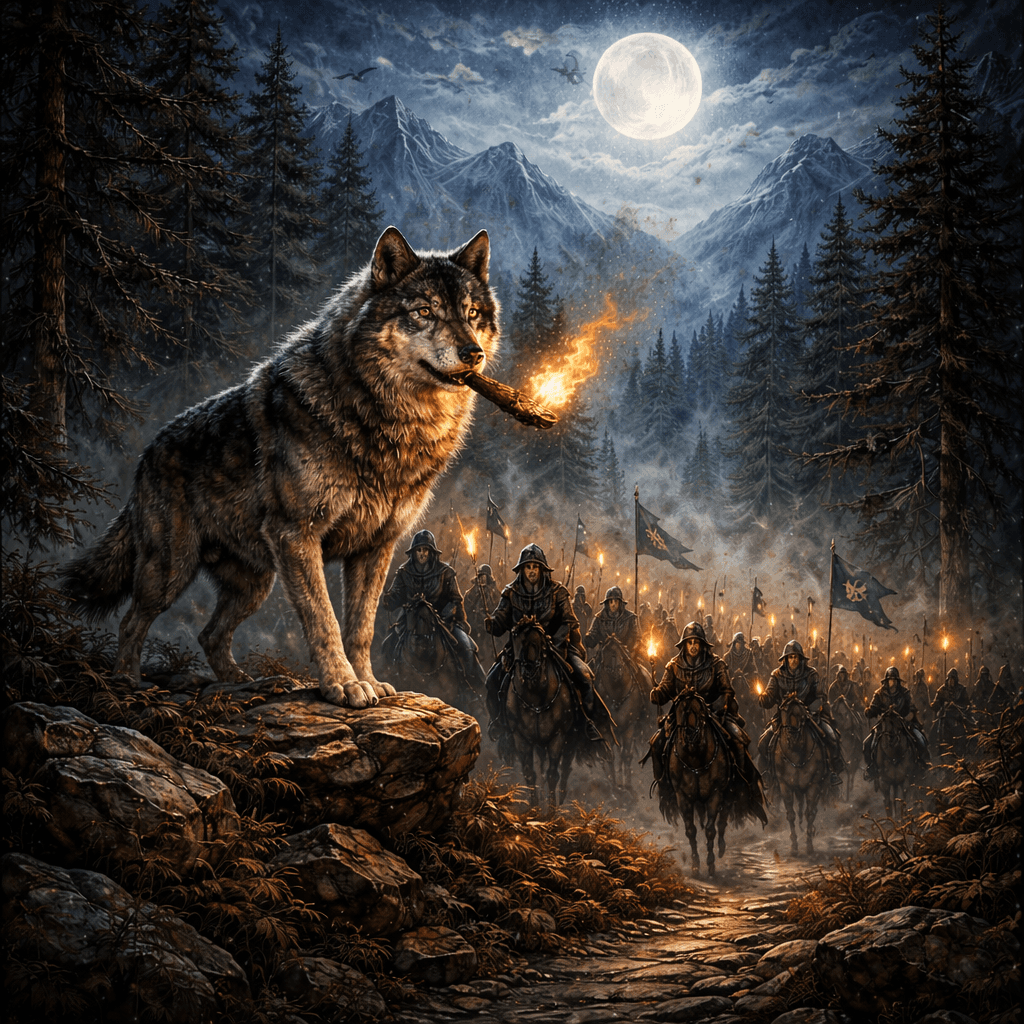
Turkish Mythology
Turkish mythology encompasses the beliefs, rituals, and narratives developed by Turkic peoples since prehistoric times regarding supernatural beings, the origin of the universe and humanity, and their ancestors. Mythological narratives are found nearly everywhere Turkic communities have settled. The mythological elements of the Turkic peoples, who spread across a vast geography from the Central Asia steppes to the interior of Europe, from the Siberian steppes to Africa, have influenced these reg
EN
Duygu Şahinler
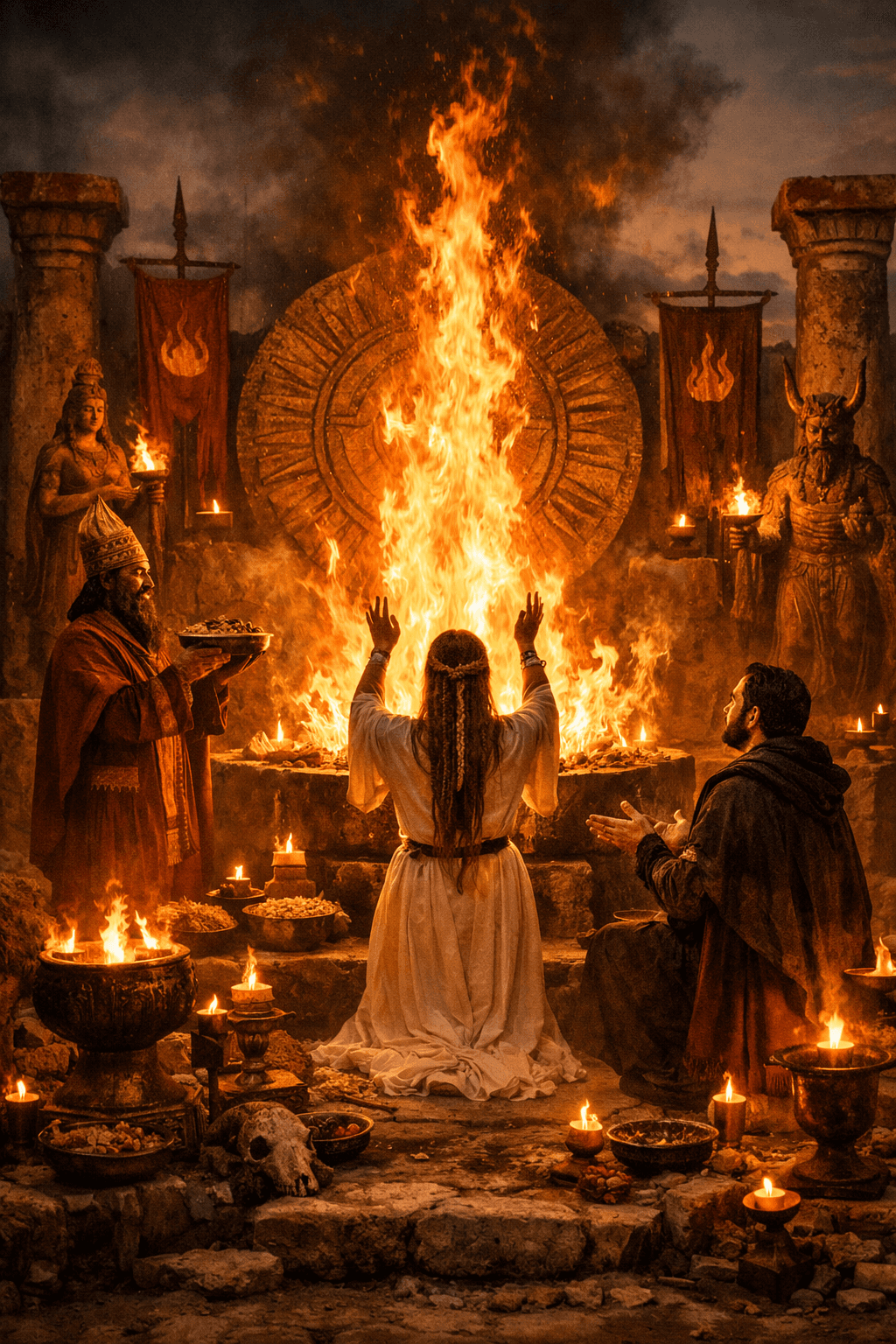
Fire Cult in Turkish Mythology
The Fire Cult in Turkish Mythology refers to the totality of beliefs and practices that emerged from the ancient Turkish belief system in which fire was regarded as a being endowed with a “soul” and treated as a living entity. These beliefs and practices revolve around the functions of purification protection healing and connection with the sacred. Within this framework fire is not viewed merely as an ordinary element fulfilling daily needs but as a “sacred” instrument surrounded by specific rul
EN
Almina Ecenur Ergünay
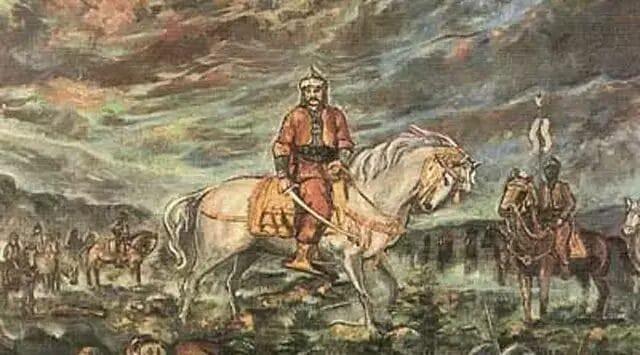
Turkish Creation Epic (Radloff Collection)
The Creation Epic is one of the oldest and most fundamental narratives in Turkic mythology. This oral tradition explains the creation of the universe, the origin of good and evil, and how cosmic order was established; it was collected among the Altai Turks in the 19th century by Wilhelm Radloff. The epic is not merely a mythological fiction but also a symbolic expression of the ancient Turkic belief systems and worldview. Mythological Context The Creation Epic was shaped particularly by shamanis
EN
Nursena Şahin
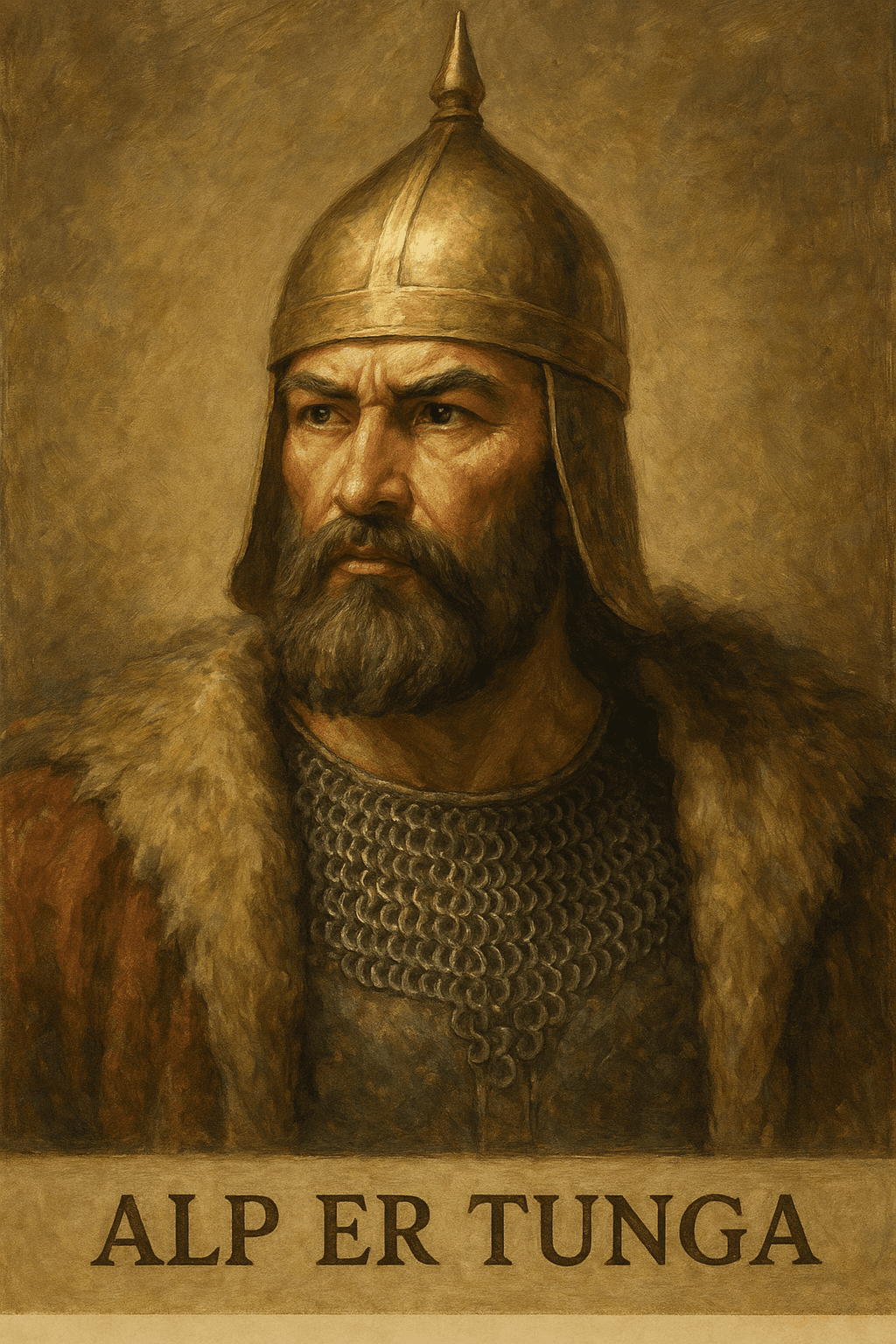
Alp Er Tunga
Alp Er Tunga is a significant figure in Turkic mythology and early Turkic historical narratives, possessing both legendary and historical identities. His name appears in Kaşgarlı Mahmud’s 11th-century work Dîvânu Lugâti’t-Türk, where he is elevated not merely as a warrior but as a khagan. This character, known in Iranian mythology as Efrasiyab, is portrayed in Ferdowsi’s epic Shahnameh as an enemy ruler. Alp Er Tunga occupies a central position in the political, military, and literary structure
EN
Ufuk Yarar

The Dragon Motif in Turkish Mythology
The dragon in Turkish mythology is a mythical creature with diverse attributes, serving both as a fearsome and a benevolent symbol. Its origins trace back to the Persian words "Ajdahak" or "Ajdaha," which in Turkish also carry the meaning of "universe." This winged figure, capable of breathing fire and flying, frequently appears in epic texts, folktales, legends, and songs as part of oral traditions. Origin and Nomenclature The word "ejderha" is of Persian origin and corresponds to the English t
EN
Elif Laçin
 Or
OrOrigin Epic
Türeyiş Destanı is a mythological and historical narrative that recounts the origins, salvation from extinction, and rebirth of the Turkish people. Within Turkish cultural history, this epic is regarded as a “origin myth” that not only explains how a lineage began but also encompasses the values, cosmological understanding, and sacred symbols of Turkish society. The epic describes how Turkish communities, particularly the Göktürks and Uyghurs, reemerged after catastrophic events such as genocide
EN
Yahya B. Keskin

Mercurius (Markut)
Merküt (also Markut, Burkut) is a sacred sky bird in the mythologies of Turkic peoples, particularly the Altai, Yakut, and Kyrgyz Turks, taking the form of an eagle. It is regarded as both an ancestral spirit and a powerful entity that guides shamans on their celestial journeys. With its immense size and strength, Merküt holds a supernatural status and is an essential symbol in Turkic cosmology, deeply intertwined with beliefs about creation, lineage, and shamanism. Its Place and Significance in
EN
Mehtap Pamuk
Umay
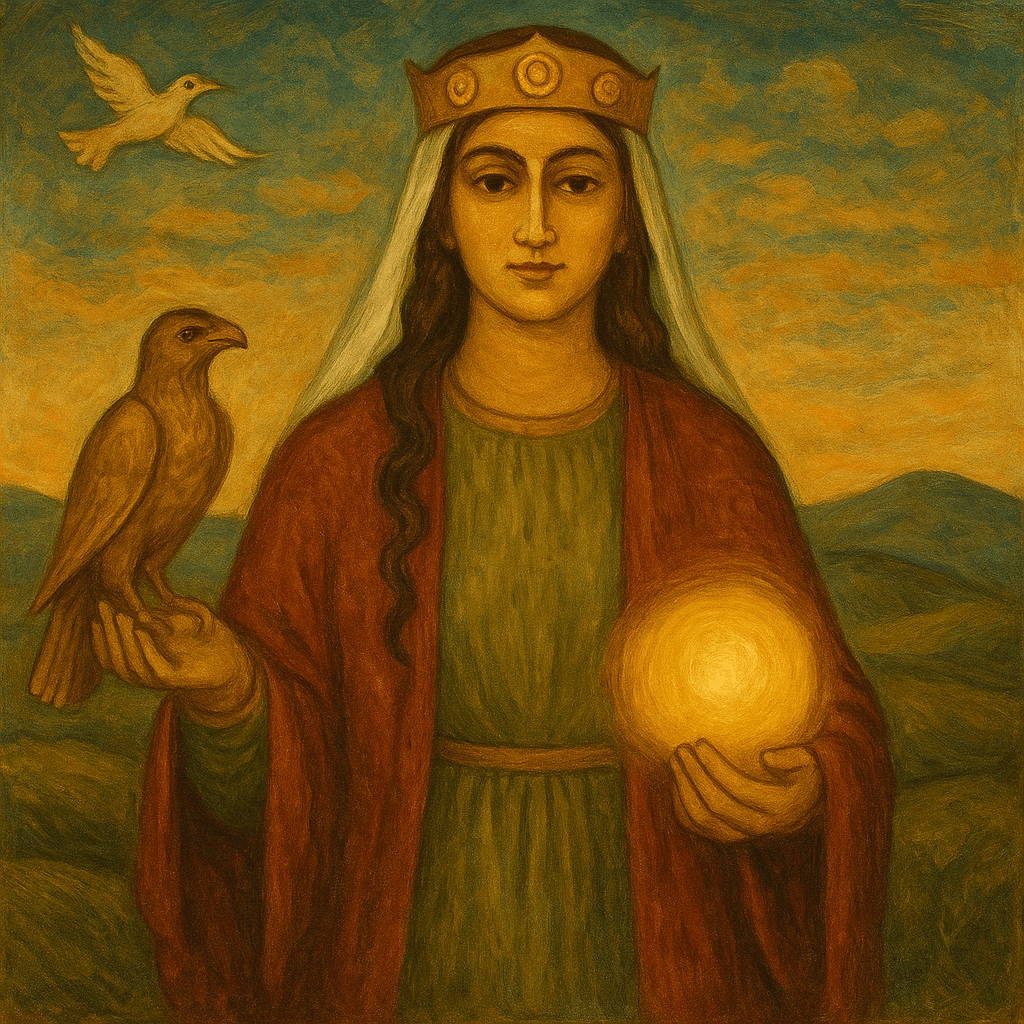
Umay is a sacred entity regarded as the protector of fertility, abundance, and children's. In Göktürk inscriptions, Umay is mentioned by names such as “Umay,” “Umay Ene,” “Ubay Ene,” or “Kuş Ene” among many Turkic communities of Central Asia. Believed to have descended from the sky, this goddess was considered a powerful force in ensuring women’s fertility and safeguarding the spiritual and physical well-being of children. Mythological Characteristics and Symbols Umay is particularly regarded as
EN
Neriman Çalışkan
There Was, and There Still Is
While the gods hurled lightning from the heavens, humans prayed. Giants climbed mountains, dragons waited by the seas. And someone, just like us, gazed at the stars at night, searching for meaning in that infinite void. This journey beyond time would begin with myths, epics, ancient deities, and forgotten peoples—sometimes following the trail of a wolf, sometimes hearing the whisper of a serpent... Within every tale that begins with “Once there was...” lies a fragment of truth waiting to be disc
EN
Nefise Karabacak
Kübey Hatun
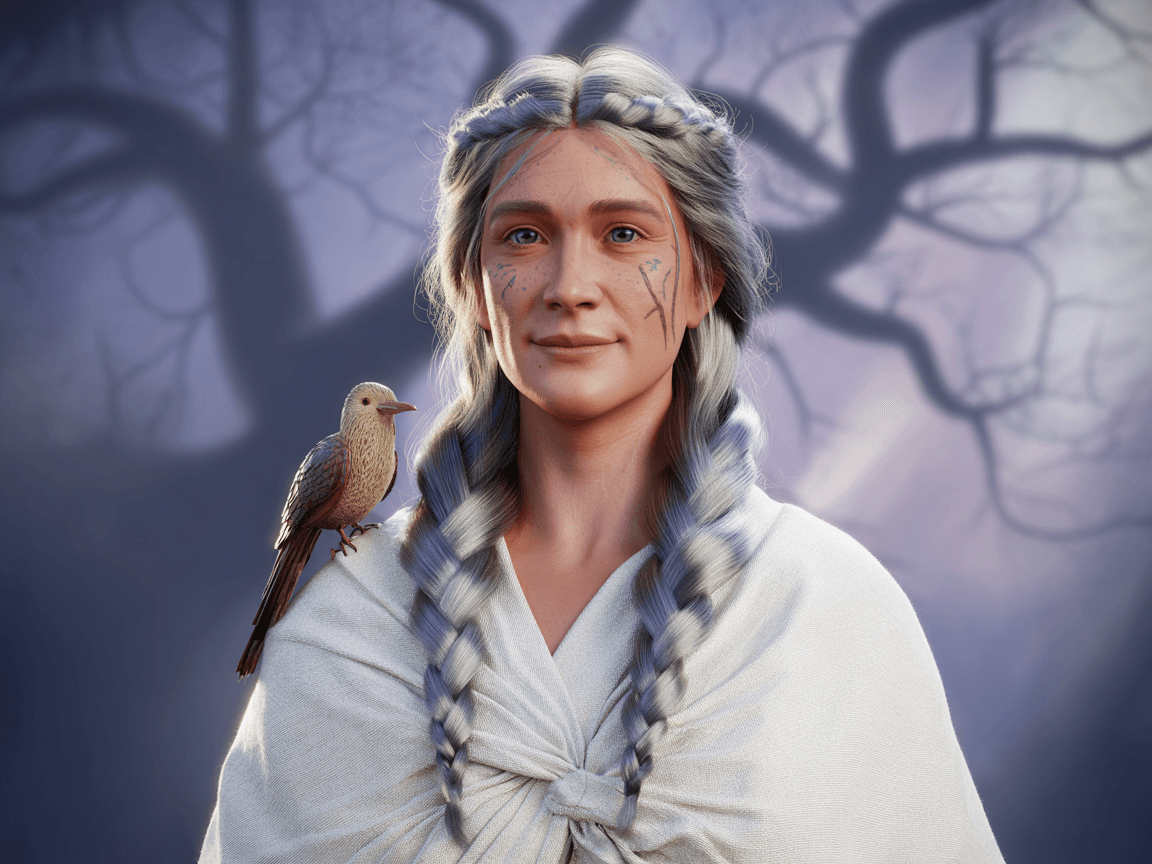
Kübey Hatun (also known as Kubay Ana) is one of the most important goddesses in Turkic mythology, particularly within the Saka (Yakut) branch. Responsible for birth, fertility, children, and the continuity of lineage, Kübey Hatun is directly associated with the Tree of Life and the Milk Lake in the celestial realm. She is a life-giving (creative) and protective (apotropaic) maternal spirit. Her most fundamental duty is to retrieve the souls (kut) of unborn children from the divine source and del
ENMehtap Pamuk