

`turk-islamic-art` Related Article Results
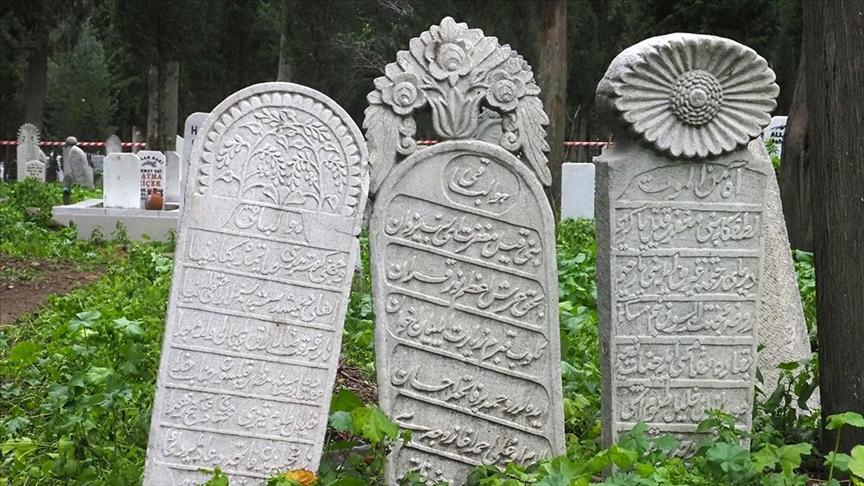
Ottoman Tombstones
Ottoman tombstones are important cultural heritage elements that reflect the aesthetic understanding of Turkish-Islamic art and provide information about the social, cultural, and religious life of their time. These stones contain details regarding individuals’ identities, professions, statuses, and life stories, while also serving as artistic objects enriched by calligraphy, stone craftsmanship, and symbolic motifs. Throughout history, these monuments, which evolved from Central Asian tradition
EN
Elif Laçin
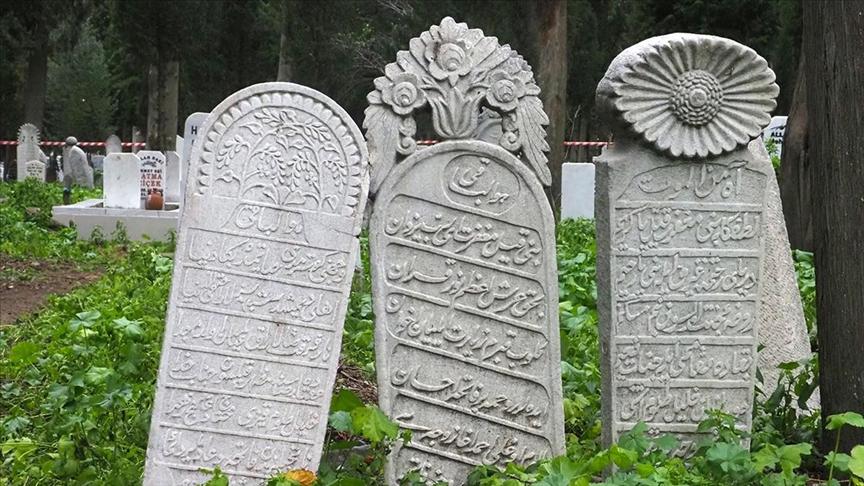
Ottoman Tombstones
Ottoman tombstones are important cultural heritage elements that reflect the aesthetic understanding of Turkish-Islamic art and provide information about the social, cultural, and religious life of their time. These stones contain details regarding individuals’ identities, professions, statuses, and life stories, and constitute artistic objects enriched with calligraphy, stonemasonry, and symbolic motifs. Throughout history, these monuments, which evolved from Central Asian traditions and merged
EN
Elif Laçin
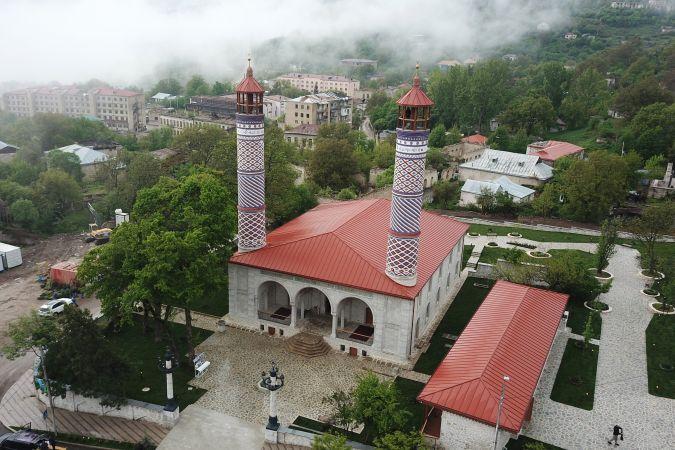
Shusha Upper Gövher Ağa Camii
Yukarı Gövher Ağa Camii is located in the city of Shusha, within the Nagorno-Karabakh region of Azerbaijan, and was constructed in the 19th century. It is regarded as one of the finest examples of Turkic-Islamic architecture in Azerbaijan. The mosque was built between 1883 and 1885 at the initiative of Gövher Ağa, daughter of Karabakh Khan Ibrahim Khalil Khan, with the architect being the renowned Azerbaijani master Kerbelayi Sefi Han. The structure is the first of Shusha’s two-minaret mosques,
EN
Fatih Atalay
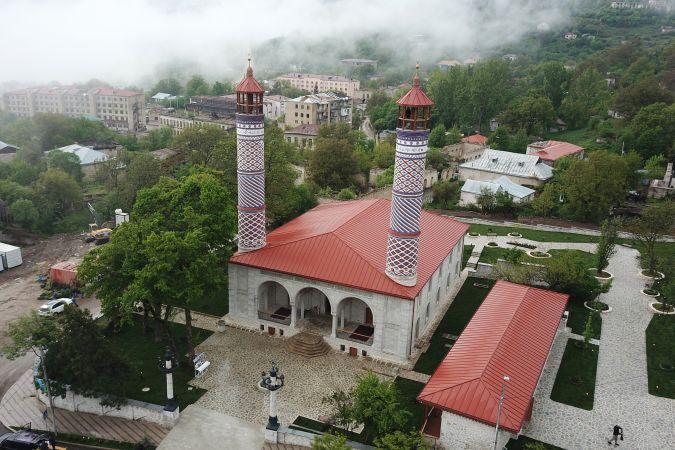
Shusha Upper Gövher Ağa Camii
Yukarı Gövher Ağa Camii is located in the city of Shusha, within the Nagorno-Karabakh region of Azerbaijan, and was constructed in the 19th century. It is regarded as one of the finest examples of Turkic-Islamic architecture in Azerbaijan. The mosque was built between 1883 and 1885 at the initiative of Gövher Ağa, daughter of Ibrahim Khalil Khan, the ruler of the Karabakh Khanate, with the architect being the renowned Azerbaijani master Kerbelayi Sefi Han. The structure is notable as the first t
ENFatih Atalay