

`tulip` Related Article Results
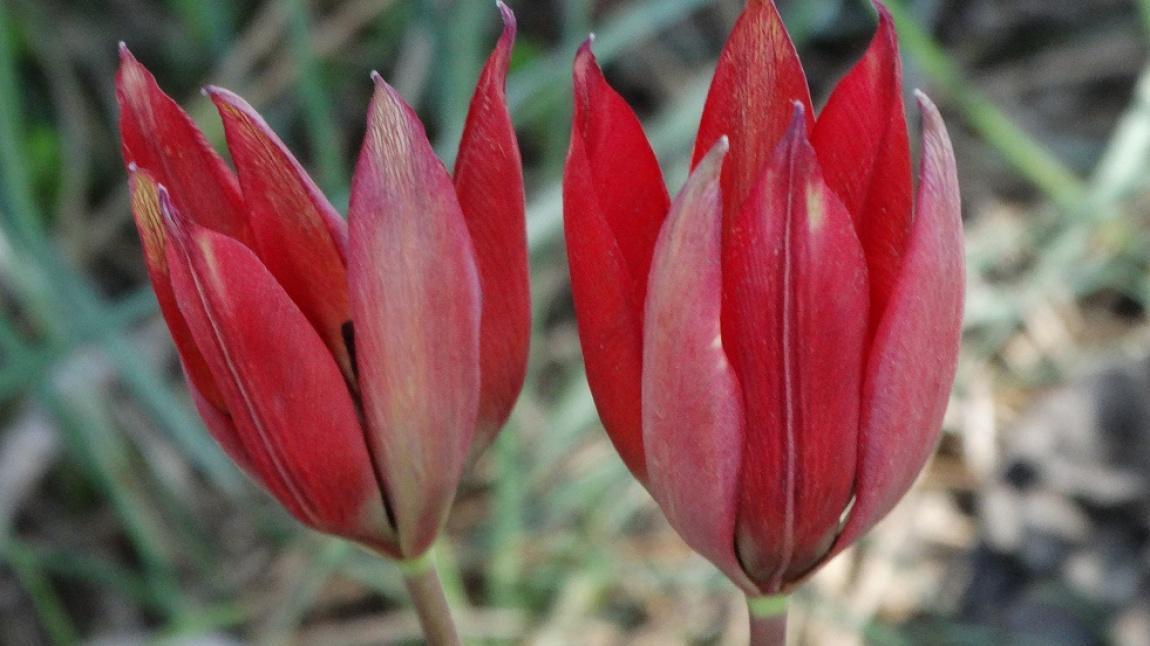
Manisa Lily (Tulipa orphanidea)
Manisa Tulip (Tulipa orphanidea) is an endemic plant species native to western Türkiye. It has a limited distribution, primarily growing in the Spil Mountain National Park. It blooms only once a year, during April and May, with a flowering period lasting approximately 15 to 20 days. Morphological Characteristics The Manisa Tulip reaches a height of 15 to 25 centimetres and typically has a slender, upright stem. Its leaves are greyish-green and strap-shaped. The flowers are usually orange, reddis
EN
Helin Aksoy
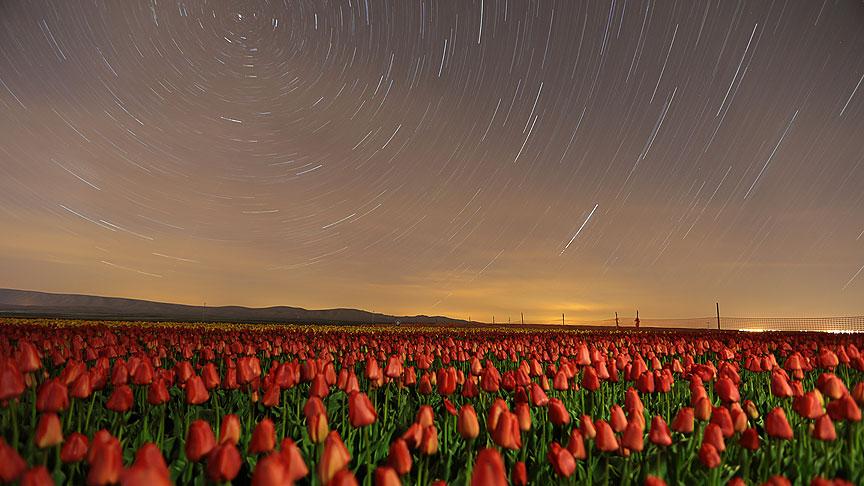
The Journey of the Tulip in Turkish Culture
Cultural symbols are powerful indicators that reflect a society’s aesthetic understanding, historical experience, and way of perceiving the world. In this context, the tulip in Turk culture history is not merely an ornamental plant; it carries a multilayered world of meaning deeply interwoven with art, literature, belief, and daily life. For centuries, the tulip found its place across a wide spectrum—from gardens to poetry, from architecture to decorative arts—and gradually transcended its role
EN
Nursena Şahin
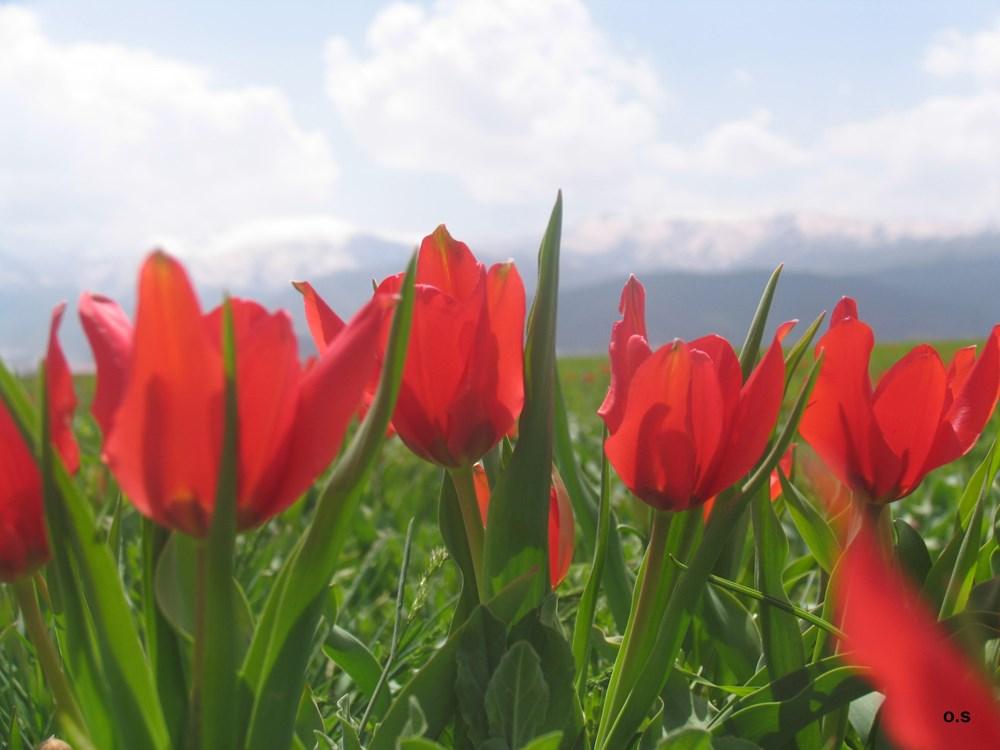
The Muş Tulip
The Muş tulip (Tulipa armena Boiss.) is an endemic plant species naturally found in the eastern regions of Türkiye, particularly in and around the Muş province. Belonging to the Liliaceae family, this species thrives under specific ecological conditions and has a limited geographical distribution. Due to its distinct morphological and taxonomic characteristics, T. armena has been the subject of various scientific studies. Furthermore, it is listed among the plant species under legal protection.
EN
Zehra Yayla

Istanbul Tulip Festival
History of Istanbul Tulip Festival The Istanbul Tulip Festival is a cultural event that has been organized by the Istanbul Metropolitan Municipality since 2006. However, the roots of this festival date back to the Ottoman period. The Place of Tulips in Ottoman and Turkish Culture Tulips gained great popularity in the Ottoman Empire from the 16th century, especially around the palace. During the 18th century, the period known as the Tulip Era (1718–1730), tulips became widespread in daily life an
ENGüzide Uygun