

`tuberculosis` Related Article Results
 Sı
SıSıraca
Origin It derives from the Persian word sirāca (سراجه), meaning "a disease of horses." Applications Medicine: Used to describe tuberculosis-related conditions appearing in the neck and lymph nodes. Pathology: Used to denote specific lymph gland infections that cause inflamed and draining skin lesions. Pediatrics: Used to characterize such forms of cutaneous tuberculosis commonly observed in young children and adolescents. Folk Medicine and Traditional Medicine: Used to refer to types of tubercul
EN
ZUŞAN ÖNER

Tuberculosis Education and Awareness Week
Tuberculosis Education and Awareness Week in Türkiye is an annual event held between 5–11 January, spanning the week beginning on the first Sunday of January, aimed at raising public awareness and providing information about tuberculosis. The Ministry of National Education also refers to this week as the Tuberculosis War Education Week. During the week, efforts to combat tuberculosis are promoted, the public is educated, and preventive measures are emphasized. Activities include seminars, educat
EN
Nursena Güller
WoWorld Tuberculosis Day
World Tuberculosis Day is observed annually on March 24 to raise awareness about tuberculosis (TB) and to strengthen efforts aimed at eradicating the disease globally. The day highlights the importance of TB diagnosis, treatment and control, while also emphasizing the disease’s impact on public health, social life and the economy. It aims to promote national and international cooperation to prevent TB, ensure early detection and improve access to treatment, as tuberculosis remains a significant
ENNursena Güller
Tuberculosis
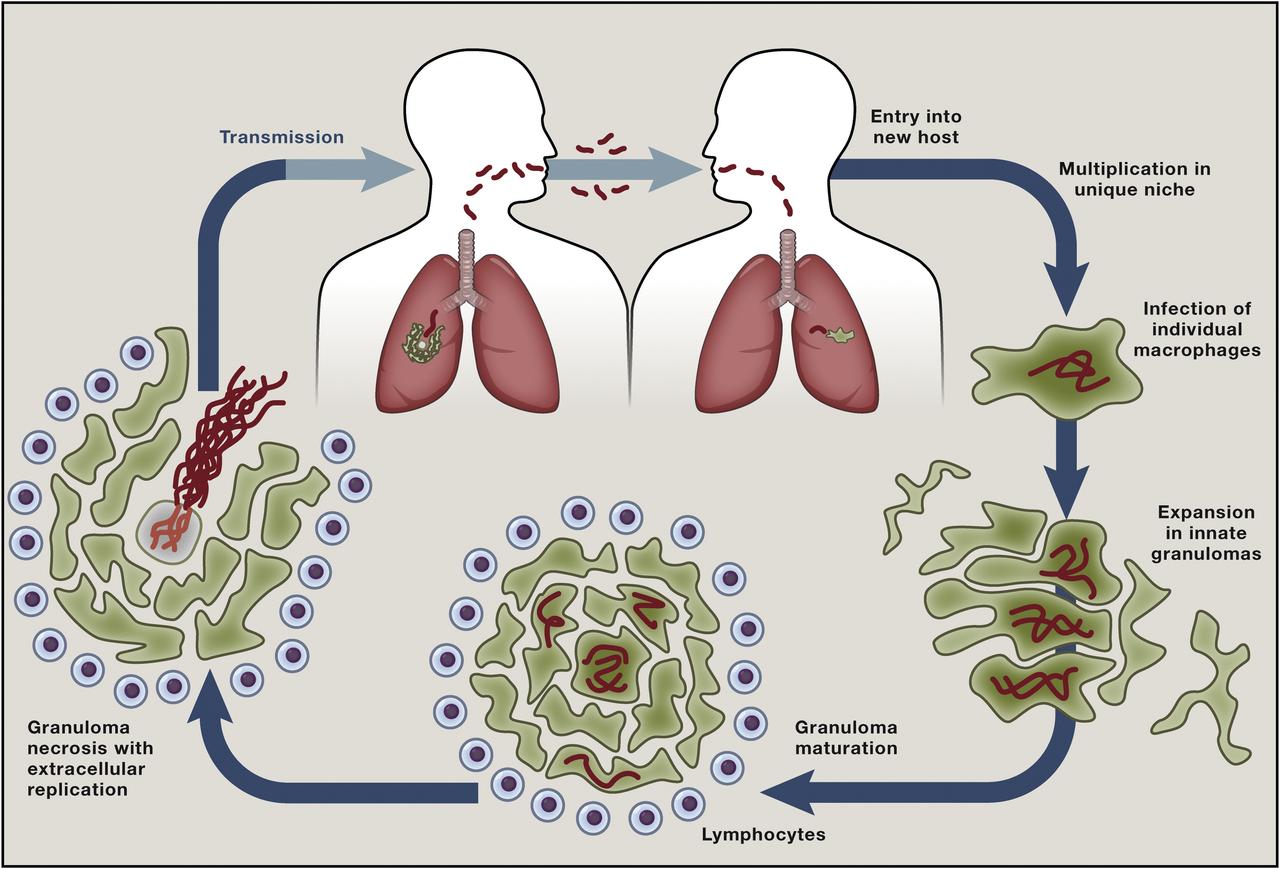
Tuberculosis has been one of the most lethal infectious diseases throughout human history. The causative agent, Mycobacterium tuberculosis, is a pathogen capable of evading the host immune system through sophisticated mechanisms and remaining latent within the body for extended periods. According to the World Health Organization (WHO), approximately one quarter of the global population is infected with M. tuberculosis, and millions of new cases are reported annually. Due to these characteristics
EN
Muhammed Yusuf Yılmaz
MyMycobacterium tuberculosis
Mycobacterium tuberculosis is one of the oldest and most significant pathogens in human history and the causative agent of tuberculosis. The bacterium was first identified in 1882 by German physician Robert Koch, a discovery regarded as one of the most critical breakthroughs in microbiology. Koch’s achievement was awarded the Nobel Prize in Physiology or Medicine in 1905. Today, despite advances in diagnostic and therapeutic methods, M. tuberculosis remains a major public health concern, particu
EN
PINAR GÜNER
Franz Kafka
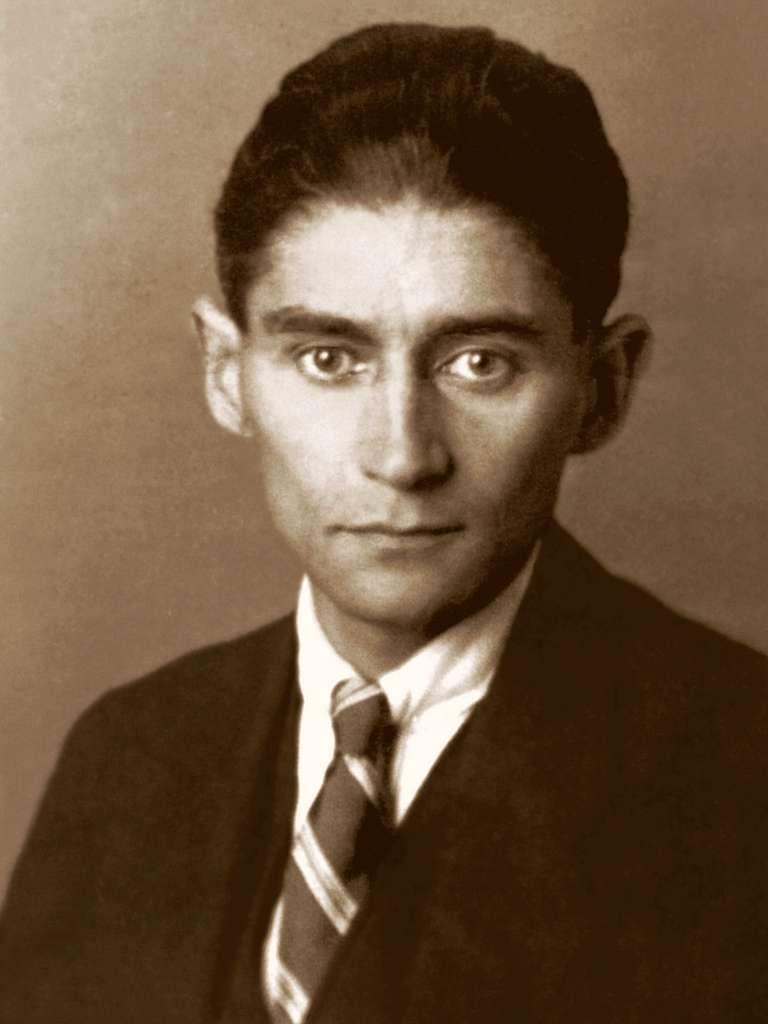
Franz Kafka was born on 3 July 1883 in Prague, then part of the Austro-Hungarian Empire, in an old apartment near the boundary of the Jewish ghetto. His father, Hermann Kafka, rose from a poor Jewish family to become a merchant, while his mother, Julie Kafka, came from a wealthy German-speaking Jewish family. Both parents were engaged in commerce. Of the six children in the family, Kafka was the eldest; two of his brothers, George and Heinrich, died in childhood, and his three sisters, Elli, Val
EN
Nursena Şahin