

`traditional-food` Related Article Results
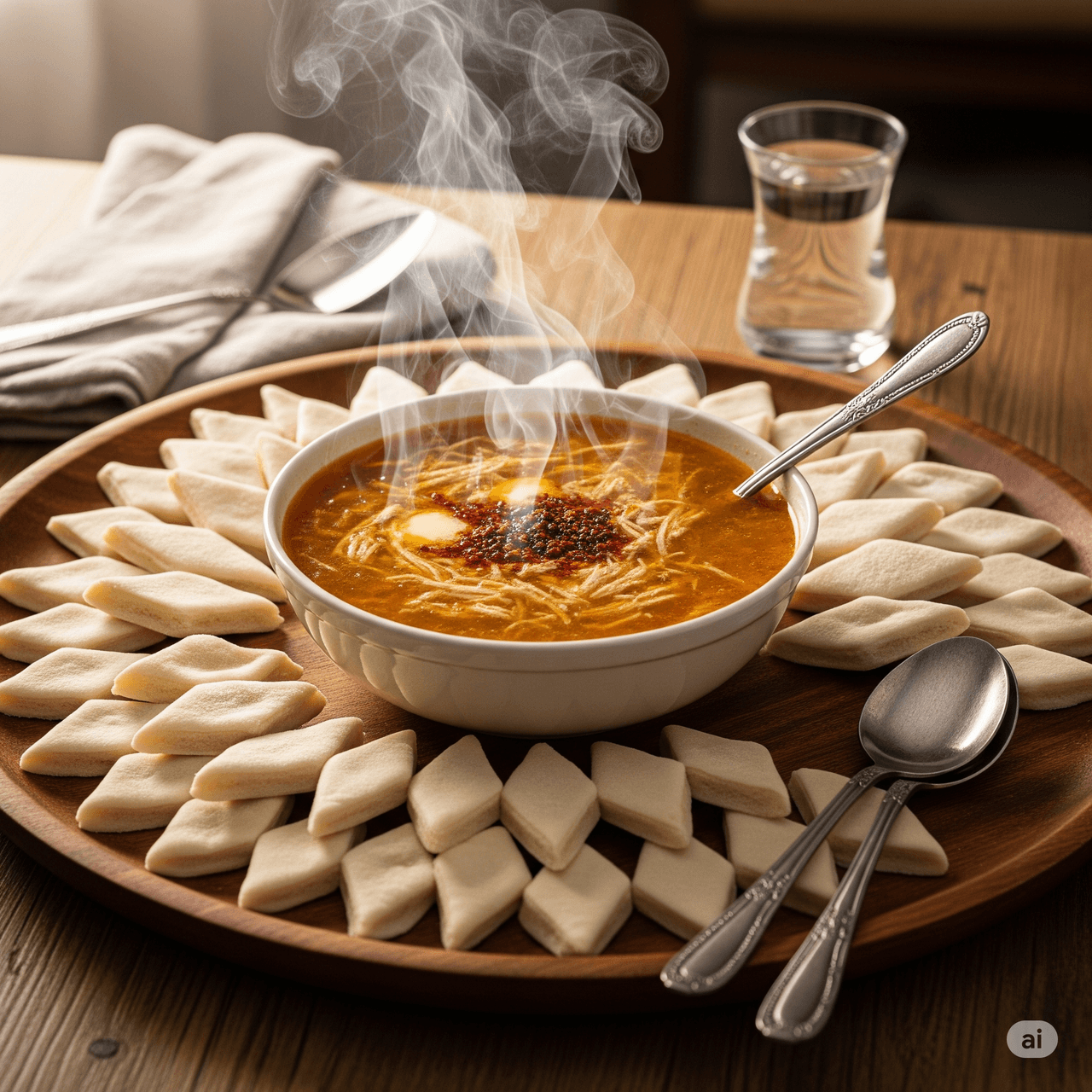
Sivrihisar Arabaşı
Arabaşı is a traditional dish unique to Sivrihisar. It is typically prepared with dough and meat broth and served hot during winter months to warm the table. People enjoy sharing this flavor on special occasions. Arabaşı is both filling and nutritious. History Sivrihisar Arabaşı has been prepared by the local population for centuries. It is a culinary tradition passed down from generation to generation. In the past, families would gather to roll out the dough and prepare the meat broth. This dis
EN
İbrahim Filiz
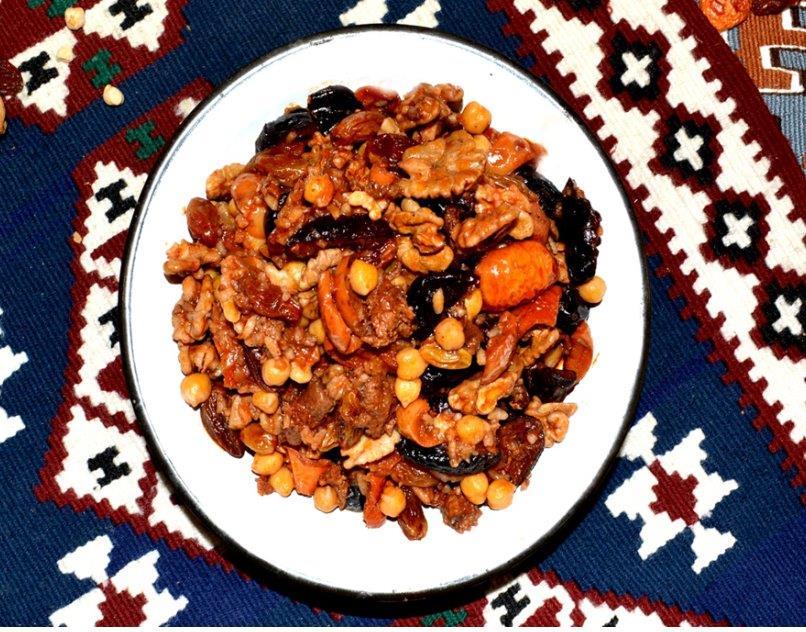
Hakkari Girara Huluga
Hakkari Girara Huluga is a traditional dish specific to Hakkari Province in Türkiye, combining sweet, sour, and salty flavors. It is prepared using dried fruits, meat stew, legumes, and cereals together. Girara Huluga has been known in Hakkari for a long time and has been passed down through generations. It has traditionally been served on festive occasions such as holidays, weddings, and communal ceremonies. Geographical Indication Details Hakkari Girara Huluga was registered as a geographical
EN
Sinem Bostan
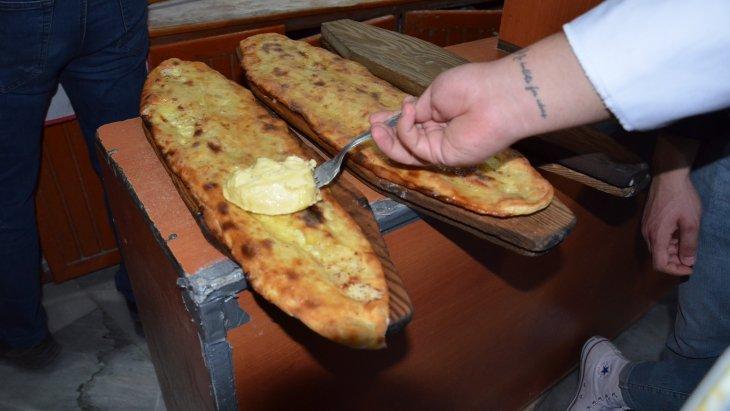
Emet Pide
Emet pide is a traditional food product with a history of over 100 years in the Emet district. It holds an important place in the district’s culinary culture and economy. The pide is produced as a closed product by placing goat cheese between two layers of dough that are separately rolled out and baked in a stone oven over wood fire. The product’s history extends back to the early years of the Republic. Due to its preparation using local ingredients and traditional cooking methods, Emet pide exh
EN
Zelal Çakar
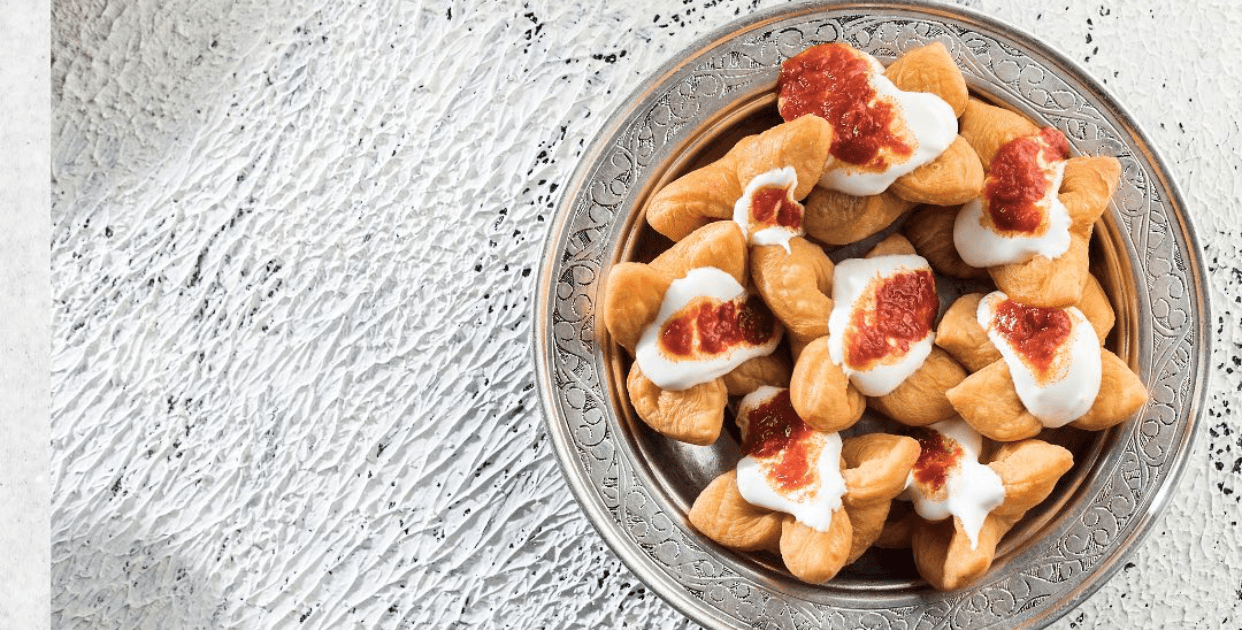
Kayseri Oil Mantı
Kayseri Yağ Mantısı is a traditional Turkish dish specific to the province of Kayseri and has been registered as a geographical indication under Law No. 6769 on Industrial Property. This product, applied for by the Kayseri Chamber of Commerce on 7 June 2021, was officially protected as a geographical indication on 20 January 2022. The dish holds an important place in Kayseri’s culinary culture and is distinguished by its unique preparation method and cultural value. Definition and Distinguishing
EN
Elif Laçin
 Di
DiDiyarbakır Nardan Aşı
Diyarbakır Nardan Aşı is a traditional dish prepared using pomegranate juice, along with fine cracked wheat (simindirik), walnut kernels, dried onion, tomato paste, chickpeas, and lean beef mince. This dish has deep roots in Diyarbakır’s culinary culture and is commonly served on special occasions such as funerals, holidays, and weddings. Due to its uniqueness and geographical ties, it has been officially registered by the Turkish Patent and Trademark Office, with the registration aiming to pres
EN
Şule Bozkurt
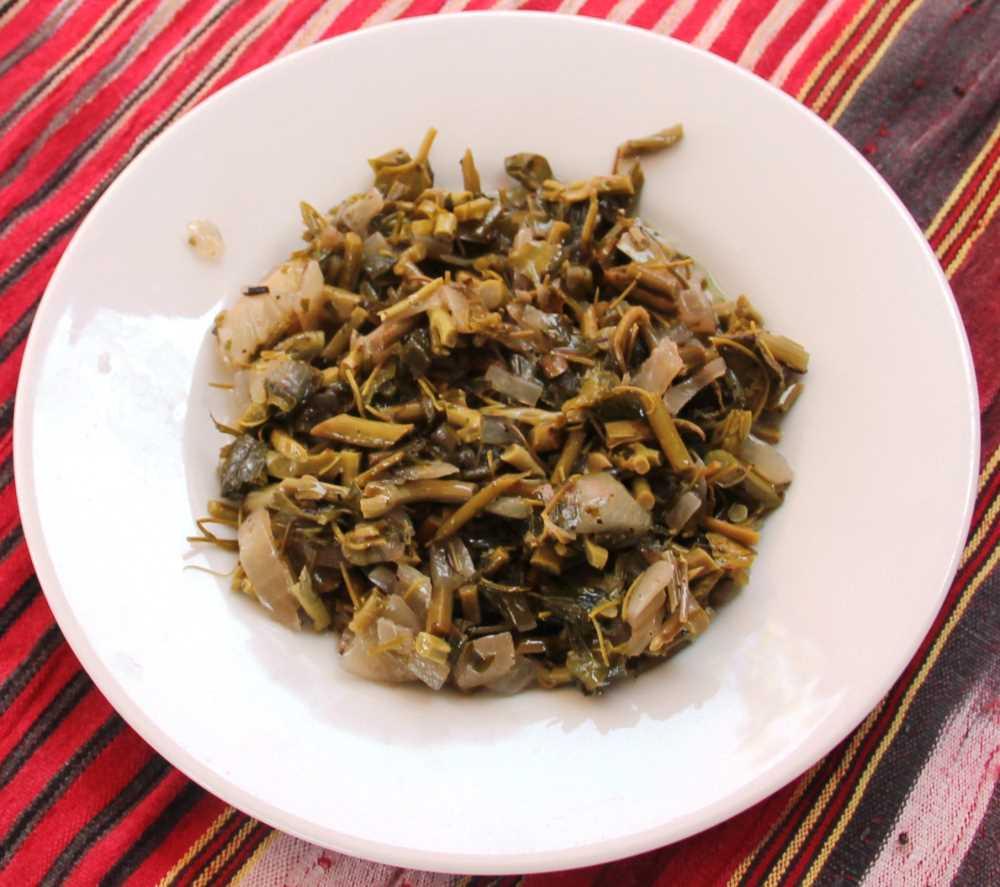
Ordu Melocan Kavurması
A traditional dish made from a perennial, climbing, thorny plant known locally in the Ordu region as dikenucu, melevcan, or melocan, with the Latin botanical name Smilax excelsa L. and a slightly sour taste. Melocan grows naturally in Ordu’s forested and shrubby areas. Its young shoot tips are harvested in April and May and consumed fresh, canned, or pickled until the end of September. Ordu Melocan Kavurması is prepared by sautéing boiled melocan with onion or leek. Optionally, an egg may be cra
EN
Efecan Pelit
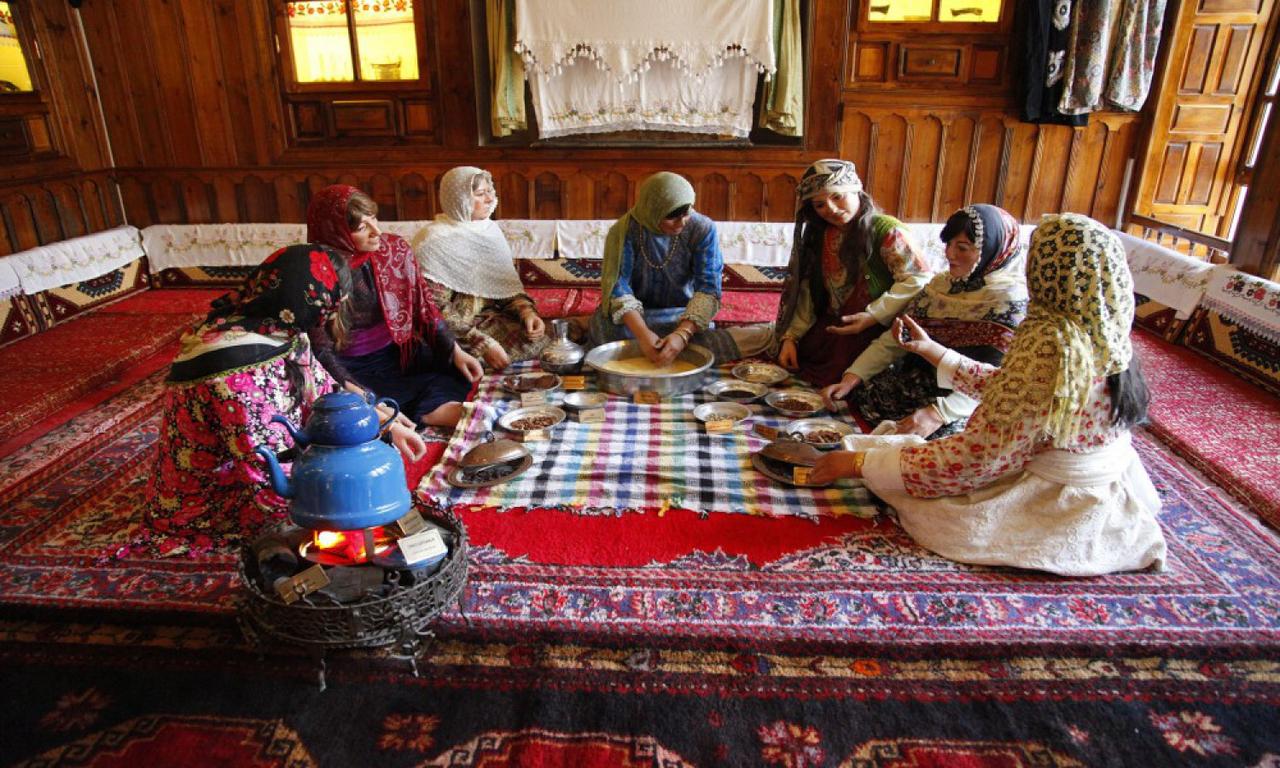
Şanlıurfa Culinary Museum
Şanlıurfa Culinary Museum is a thematic museum established to preserve, document, and present the rich culinary culture of Türkiye’s southeastern region. Opened in 2011 by the Şanlıurfa Metropolitan Municipality, the museum exhibits a wide range of cultural elements including traditional dishes, cooking techniques, dining customs, kitchen utensils, and food-related social rituals. It also serves as a symbolic representation of the city’s deep-rooted gastronomic identity, recognized by UNESCO’s C
EN
Hüseyin Caner Özkan