

`toxicology` Related Article Results
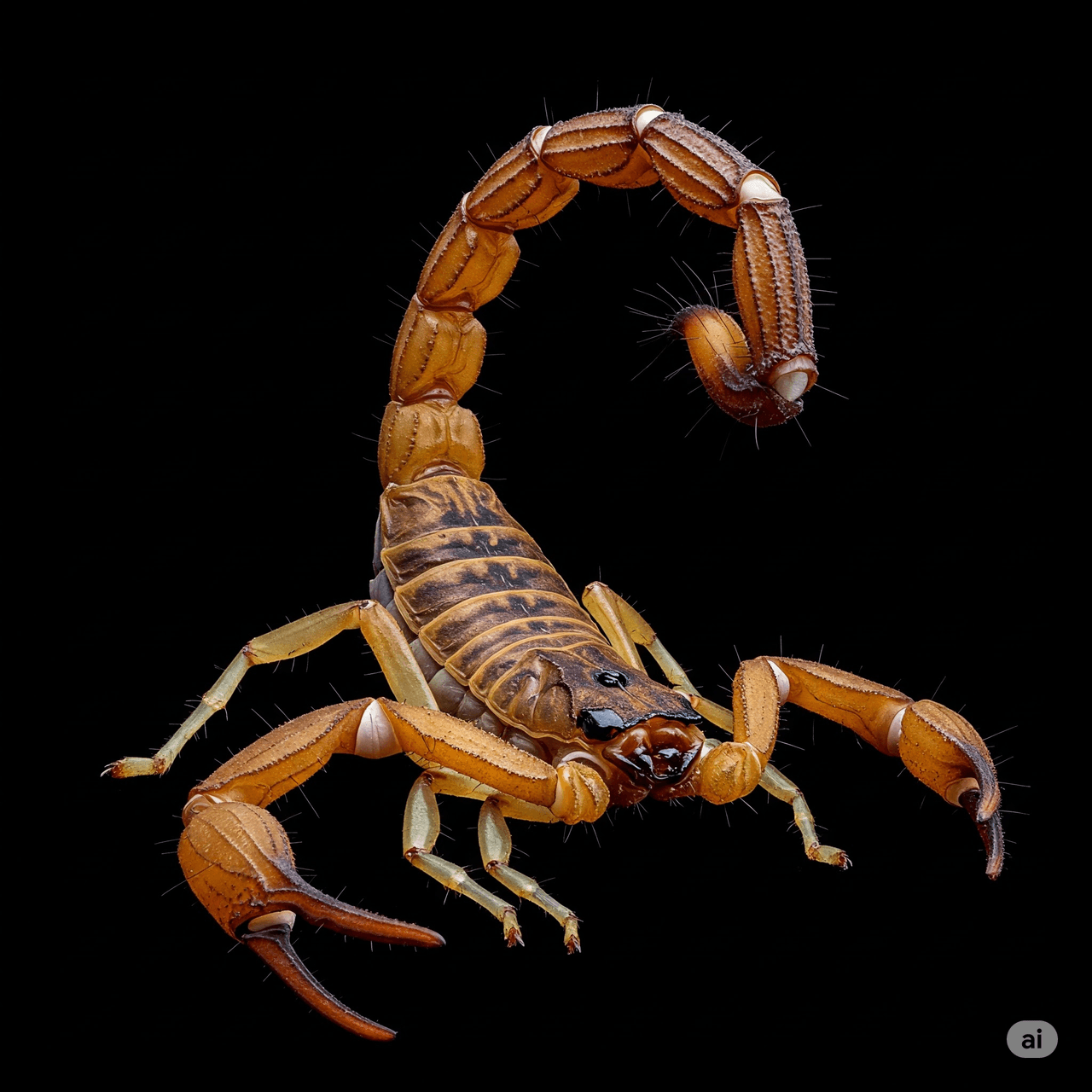
Death Scorpion (Leiurus quinquestriatus)
The Deathstalker Scorpion (Leiurus quinquestriatus), a scorpion species of major medical and toxicological importance, is widely distributed across the deserts of North Africa and the Middle East. This species is also known by various common names such as “yellow scorpion” or “Palestinian yellow scorpion,” though these refer to different species. Notable for its venom composition, behavioral traits, habitat preferences, and impact on human health, this species is regarded both as an ecologically
EN
Fatih Atalay

Autopsy
Autopsy is a systematic investigative method used to determine the causes and circumstances of death. During this procedure, the body is first subjected to an external examination, followed by a detailed process in which internal organs are carefully inspected. At the time of the autopsy, questions regarding the manner of death (natural, accident, suicide, homicide, etc.) and the cause of death such as are addressed, making this practice especially vital in cases involving uncertainty. Through a
ENHüseyin Karaaslan
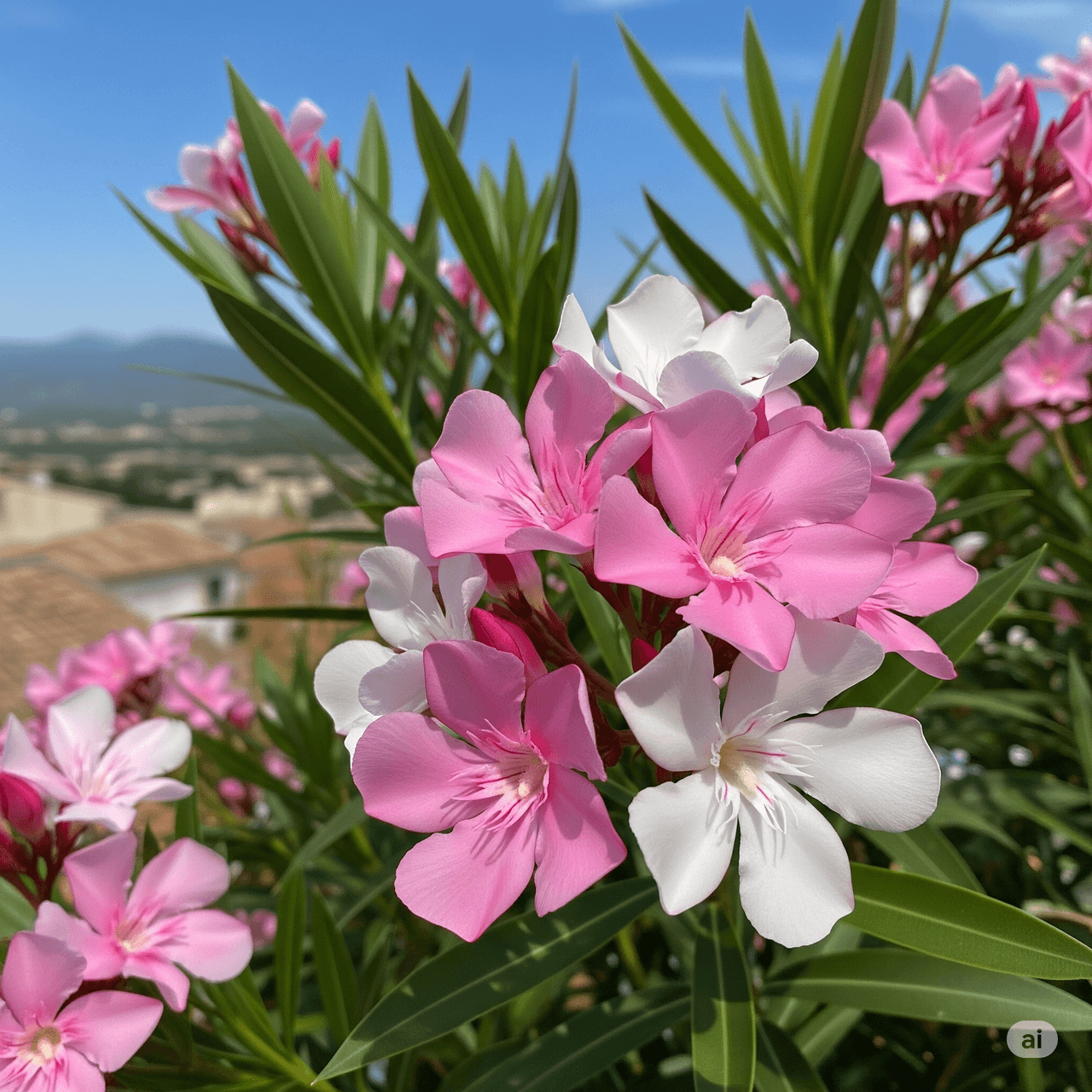
Zakkum (Nerium oleander L.)
Zakkum (Nerium oleander L.) is an evergreen shrub belonging to the Apocynaceae family. Native to the Mediterranean climate, this plant is widely cultivated as an ornamental species due to its aesthetic appearance and resilience. However, it is a species requiring caution due to its toxic compounds. Morphological Characteristics and Habitat General Morphology Zakkum is a shrub that can grow up to 2 to 6 meters in height, with broadly spreading branches. Its leaves are 10–22 cm long, narrow, point
EN
Okan Kanpolat
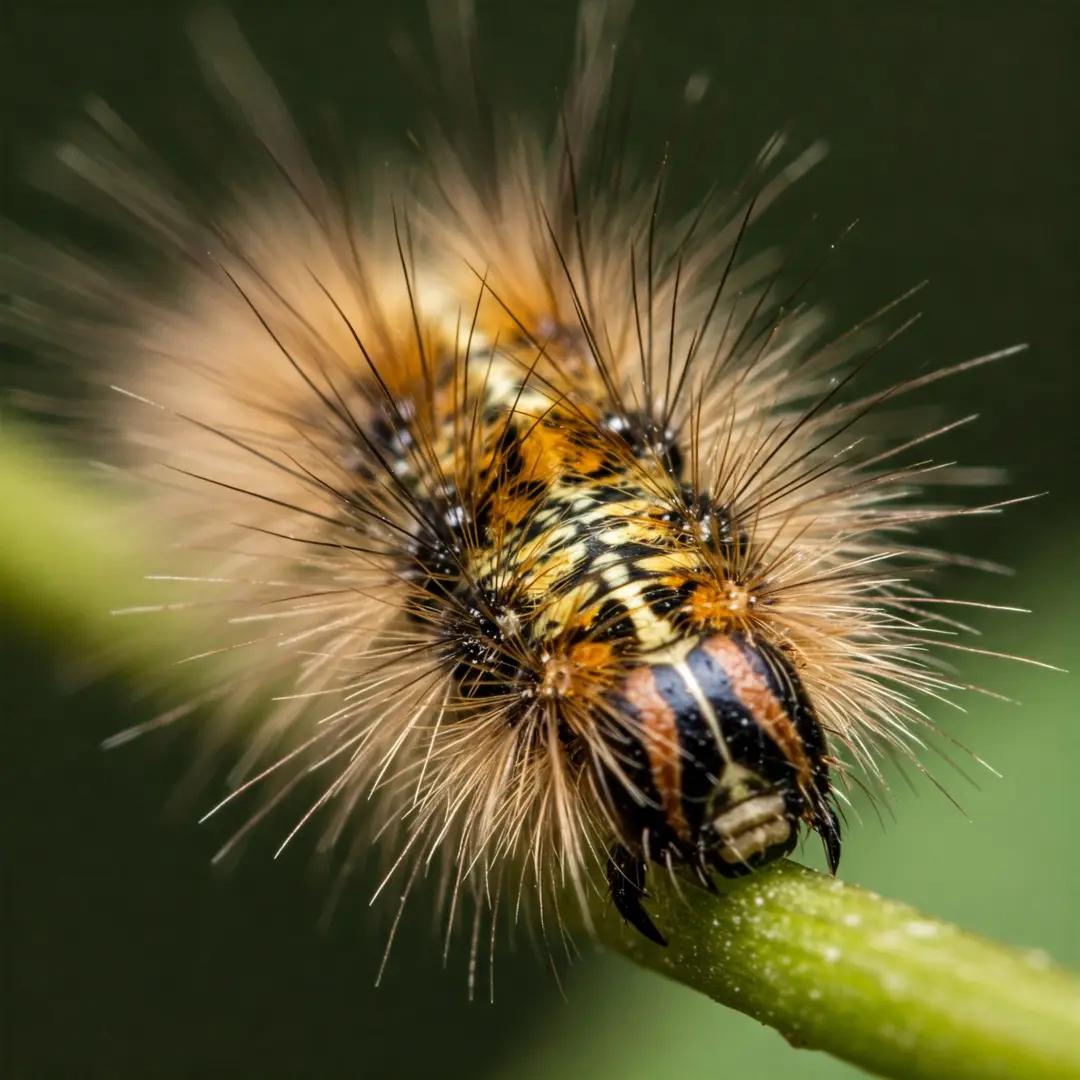
Megalopyge Opercularis
The puss caterpillar (Megalopyge opercularis) is a butterfly larva distinguished by its soft appearance and dense hair-like external structure, which also contains venomous properties making it medically and toxicologically significant. This species naturally inhabits regions in North and Central America and belongs to the family Megalopygidae within the order Lepidoptera. Its appearance, resembling a domesticated animal, can lead to misleading perceptions among the public. However, due to poten
ENFatih Atalay
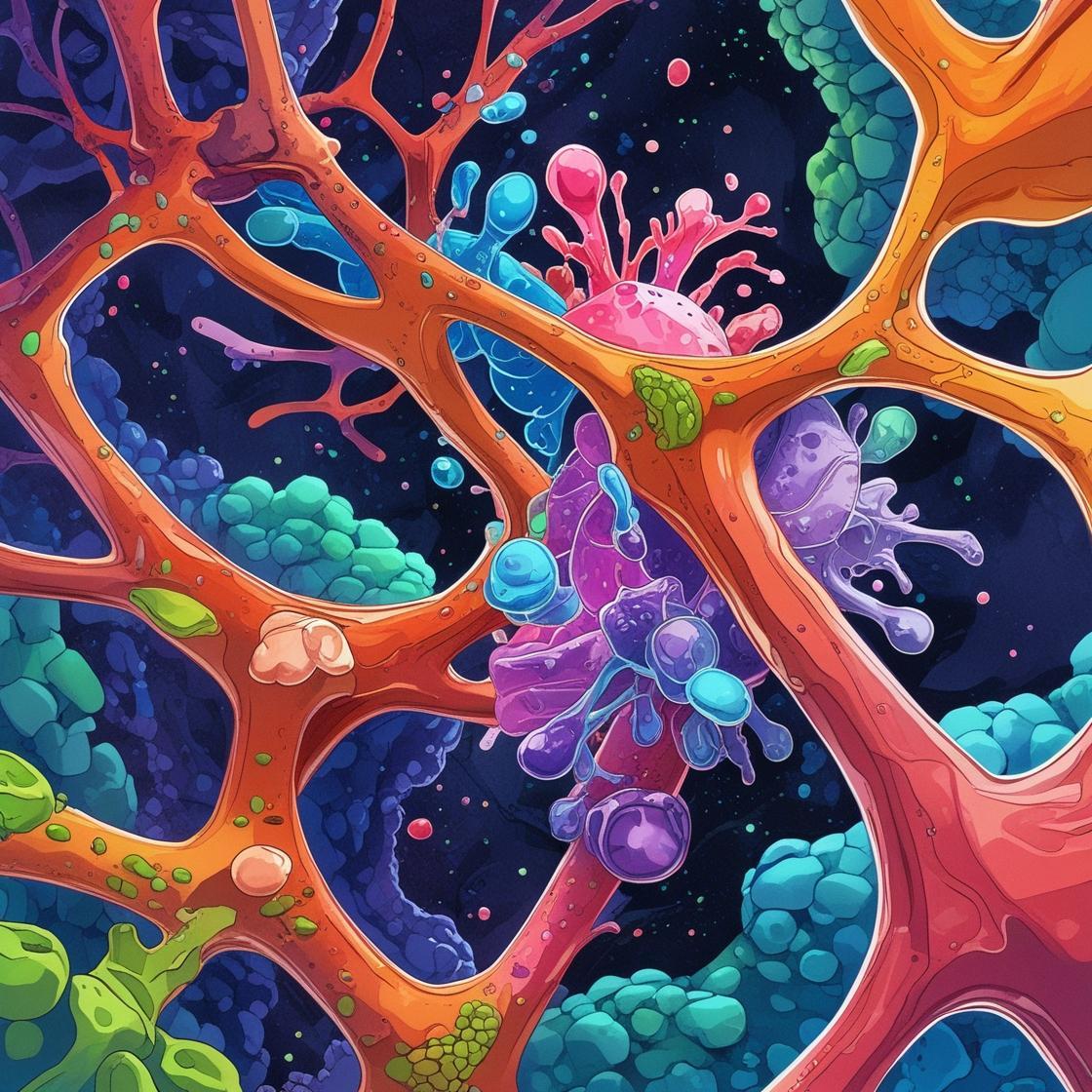
Bioaccumulation
Bioaccumulation is the process by which environmental contaminants accumulate in an organism's tissues and organs either through direct absorption from its surrounding environment (water, soil, air) or indirectly via the food chain. This accumulation generally involves substances that are not metabolically required or used as nutrients by the organism and are often toxic. Examples of bioaccumulative substances include metallic elements such as mercury and lead, organochlorine compounds like DDT
EN
Ece Sude Kabadayı