

`to-live` Related Article Results
 To
ToTo live
I am saying life, I am saying life Not behind a curtain Not behind masks whose names I do not even know I am saying life Bravely and truly… Alongside butterflies fluttering in the belly Sometimes just feeling I am saying life Simply, without knowing anything about everything Like a galloping herd crossing the steppe I am saying life Undoubtedly, unburdened and wholesome In the light of gratitude repeated again and again each morning Like a raindrop falling on glass So sorrowful, so wildly alive
EN
İrem Kırmıt
WhWhat a Beautiful Feeling
Stroke a cat’s head Say hello to someone you know Sit on the grass by the shore Listen to the cries of flying seagulls What a wonderful feeling To live calmly, gently, and with equal care Lost in contemplation while gazing at the sky Show kindness to every bud on every branch, without exception Not to walk hurriedly along the sidewalks But with a gentleness that would not harm an ant To live patiently and attentively What a wonderful feeling What a wonderful feeling, to be present in the moment
ENİrem Kırmıt
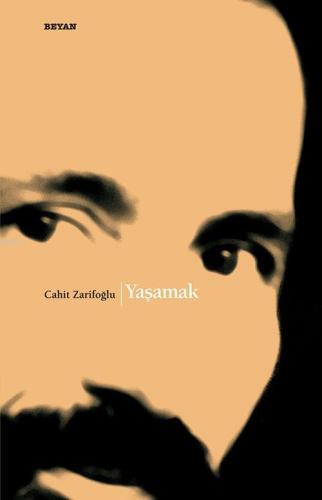
Living (Book)
Living is a work composed of Cahit Zarifoğlu’s diaries. The book contains various observations on his personal life thoughts and the era in which he lived. It is regarded as one of the significant texts in modern Turkish literature with autobiographical qualities. Subject of the Book Living is a compilation of daily notes written by Cahit Zarifoğlu from the 1960s to the 1980s. The work includes memories observations on social and political developments expressions about family life and personal
EN
Cihat Demirel
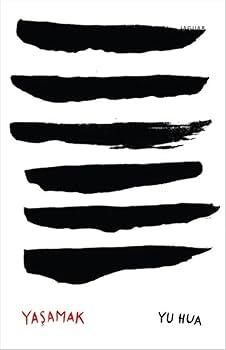
Living (Book)
To Live is a novel by Chinese author Yu Hua. First published in 1993, the work conveys the social and political transformations of modern Chinese history through the life of an ordinary individual. Historical upheavals such as the Cultural Revolution, the Land Reform, and the civil war form the backdrop of the novel. To Live centers on the struggle for survival and the capacity to endure resilience amid a life woven with pain and loss. Although shaped by dramatic elements, the novel carries stro
EN
Berranur Öksüzömer
The Man Who Sold His Blood (Book)
The Man Who Sold His Blood is a novel by Chinese author Yu Hua. The novel examines the social economic and political transformations in China between the mid and late 20th century through the life of an ordinary individual. It explores the impact of socioeconomic hardships and state policies during Maoist China on personal existence. The central character Xu Sanguan sells his blood regularly out of financial necessity, through which themes of human dignity family bonds and systemic pressure are
ENBerranur Öksüzömer