

`timeperception` Related Article Results
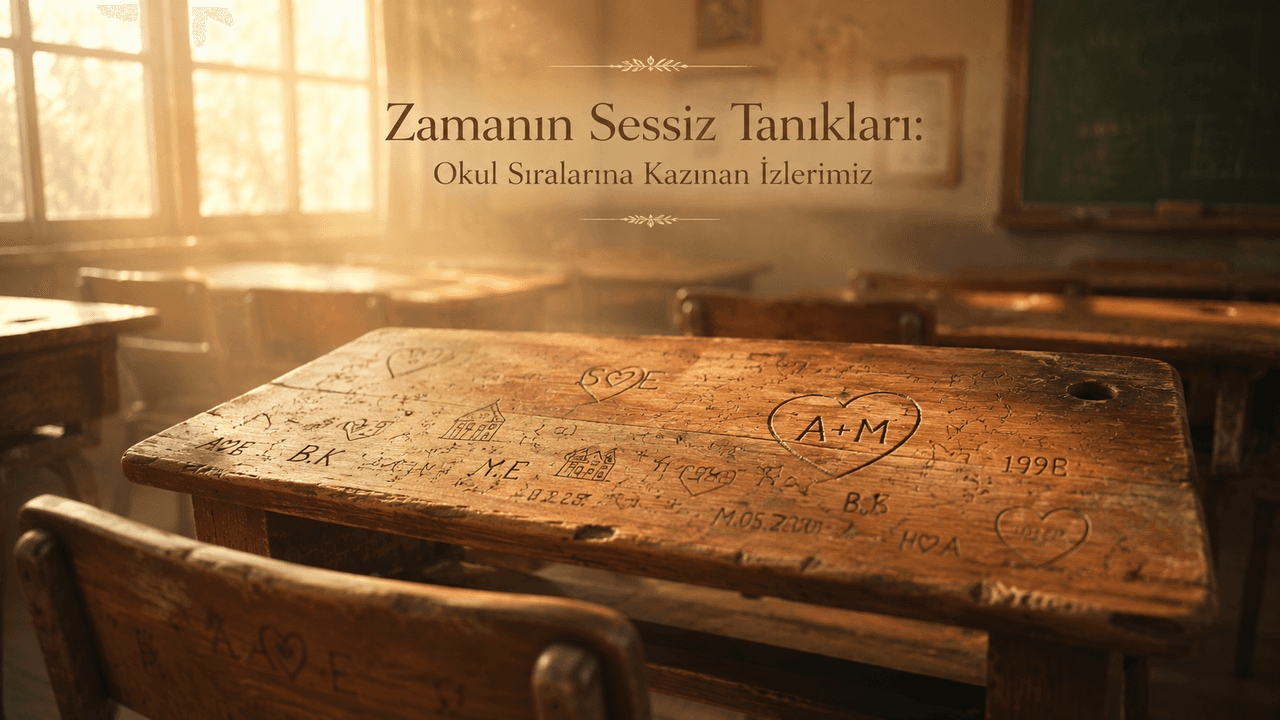
Silent Witnesses of Time: The Marks Carved into Our School Desks
You know the unique, time-stopping scent of classrooms; a blend of chalk dust, old wood, and a faint sweetness of nervous energy... But what truly brings a classroom to life is not its painted walls nor the blackboard standing in the corner. The true spirit of the classroom lies deep within the worn, time-worn school desks, their surfaces smoothed by years of elbows resting upon them. Are there not names carved into those desks with a compass point or a ballpoint pen during the most tedious mome
EN
Nida Üstün

Torschlusspanik: Running Before the Door Closes
In German, there is a word called "Torschlusspanik." The term originates from medieval European walled cities: at a certain hour at night, the main gates would close, leaving anyone outside to the mercy of wild animals, bandits, and the cold. "Gate-closing panic" — this fear emerged directly from that image: the dread of being unable to enter in time, of being late, of being left outside as the gates shut behind you. Today, no one fears city gates of course. But this word has survived vividly in
EN
Ömer Said Aydın
Where Are the Years Going?
Everyone knows that time speeds up as we age; what is less known is that this acceleration does not continue indefinitely. As children, summer vacations seemed to last forever. Three months appeared almost like a lifetime. Now, years pass and when you look back, you struggle to understand where the time went. Something has changed; but what? This feeling is independent of geography and culture: Japanese grandmothers describe it, Norwegian grandfathers do too. A comprehensive study involving 499
EN
Gökhan Güller
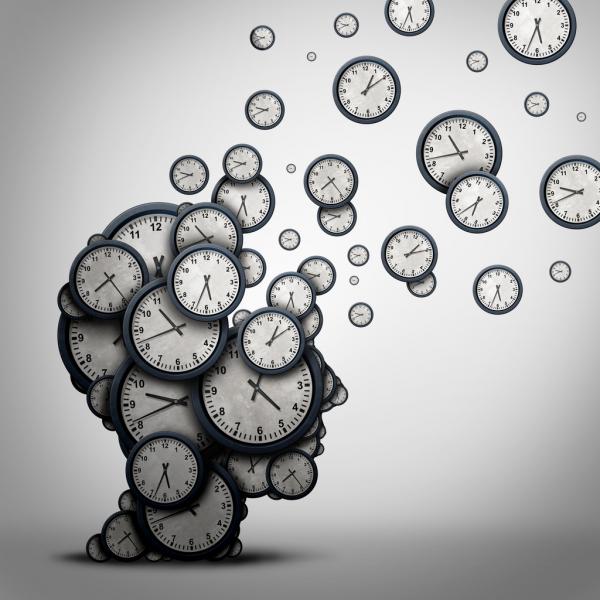
Time Perception: How Much Does Our Brain Actually Sense?
There are moments when a minute seems to pass in the blink of an eye… but sometimes that minute feels as if it lasts for hours. How is this possible? After all, a minute is a minute. Yet in our inner world, time sometimes speeds up, sometimes slows down, and at times even seems to stand still. This is where our perception of time comes into play. In this article, we will discuss how our brain perceives time, why this perception fluctuates, and how much of it we can truly feel. If you’re ready, l
EN
Hatice Mehlika Biten
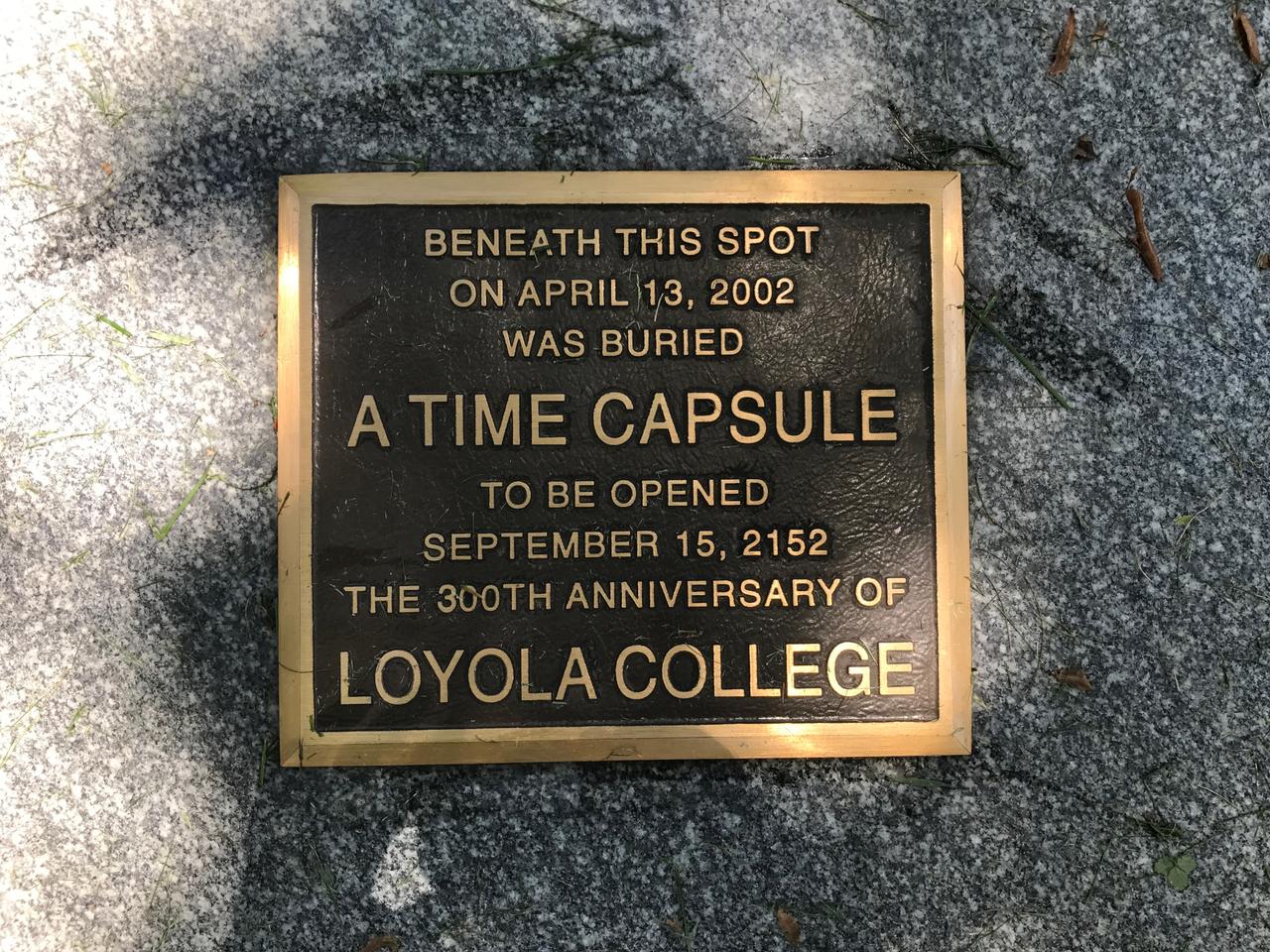
Time Capsule
Time capsule is a curated collection of documents and objects intentionally sealed to carry material and/or digital traces of a specific era into the future, often designed to be opened on a predetermined date. Although related to archives and museums, the deliberate design of sealing and opening, the strategy of accessibility (placement and marking), and the engineering choices made for longevity (materials, sealing, environmental conditions) distinguish capsules from other memory artifacts. Co
EN
Onur Çolak