

`tile` Related Article Results
History of Ceramic Art
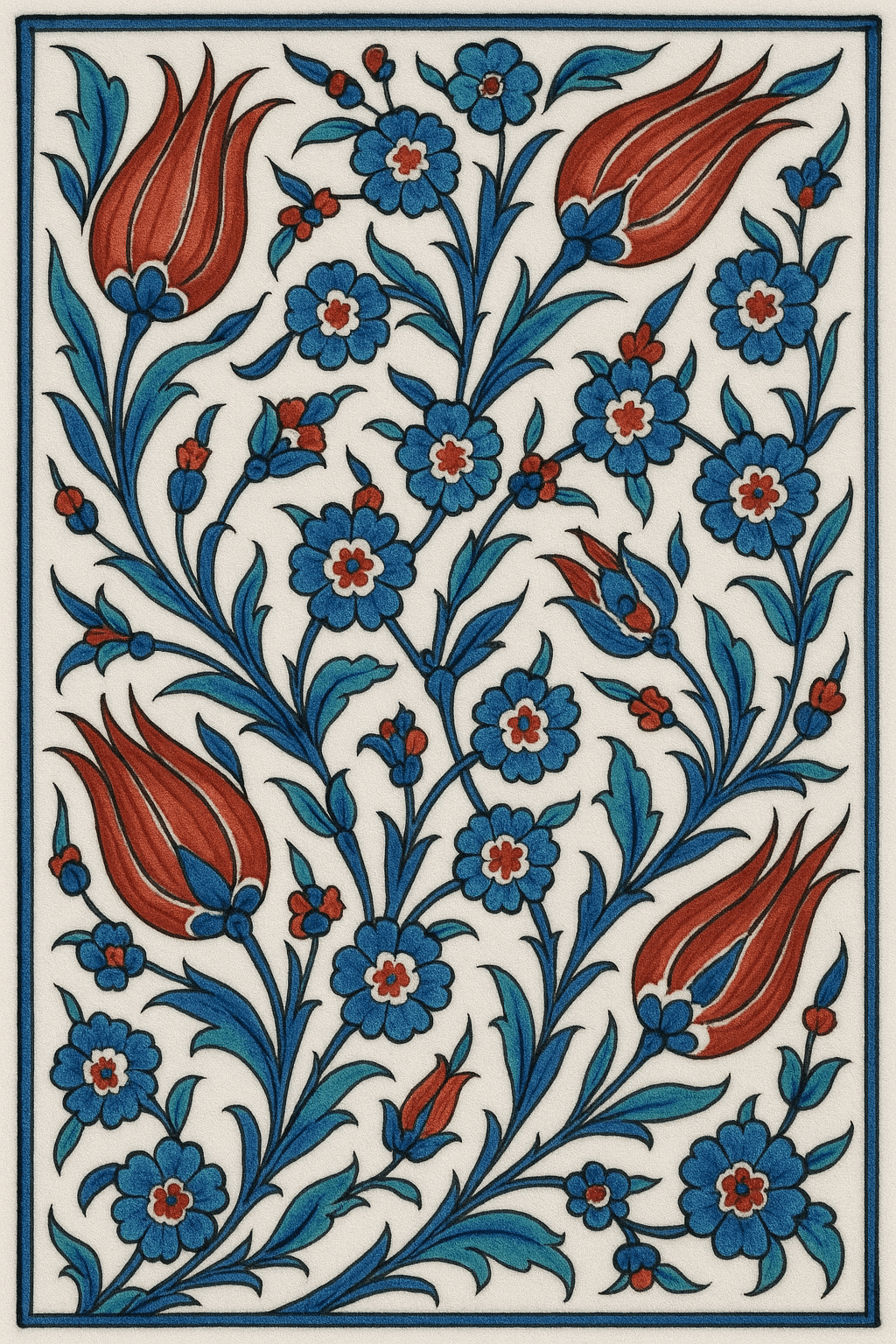
What Is Çini? Çini refers to glazed wall tiles or ceramic household items made from kiln-fired clay, decorated with motifs in various patterns and colors. The earliest examples of çini are found in Egypt and Mesopotamia, with variations emerging across different periods and regions. Turkish Çini Art From Past to Present Anatolian Seljuks The art of çini, which began with the Uyghur Turks, became widespread in Anatolia during the 13th century with the use of glazed mosaics and bricks. The Anatoli
EN
Ömür Şener

Ceramic
Ceramics are made from a mineral called clay. After the clay is mixed with water to form a dough-like consistency, it is shaped into the desired form. Just as we use molds when baking cookies, various tools can be employed for shaping. The shaped piece is then fired at high temperatures to harden it. Many everyday items we use in our kitchens or homes—such as plates, bowls, and vases—along with the colorful tiles found in mosques and palaces (colored ceramic panels), and even the wall claddings
EN
Buse Nur ŞEN