

`threats` Related Article Results
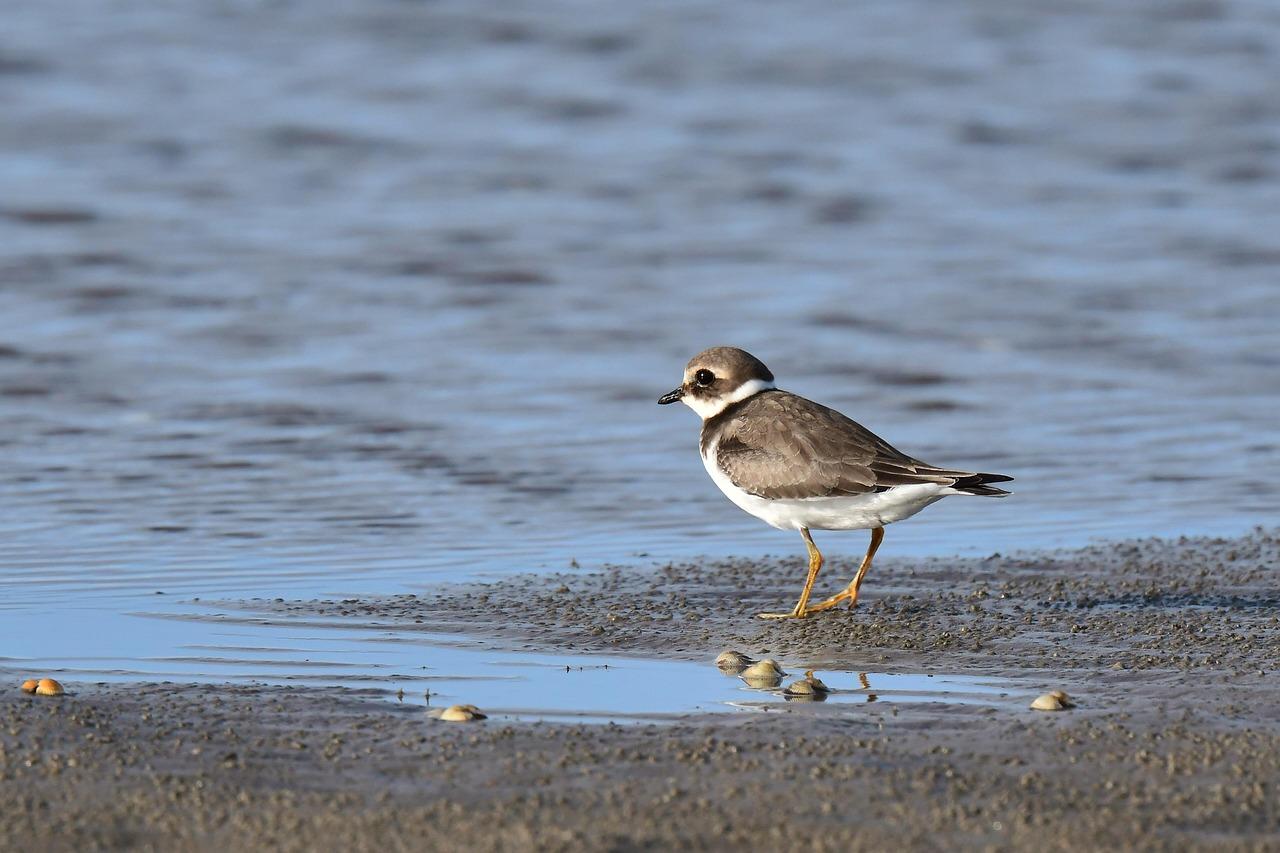
Pipe-bellied Plover (Charadrius melodus)
piping plover (Charadrius melodus) is a small, migratory shorebird endemic to North America. It typically nests on sandy beaches, stony coastlines, and along the shores of alkaline lakes and rivers in inland areas. It has three distinct geographic populations: the Great Lakes, the Northern Great Plains, and the Atlantic Coast. Physical Characteristics The piping plover is a bird measuring 17–18 cm in length with a wingspan of 38 cm and a weight of 40 to 65 grams. Its upperparts are covered in sa
EN
Beyza Yurttutan
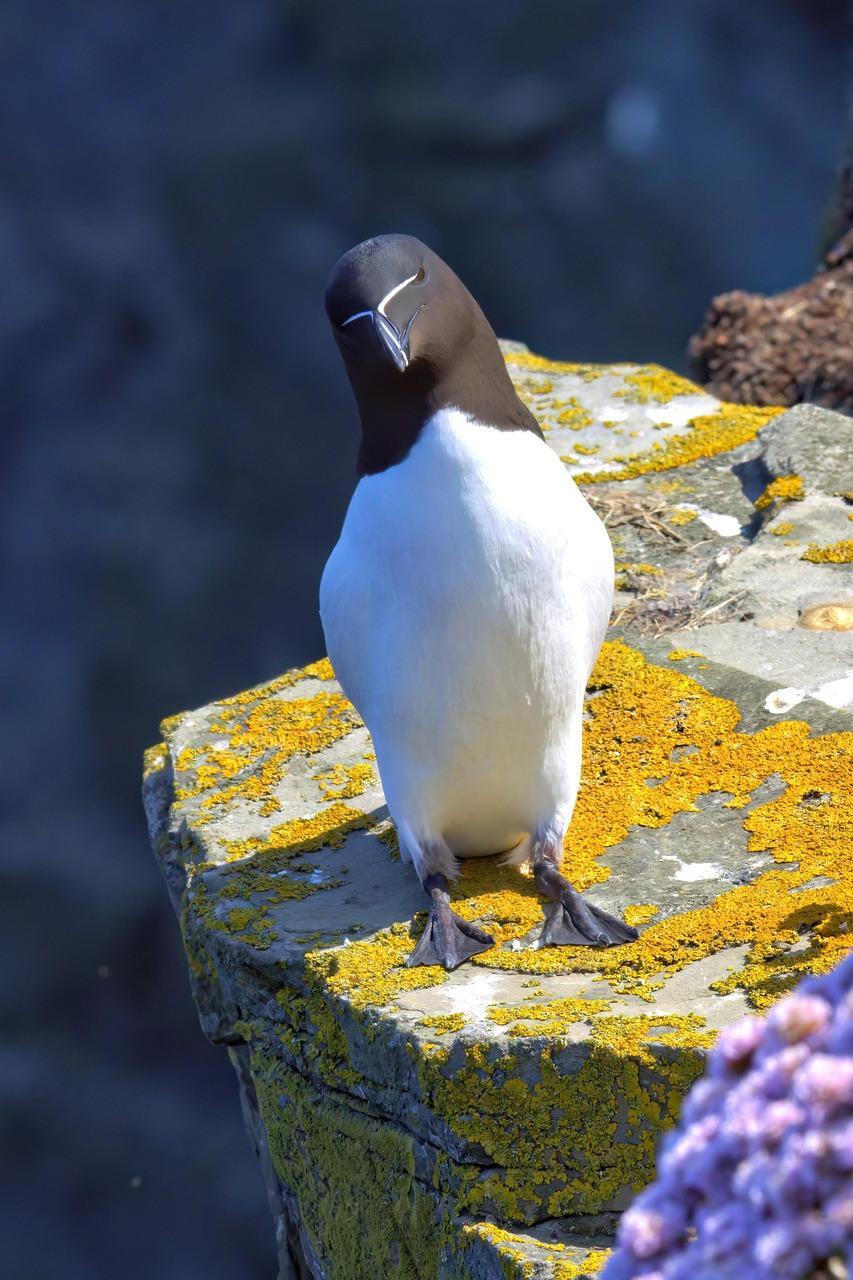
Razorbill (Alca torda)
The razorbill is a seabird species native to the cold seas of the Northern Hemisphere, recognized by its black-and-white plumage and thick, blunt-tipped beak. The beak is black with a horizontal white stripe running through its center. The interior of the mouth is a bright yellow. Its body is black above and white below, creating a striking contrast. During the breeding season, the entire face becomes black, while in winter the throat and sides of the face turn white. Morphological Characteristi
ENBeyza Yurttutan
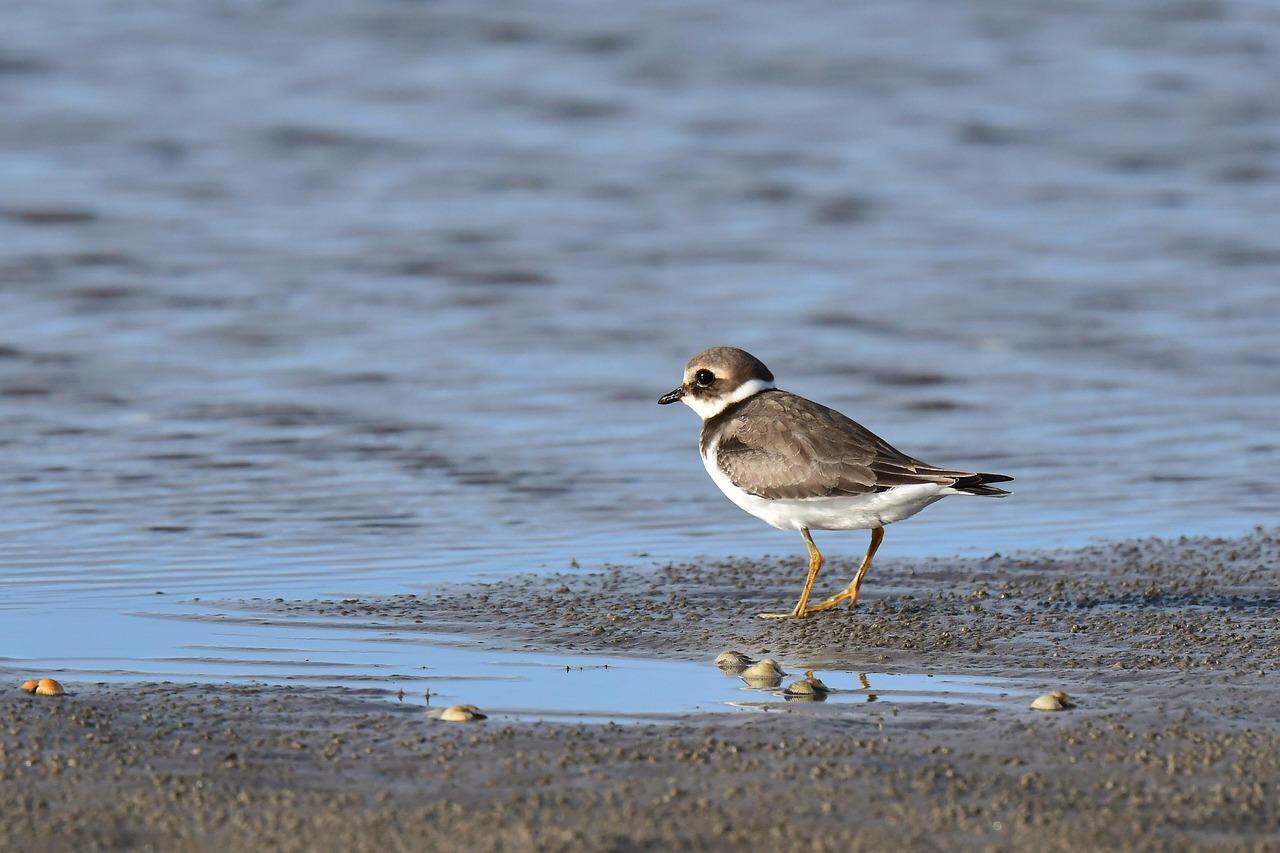
Piping Plover (Charadrius melodus)
The piping plover (Charadrius melodus) is a small, migratory shorebird native to North America. It typically nests on sandy beaches, gravelly shorelines, and along inland alkaline lakes and riverbanks. The species is divided into three distinct geographic populations: the Great Lakes, the Northern Great Plains, and the Atlantic Coast. Physical Characteristics The piping plover measures approximately 17–18 cm in length with a wingspan of about 38 cm and weighs between 40 and 65 grams. Its upperpa
ENBeyza Yurttutan
 Ca
CaCape Rain Frog (Breviceps gibbosus)
The Cape Rain Frog (Breviceps gibbosus) is an endemic amphibian found in western South Africa, particularly around Cape Town and its surrounding areas. It is distinguished by its short legs, rounded body, and inconspicuous head structure. This species emerges from underground during or before rainfall or under humid weather conditions, a behavior that has earned it the name “rain frog.” It lives by digging in the soil and plays an important role in its ecosystem through this activity. Physical C
EN
Ahmet Burak Taner