

`textile` Related Article Results
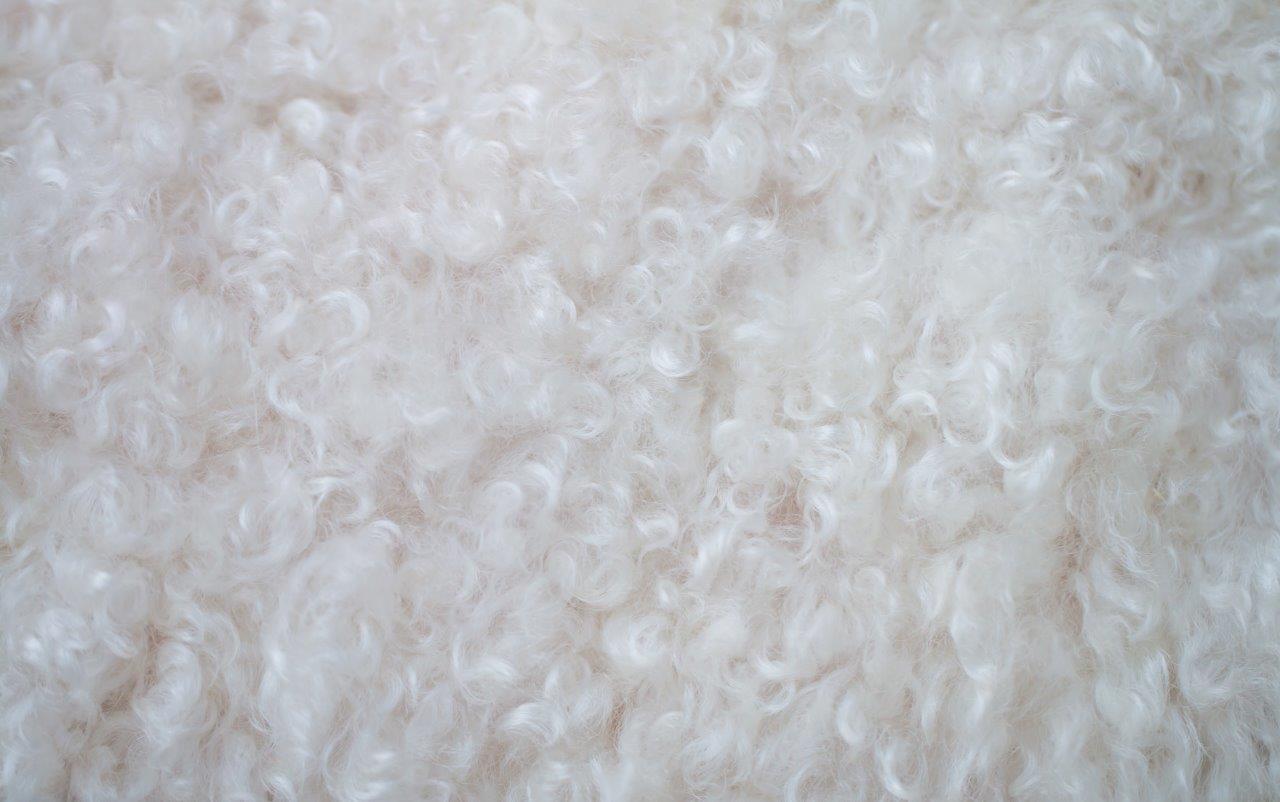
Ankara Tiftiği
Ankara Tiftiği is a fine, lustrous natural fiber obtained from the Ankara Goat, one of Türkiye’s native goat breeds, with significant historical and cultural value. This special goat breed has been raised in Anatolia for centuries and is particularly adapted to the climatic conditions of Ankara and its surroundings, known for its distinctive tiftik fiber. Historical Background The production of Ankara Tiftiği evolved along migration routes extending from Central Asia into Anatolia and gained com
EN
Elif Laçin
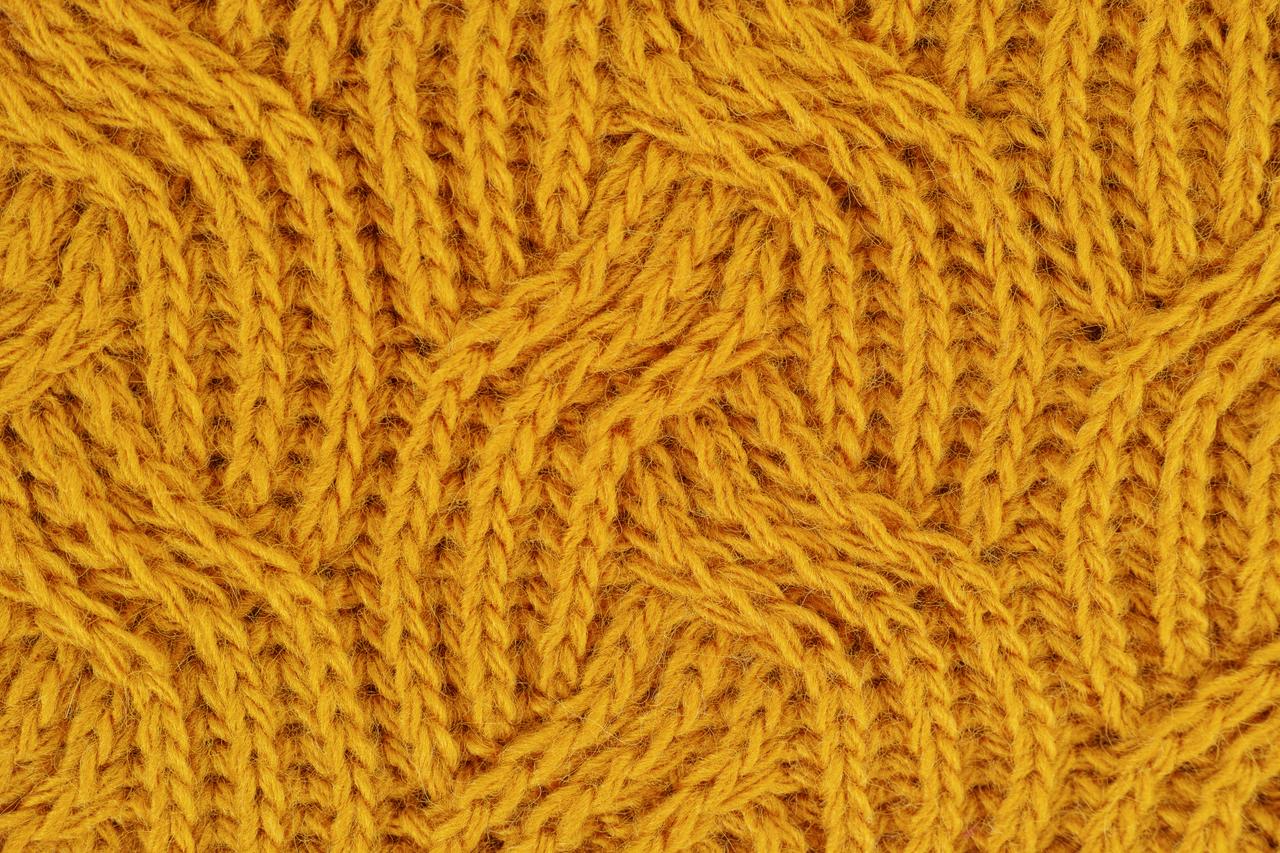
Knitting Art (Textile)
Knitting is one of the most widely used production methods in textile surface formation, following weaving. Essentially, knitted fabrics are formed by interlocking yarns into structures called loops. Due to their properties such as flexibility, softness, and comfort, knitted fabrics are frequently preferred in both everyday apparel and technical textile applications. Knitting Methods and Classification Knitting technology is divided into two main categories: weft knitting and warp knitting. In w
EN
Sude Salman
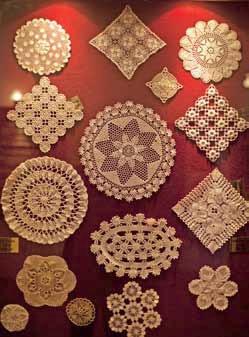
Kastamonu Lace Museum
Kastamonu Lace Museum is a thematic museum established in 2012 within Kastamonu University to document the tradition of Turkish handicrafts. The museum focuses particularly on lace, embroidery, wood carving, and textile handicrafts unique to the Kastamonu region. Establishment and Purpose The museum was initiated by the Faculty of Fine Arts and Design at Kastamonu University with the aim of contributing to both academic research and the preservation of cultural heritage. Transmitting regional ha
EN
Hüseyin Caner Özkan

Textile Lotus Effect
In the textile industry, the “Lotus Effect” is the general term for superhydrophobic coatings inspired by the natural surface structure of the lotus plant, designed to repel water and dirt. This technology is primarily used to produce fabrics that are water-resistant, stain-resistant, and require less maintenance. Architecture Inspired by Nature: The Structure of the Lotus Leaf The combination of micro- and nano-scale protrusions on the lotus leaf surface with wax-like microcrystals creates a su
ENSude Salman

Sustainability in Türkiye's Textile and Fashion Sector: From Fast Fashion to Value-Driven Growth
The textile and fashion industry plays a major role in Türkiye’s economy, both in terms of exports and employment. However, in recent years, the environmental and social problems generated by the global fast fashion model have made sustainability an unavoidable transformation for the sector. Türkiye is not immune to this change; on the contrary, its proximity to Europe and strong production infrastructure give it significant potential to become a key actor in the sustainable fashion movement. Im
ENSude Salman
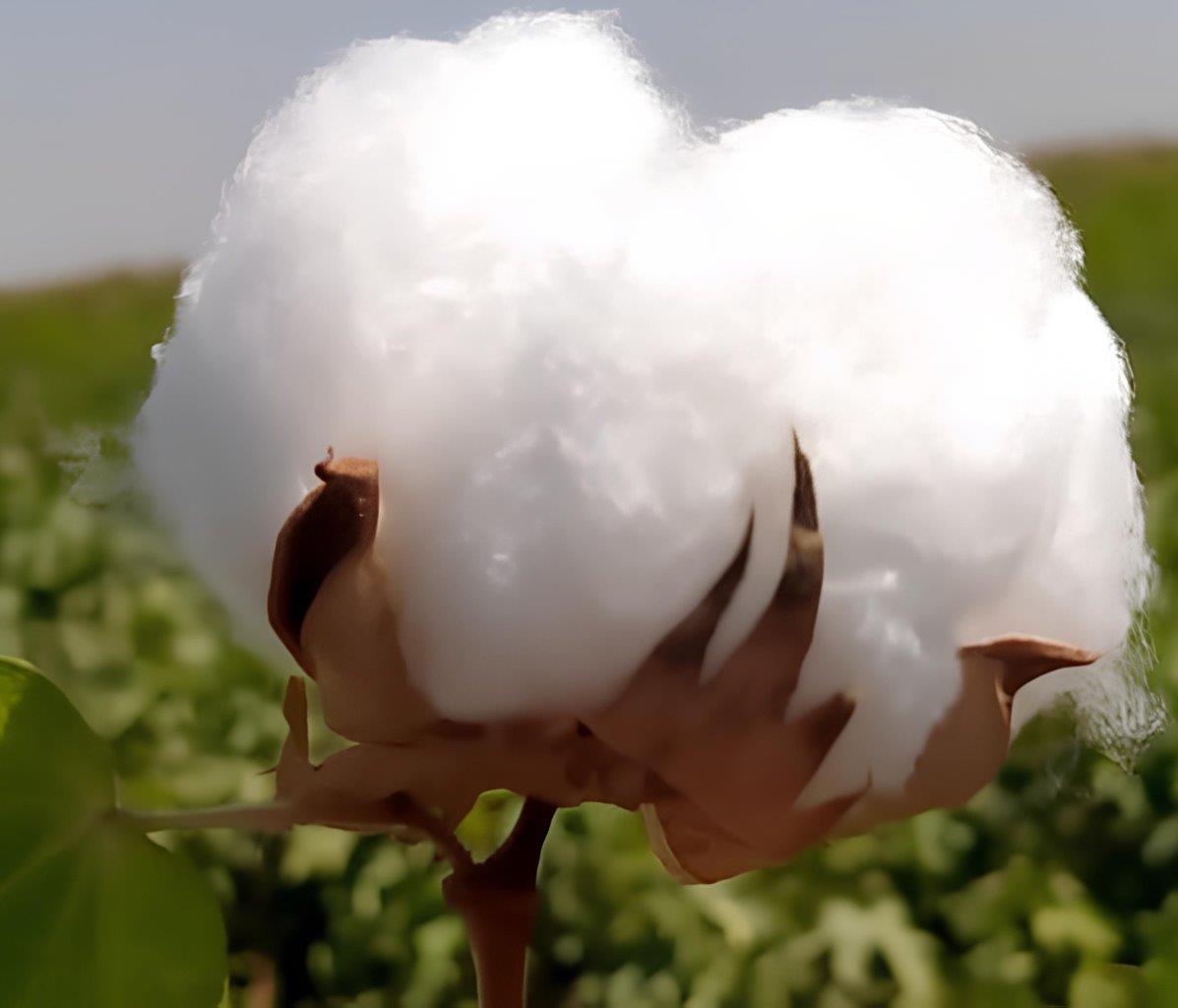
Şanlıurfa Cotton
Sanliurfa cotton is a cotton variety produced within the boundaries of Sanliurfa province using certified seeds, harvested, ginned, pressed, and baled, possessing fiber technological properties that meet the quality requirements of the textile industry. Product Profile and Geographical Indication Type Sanliurfa cotton falls under the category of raw or processed other plant products. It has been registered by the Turkish Patent and Trademark Office as "place of origin【1】". The registration of Sa
EN
Caner Sefa Koçyiğit