
`telescope` Related Article Results
Astrophysics
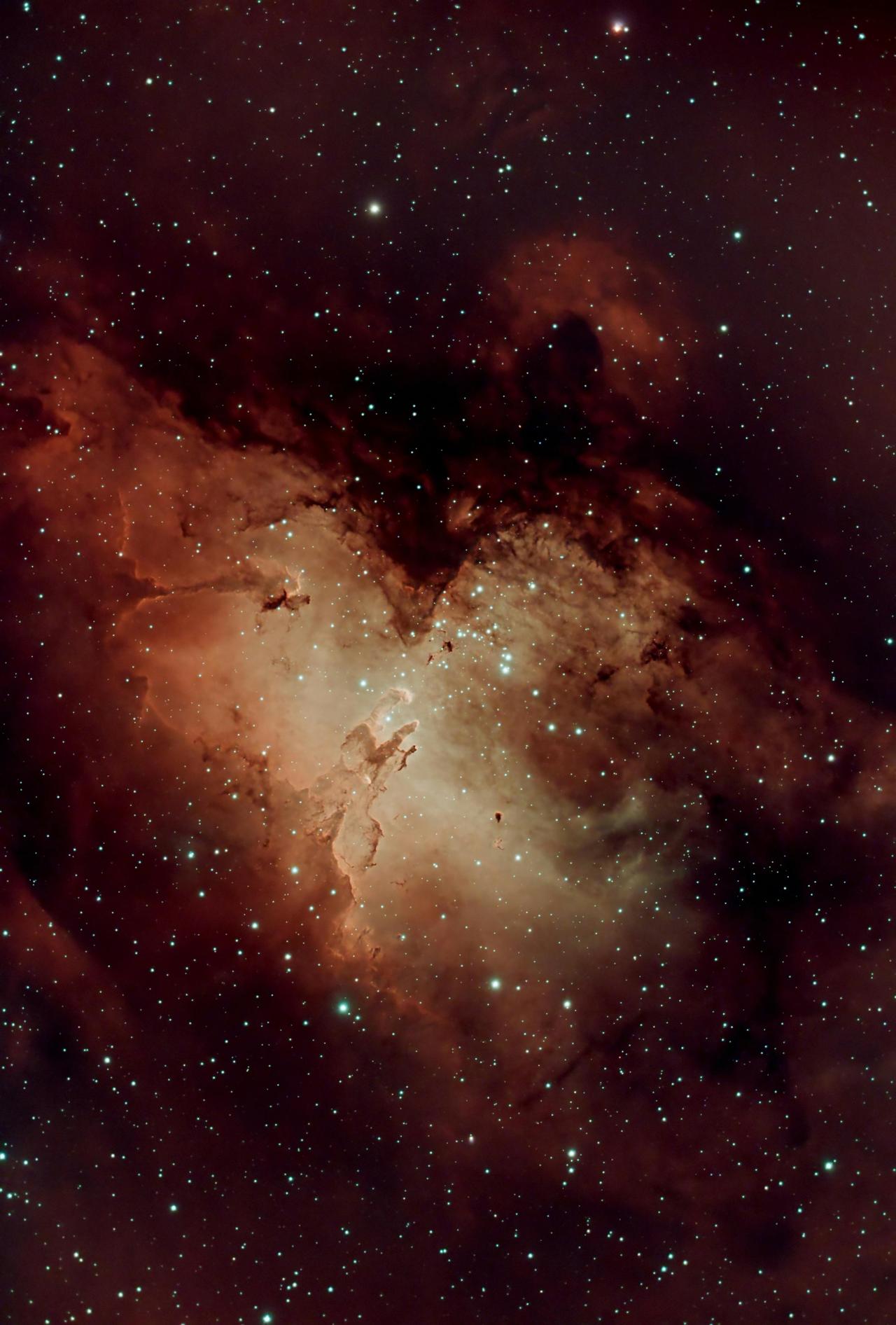
Astrophysics is a scientific discipline that applies the laws of physics and chemistry to understand the nature, origin, development, and future of the universe and its celestial objects. This field has examined the processes from birth to death of of the stars, planets, galaxies, clouds' and other cosmic structures. While Astronomy focuses on measuring the positions, motions and brightnesses of celestial objects, astrophysics has developed theories to explain the physical properties of these ob
EN
Aykut Laçın
 Wo
WoWow! Signal
Wow! is a strong, narrowband radio signal detected on August 15, 1977, by the Big Ear radio telescope affiliated with Ohio State University. The signal’s unique characteristics and one-time nature have made it one of the most intriguing potential candidates for extraterrestrial communication ever recorded. It acquired its name from the note “Wow!” written by astronomer Jerry R. Ehman beside the printout where the signal was observed. Technical Characteristics The Wow! signal was observed for app
EN
Umut Zaif
Planet
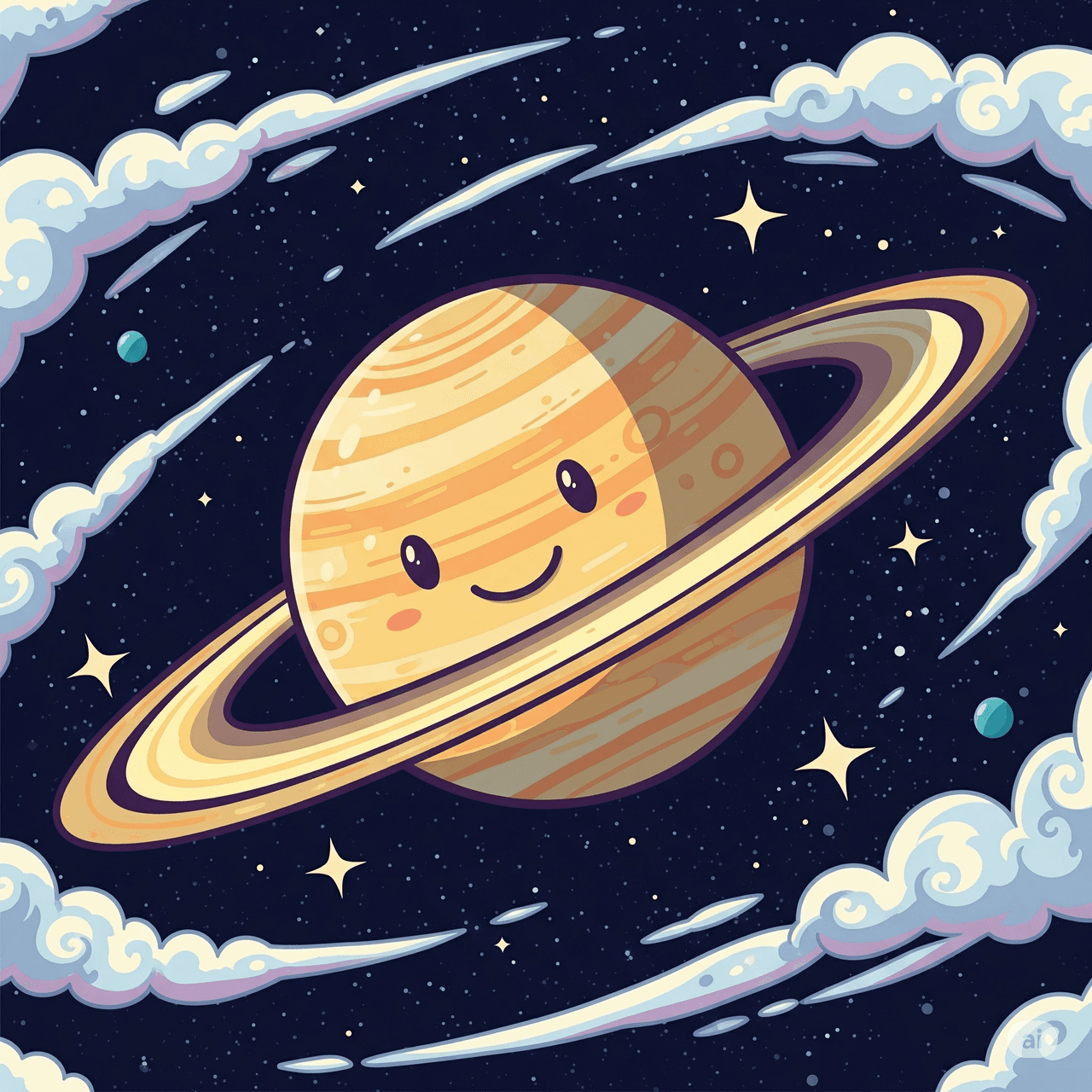
Planets were once described as “wandering points of light” in the sky. At that time, people believed Earth was at the center of the universe. But as science advanced, telescopes were invented and astronomers made new discoveries. We now know that planets orbit a star, can vary in shape and size, and each moves along its own unique orbit. So why is a celestial body classified as a “planet”? Scientists spent years observing the sky to find the answer. Now I will share that answer with you—but don’
EN
Elif Laçin
TETESS Space Telescope
Güneş Sistemi outside the stars orbiting exoplanets is a space telescope developed to detect. Its mission is to identify regular brightness variations caused by planets passing in front of particularly nearby and bright stars relative to Earth, thereby identifying new planet candidates. Mission Objective and Scientific Goals The primary objective of TESS is to survey a large portion of the sky to detect numerous exoplanet candidates. Unlike previous space telescopes, TESS adopts an observational
EN
Halil İbrahim ALADAĞ
TETESS Space Telescope
TESS is a space telescope developed to detect exoplanets orbiting stars other than Solar System. Its mission is to identify regular dips in brightness caused by planets' passing in front of particularly nearby and bright stars, thereby identifying new planet candidates. An image of the TESS Space Telescope (Anadolu Agency) " image-alternate="" image-element-format="right"> Mission Objectives and Scientific Goals The primary goal of TESS is to survey a large portion of the sky to detect numero
EN
Halil İbrahim ALADAĞ
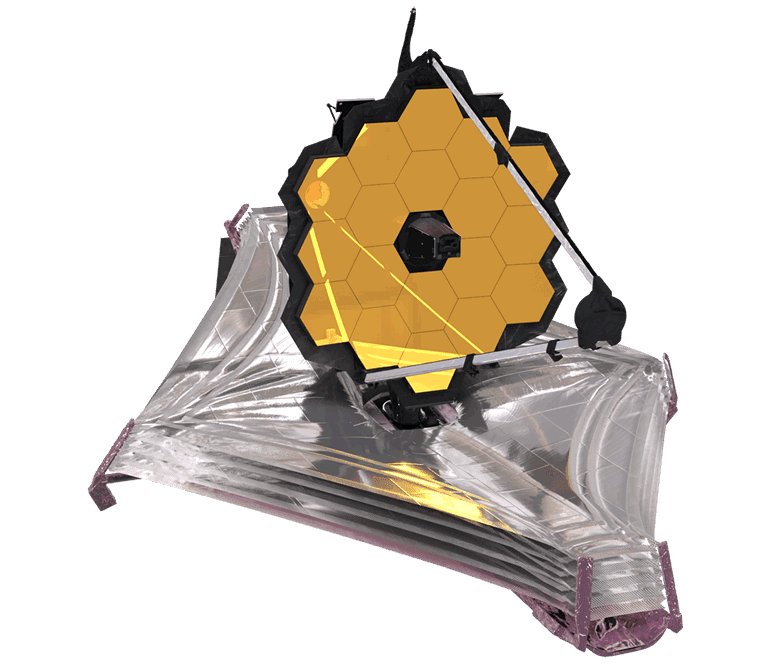
James Webb Space Telescope
The James Webb Space Telescope (JWST) is a space telescope jointly developed by NASA, Europe Space Agency (ESA) and Canada Space Agency (CSA) designed to explore the depths of space. Launched on 25 December 2021, JWST was built to succeed the Hubble Space Telescope and to gather information about deeper and more distant galaxies and stars. Webb is particularly known for its capacity to perform infrared observations, which provide data about the early universe that was previously unattainable. Ja
EN
Orhun Kutlu
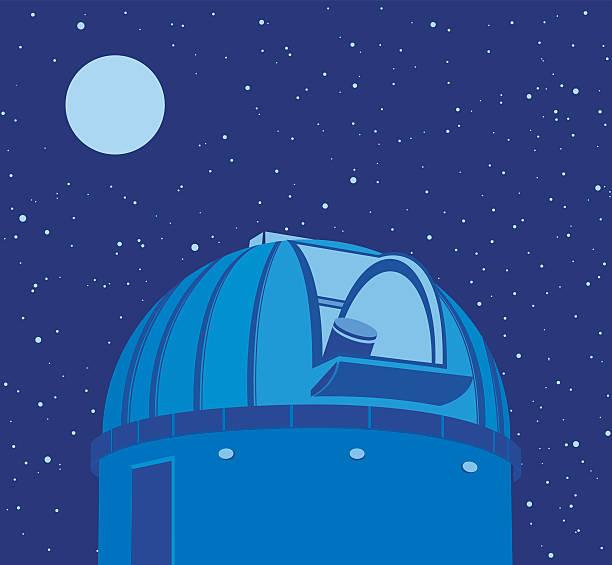
What is an observatory?
An observatory is a scientific research center established to study celestial bodies and phenomena. Observatories are equipped with telescopes, cameras, spectrographs, and other observational instruments. These facilities help us understand the structure of the universe, stars, planets, galaxies, and cosmic events through observations in the fields of astronomy and space science. Observatories are located in areas far from city lights, at high altitudes, and with clean atmospheric conditions to
EN
Berrunur Yürür
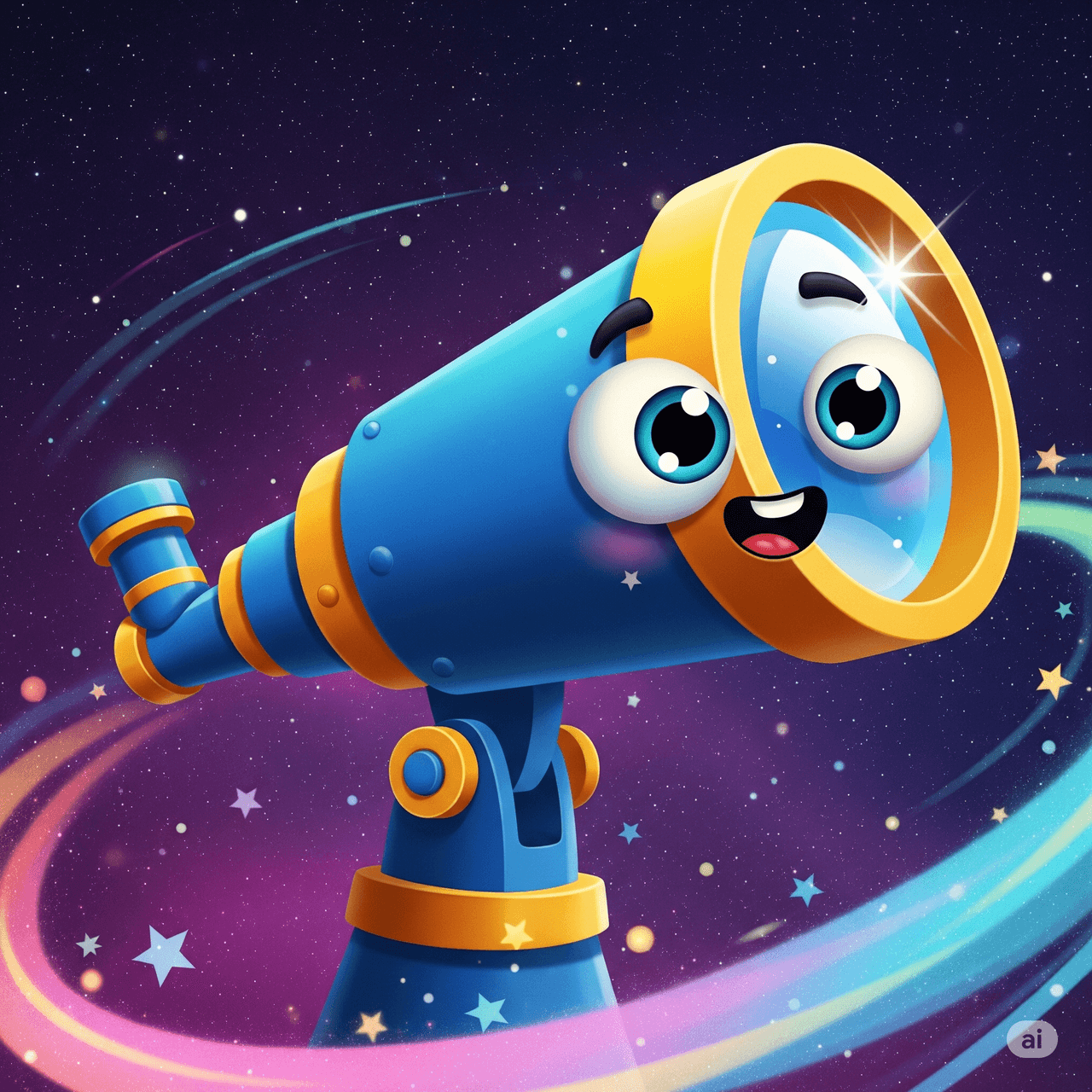
Telescope
A telescope is a wonderful instrument that allows us to see stars, planets, and other distant objects in the sky up close. We cannot clearly see things that are very far away with our eyes alone, right? The telescope collects light from these objects, magnifies them, and shows them to us. Thanks to the telescope, we can discover not only stars but also craters on the Moon, Jupiter’s moons, and many other features! The Invention of the Telescope The telescope was first made in 1608 by a Dutch eye
ENElif Laçin
Astrophysics
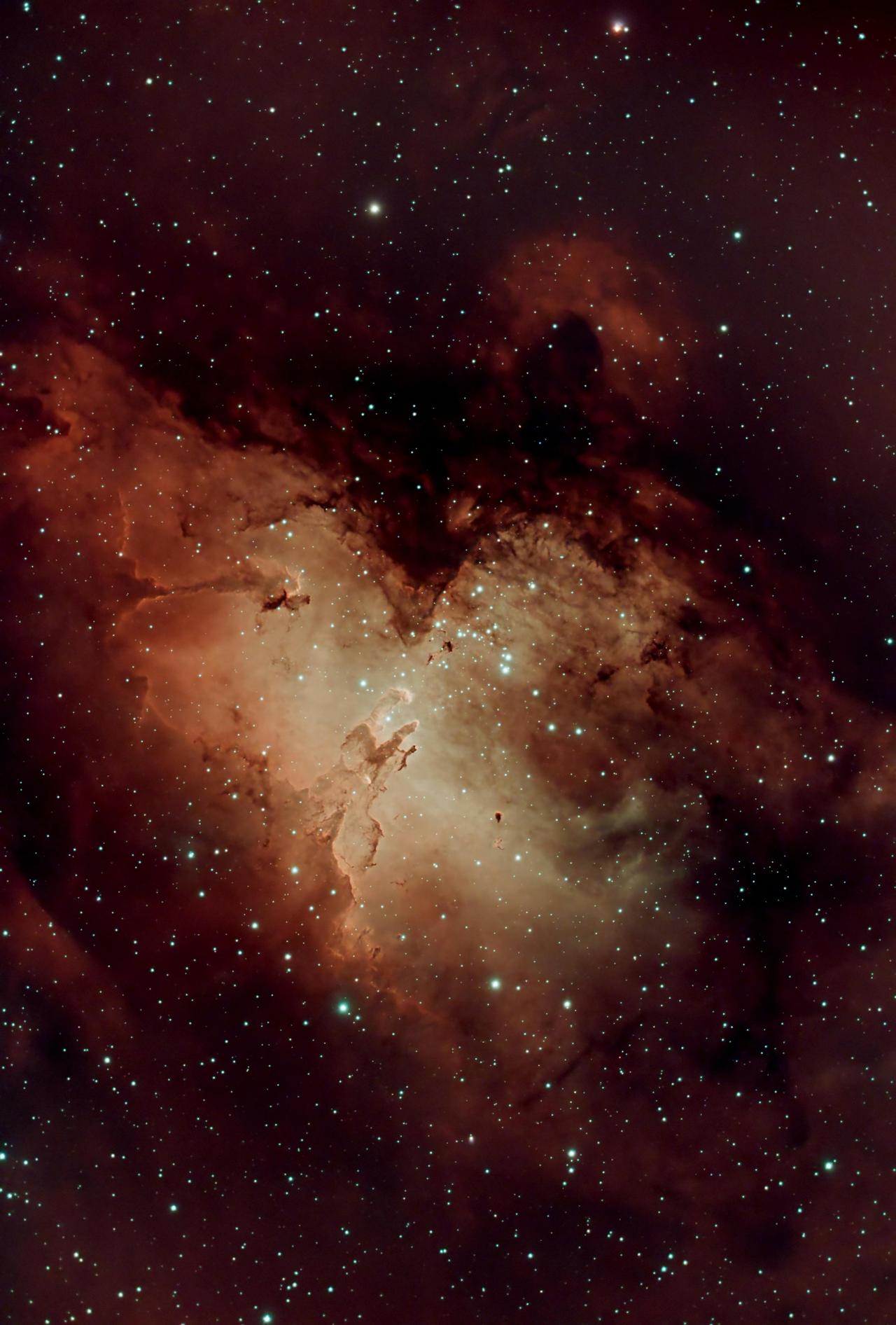
Astrophysics is a scientific discipline that applies the laws of physics and chemistry to understand the nature, origin, development, and future of the universe and the celestial bodies within it. This field has examined the processes from birth to death of planets, galaxies, nebulae and other cosmic structures. Astronomy focuses on measuring the positions, motions and brightnesses of celestial objects, while astrophysics has developed theories to explain the physical properties of these objects
EN
Aykut Laçın
James Webb Space Telescope
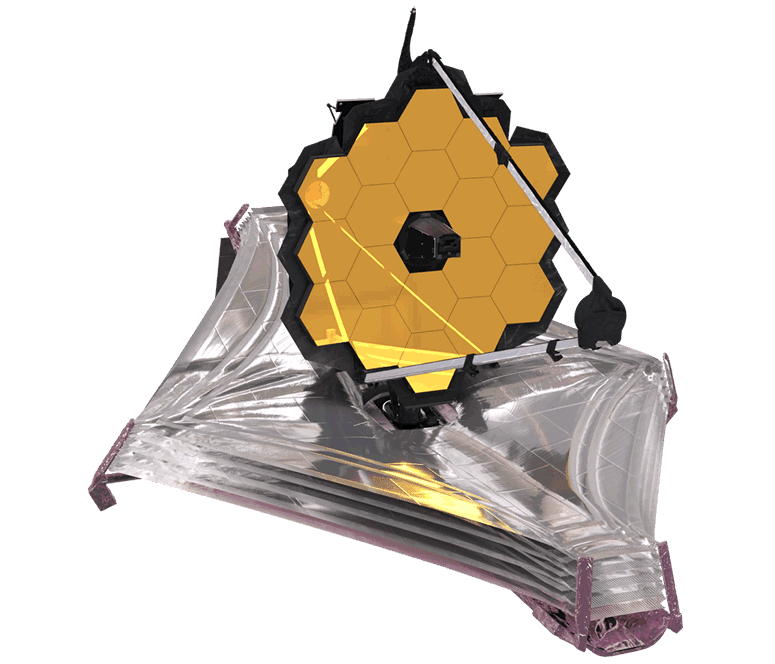
The James Webb Space Telescope (JWST) is a space telescope designed to explore the depths of space. Launched on December 25, 2021, JWST was built to succeed the Hubble Space Telescope and gather more detailed information about deeper and more distant galaxies and stars. Webb is particularly known for its capacity to perform infrared observations, and this feature enables it to provide data about the early universe that were previously unattainable. James Webb Space Telescope (NASA) " image-alter
ENOrhun Kutlu