

`tariff` Related Article Results
 Cu
CuCustoms Tariffs
Customs tariffs are among the oldest and most significant restrictions placed on the free flow of bad between countries. The economic impact of tariffs is based on the functioning of price mechanisms. They prevent goods that offer no benefit to Country from entering the country and protect newly established young industry sectors against foreign competition. Customs tariffs are classified into two types according to their basis of application: autonomous tariffs and contractual tariffs. 1. Auton
EN
Melike Saraç
United Kingdom–United States Trade Agreement (2025)
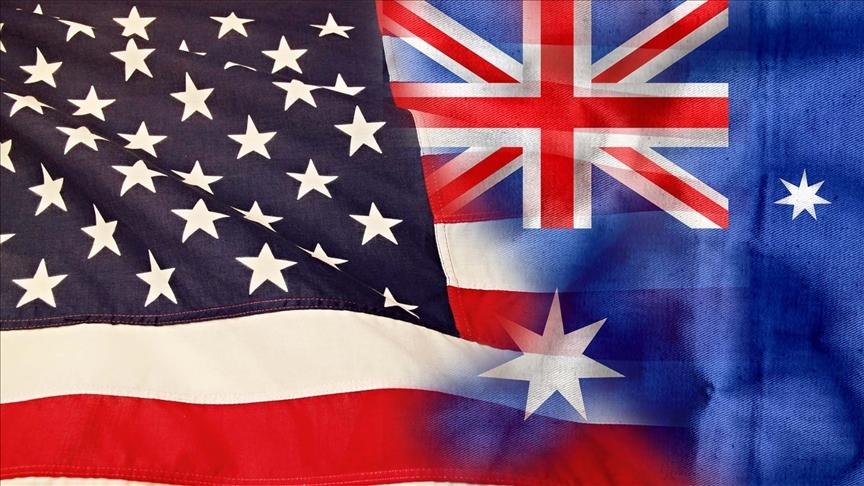
The United Kingdom–United States Trade Agreement is a trade arrangement signed in 2025 and entered into force on 30 June 2025. The agreement aims to expand market access between the two countries primarily through the reduction or elimination of tariffs in key sectors including automotive aerospace agriculture and energy. It was implemented by U.S. President Donald Trump and U.K. Prime Minister Keir Starmer. Signing Process and Legal Basis The general principles of the agreement between the Unit
EN
Edanur Karakoç
World Trade Organization (WTO)
World Trade The World Trade Organization (WTO) is an international body established to define the rules of global trade, resolve commercial disputes, and promote the liberalization of trade among its member countries. The WTO officially began operations on 1 January 1995, following the signing of the Marrakesh Agreement as a result of the Uruguay Round negotiations. Organization It emerged from the General Agreement on Tariffs and Trade (GATT), established in 1947 and one of the earliest efforts
EN
Kübra Cin
U.S.-A.E. Trade Agreement (2025)
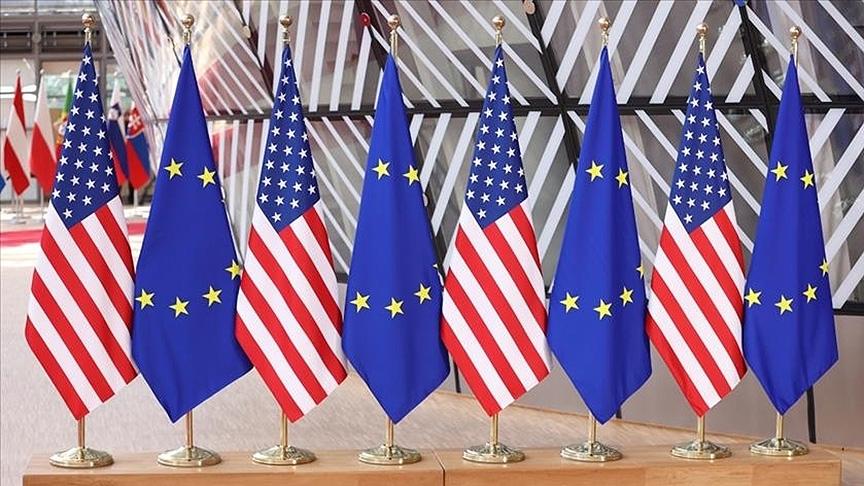
U.S.-EU Trade Agreement (2025) is a framework trade agreement signed between the United States of America and the European Union on 27 July 2025. The compromise, reached after heightened tensions following the Trump administration’s April 2025 announcement of a 20 percent “reciprocal tariff” and a threat of additional tariffs up to 30 percent, establishes a fixed 15 percent tariff on most goods while maintaining 50 percent tariffs on steel and aluminum. Under the agreement, the EU has committed
ENEdanur Karakoç
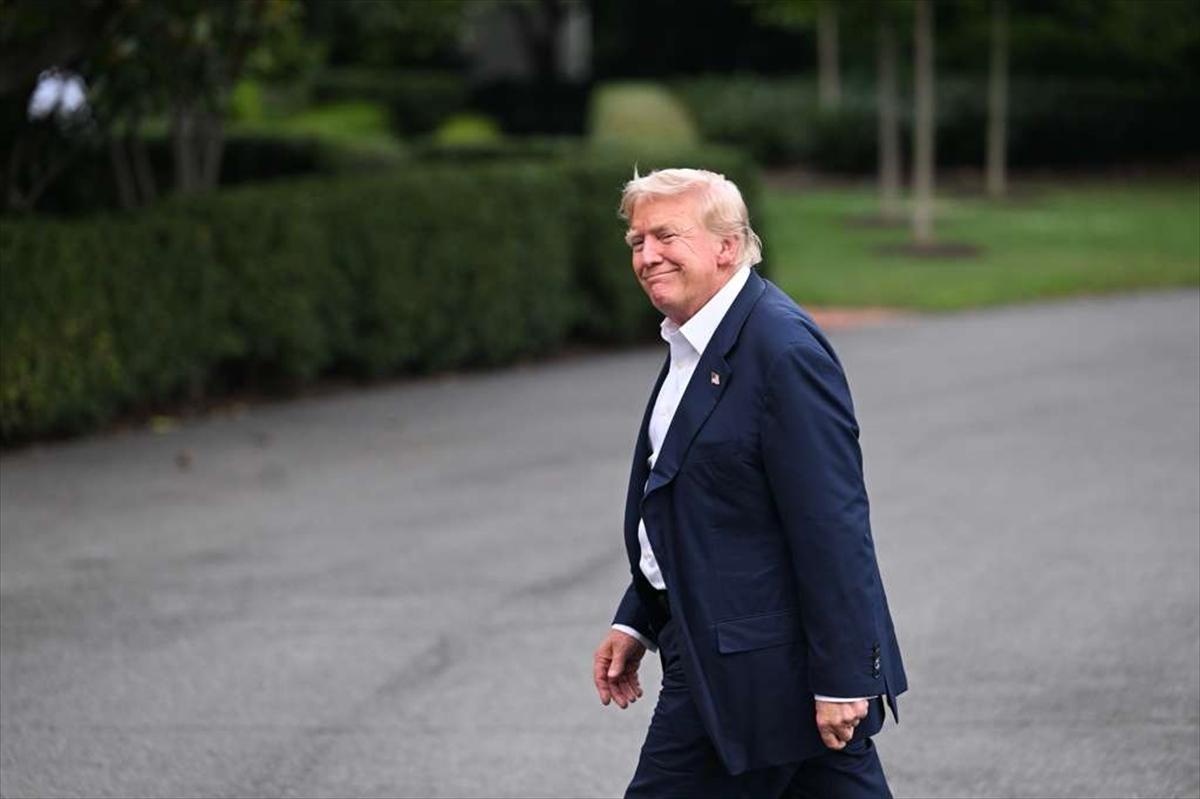
United States' Global Tariff Regime and New Customs Policies (August 2025)
The Trump administration introduced a number of new customs duties on 31 July 2025 through Presidential Proclamation titled “Further Modifying the Reciprocal Tariff Rates”. These measures constitute a continuation of the “Liberation Day” tariffs announced on 2 April 2025 and comprehensively redefine differentiated tariff rates applied against countries with trade deficits. Under the new tariff regime, special tariff rates have been set for 69 countries ranging from 10% to 41%. A universal tariff
ENEdanur Karakoç
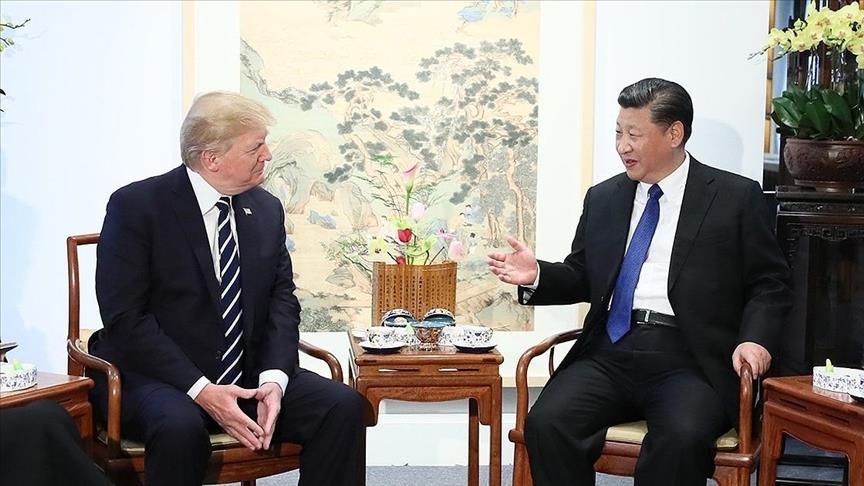
Donald Trump - Xi Jinping Meeting (2025)
Donald Trump – Xi Jinping Meeting is a face-to-face meeting held on 30 October 2025 in Busan, South Korea, between United States President Donald Trump and the President of the People’s Republic of China Xi Jinping. The meeting marked the first diplomatic encounter between the two leaders in six years. The meeting took place at Gimhae Air Base in Busan, South Korea. It lasted approximately 100 minutes. The two leaders last met in October 2019 at the G20 Summit in Osaka, Japan. The meeting occurr
ENEdanur Karakoç
CuCustoms Tariffs
Customs tariffs are among the most important and oldest restrictions placed on the free flow of goods between countries. The economic effects of tariffs are based on the functioning of the price mechanism. They prevent the entry of goods that are not beneficial to the country and protect newly established young industries against foreign competition. Customs tariffs are divided into two categories according to their basis of establishment: autonomous tariffs and contractual tariffs. 1. Autonomou
EN
Melike Saraç