

`tanzimat-period` Related Article Results
 Co
CoComparative Literature (Book)
Comparative Literature is a collection of articles by Turkish literary scholar Professor Dr. İnci Enginün, examining the application of comparative literature theory within Turkish literature. Published as part of Dergâh Publications’ “Turkish Literature – Studies” series, the work was first published in October 1992, comprising 374 pages, and reached its fourth edition as of September 2017. Content and Structure The articles in the volume explore the opportunities offered by comparative literat
EN
Muhammed Samed Acar
Ottoman Bank
The Ottoman Bank, established in 1856 with British capital, assumed the role of the official state bank and de facto central bank of the Ottoman Empire after forming a partnership with French capital in 1863 and adopting the name Bank-ı Osmanî-i Şahane. With its multinational structure, it occupied a central position in financial administration while also functioning as a quasi-public financial institution engaged in commercial activities. Until 1933, the bank retained the exclusive right to iss
EN
Denizcan Taşci
Admiral Byng (Book)
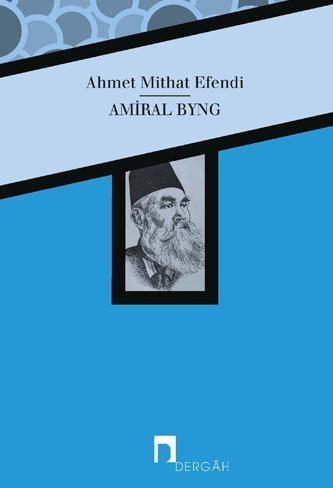
"Admiral Byng" is a historical novel written by Ahmet Mithat Efendi (1844–1912), one of the most prolific and significant figures in Turkish literature, and prepared for publication by İnci Enginün as part of Dergâh Publications’ "Turkish Literature" series. The novel centers on the trial and execution of British Admiral John Byng following his defeat by the French navy at Minorca during the mid-eighteenth-century Seven Years’ War. Ahmet Mithat Efendi adapted this historical event from a French
ENMuhammed Samed Acar
ThThe Art of Being a Father (Book)
The Art of Being a Father is a pedagogical and social essay written by Ahmet Mithat Efendi (1844–1912), one of the most prolific and pioneering authors of the Tanzimat Era, and prepared for publication by Gizem Akyol, then published by Dergâh Yayınları. The work critically examines the purpose of marriage, the importance of raising good children, and the differences between Western and Ottoman concepts of marriage, particularly aimed at young people. The book, printed in October 2013, consists o
EN
Duygu İrem Erge
MeMecmû’atü’t-Terâcim
Mecmû’atü’t-Terâcim is a biography collection written by Şeyhülislâm Ârif Hikmet Bey (d. 1262/1846), featuring the lives of 1134 poets, scholars, writers, and Sufis who lived in various periods. The title of the work, Mecmû’atü’t-Terâcim, corresponds to the year 1234 AH / 1819 CE, marking the date of its composition according to the abjad system. (Kemikli 2003: 51) ">【1】 The author, in this Arabic-language work, continues the classical Islamic biographical tradition while documenting many fig
EN
Büşranur Akpınar
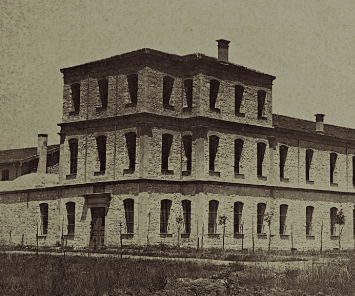
Agricultural Schools
Agriculture schools were educational institutions established during the Ottoman Empire and in the early years of the Republic of Türkiye to teach modern agricultural techniques, train qualified personnel, and enhance agricultural production. These schools emerged as part of the modernization efforts that began with the Tanzimat period, driven by the need to renew agricultural practices. Founding Reasons and Objectives In the 19th century, although agriculture formed the foundation of the Ottoma
ENYunus Emre Yüce
ShShaytankaya Talisman (Book)
The Shaitankaya Talisman is a novel written by Ahmet Mithat Efendi (1844–1912), one of the most versatile and prolific figures of the Tanzimat period in Turkish literature, and prepared for publication by İsmail Kayapınar, then published by Dergâh Yayınları. The work can be described within Ahmet Mithat Efendi’s complete oeuvre as a small-scale love story. The novel centers on human relationships shaped by the social interactions of the era, particularly those between different social classes. T
ENDuygu İrem Erge
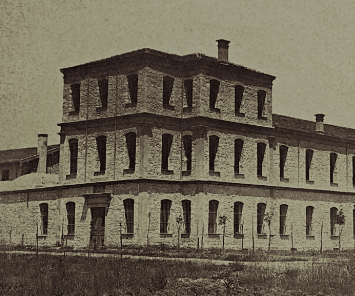
Agricultural Schools
Agriculture Schools are educational institutions established during the Ottoman Empire and the early years of the Republic of Türkiye to teach modern agricultural techniques, train qualified personnel, and enhance agricultural production. These schools emerged as part of the modernization efforts that began with the Tanzimat period, driven by the need to renew agriculture. Founding Reasons and Objectives In the 19th century, although agriculture formed the foundation of the Ottoman state’s econo
ENYunus Emre Yüce