

`synapse` Related Article Results
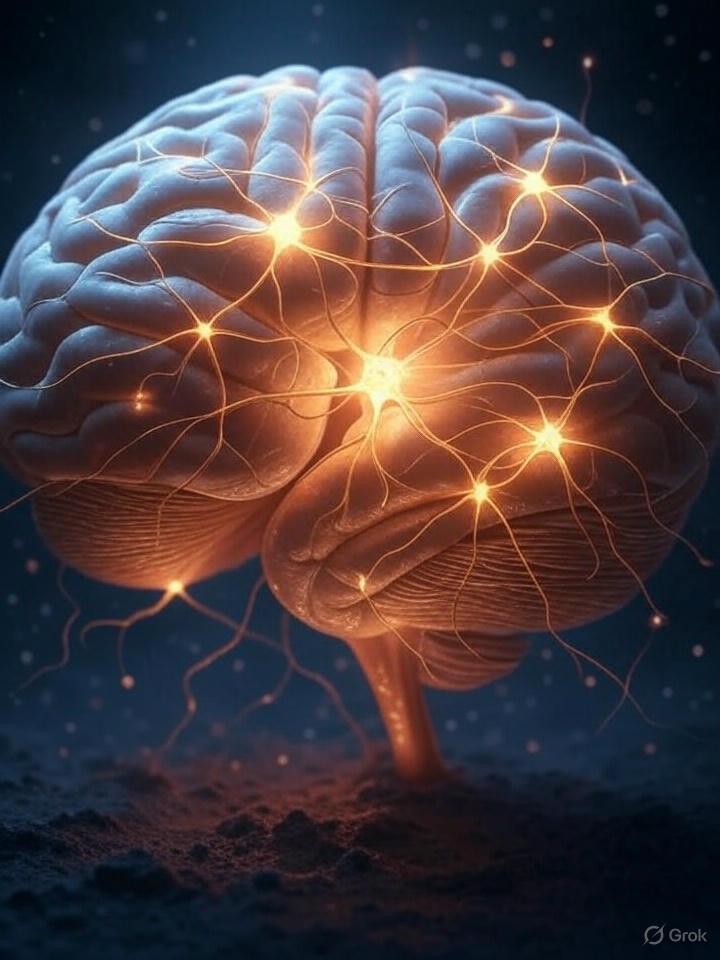
Brain Plasticity
Neuroplasticity refers to the ability of the nervous system to adapt structurally and functionally to environmental experiences, learning, or trauma. This concept is based on the idea that the brain is not a fixed and unchanging structure but rather a system capable of reorganization throughout life. Neuroplasticity plays a central role in learning processes because acquiring new knowledge, developing skills, and experiencing events require the rearrangement of synaptic connections. What Is Neur
EN
Nida Üstün
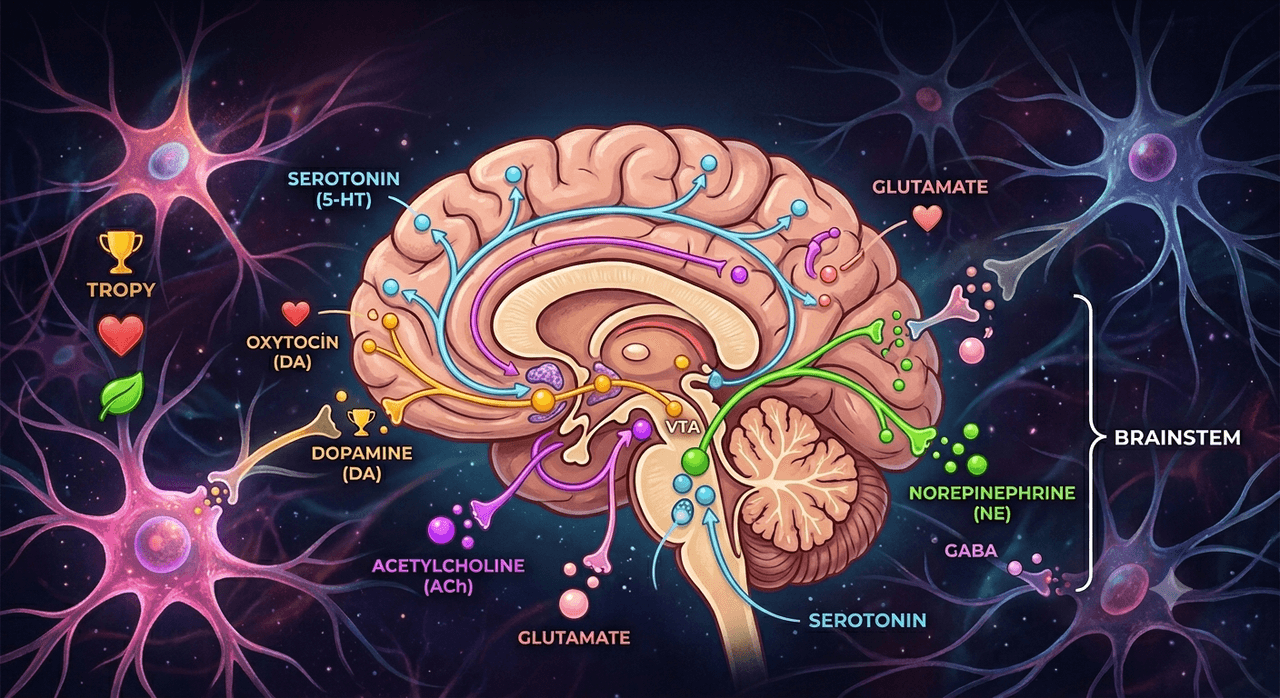
Why Do We Feel Happy, Sad, or in Love? The Role of Neurotransmitters
For much of our lives, we describe ourselves as being in various emotional states such as happy, sad, anxious, or in love. Often we notice that these emotions produce physical symptoms—for example, your heart racing the day before an important exam, or the physical pain you feel when you see the person you are in love with with someone else. Why do we experience these physical symptoms? What factors influence the formation and regulation of our emotions? The answer is not as simple as it may see
EN
Deva Yiğit