

`sustainable-cities` Related Article Results
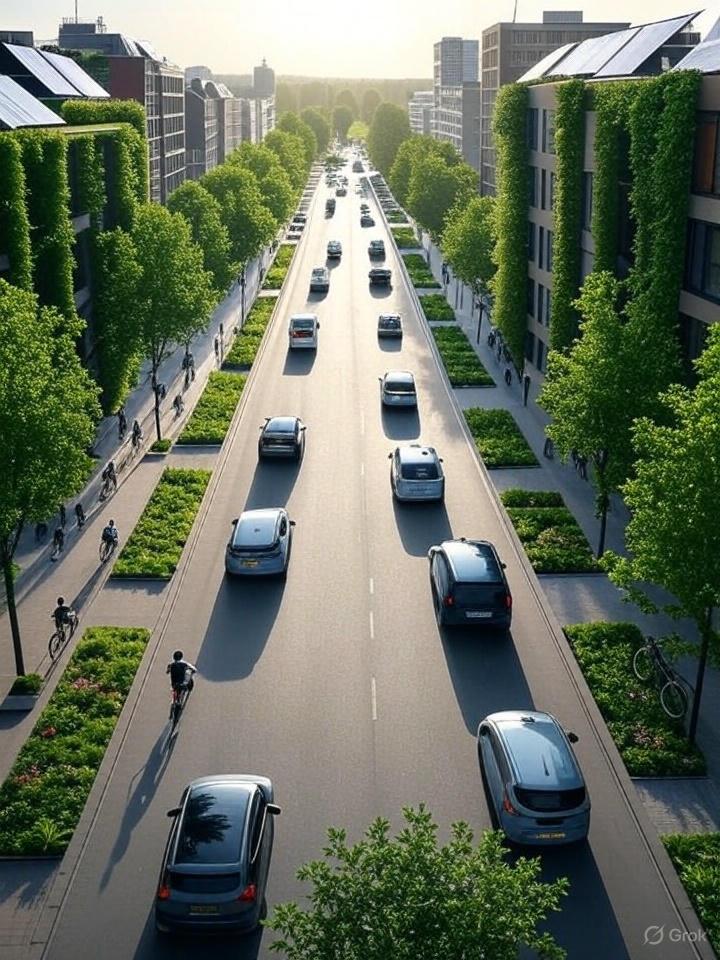
Sustainable Cities
Sustainable cities are urban centers built on the principles of environmental, social, and economic sustainability, aiming to combat climate change, use resources efficiently, and create inclusive, safe, resilient, and equitable communities. Today, approximately half of the world’s population—3.5 billion people—lives in cities, and this share is expected to reach 60 percent by 2030 and 75 percent by 2050. This rapid urbanization leads cities to account for 60 to 80 percent of global energy consu
EN
Kardelen Durukan
 Ge
GeGeography and Human Settlements
Geography is a scientific discipline that studies the physical characteristics of the Earth's surface, its climate, vegetation, and human activities. Human settlements constitute one of the human elements of geography and have been shaped by environmental factors throughout history. The distribution of settlements, population density, urbanization processes, and rural life are closely related to geographic conditions. Geographic Determinants of Settlements Many factors have influenced the select
ENHarun Kocatürk
İlhan Tekeli
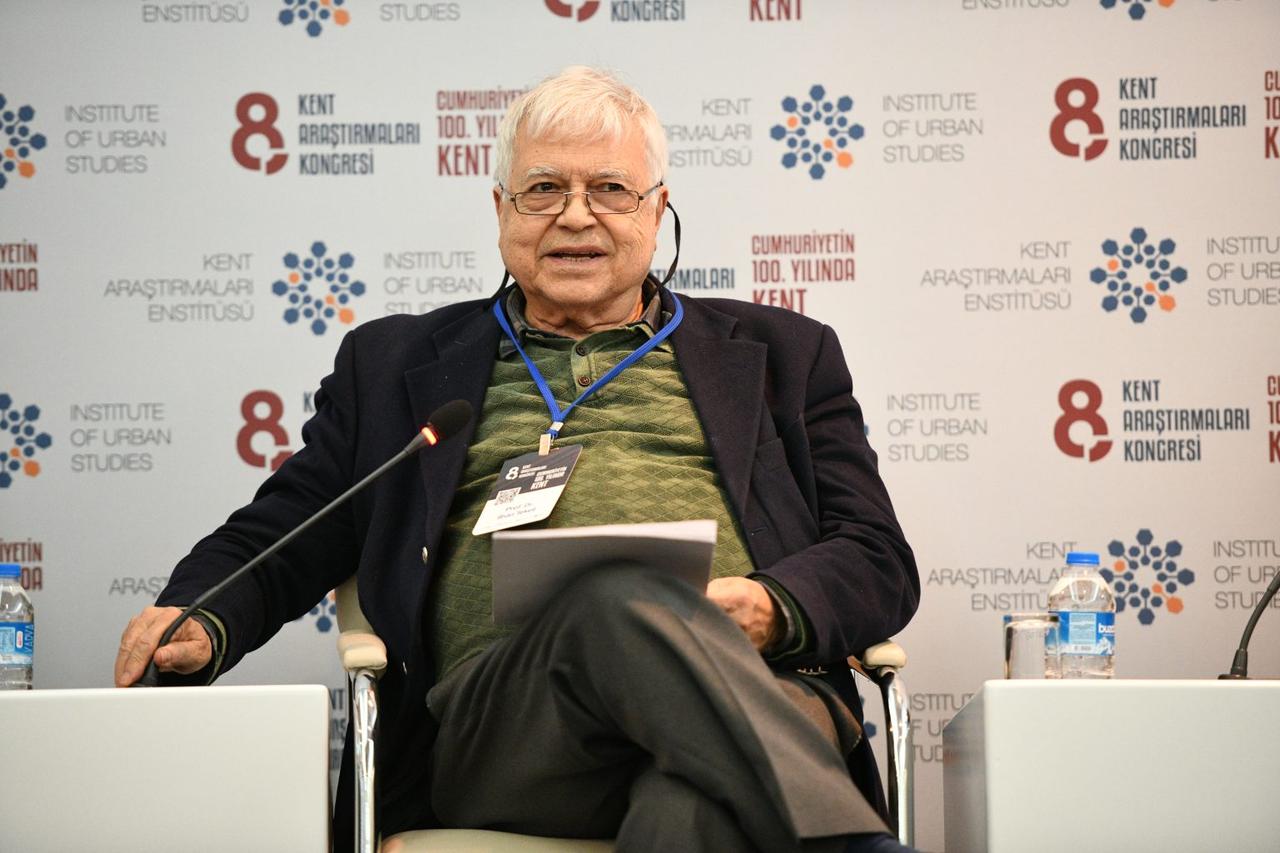
İlhan Tekeli (11 November 1937, İzmir) is a Turkish urban and regional planner, academic, writer and thinker. He is known for his contributions in the fields of urbanism, local governance, urban history, planning theory and social sciences in Türkiye. He is among the academics who significantly contributed to the development of the planning discipline in Türkiye. Early Life and Education İlhan Tekeli was born in İzmir in 1937. He completed his primary and secondary education in İzmir. After grad
EN
Berna Çamur
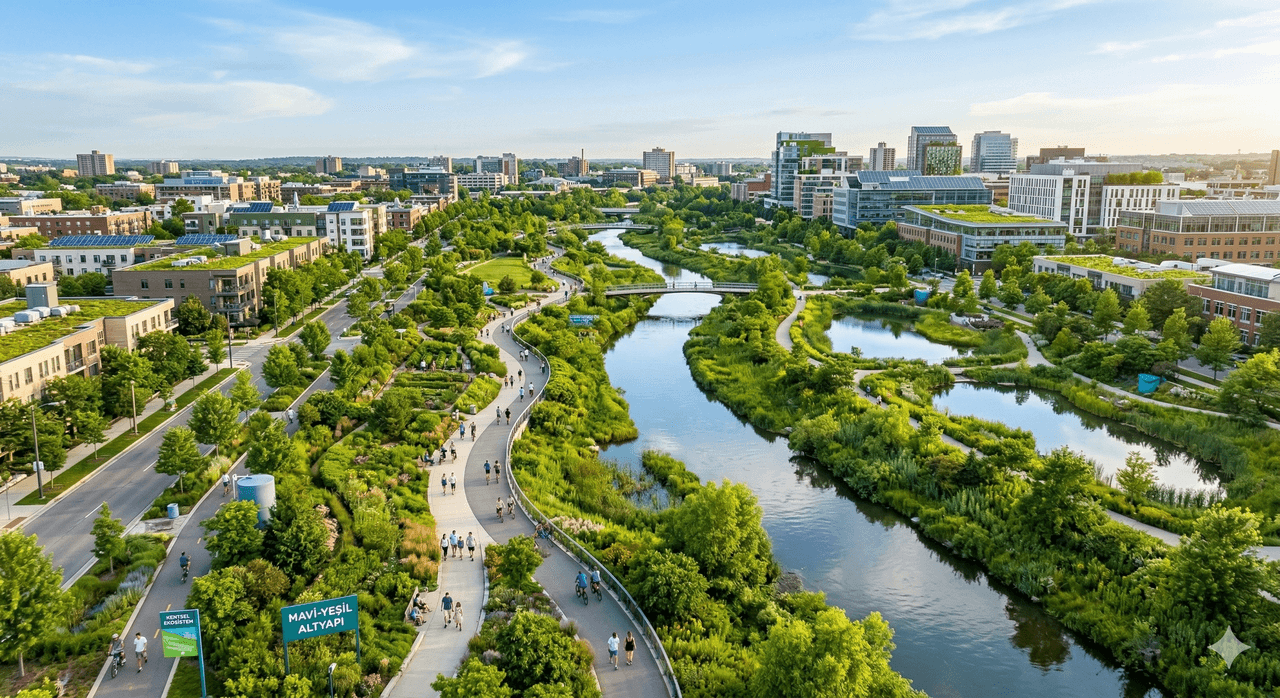
Blue-Green Infrastructure
Blue-Green Infrastructure is an ecological planning approach that integrates natural (blue and green) elements with the built environment to make rapidly growing cities, driven by population increase and urbanization, more resilient to climate change and sustainable. This approach is defined as a system that utilizes nature-based processes to restore the hydrological functions of urban landscapes, manage stormwater at its source, improve water quality, and enhance ecosystem services. In urban ar
EN
Almina Ecenur Ergünay