

`sustainable-agriculture` Related Article Results
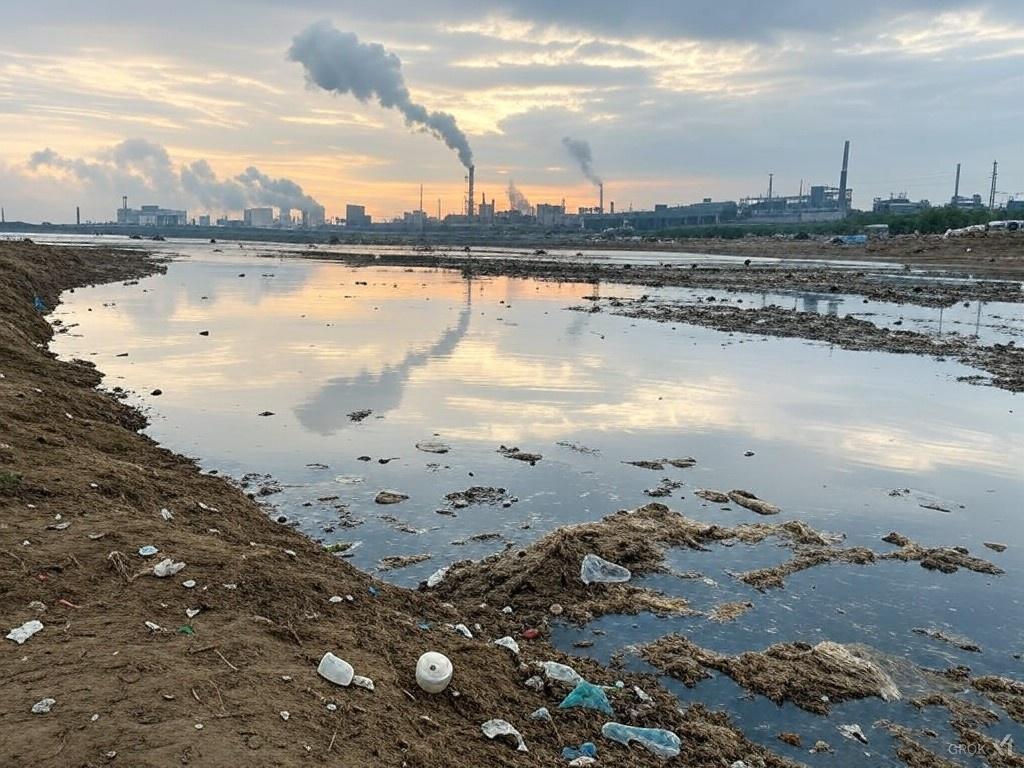
Technologies Developed to Stop Global Warming
Global warming is one of the most significant challenges caused by increased greenhouse emissions due to human activities. To address this issue, science people and engineers are developing various technologies. Many innovative approaches exist to halt global warming. Image generated using artificial intelligence " image-alternate="" image-element-format="right"> Renewable Energy Technologies Reducing Fossil fuel consumption is one of the fundamental steps to prevent global warming. For this
EN
Mehmet Sığırcı
 Ag
AgAgricultural Economics: Food Security and Sustainable Development
Agricultural economics is a branch of economics that examines the use of agricultural production and resources. Agriculture, one of the oldest economic activities in human history, also holds significant importance in modern economies. Agricultural economics aims to increase the efficiency of agricultural production, ensure food security, and promote the sustainable use of natural resources. This field, where food production, rural development, exports and environment policies converge, has a br
EN
Mesut Altunkaynak
AgAgroecology
Agroecology is an interdisciplinary approach that integrates ecological principles into agricultural practices with the goal of creating sustainable farming and food systems. This approach is recognized not only as a scientific discipline but also as a set of agricultural practices and a social movement. The fundamental aim of agroecology is to ensure environmental social and economic sustainability in food production. Basic Definitions and Scope Agroecology is defined in various ways across dif
ENYunus Emre Yüce
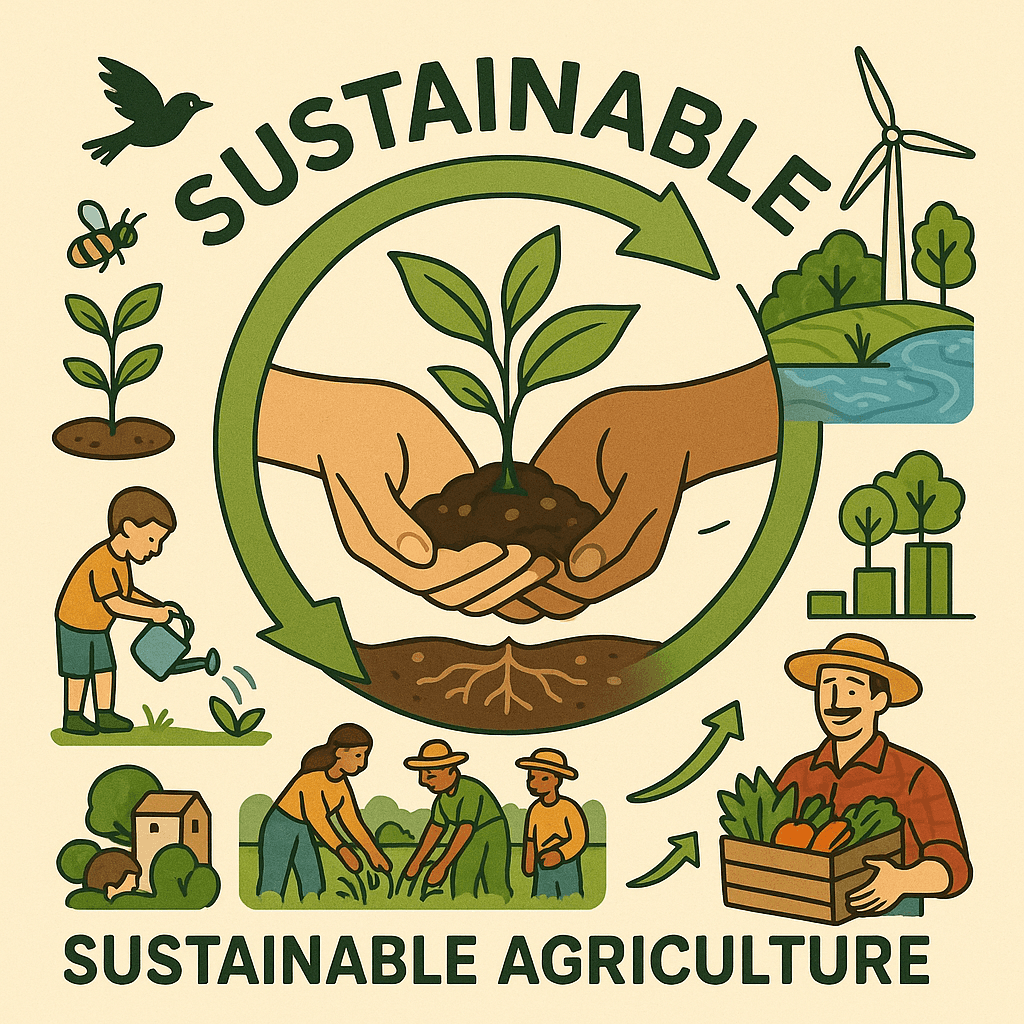
Sustainable Agriculture
Sustainable agriculture refers to an agricultural structure that employs farming techniques that do not harm the environment, alongside the conservation of natural resources in the long term. Fundamentally, it aims to continue agricultural production by meeting the needs of the present without compromising the ability of future generations to meet their own needs. This approach targets a balance in agronomic, environmental, social, and economic dimensions of agricultural production. Fundamental
ENYunus Emre Yüce
FuFungal Secondary Metabolites
Fungal secondary metabolites are biologically active small molecules produced by fungi not directly required for their primary life functions such as growth reproduction or energy production but synthesized to adapt to environmental conditions compete defend themselves or interact with other organisms. Properties of Fungal Secondary Metabolites Fungal secondary metabolites are low molecular weight compounds typically synthesized during specific developmental stages or under environmental stress
EN
PINAR GÜNER
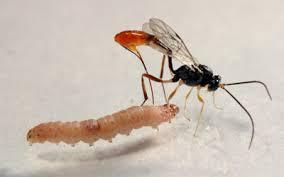
Venturia canescens
Venturia canescens is a solitary endoparasitoid species used primarily to combat larval stages of pest insects in storage facilities. V. canescens is a small parasitoid, measuring 3–5 mm in size. Its body is slender and delicate, typically colored in light brown or yellowish tones. Its wings are transparent and finely veined. The antennae are long and segmented. The abdomen is narrow and slightly curved. Females possess a specialized ovipositor for depositing eggs inside host larvae. The larval
ENPINAR GÜNER
EnEntomopathogenic Fungi
Entomopathogenic fungi are pathogenic microorganisms commonly found in nature that infect insects and other arthropods, leading to their death. The term, derived from the Greek words “entomo” (insect) and “pathogen” (disease-causing), describes organisms that function as natural enemies in ecosystems and play a crucial role in suppressing pest insect populations. Their use in agriculture, forestry, and public health as biological control agents is increasingly widespread due to their environment
ENPINAR GÜNER
BiBiopesticides
Biopesticides are biological substances or living organisms used to control harmful organisms such as insects, fungi, weeds, bacteria, and viruses. Developed as alternatives to chemical pesticides, biopesticides have gained importance due to their environmentally friendly nature and their role in sustainable agricultural practices. History The origins of biopesticides date back to ancient times. It is known that in the 4th century AD in China, ant colonies were used to control pests in citrus or
ENPINAR GÜNER
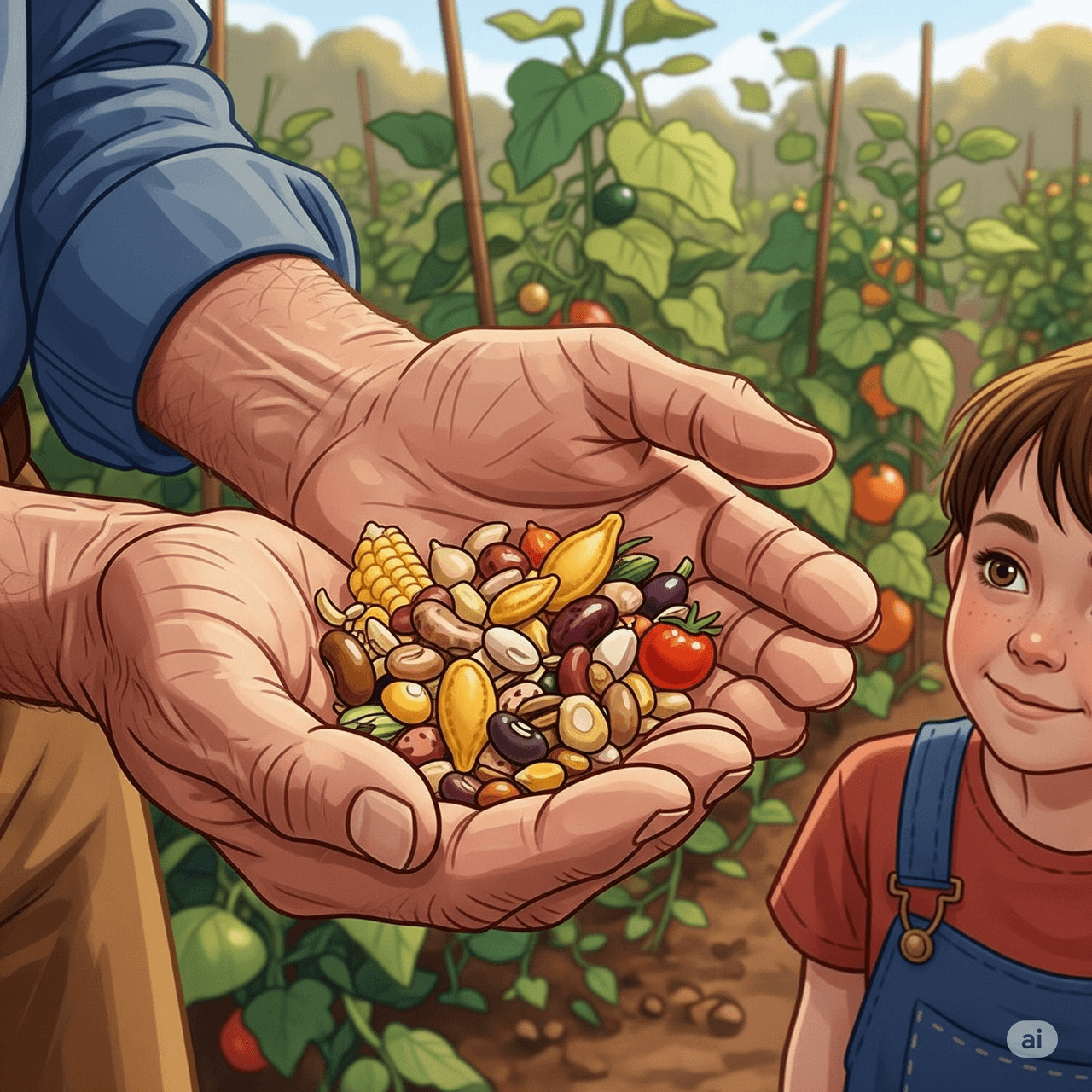
What is Ata Tohumu?
Heirloom seeds are native and natural seeds that have been passed down from generation to generation without genetic modification. For hundreds of years, these seeds have been planted and preserved by farmers and transmitted across generations. Today, they play a vital role in preserving food diversity. Historical Significance Heirloom seeds are regarded as an integral part of cultural heritage from the past to the present. In agricultural centers such as Anatolia, heirloom seeds have been used
EN
Rüya Dumlu

What Is Soil Fatigue?
Soil fatigue is the condition in which soil loses its nutrients and vitality due to the prolonged cultivation of the same plant species in the same area. Minerals in the soil decrease, its water retention capacity declines, and plants fail to develop properly. This leads to yield losses in agriculture and long-term degradation of soil health. Causes Continuous cultivation of a single crop type, along with improper fertilization and irrigation methods, contributes to soil fatigue. Beneficial micr
ENRüya Dumlu