

`supermassive-black-hole` Related Article Results
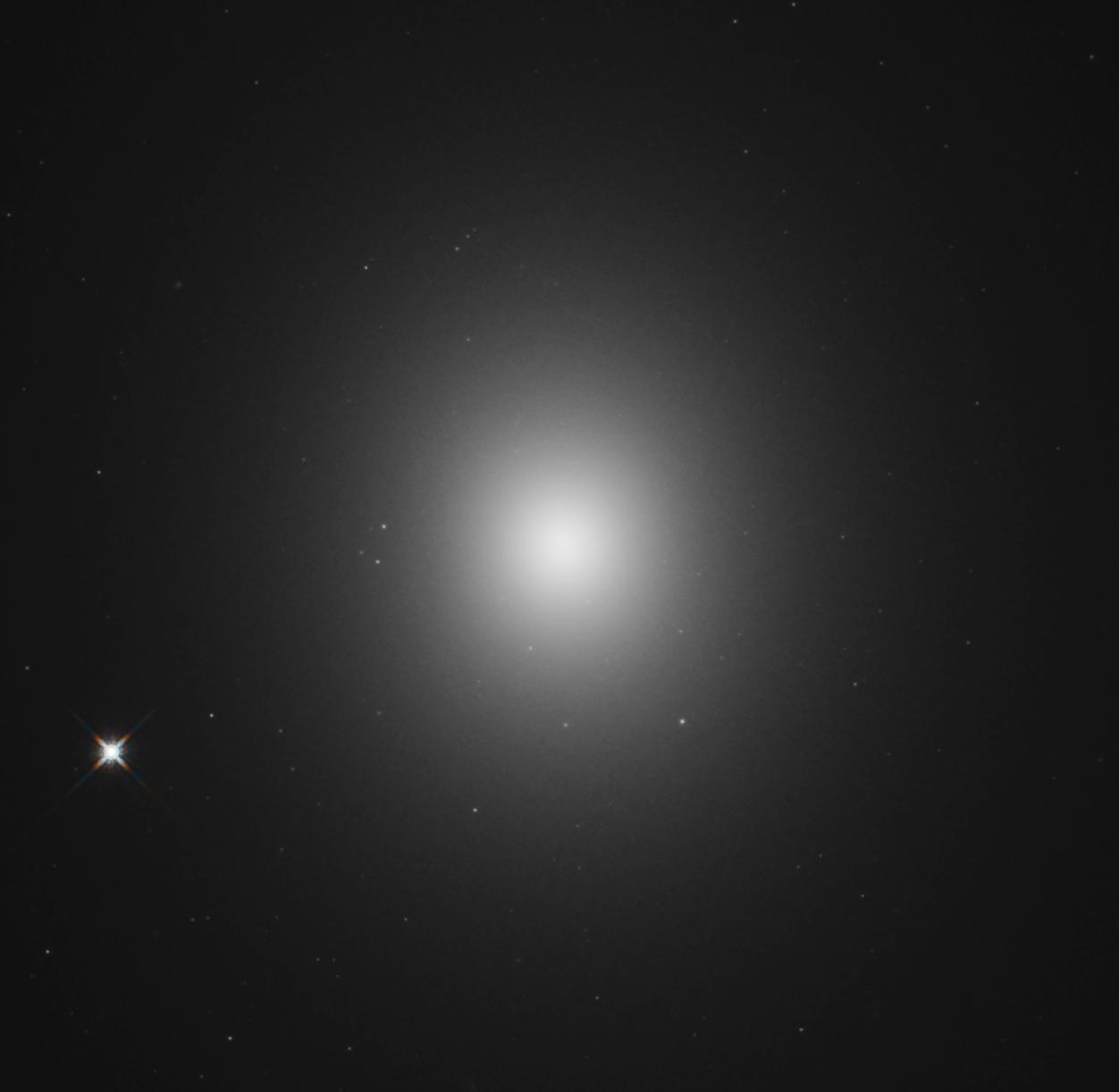
Messier 49 Galaxy
Messier 49 Galaxy is a massive elliptical galaxy located in the direction of the Virgo constellation. It was discovered on February 19, 1771, by French astronomer Charles Messier and is the first elliptical galaxy to be included in the Messier Catalogue. M49 is situated approximately 55.9 million light-years from Earth and is classified as one of the brightest galaxies within the Virgo Cluster. Structural and Morphological Properties Messier 49 is classified as an E2 elliptical galaxy. Elliptica
EN
Osman Özbay
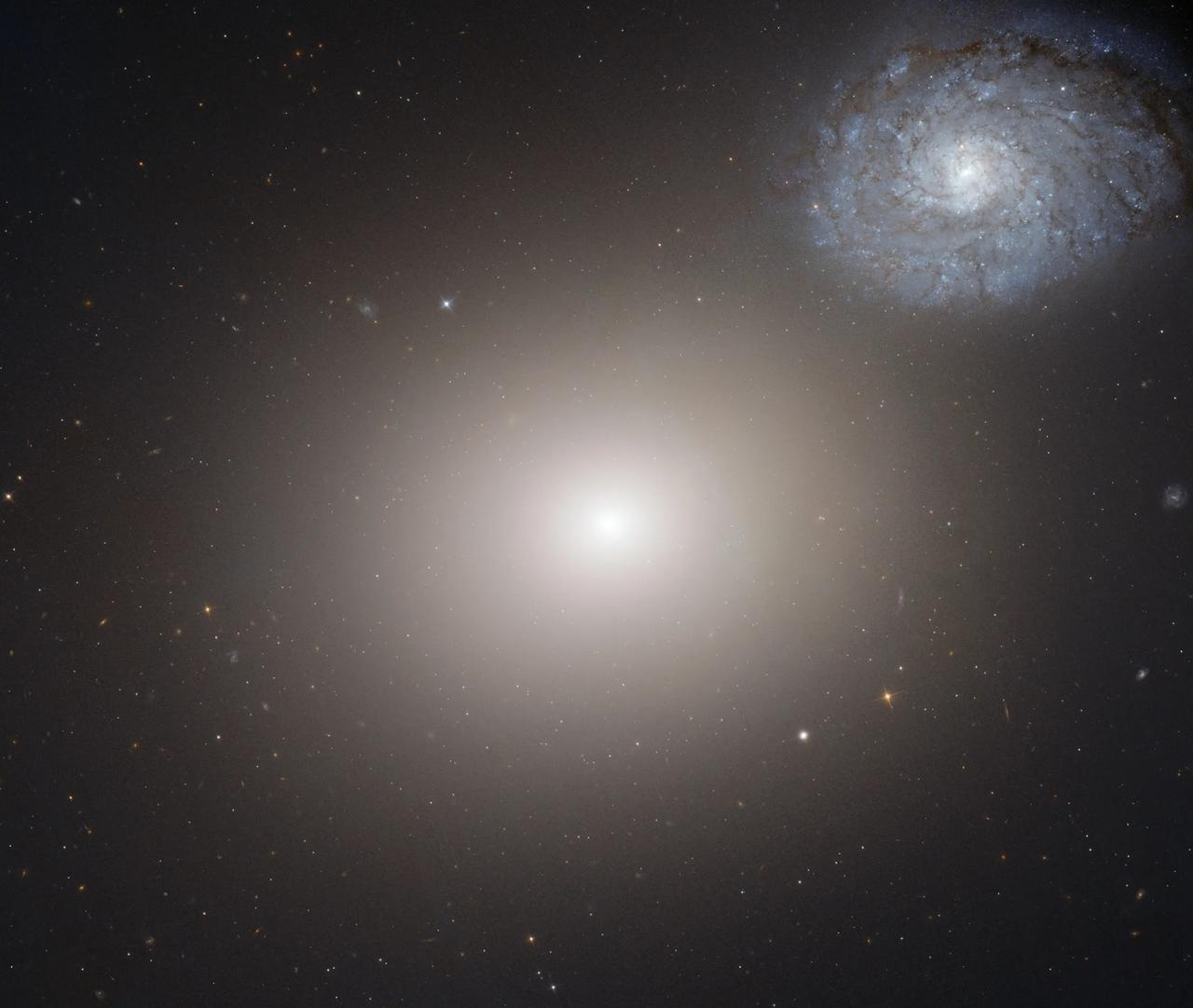
Messier 60 Galaxy
Messier 60 Galaxy is an elliptical-type galaxy located in the direction of the Virgo constellation. Discovered on April 15, 1779, by Johann Gottfried Koehler, the celestial object was also independently observed the same year by Charles Messier and included in the Messier Catalog as number 60. M60 is one of the giant elliptical galaxies in the Virgo Cluster and attracts the attention of the scientific community with its structural features, particularly its mass, size, and the supermassive black
ENOsman Özbay
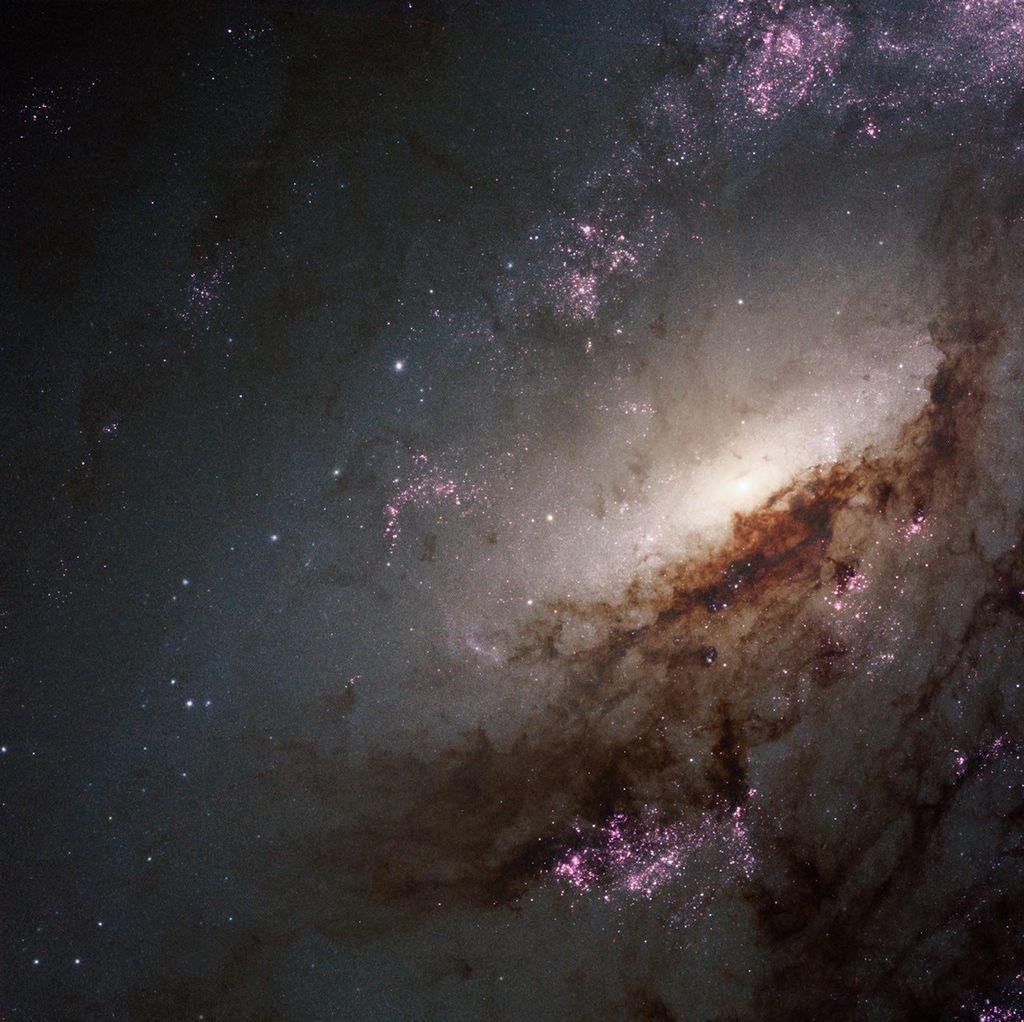
NGC 4258 (Messier 106)
NGC 4258 is a spiral galaxy located relatively close to the Milky Way and possessing an active galactic nucleus. Also known as Messier 106, this celestial object has been the subject of extensive observations in the fields of radio astronomy and cosmology. NGC 4258 serves as one of the fundamental reference sources for understanding galaxy structure due to its morphological features and the water masers it contains. Discovery and History NGC 4258 was discovered in 1781 by French astronomer Pierr
ENOsman Özbay
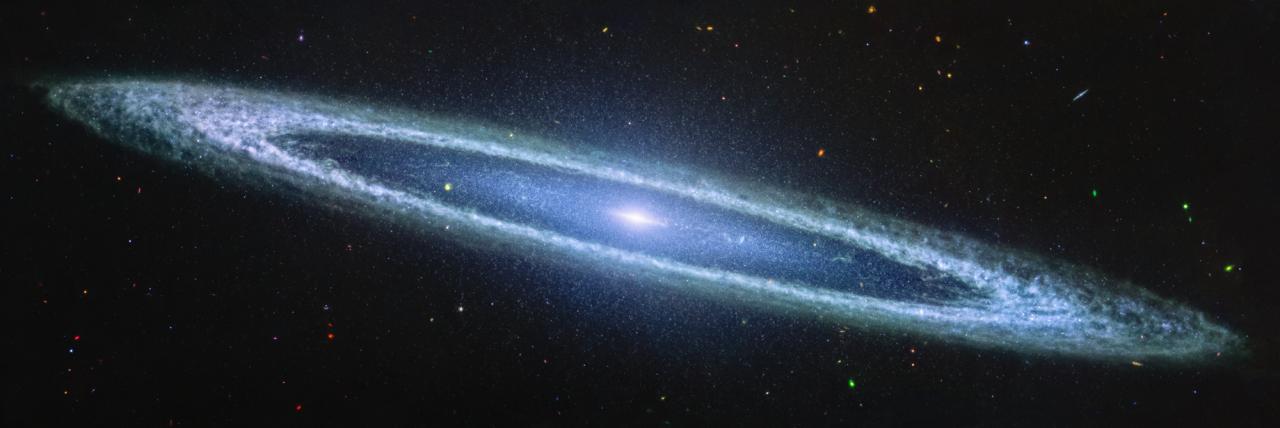
Sombrero Galaxy
Sombrero Galaxy (Messier 104 or M104) is one of the galaxies featured in modern astronomical studies due to its spiral structure and distinct morphological features. It gets its name from its appearance, which resembles a traditional Mexican "sombrero" hat when observed. This look results from the combination of the galaxy's bright central bulge and its planar dust lane. AI-Visualized Image of the Sombrero Galaxy. " image-element-format="justify" image-source="https://cdn.t3pedia.org/media/uploa
ENOsman Özbay
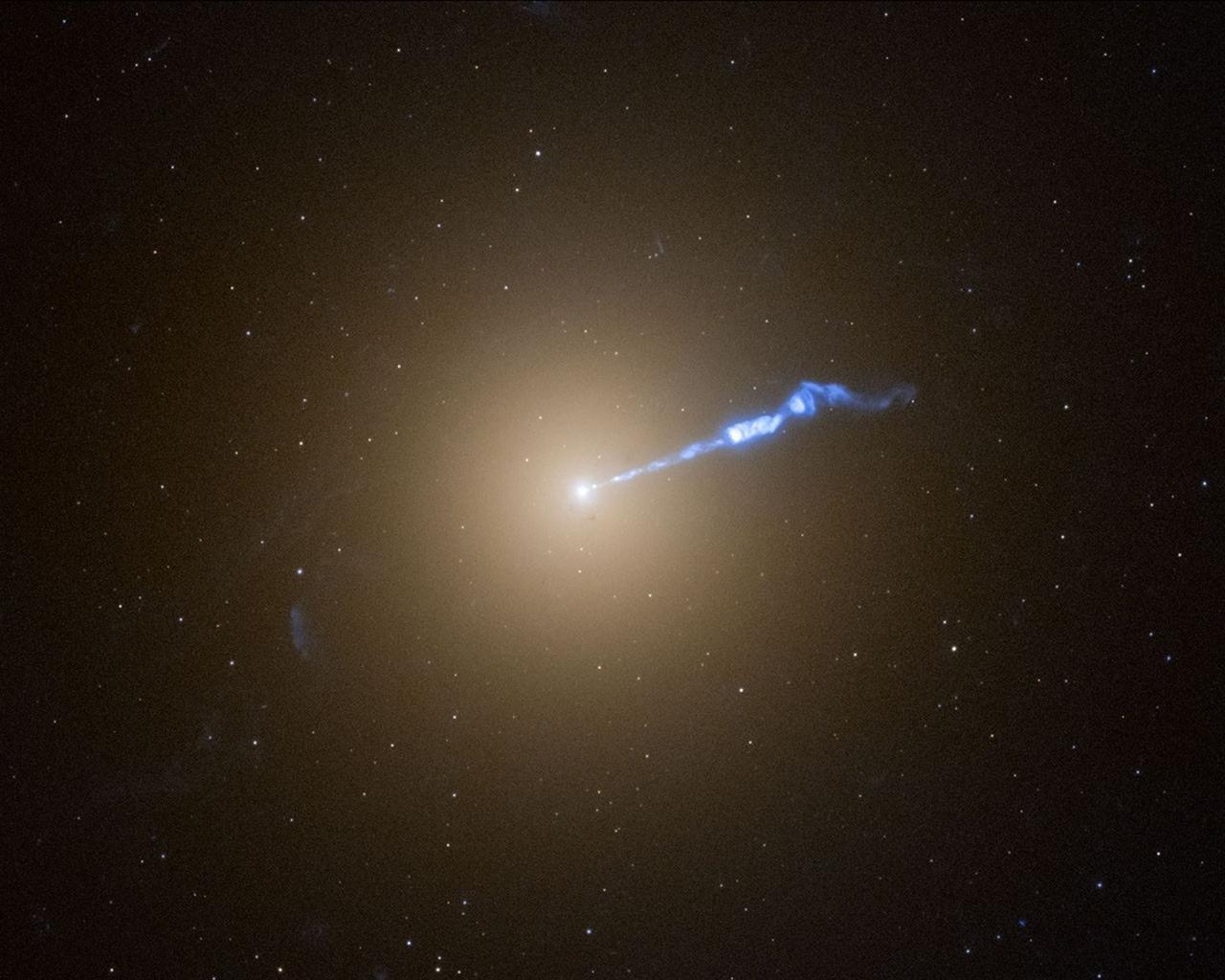
Messier 87 (M87)
Messier 87 (M87) is a massive elliptical galaxy located in the Virgo constellation. It was discovered in 1781 by French astronomer Charles Messier and is listed as the 87th object in the Messier catalog. Located approximately 53.5 million light-years from Earth, this galaxy is one of the largest and brightest members of the Virgo Cluster. It is particularly significant in astrophysical research due to the supermassive black hole at its center and the relativistic jet emitted from it. AI-Generate
ENOsman Özbay
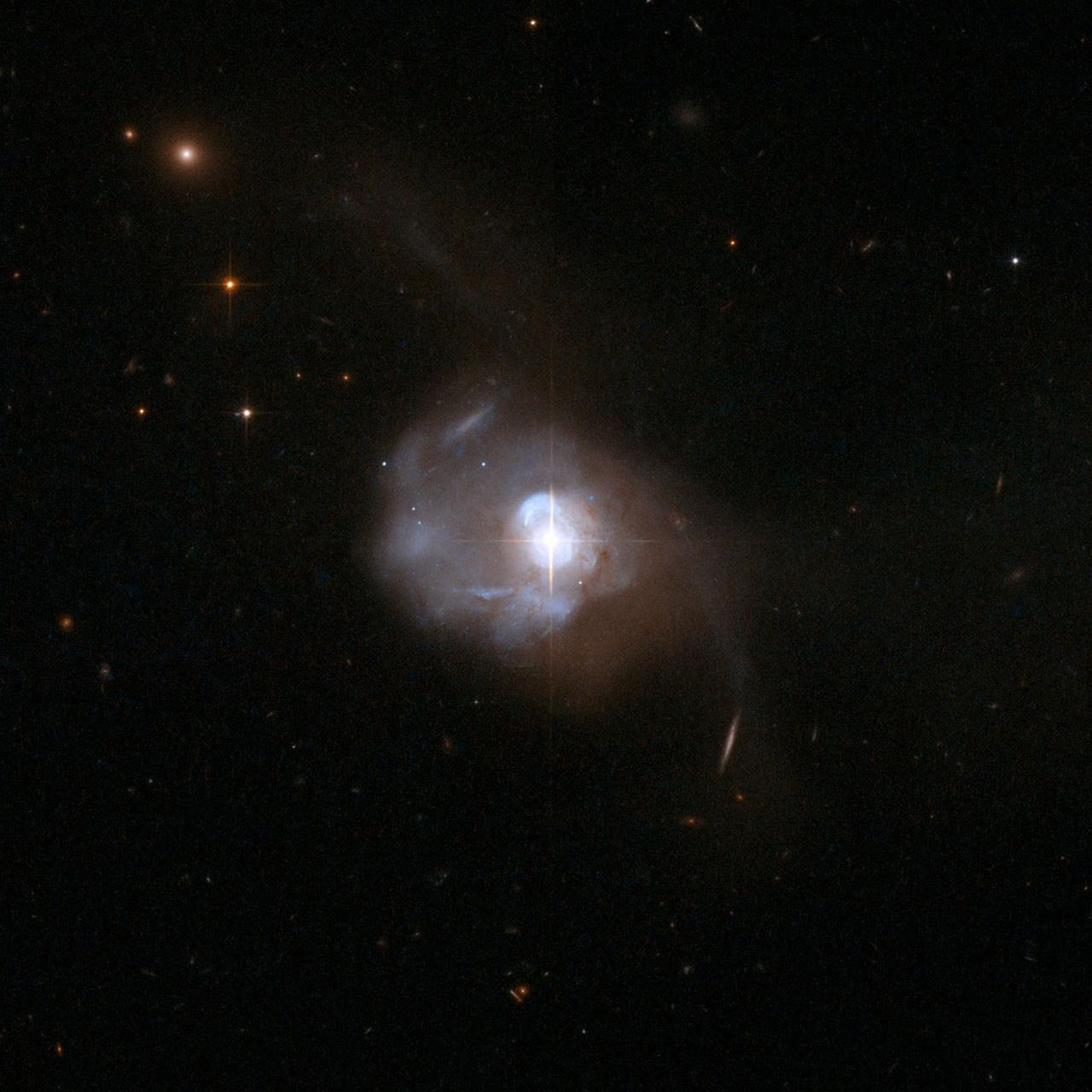
Markarian 231 Galaxy
Markarian 231 Galaxy is a galaxy located approximately 581 million light-years away in the direction of the Virgo constellation, and it possesses an active galactic nucleus (AGN). This celestial object is a critical target in astrophysical research due to its classification as both one of the nearest quasar-like objects and an ultraluminous infrared galaxy (ULIRG). The galaxy is named after astronomer Benjamin Markarian, who cataloged active galactic nuclei in the 1960s. General Characteristics
ENOsman Özbay
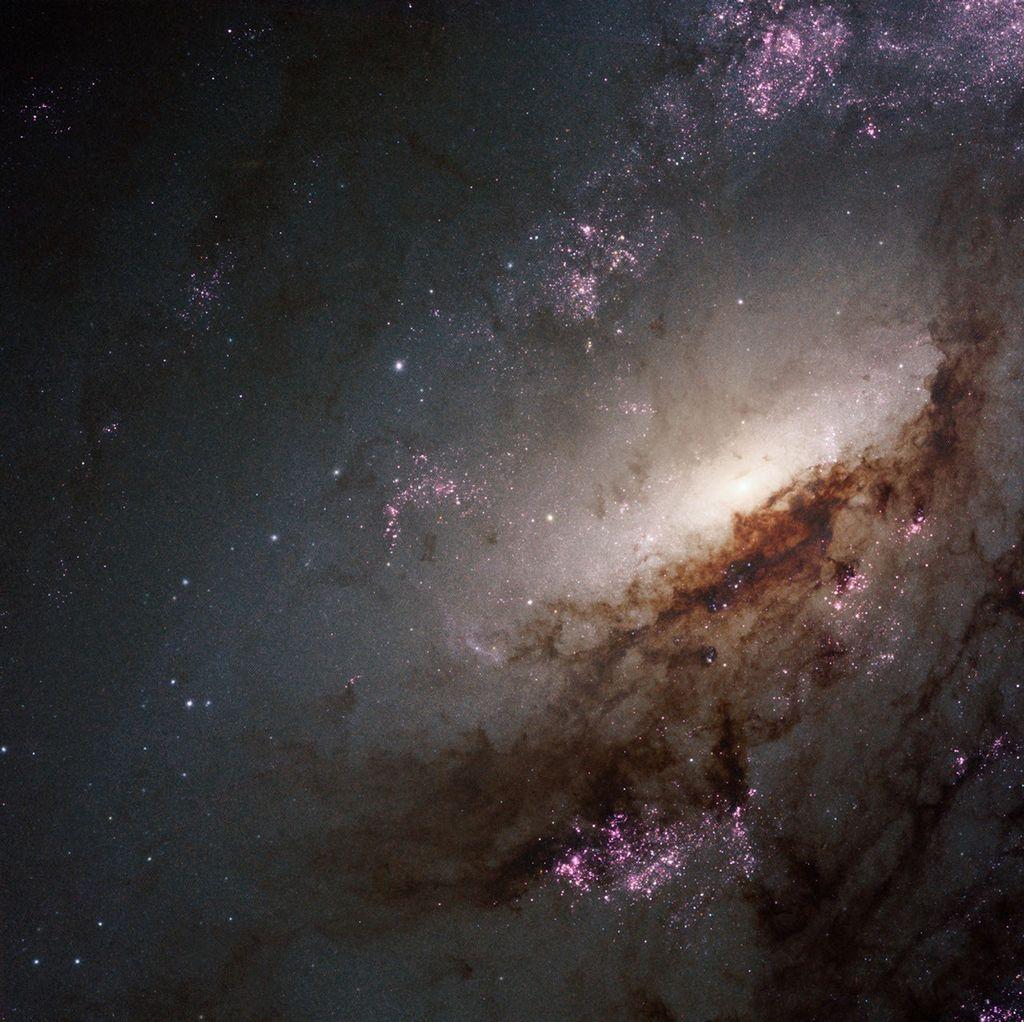
NGC 4258 Galaxy (Messier 106)
NGC 4258 is a spiral galaxy located relatively close to the Milky Way and possesses an active galactic nucleus. Also known as Messier 106, this celestial object has been the subject of observations particularly in the fields of radio astronomy and cosmology. Due to both its morphological characteristics and the presence of water masers, NGC 4258 is used as a fundamental reference in understanding galactic structure. NGC 4258 (Messier 106). (NASA) " image-element-format="right" image-source="http
ENOsman Özbay