

`superheavy-elements` Related Article Results
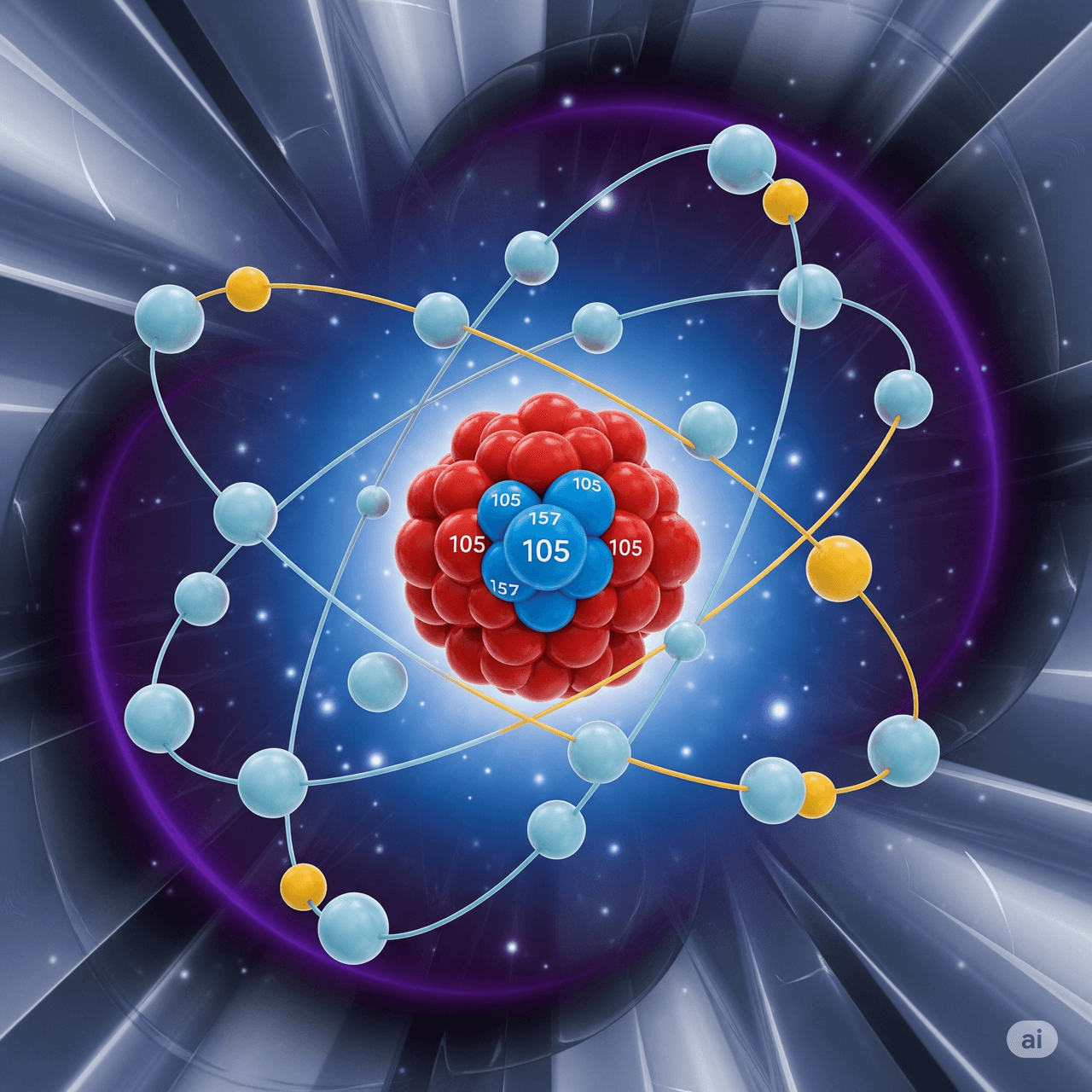
Dubnium Element
Dubnium is a synthetic element with the symbol Db and atomic number 105. It does not occur naturally and is produced only in laboratories. It is radioactive and has a very short half-life, so it is used exclusively in scientific research. History Dubnium was synthesized artificially in the 1960s by Soviet and American scientists. Its name derives from the Joint Institute for Nuclear Research in Dubna, Russia. The discovery of this element marked a significant step in the study of superheavy elem
EN
İbrahim Filiz
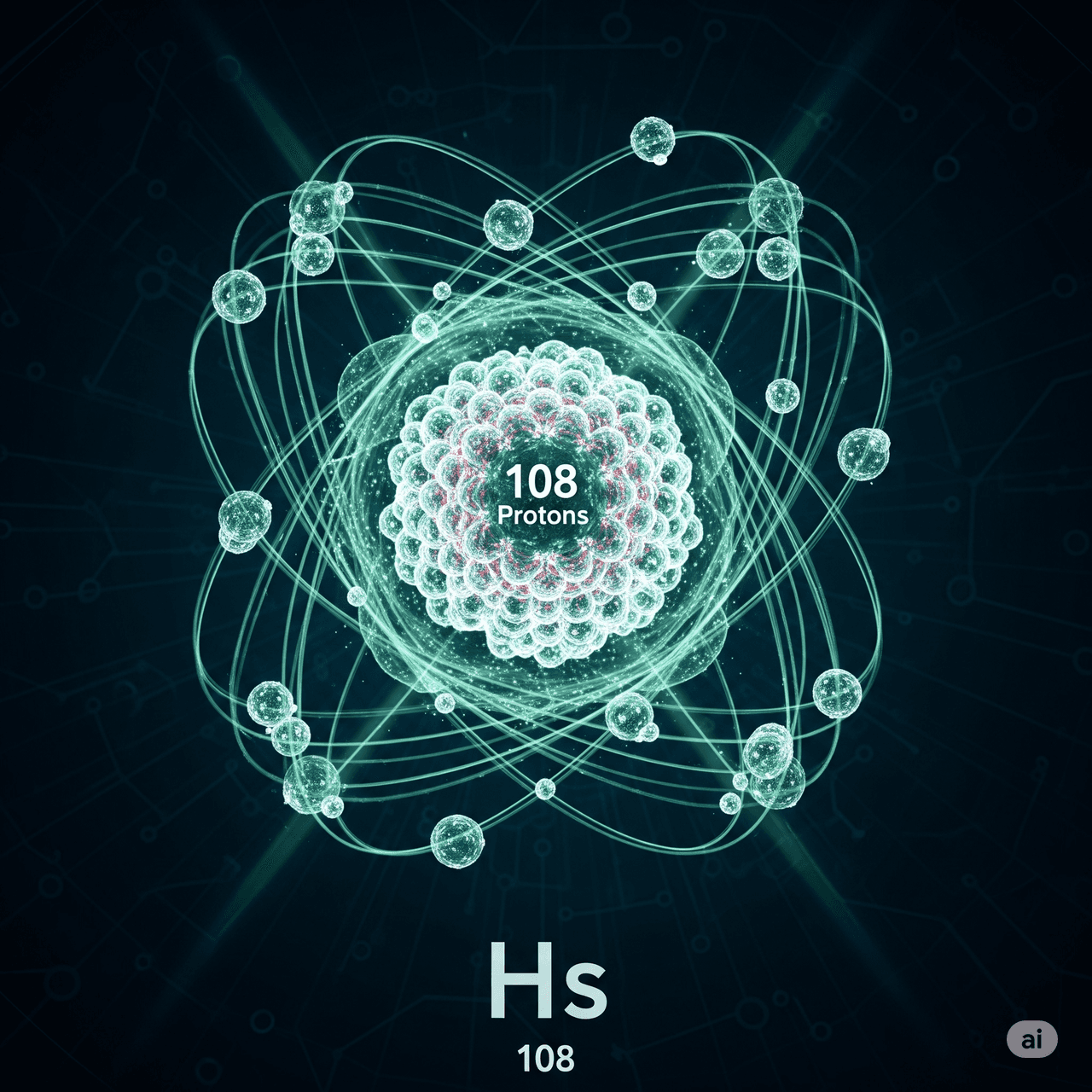
Hassium Element
Hassium is a synthetic element with the symbol Hs and atomic number 108. It does not occur in nature and is produced only in laboratory settings through specialized nuclear reactions. It is radioactive and has an extremely short half-life. As a result, scientists use hassium only in minute quantities for research purposes. History Hassium was first synthesized in 1984 at the GSI Helmholtz Centre for Heavy Ion Research in Darmstadt, Germany. Its name is derived from Hesse, the German state where
ENİbrahim Filiz
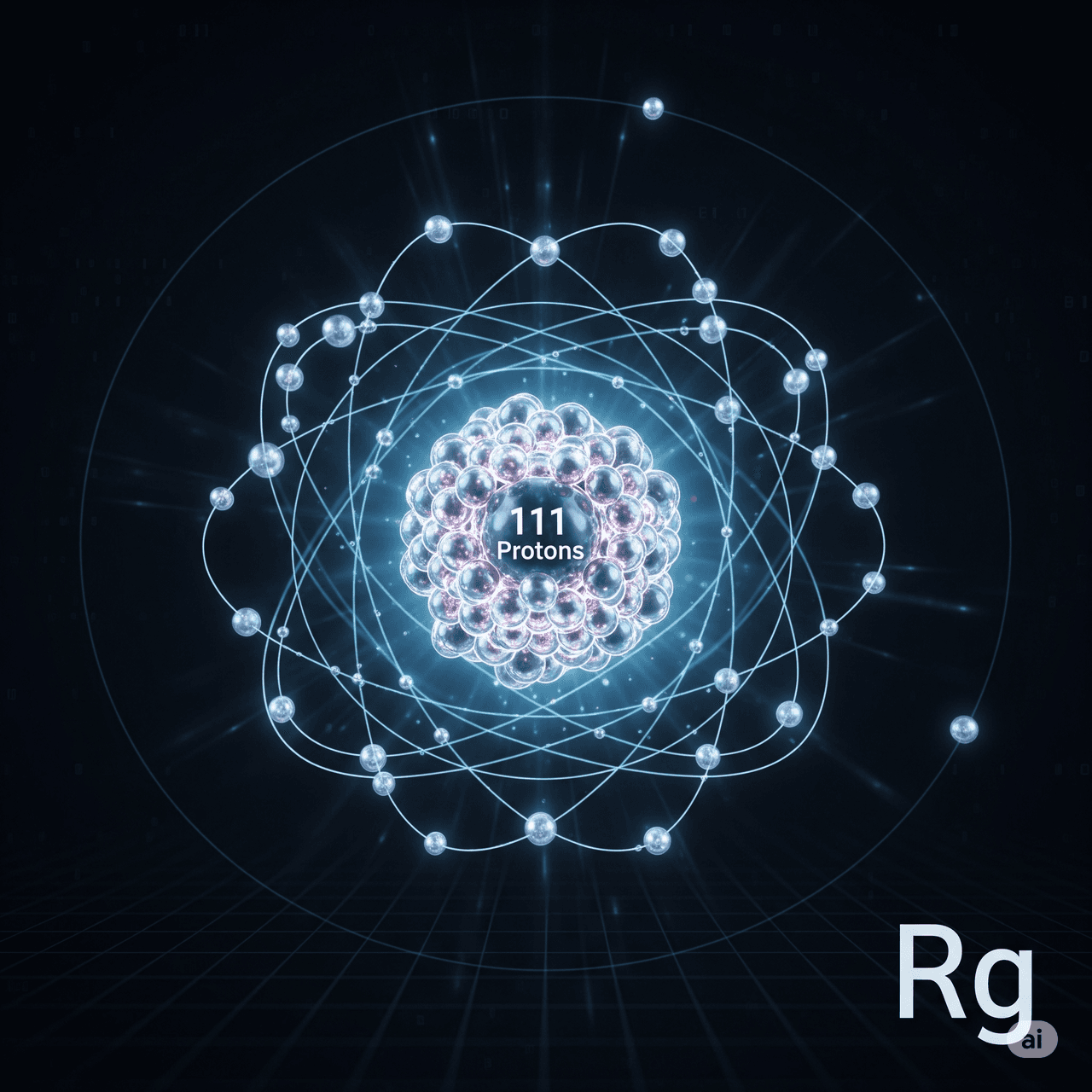
Roentgenium Element
Roentgenium is an artificial element with the symbol Rg and atomic number 111. It does not occur naturally and is produced only in laboratories. It is radioactive and has a very short half-life. Scientists study this rare element to understand the properties of superheavy elements. History Roentgenium was discovered in 1994 in Germany. Its name is derived from the renowned physicist Wilhelm Conrad Röntgen who discovered X-rays. The discovery of this element marked a significant milestone in rese
ENİbrahim Filiz
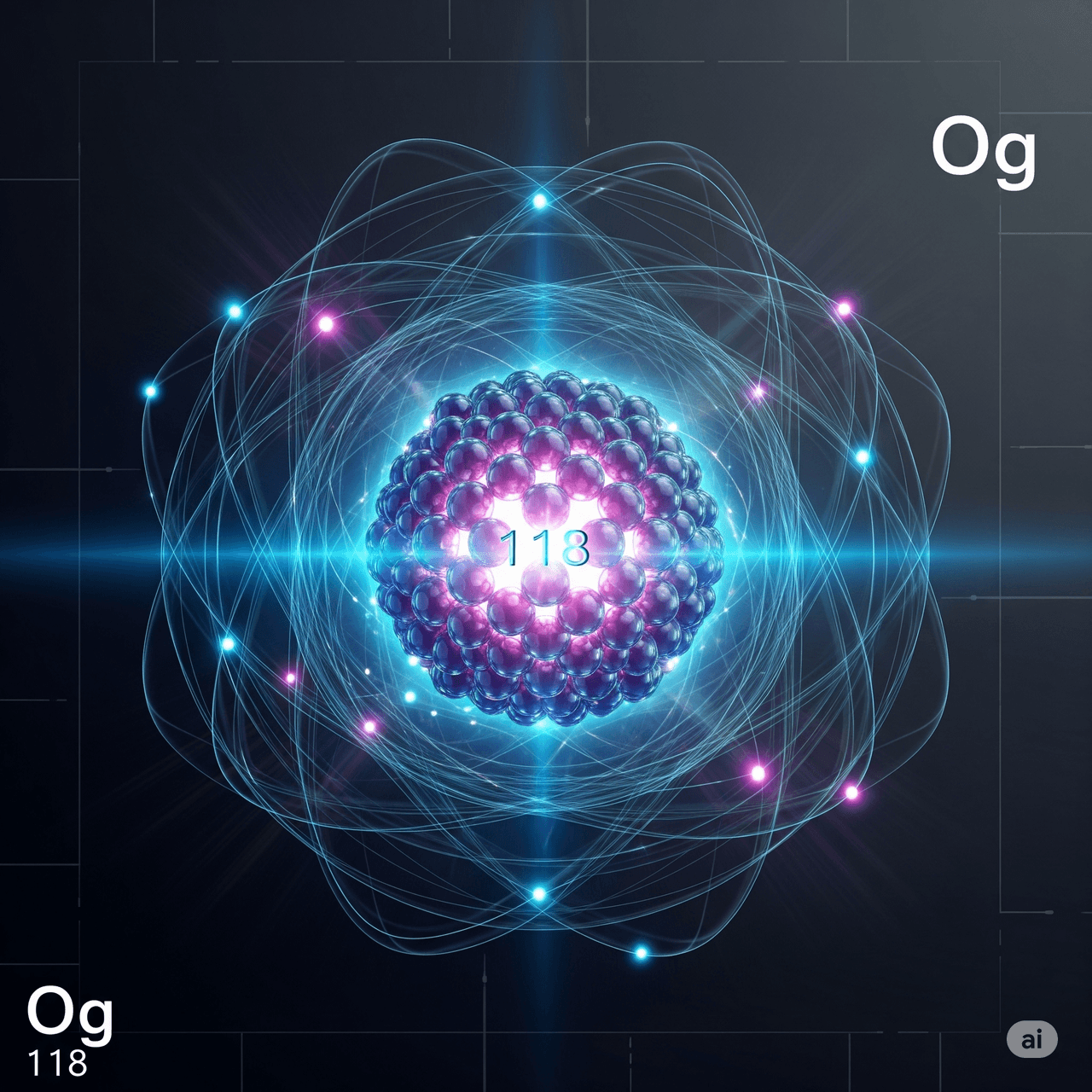
Oganesson Element
Oganesson is element number 118 in the periodic table and belongs to the group of superheavy elements. It is radioactive and does not occur naturally. It can only be synthesized in a laboratory environment. Scientists use specialized equipment to observe it. Classification and Basic Properties Oganesson is classified in the noble gases group and has the symbol “Og”. Its atoms have an extremely short lifespan, lasting only a few milliseconds. As a result, its chemical properties have not been dir
EN
Rüya Dumlu
Moscovium (Mc)
Moscovium is a synthetic and highly radioactive element located at position 115 in the periodic table. It was first synthesized in 2003 and derives its name from Moscow, the capital of Russia. Known properties are based on observations of only a few atoms produced and theoretical calculations. Classification and Fundamental Properties Moscovium (Mc) is an element in period 7 and group 15 (the pnictogens) of the periodic table. Its expected electron configuration is [Rn] 5f¹⁴6d¹⁰7s²7p³. This conf
EN
Ali Hakyol
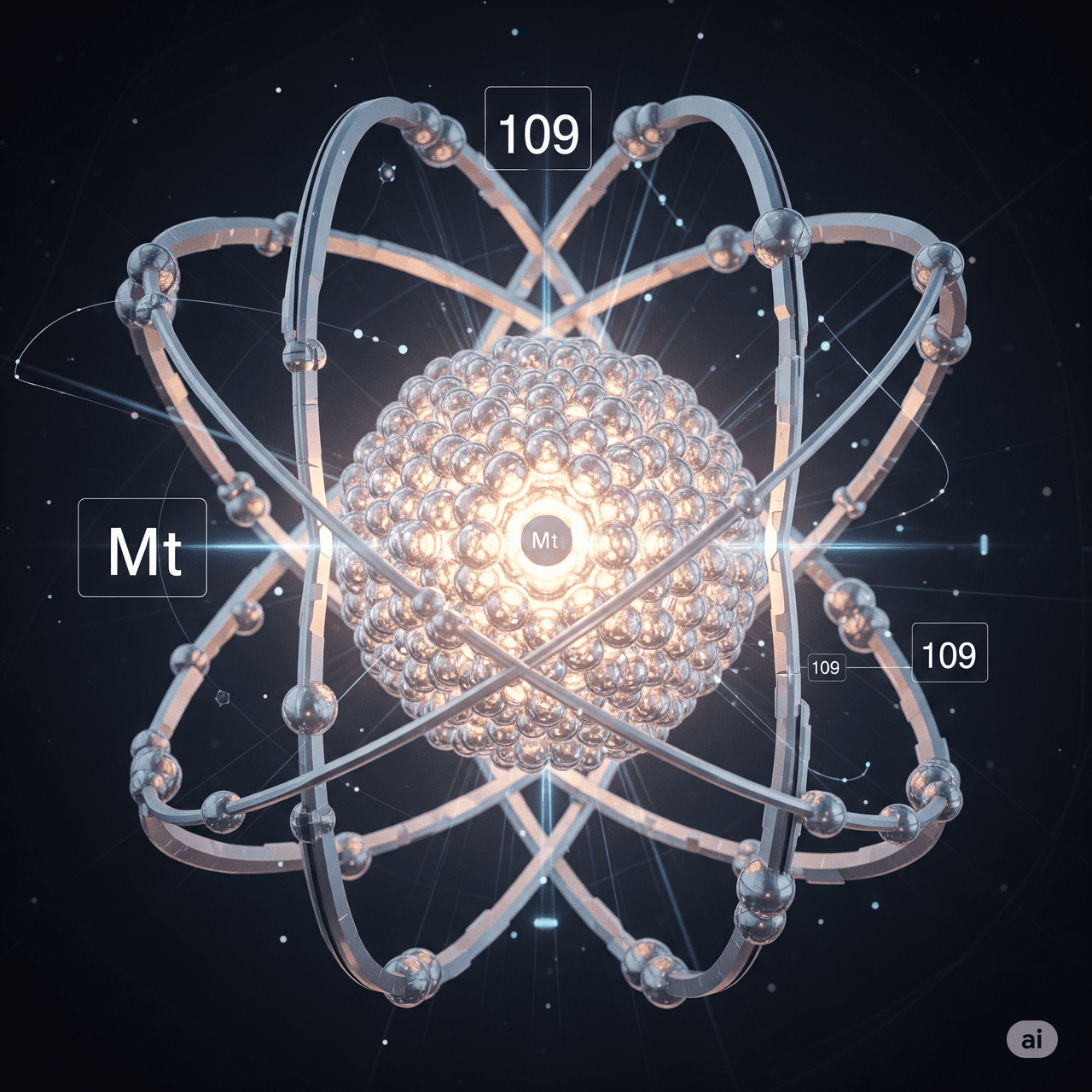
Meitnerium
Meitnerium is a synthetic element with the symbol Mt and atomic number 109. It does not occur naturally and is produced only in laboratories. It is radioactive and has a very short half-life. Scientists study this rare element to understand the properties of superheavy elements. History Meitnerium was discovered in 1982 at the GSI Helmholtz Centre for Heavy Ion Research in Darmstadt, Germany. Its name is derived from the renowned physicist Lise Meitner. The discovery of meitnerium marked a signi
ENİbrahim Filiz
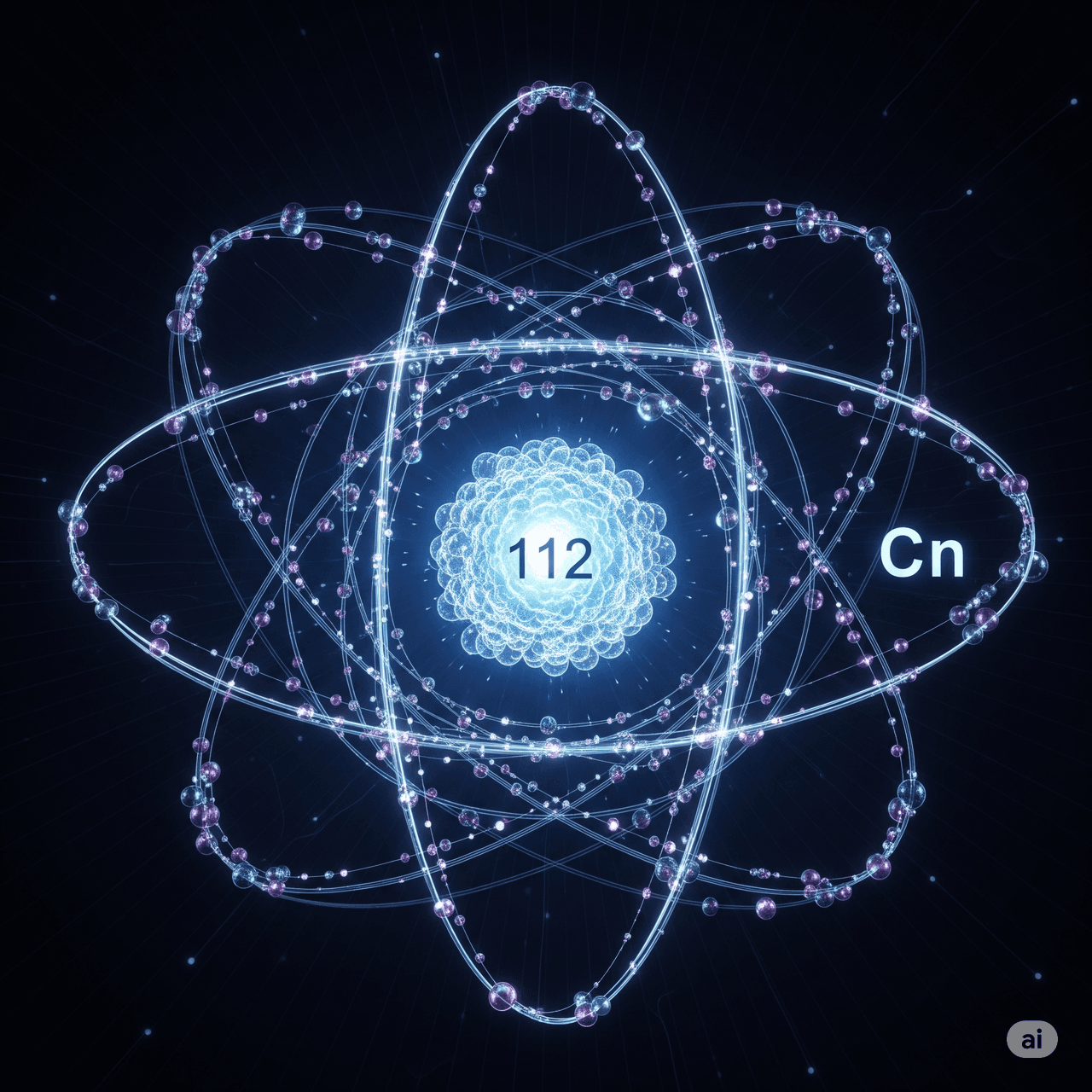
Copernicium Element
Copernicium is a synthetic element with the symbol Cn and atomic number 112. It does not occur naturally and is produced only in laboratory conditions. It is radioactive and has a very short half-life. Scientists study this rare element to understand the behavior of superheavy elements. History Copernicium was discovered in 1996 in Germany. Its name is derived from the renowned astronomer Nicolaus Copernicus. The discovery of this element marked a significant milestone in research on superheavy
ENİbrahim Filiz
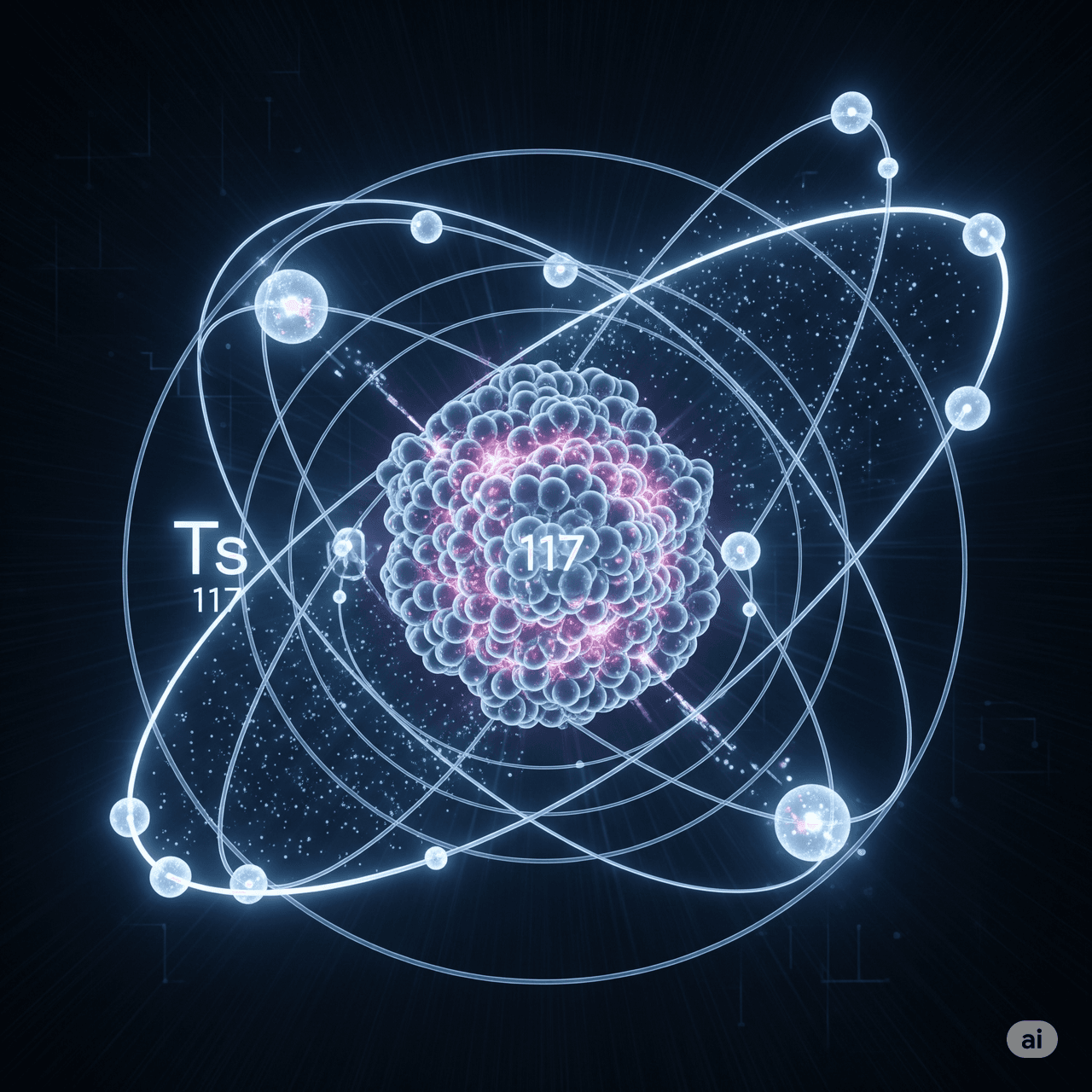
Tennessee Element
Tennessine is the element with atomic number 117 in the periodic table and belongs to the group of superheavy elements. It is radioactive and does not occur naturally; it is entirely synthesized in laboratory conditions. Therefore, it is not an element we can encounter in daily life and can only be observed by scientists. Classification and Basic Properties Tennessine is a member of the halogen group and has the symbol “Ts”. Due to its high atomic number, it is categorized as a superheavy elemen
ENRüya Dumlu
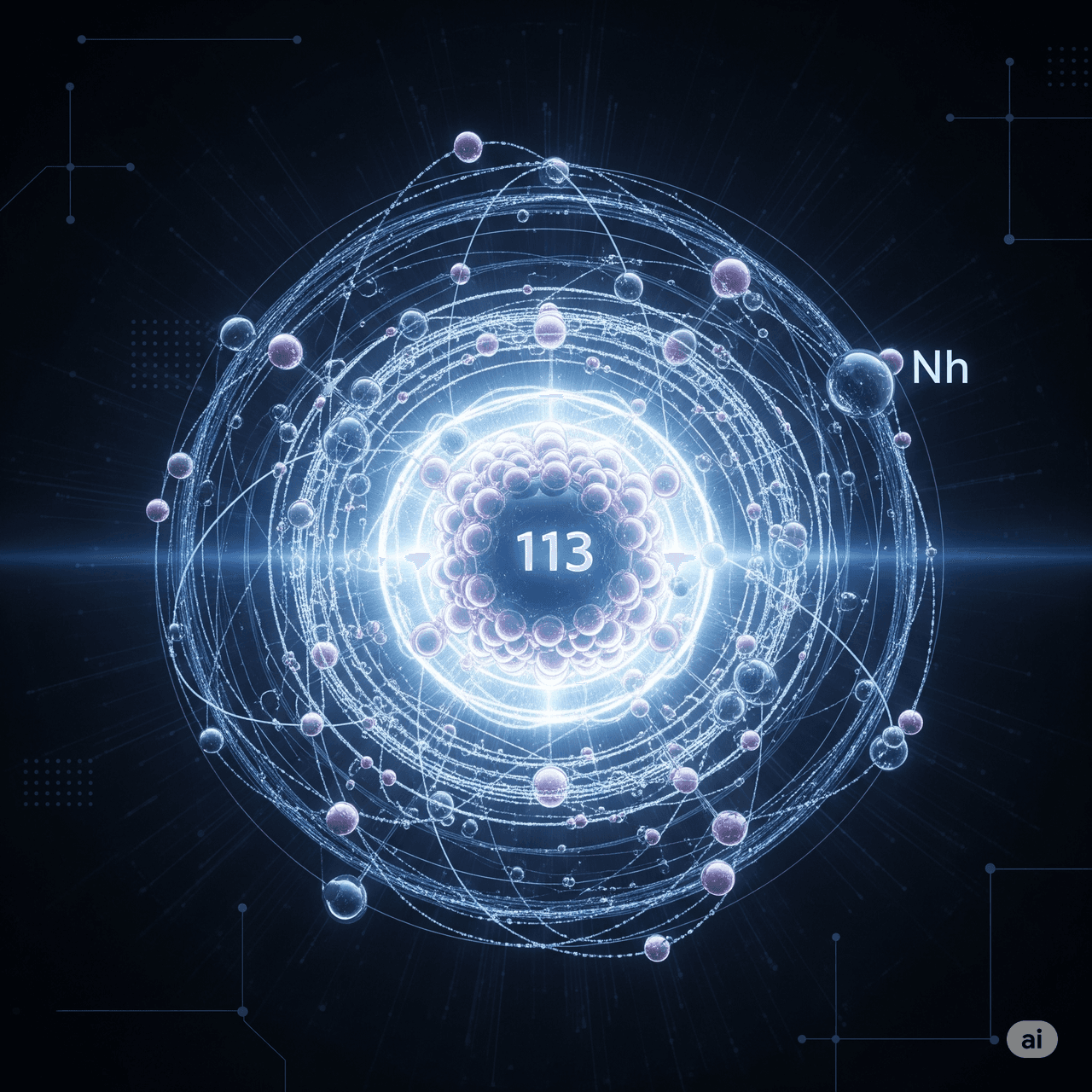
Nihonium Element
Nihonium, with the symbol Nh and atomic number 113, is an artificial element. It does not occur in nature and is produced only in laboratory conditions. It is radioactive and has a very short half-life. Scientists study nihonium to understand the behavior and atomic structure of superheavy elements. History Nihonium was discovered in Japan in 2003. Its name is derived from Nihon, the Latin name for Japan. The discovery of this element marked a significant milestone in research on superheavy elem
ENİbrahim Filiz
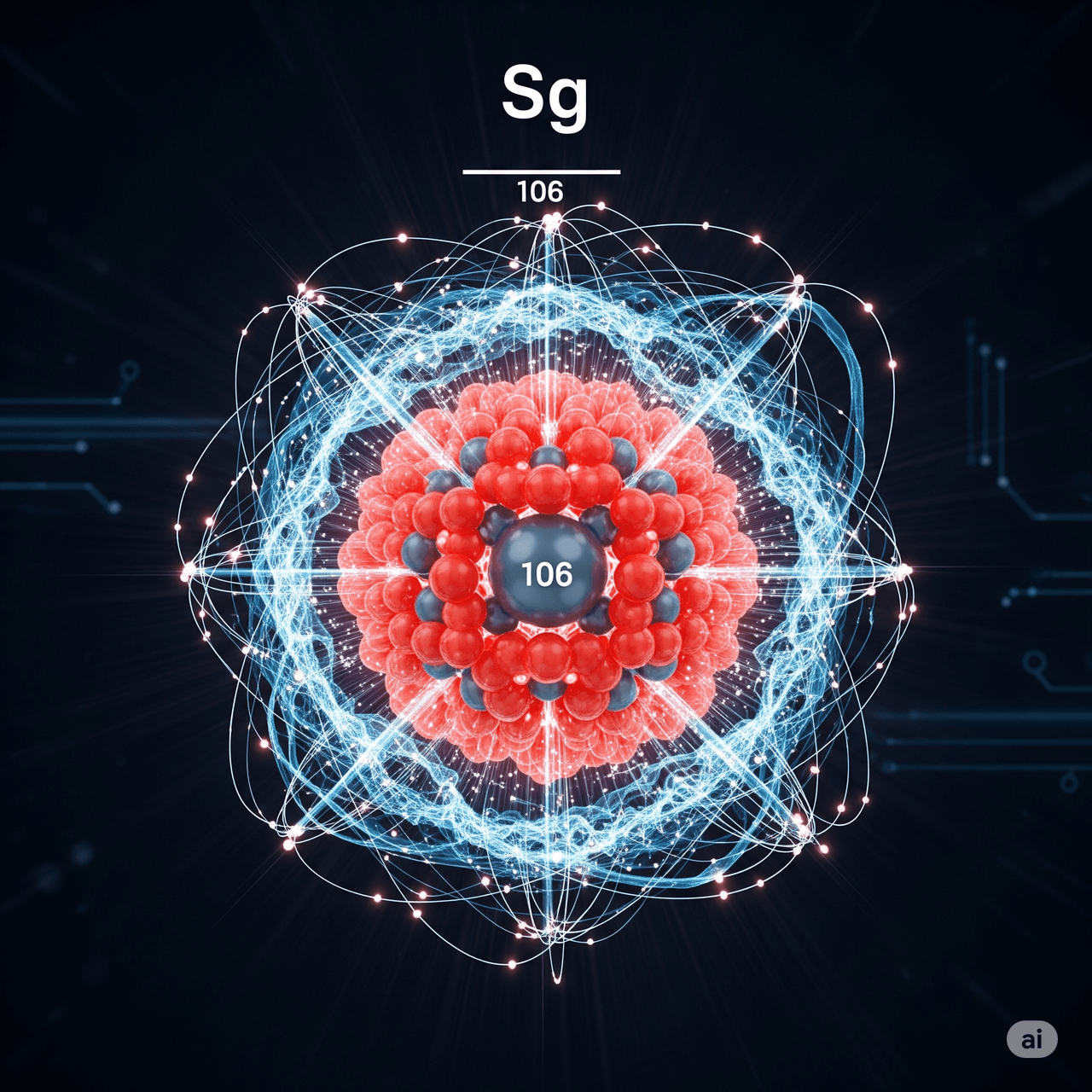
Seaborgium
History seaborgium was artificially synthesized in 1974 by American scientists in a laboratory setting. Its name is derived from the renowned nuclear chemist Glenn T. Seaborg. Glenn Seaborg made groundbreaking contributions to nuclear chemistry that enabled the discovery of superheavy elements. The discovery of seaborgium is regarded as a major milestone in the scientific study of superheavy elements. Physical Properties Because seaborgium does not exist in nature and is produced in only minute
ENİbrahim Filiz