
`struggle` Related Article Results
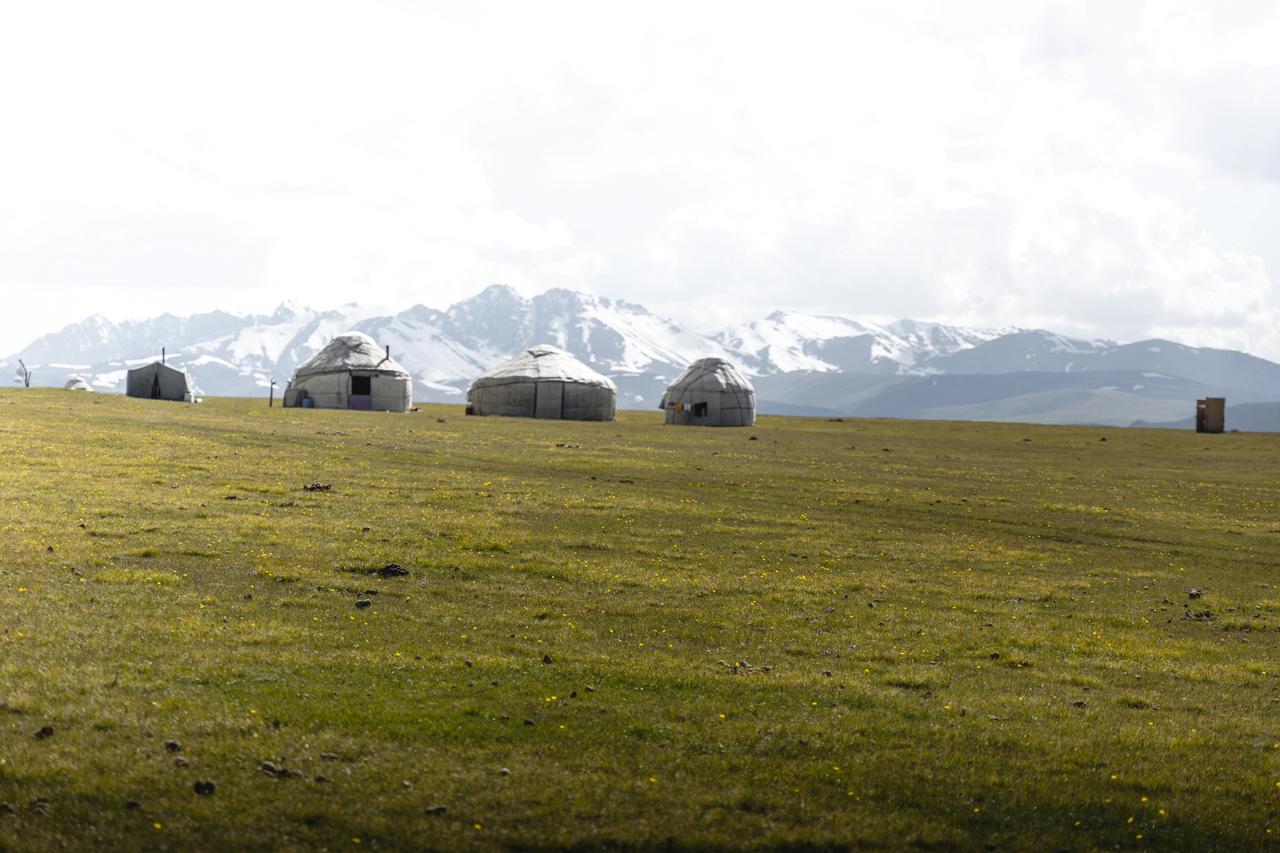
Kökin Erkey Epic
Kökin Erkey Epic is one of the oral narratives belonging to the Altay Turk epic tradition, focusing on the maturation of a hero through supernatural events, various trials, and struggles. The epic embodies the Altay epic tradition’s conception of the mythic cosmos, its understanding of heroism, and its belief systems. The narrative centers on the events befalling the hero Kökin Erkey, through which themes such as individual struggle, preservation of social order, and the concept of fate come to
EN
sudenur kocaoglu
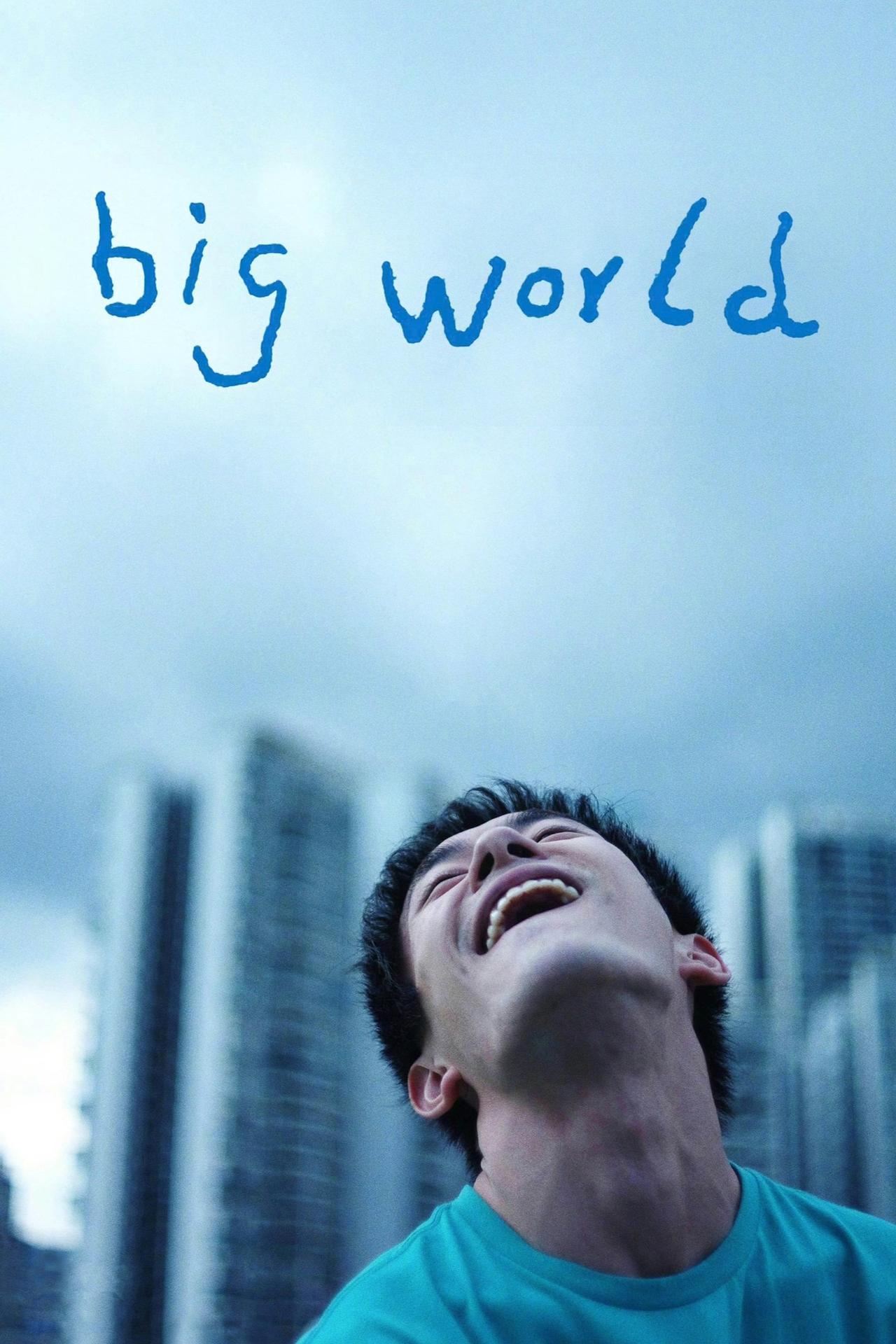
Big World (Film)
Big World (Chinese: 小小的我; pinyin: Xiǎo Xiǎo de Wǒ) is a Chinese drama film. The lead role is played by Jackson Yee. The film centers on themes of physical disability personal independence and social acceptance presenting the everyday experiences of people with disabilities within a realistic narrative framework. Plot The film focuses on a young man living with a physical disability who strives to establish an independent life. Raised under the protective care of his family he has had limited int
EN
Enes Tohma
 Wa
WaWar (Dictionary)
War Definition noun, military Armed conflict entered into by states after severing diplomatic relations; war, battle, combat, strife: "Those were years of war. Even people of moderate means had no proper food." - Ayla Holy Example Usages: To declare war (to initiate war): To officially announce that one state has entered a state of armed conflict with another state. War to break out (to erupt): The commencement of armed conflict between states. To return to peace after war: To relax after a tiri
EN
Kerem Akıl
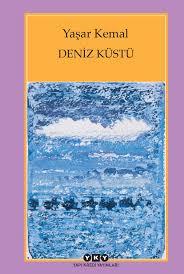
Sea Coast (Book)
Yashar Kemal’s 1973 novel Deniz Küstü is a powerful work that narrates in epic language the struggle of Anatolia’s impoverished villagers with nature and social structures. The novel centers on the relationship between humans and nature—particularly the sea—thematizing hope, helplessness, and resistance. Deniz Küstü stands as one of the most significant examples of Yaşar Kemal’s mastery in reflecting the Anatolian people and their natural environment. Content and Themes The central theme of the
EN
Nida Üstün
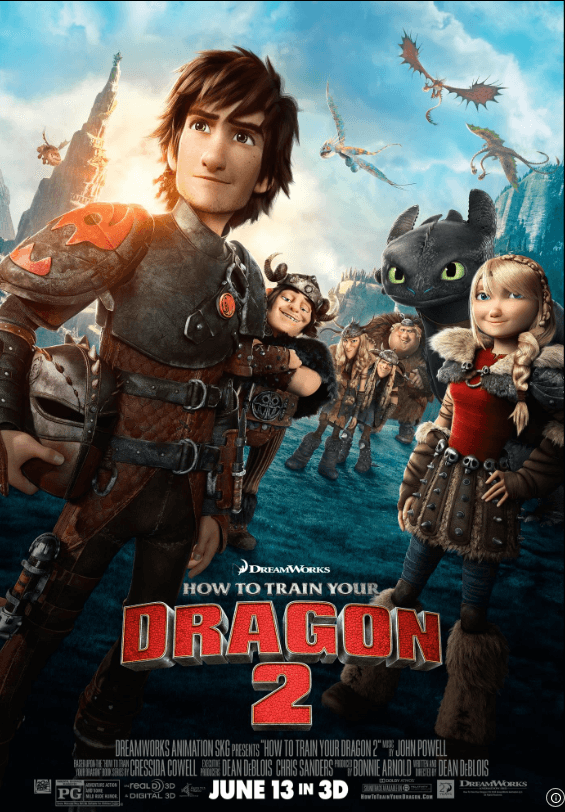
How to Train Your Dragon 2 (animation)
How to Train Your Dragon 2 (2014) is an animated adventure film that follows Hiccup and his dragon Toothless as they confront new threats after the peaceful coexistence of humans and dragons on the island of Berk. The film centers on the struggle against Drago, a warrior who threatens the freedom of dragons, and Hiccup’s transition into leadership. Plot How to Train Your Dragon 2 picks up five years after the peace established between Berk and the dragons, as Hiccup and Toothless explore new ter
EN
Hayrunnisa İnanç
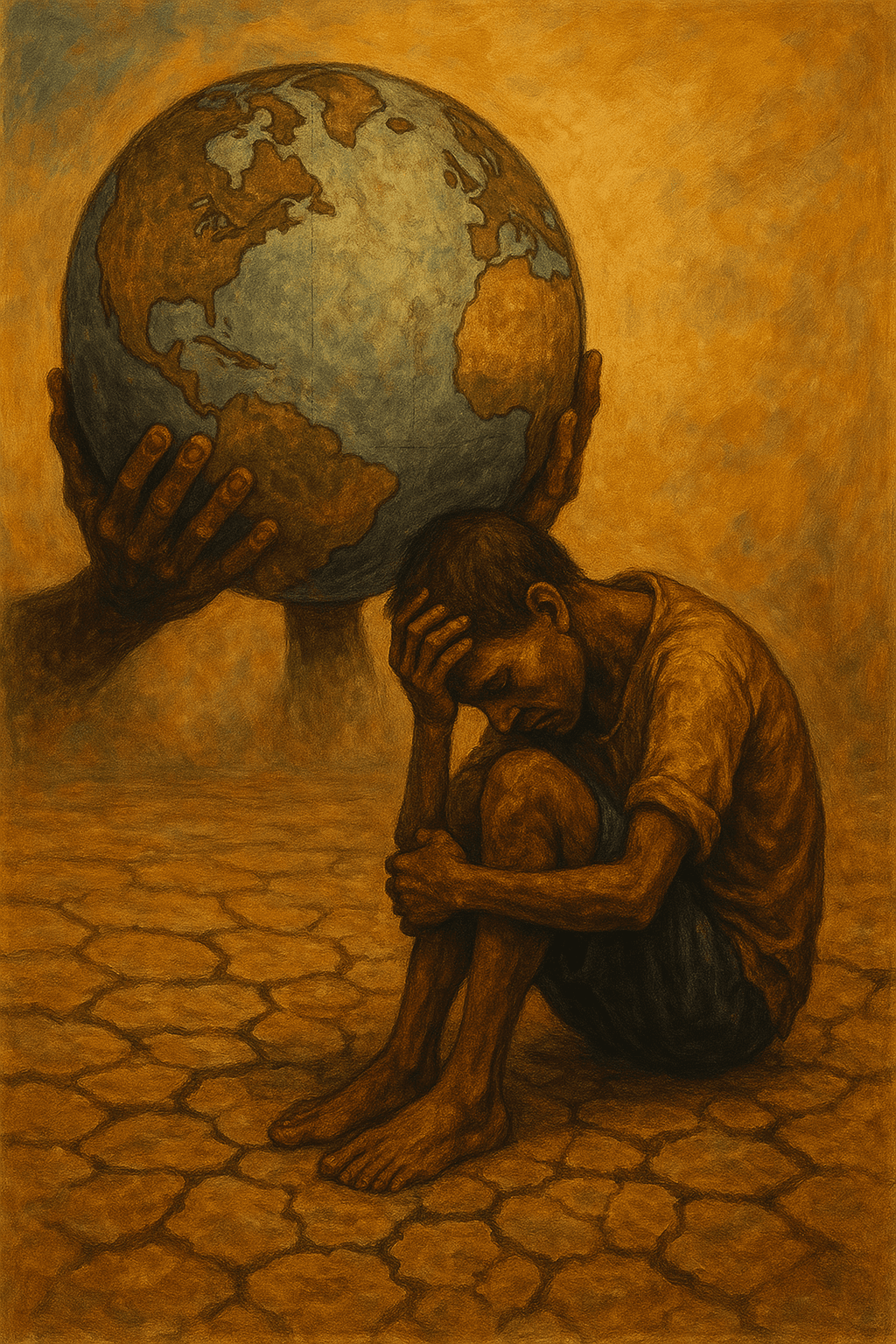
World Day for the Eradication of Poverty
Throughout human history, poverty has been one of the enduring indicators of social inequality and economic imbalance. October 17 has become a symbol of global solidarity against this inequality. Officially recognized by the United Nations as the International Day for the Eradication of Poverty, this day is observed annually worldwide to raise awareness about the elimination of poverty. This day has also come to represent the defense of human dignity, fundamental rights and social justice—not me
EN
Burak Enes
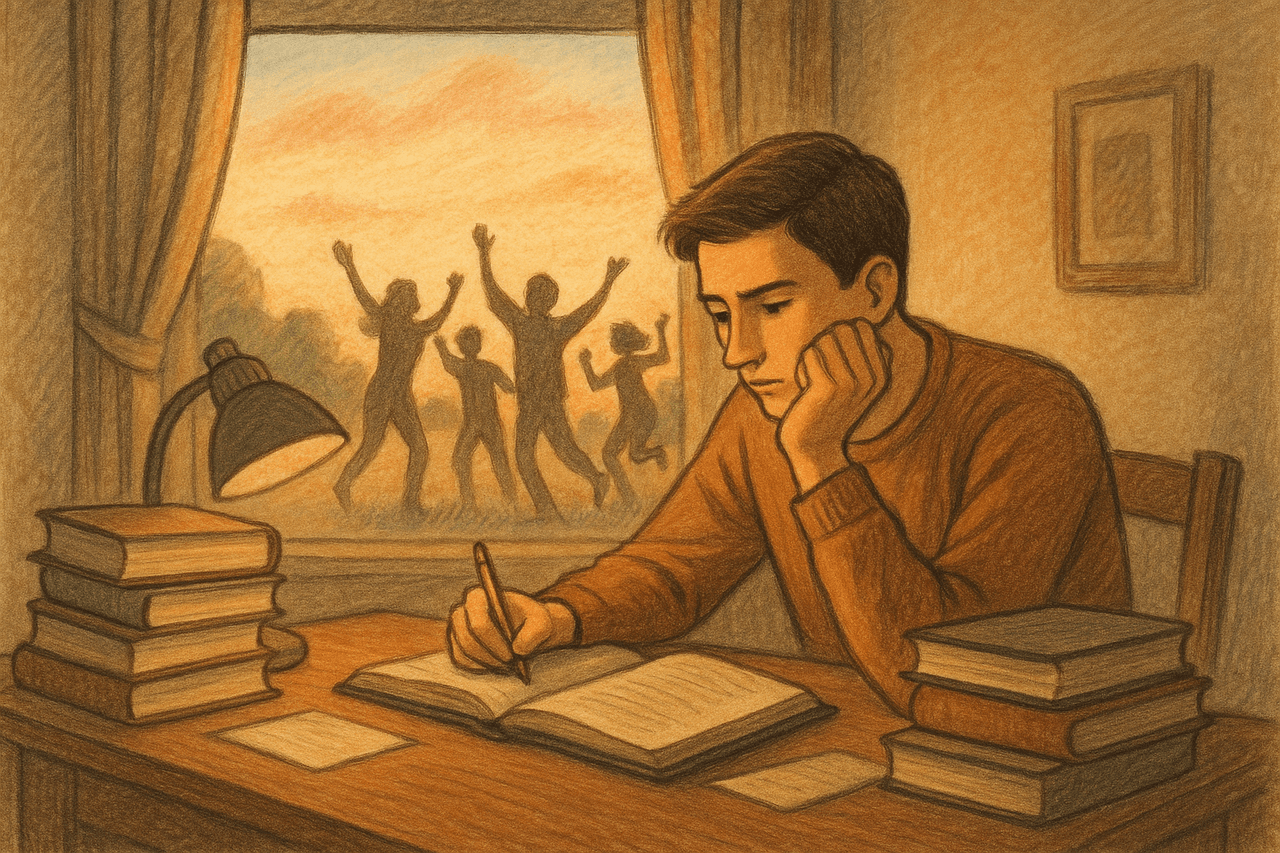
The excitement I felt to reach a conclusion is hidden in the effort I expended for the result.
We often focus on the outcomes we achieve in life: we rejoice when we pass an exam, complete a project, or reach a desired success. But there is something we frequently overlook: what is truly valuable is the time and effort we invest to reach that outcome. Because the excitement we feel at the beginning, the challenges we encounter along the way, the people beside us, and the small moments we experience give us far more than the result itself. Let us consider: years later, what do we remember m
ENElyesa Köseoğlu
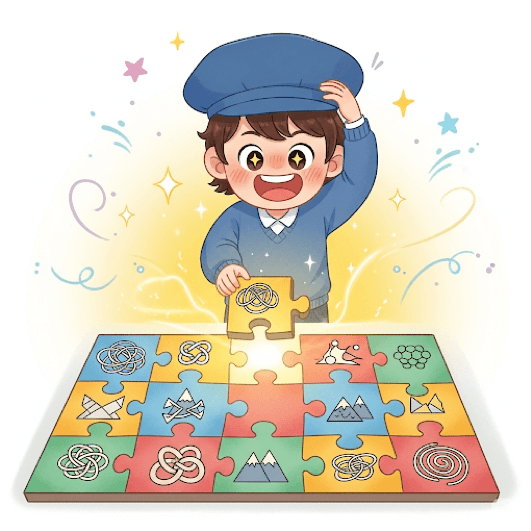
To Rise to the Top
When we encounter a problem, we strive to overcome it. The expression "başa çıkmak" precisely describes this situation. It means to confront a difficulty, complete a task, or rise above a challenging circumstance. To deal with every type of problem we face in life, we generate solutions and expend effort. Where Does It Come From? 🗺️ The origin of this expression stems from the multiple meanings of the word "baş" in our language. The word "baş" refers both to the head as an organ and to the begi
ENNida Üstün
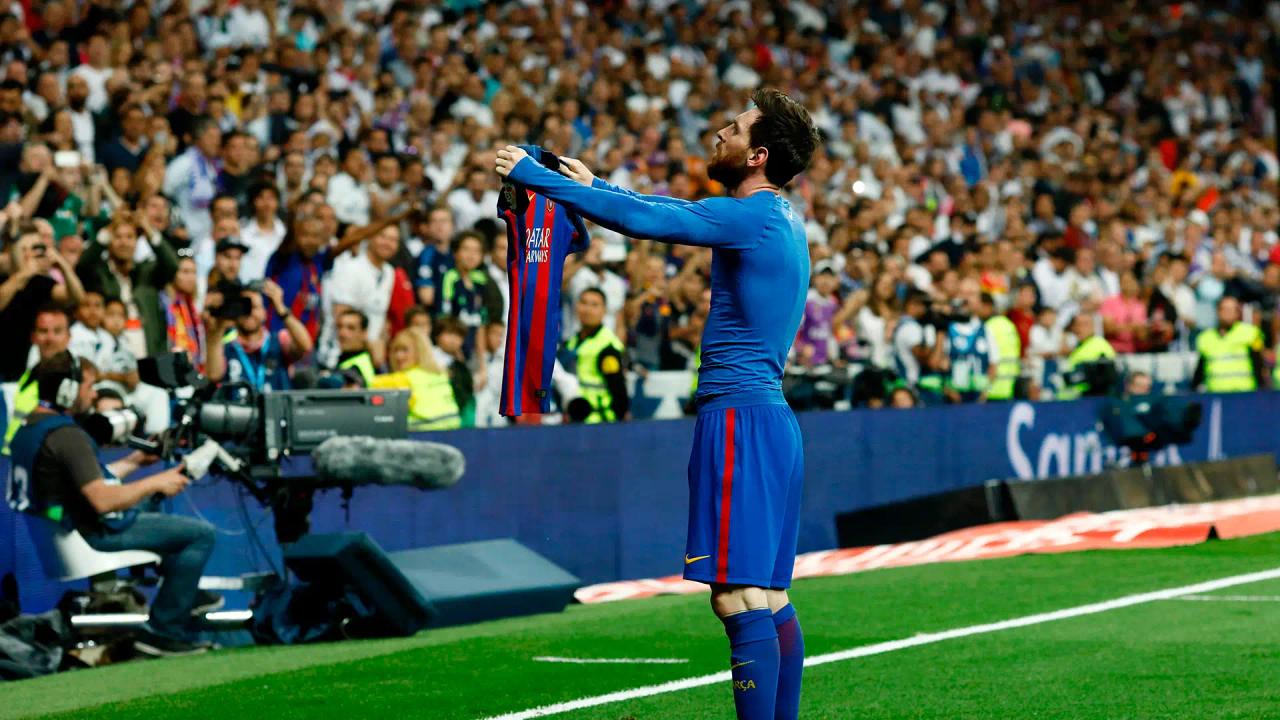
April 23, 2017, at the Bernabéu: The Night Time Stood Still: "The King Is Me!"
That famous night of April 23, 2017... Santiago Bernabéu hosts one of the most savage and merciless gladiator battles ever seen in modern football. From the moment the referee’s whistle blew, Real Madrid was determined to suffocate Barcelona with their formidable physical strength, relentless pressing, and lung-bursting tempo. Chaos reigned on the pitch. The tension of the rivalry merged with the roar of the stands, pushing the players of both teams to their limits. And in the midst of this chao
EN
hejar aslan