

`steppe` Related Article Results
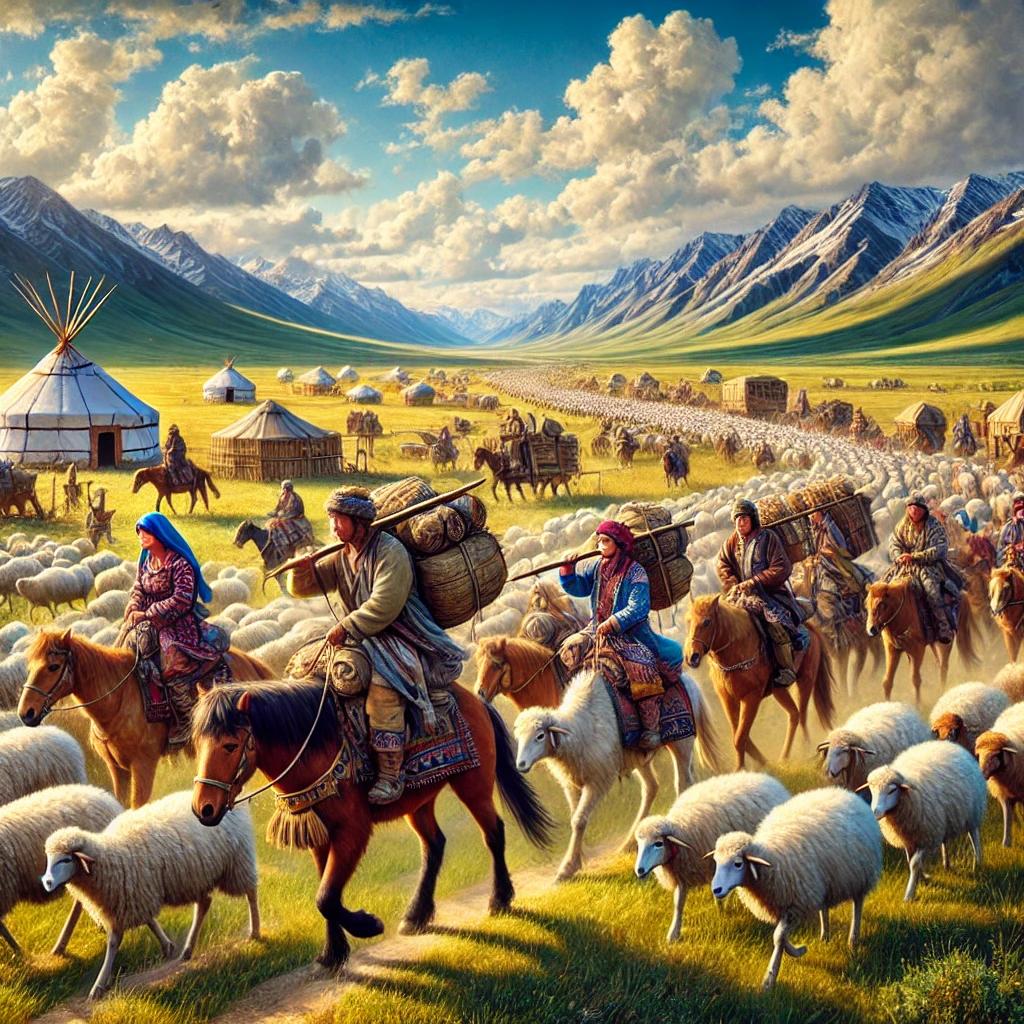
What Are Nomadic Cultures?
Nomadic cultures refer to a way of life in which people do not settle permanently in one place but move seasonally, according to climate conditions or the availability of food sources, often accompanied by their livestock. These people are called “nomads.” Nomads carry their homes, belongings, and animals with them. Before the transition to settled life, many people lived in this manner. What Was Nomadic Life Like? Nomadic life means living in close harmony with nature. To sustain their existenc
EN
Mustafa Cem İnci
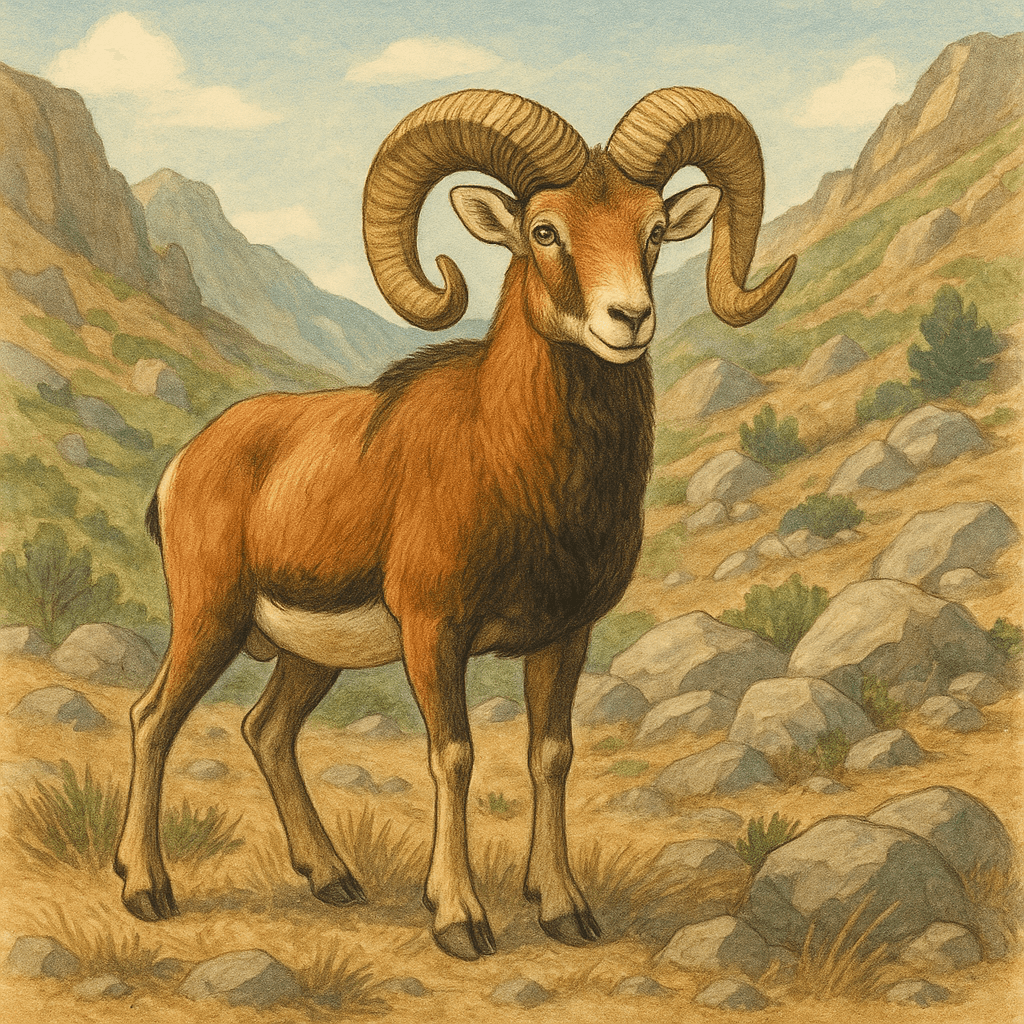
Anatolian Wild Sheep
In the steppes of Türkiye, there is a very special animal that roams freely, distinguished by its powerful horns: the Anatolian wild sheep! The Anatolian wild sheep is a unique species of sheep found only in Türkiye. It is immediately noticeable due to its thick, curly fleece and the large, curved horns of the males. Where Does It Live? The Anatolian wild sheep lives only in Türkiye. It is most commonly found in the Bozdağ region of Konya. It inhabits wide, open steppes—areas that are grassy but
EN
Rabia Aras
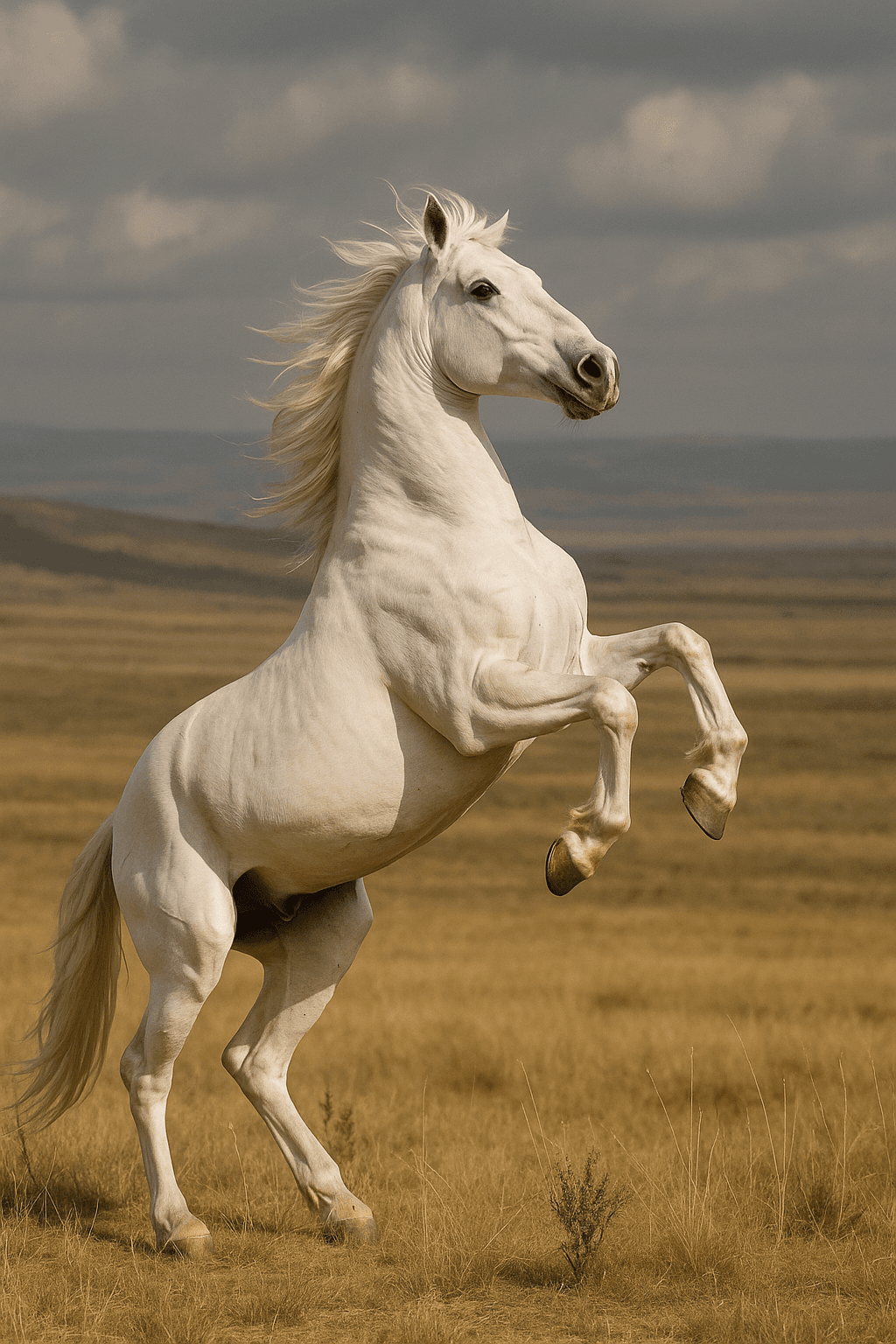
The Horse in Turkish Culture
The horse, for the Turks, is not merely a riding animal; it is a cultural symbol deeply interwoven with social structure, belief systems, art, literature, military tradition, and daily life. The Turks, believed to be the first to domesticate the horse, also viewed it as a way of life, a loyal friend, and a trusted companion. Throughout their history, the Turks, who lived a nomadic lifestyle, relied on the horse in every aspect of existence. Turkic peoples living on the steppes constantly moved i
EN
Asiye Güneş
 Af
AfAfanasyevo Culture
The Afanasyevo Culture is an archaeological culture that flourished between 3500 and 2500 BCE in southern Siberia and the Altai Mountains region. This culture is particularly associated with early Indo-European communities and holds significant historical importance as it contains some of the earliest evidence of steppe nomadic life. Its advancements in horse domestication and metallurgy are especially notable. Discovery and Research The Afanasyevo Culture was discovered in the early 20th centur
EN
Esmanur Demir
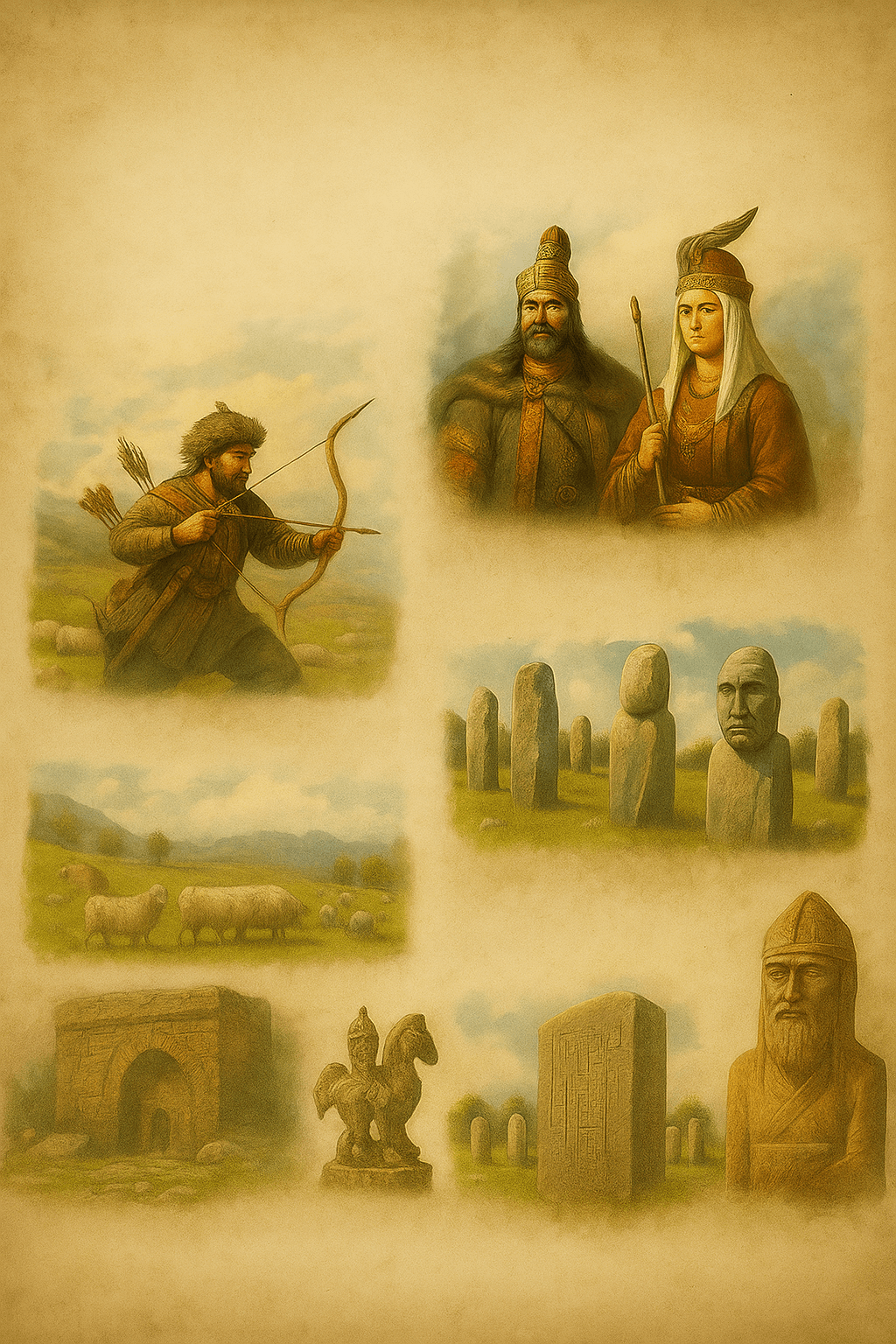
Pre-Islamic Turkic State
Pre-Islamic Turkic State is a historical-political concept used to describe the political organization, social structure, belief system, and cultural production of the earliest Turkic states that emerged in central Asia. This concept occupies a place in historiography both as a period designation and as an original model of statehood. The pre-Islamic Turkic state was an institutionalized model of statehood formed by the convergence of various Turkic tribes centered in Central Asia, characterized
EN
Ayşe İkbal Özsakın
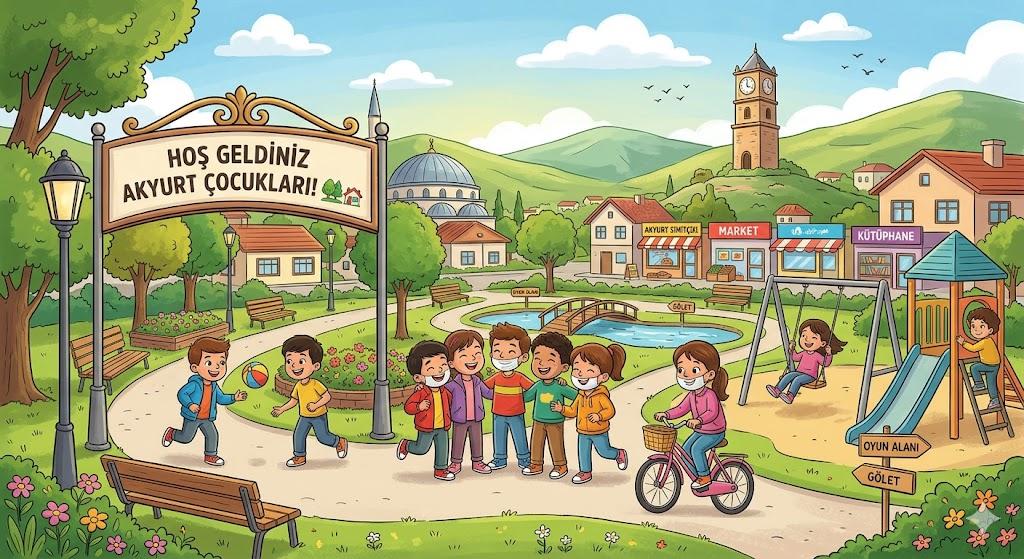
Akyurt (District)
Imagine a district built on vast, flat lands right next to Ankara. This is Akyurt, a place rich with stories stretching back thousands of years! Once known as "Ravlı," today it is a remarkable area that children should explore, thanks to its industry and history. Where is Akyurt? Akyurt is located approximately 32 to 33 kilometers from the capital Ankara. It is bordered by neighboring districts such as Çubuk, Kalecik, and Elmadağ. If you wish to fly, the world-famous Esenboğa Airport is immediat
ENEdanur Çimen
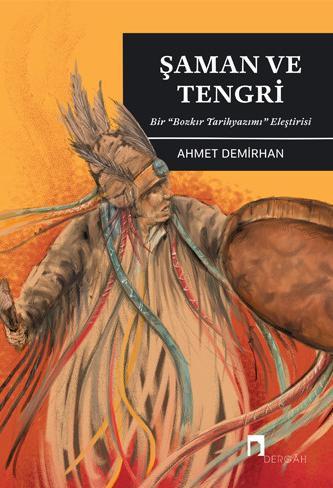
The Shaman and Tengri: A Critique of 'Steppe Historiography' (Book)
The Shaman and Tengri: A Critique of 'Steppe Historiography' (Şaman ve Tengri: Bir 'Bozkır Tarihyazımı' Eleştirisi) is a work by the historian Ahmet Demirhan that critically examines steppe-centric narratives of early Turkish history. Published in August 2024 as part of Dergâh Publications' History series, the 456-page text discusses how the image of the “steppe” was constructed as an ideological tool that does not align with historical reality. Subject The book examines the conception of the st
EN
Muhammed Samed Acar
AfAfanesyevo Culture
The Afanasyevo Culture is an archaeological culture that flourished between 3500 and 2500 BCE in the region of southern Siberia and the Altai Mountains entity. This culture is particularly associated with early Indo-Europe communities and holds significant importance as it contains the earliest traces of steppe nomadic life, making it a key historical. Its advancements in horse domestication and metallurgy are especially noteworthy. Afanesyevo culture - Geographical location " image-alternate=""
EN
Esmanur Demir
Pre-Islamic Turkic State
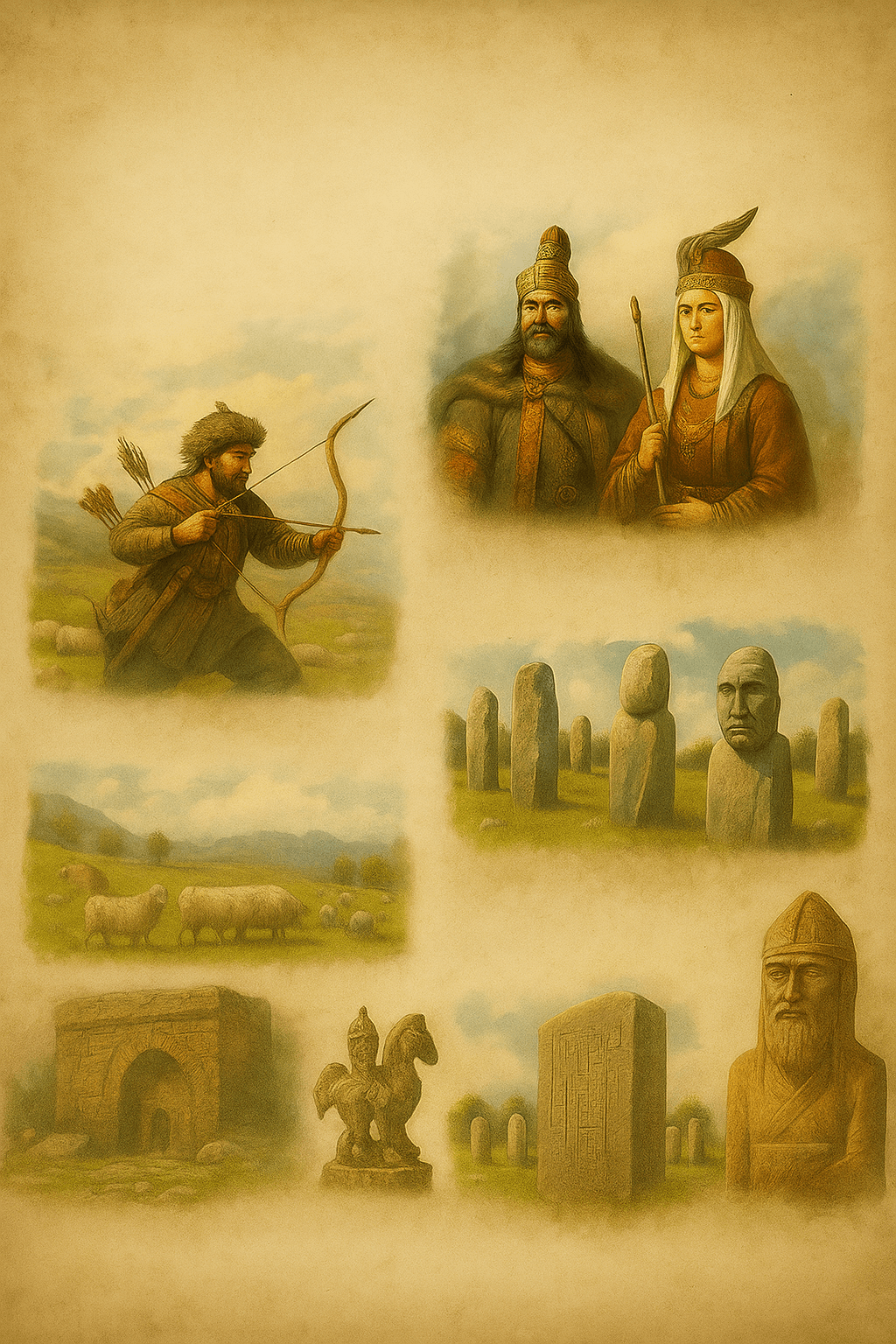
Pre-Islamic Turkic State is a historical-political concept used to describe the political organization, social order, belief systems, and cultural production of the earliest Turkic state structures that developed in Central Asia. This concept occupies a place in historiography both as a period designation and as an original model of statehood. The pre-Islamic Turkic state refers to a consolidated model of statehood that emerged in Central Asia through the consolidation of various Turkic tribes,
ENAyşe İkbal Özsakın
Kurgan
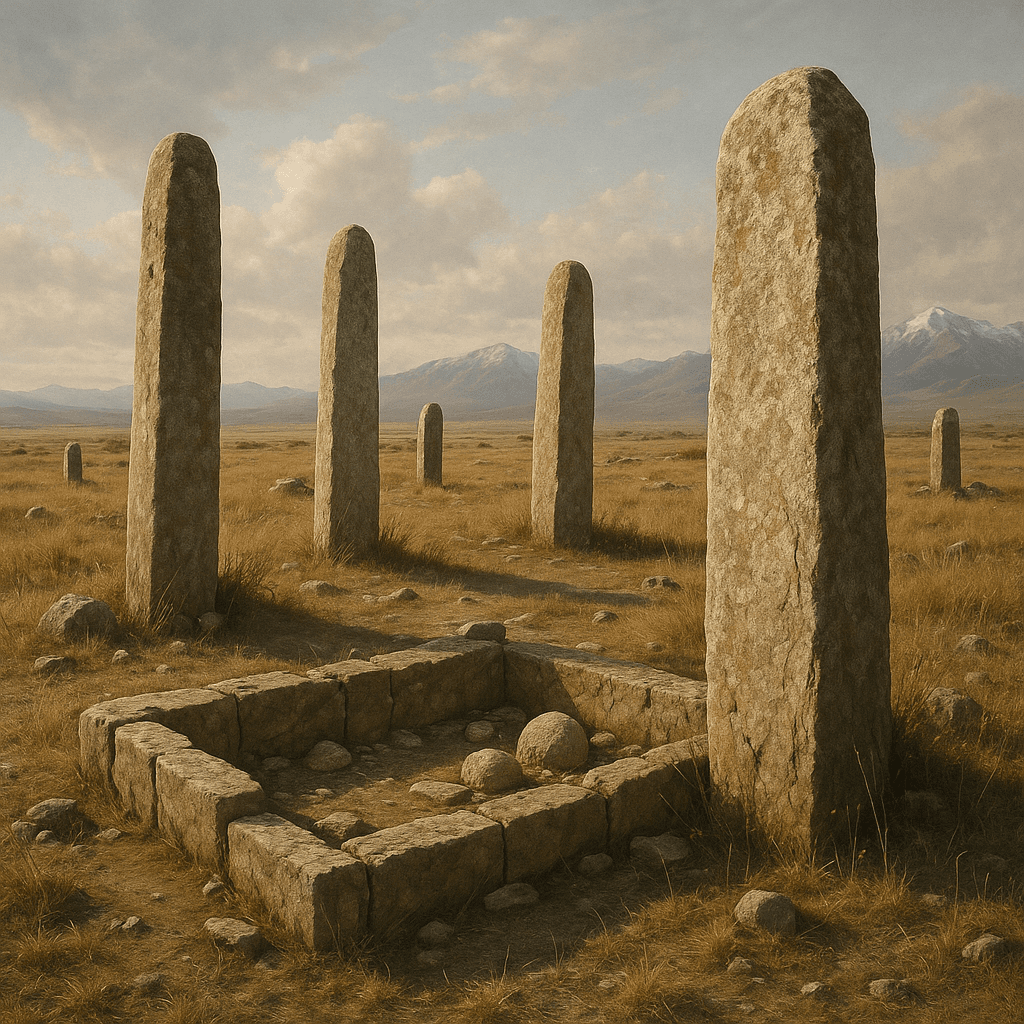
Kurgan, etymologically derived from the Old Turkic root “korugan”, meaning “shelter” or “protection”, refers to a monumental burial structure. Found in steppe cultures, it is constructed from earth or stone mounds and typically associated with nobility or prominent individuals. Kurgans are notable for both their subterranean and above-ground architectural elements. Documentary on Kurgans (TRT Avaz) Origin and Distribution The kurgan tradition spread across the Eurasian steppes from the 4th mille
EN
Neriman Sena Külünk