

`stellar-evolution` Related Article Results
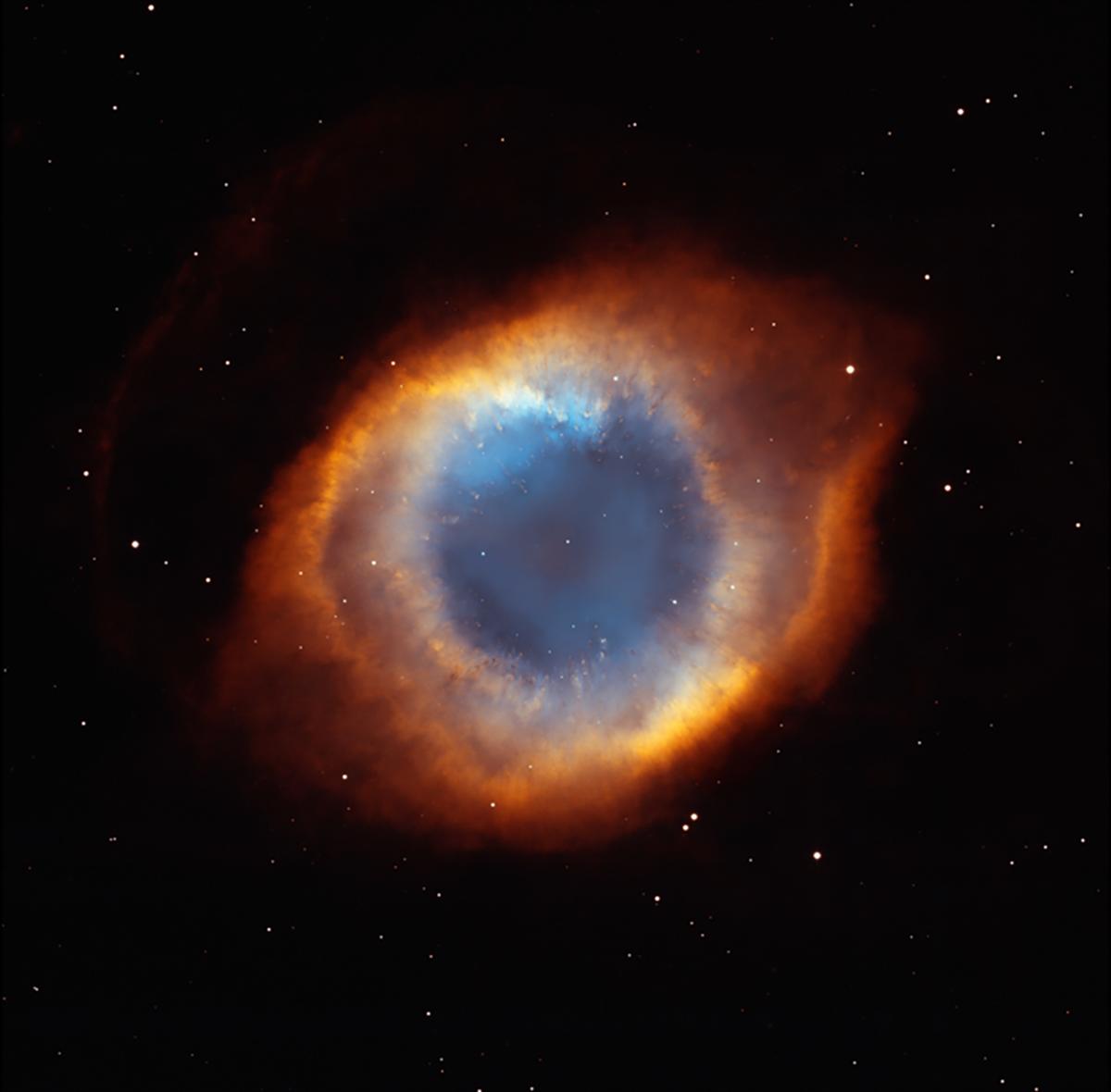
Helix Nebula (NGC 7293)
The Helix Nebula (NGC 7293), is a planetary nebula located relatively close to Earth. This structure, situated approximately 655 light-years away in the direction of the Aquarius constellation, is one of the largest planetary nebulae in terms of angular size as seen in the sky. It formed when the central star at its core ejected its outer layers during the final stages of its life. NGC 7293 is regarded as an important observational target for studying the late phases of stellar evolution and the
EN
Osman Özbay
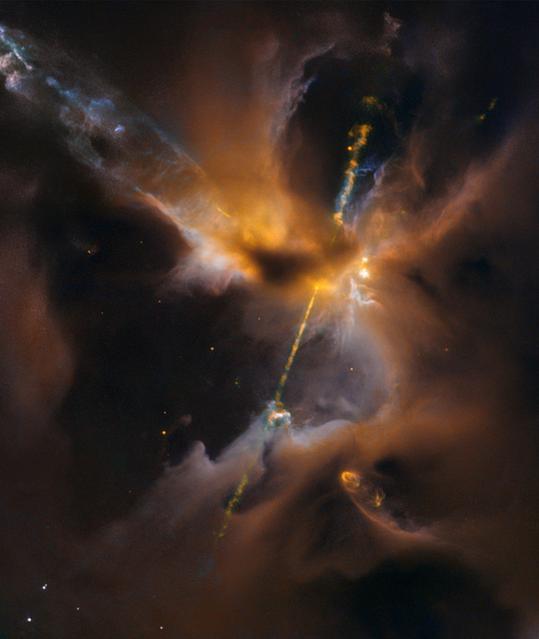
Protostar
Protostar (Pre-star) is a celestial body formed by the gravitational collapse of a dense core composed of gas and dust during the early stage of star formation, in which nuclear fusion reactions have not yet begun in its center.Sarıgül, Tuba, “Bir Yıldızın Doğumuna Tanıklık Etmek.” Bilim Genç (TÜBİTAK). Access Date: 6 February 2026.https://bilimgenc.tubitak.gov.tr/makale/bir-yildizin-dogumuna-taniklik-etmek ">【1】 The structure at this stage has not yet transitioned into a stable energy produc
EN
Ümit Aydın
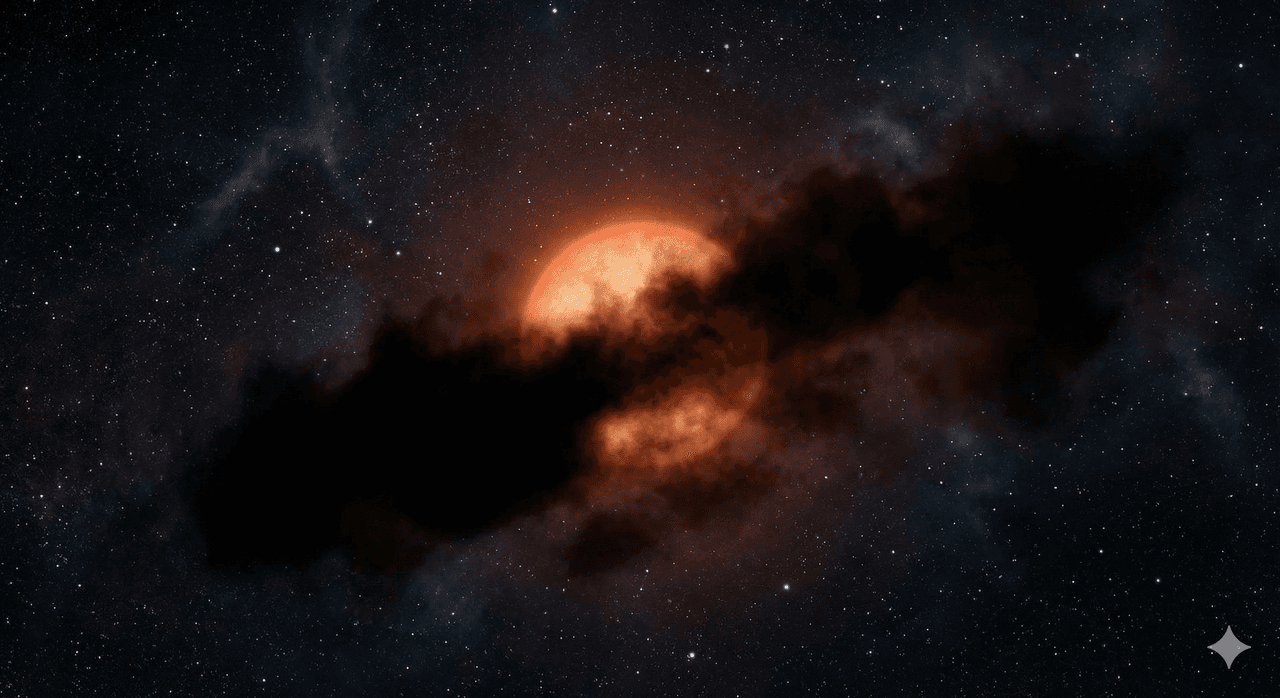
Betelgeuse
Orion Constellation’s shoulder, composed of the red supergiant Betelgeuse, one of the brightest stars in the sky, underwent one of the most prominent brightness variations ever recorded in modern astronomy history at the end of 2019. During this event, known as the “Great Dimming,” the star’s brightness dropped below its normal level, becoming noticeably darker to the naked eye. This process, which began in late 2019 and lasted into early 2020, sparked global speculation that the star might be a
EN
Aykut Laçın
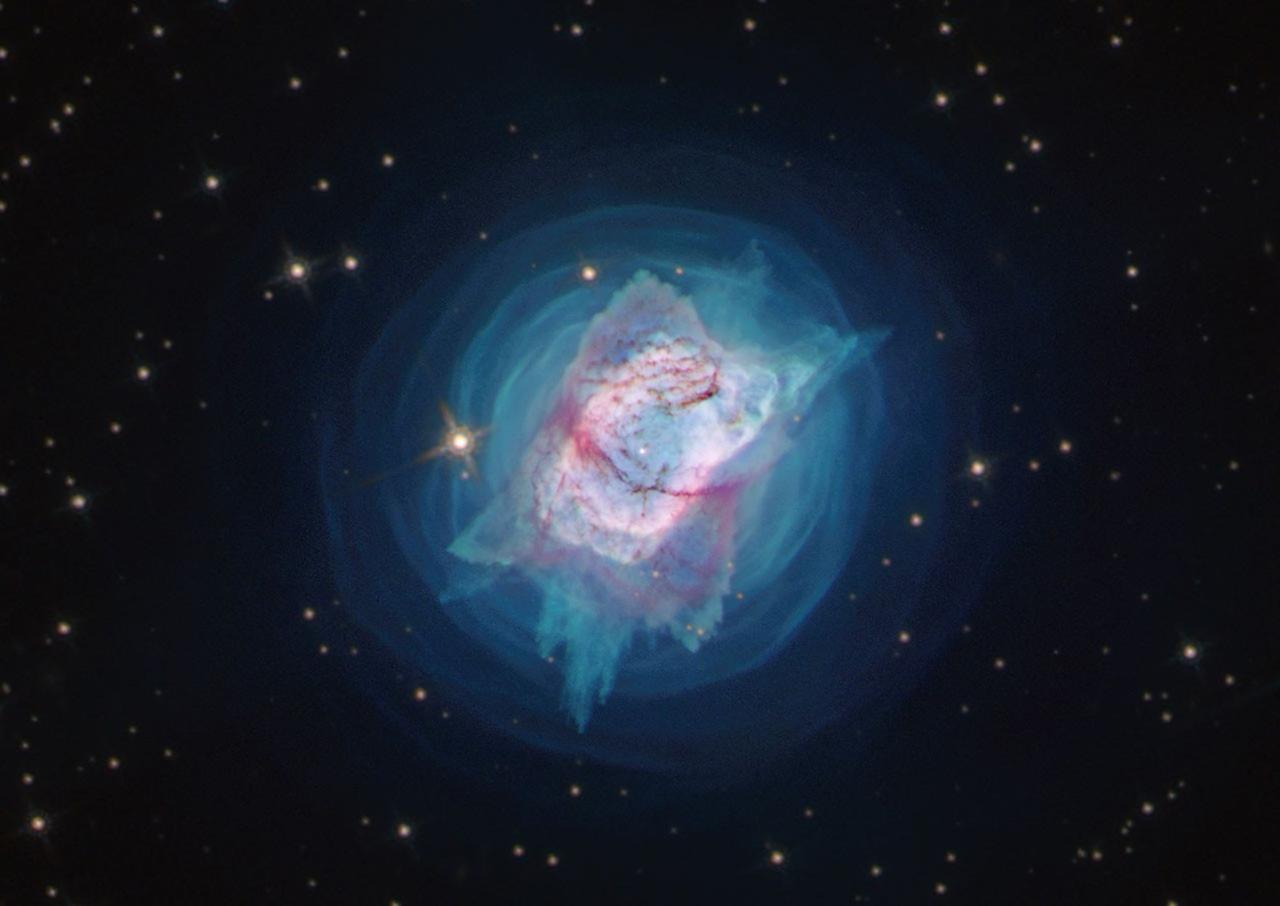
NGC 7027 Nebula
NGC 7027 Nebula, is a young and dense planetary nebula located in the direction of the Cygnus constellation. First discovered in 1878 by Édouard Stephan, this object attracts attention due to its morphological features and intense radiation field. Located approximately 3,000 light-years away, NGC 7027 stands out among planetary nebulae for its complex internal structure and high surface brightness. The nickname "Jewel Bug Nebula" was given to it because of its rich color variety and symmetric st
EN
Osman Özbay
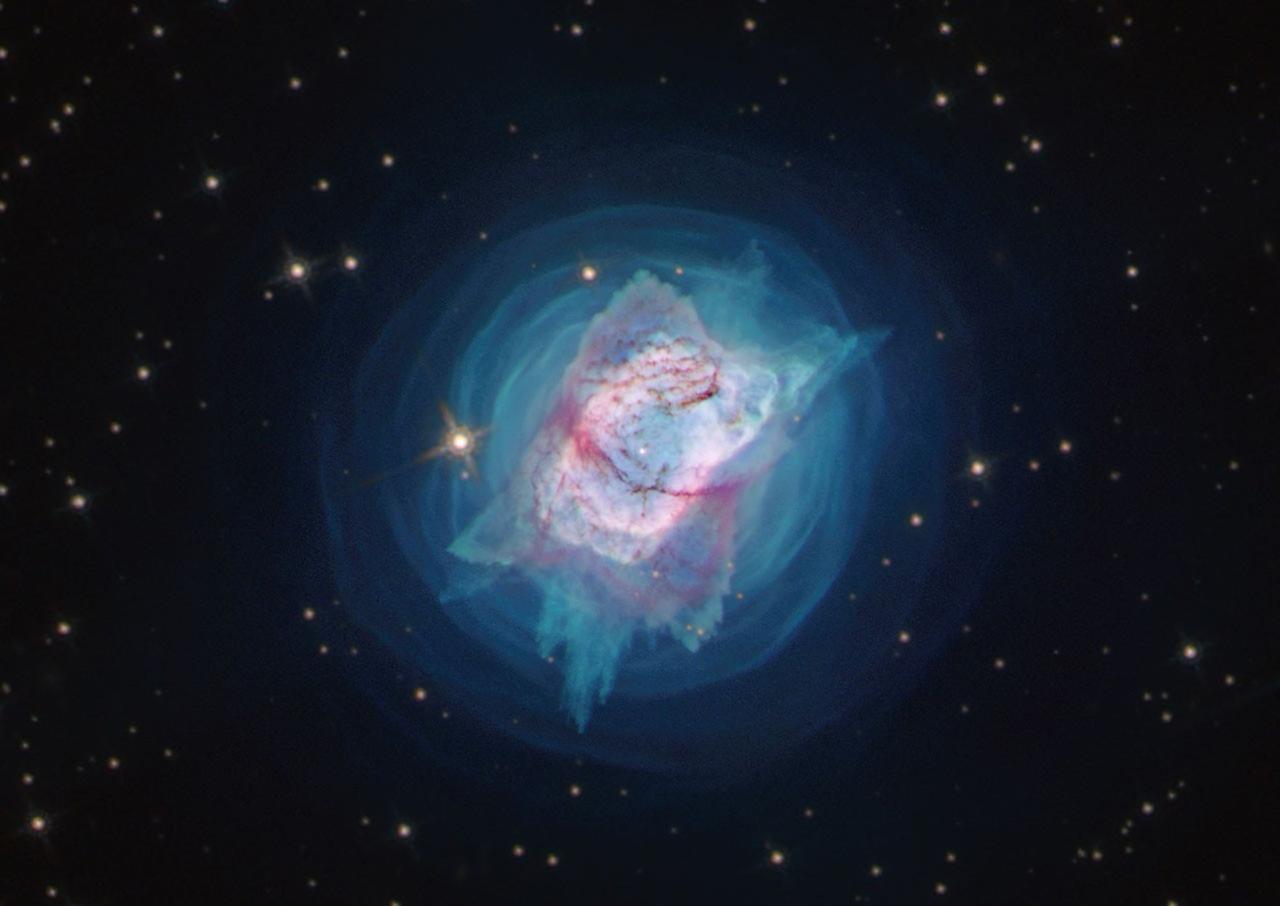
NGC 7027 Nebula
NGC 7027 Nebula, is a young and dense planetary nebula located in the direction of the Cygnus constellation. First discovered in 1878 by Édouard Stephan, this object attracts attention due to its morphological features and intense radiation field. Located approximately 3,000 light years away, NGC 7027 stands out among planetary nebulae for its complex internal structure and high surface brightness. The nickname "Jewel Bug Nebula" was given to it because of its rich color variety and symmetric st
ENOsman Özbay
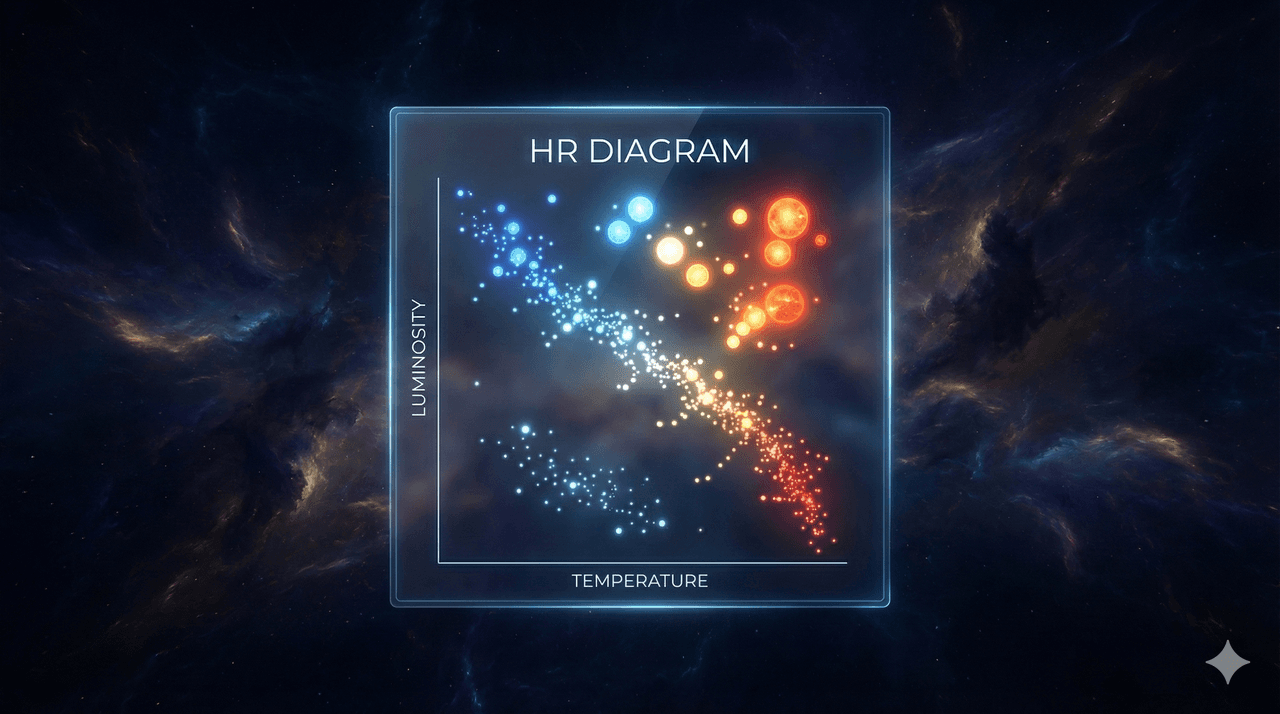
Hertzsprung-Russell (H-R) Diagram
Hertzsprung-Russell (H-R) Diagram is a fundamental astrophysical model used to classify the physical properties of stars, analyze their evolutionary processes, and investigate their internal structures. This graph visualizes the relationship between a star’s spectral type (surface temperature or color index) and its luminosity (radiative power or absolute magnitude). Since the physical properties of stars change over time, no star’s position on the diagram is fixed; stars follow specific evoluti
EN
Hüseyin Yılmaz
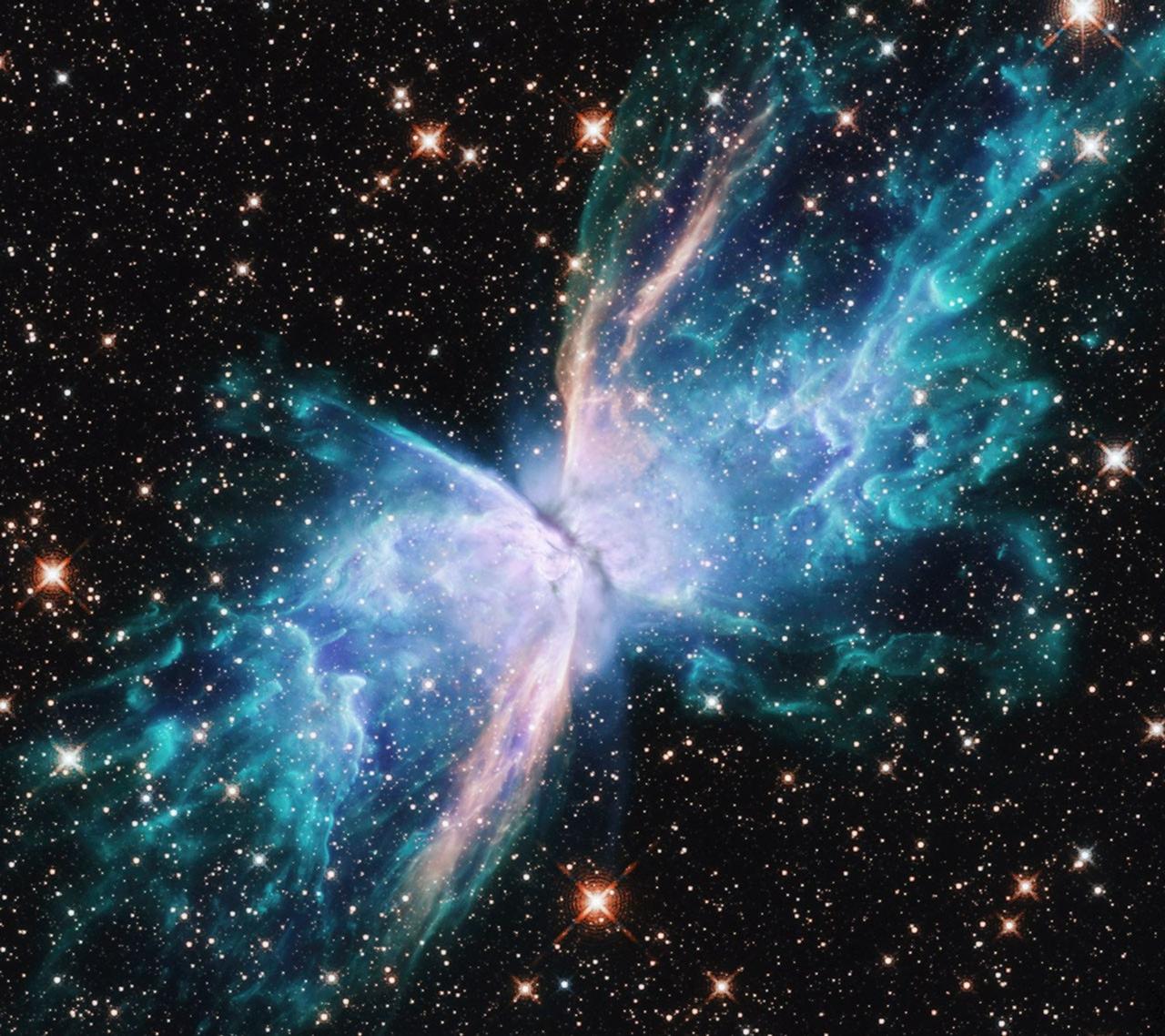
Butterfly Nebula (NGC 6302)
NGC 6302 is a planetary nebula located in the direction of the Sagittarius constellation, whose visual appearance resembles a butterfly with two wings. It was first cataloged in the mid-19th century by James Dunlop. The nebula is also commonly known as the "Butterfly Nebula" or the "Bug Nebula." This celestial object stands out in observations due to its complex morphology and the extremely hot central stellar remnant, placing it among structures formed during the final stages of stellar evoluti
ENOsman Özbay
 Wh
WhWhite Dwarf
White dwarf is the remnant of a medium- or low-mass star similar to the Sun, formed in the final stage of its life cycle. These stars, after exhausting the hydrogen fuel in their cores, enter the red giant phase and expel their outer layers into space, forming a planetary nebula. The remaining hot core is called a white dwarf, and nuclear fusion no longer occurs (NASA, n.d.). It is predicted that our Sun will also transform into a white dwarf in approximately 7 billion years (Atlas, 2023). Durin
EN
Özgür Kıvanç
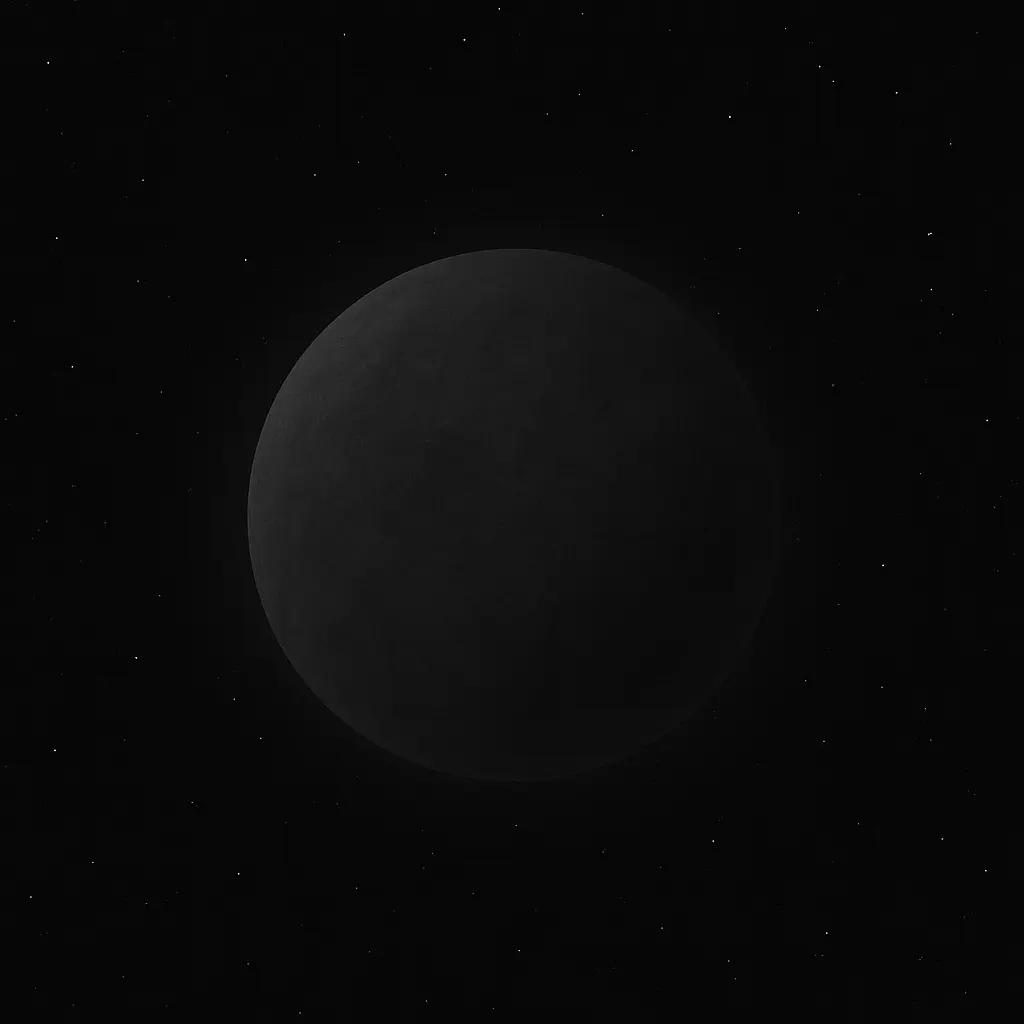
Black Dwarf
Black Dwarf, is a celestial object defined in astrophysical theories as one of the final stages of stellar evolution, but not yet observed in the current universe. This structure is the evolutionary outcome of a white dwarf that has lost all its thermal energy over time, becoming too dim to be detected in any region of the electromagnetic spectrum (especially in visible, infrared, and ultraviolet light). Black dwarfs are cold stellar remnants that are entirely passive and non-radiating, with no
EN
Sümeyye Akkanat Terzioğlu
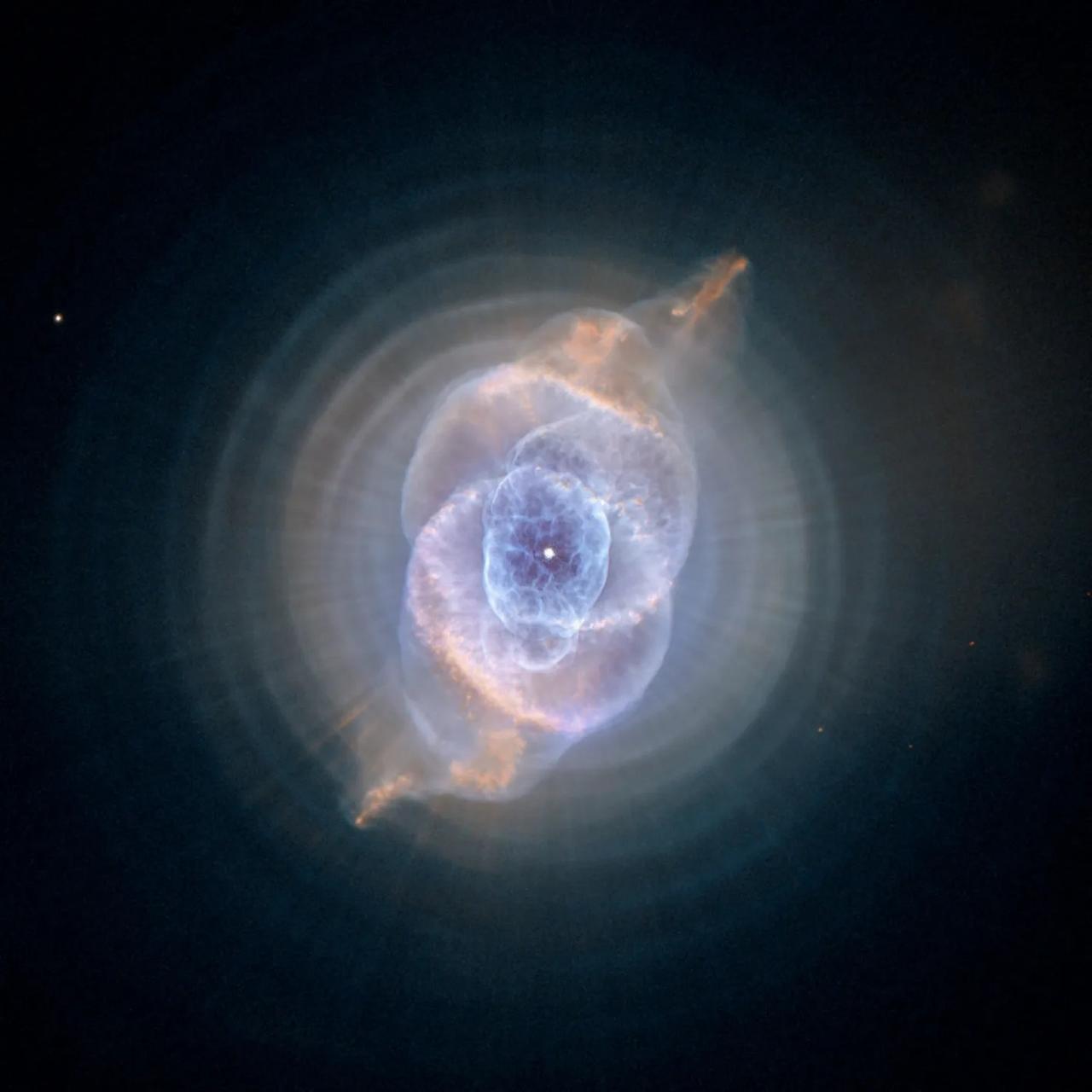
Cat’s Eye Nebula
Cat’s Eye Nebula (NGC 6543) is a planetary nebula located approximately 3,300 light-years from Earth in the constellation Draco. It is renowned for its highly complex structure. AI-Generated Image of the Cat’s Eye Nebula. " image-element-format="right" image-source="https://cdn.t3pedia.org/media/uploads/2025/07/09/4IqT9bkGvvOCS8tezzupmnldrZeYkTdY.png"> Discovered in 1786 by William Herschel, this nebula has garnered significant interest among scientists, particularly due to high-resolution im
ENOsman Özbay