

`sports-psychology` Related Article Results
Home Advantage
The home advantage refers to the phenomenon in which a player’s or team’s performance changes in response to the presence and reactions of spectators in the stands. A classic example of this effect is the tendency for “home teams” to perform better on their own grounds. Fan support can boost players’ morale and energy while simultaneously applying psychological pressure on the opposing team. However, in some cases, this dynamic can generate stress for athletes and lead to performance decline. Re
EN
Asusena Ela Öztürk

Performance Psychology
Performance psychology; is a field of study that examines the psychological mechanisms influencing learning, adaptation, and execution processes in high-demand environments, and develops applied interventions targeting these mechanisms. The field’s focus is on performance not merely as achieving the “highest level,” but as sustainable expression under varying conditions; therefore, processes such as attention, emotion regulation, motivation, and stress management are evaluated alongside training
EN
Ömer Said Aydın
Performance Decline Under Pressure
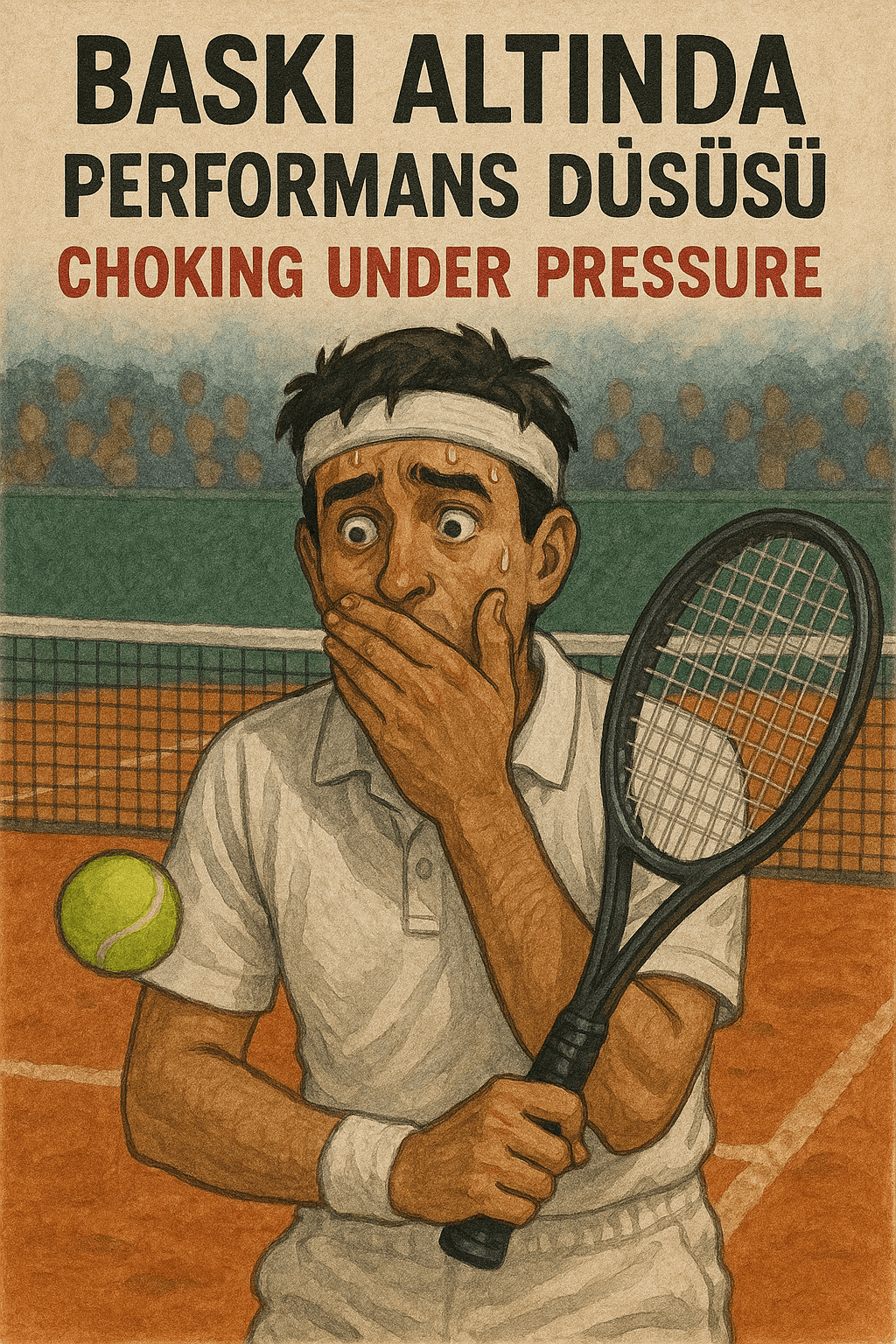
Choking under pressure (in English: Choking under pressure) is the phenomenon in which an individual fails to perform skills they are normally capable of, due to high expectations, stress, or reward pressure. This phenomenon occurs across numerous domains—from athletes and performing artists to surgeons and pilots—and is characterized by a dramatic decline in performance at the critical moment. Even when the individual’s competence is intact, their inability to access their skills under psycholo
ENAsusena Ela Öztürk