

`spiral-galaxy` Related Article Results
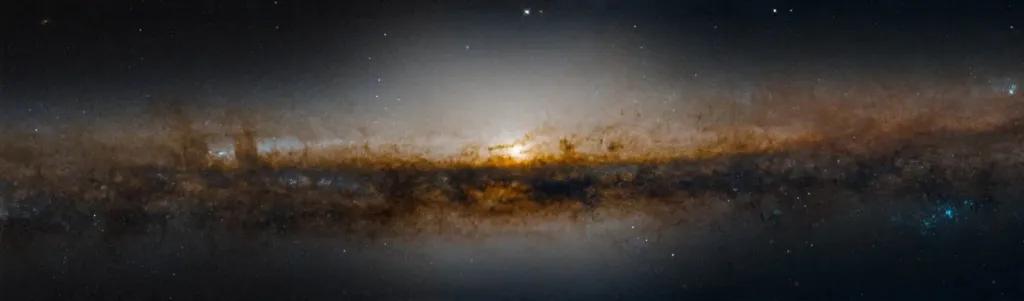
NGC 4565 Galaxy
NGC 4565 Galaxy is a spiral galaxy located in the direction of the Coma Berenices constellation and viewed nearly edge-on from Earth. It was discovered by William Herschel on 6 April 1785. Due to its thin appearance when seen edge-on, the galaxy is popularly known as the "Needle Galaxy," a nickname that, while not official, is widely used. NGC 4565 is listed in the New General Catalogue (NGC) under number 4565. It is frequently referenced in observational astrophysical studies due to its visual
EN
Osman Özbay
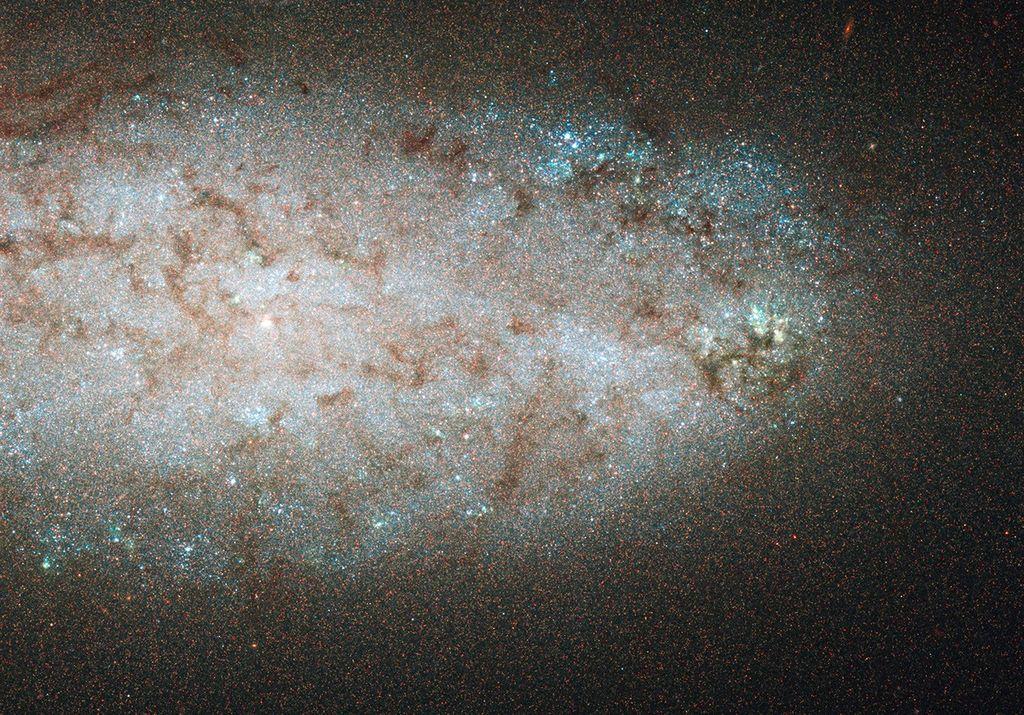
NGC 2976 Galaxy
NGC 2976 Galaxy is a dwarf spiral galaxy located in the constellation Ursa Major and is approximately 11.6 million light-years away from Earth. Discovered by William Herschel in 1788, this celestial object is classified as a member of the Messier 81 (M81) Group. Observations reveal that NGC 2976 has exhibited structural and dynamical changes as a result of past interactions with larger galaxies within the M81 Group. Technical Specifications NGC 2976 is classified as a SA(s)cd type galaxy; this c
ENOsman Özbay
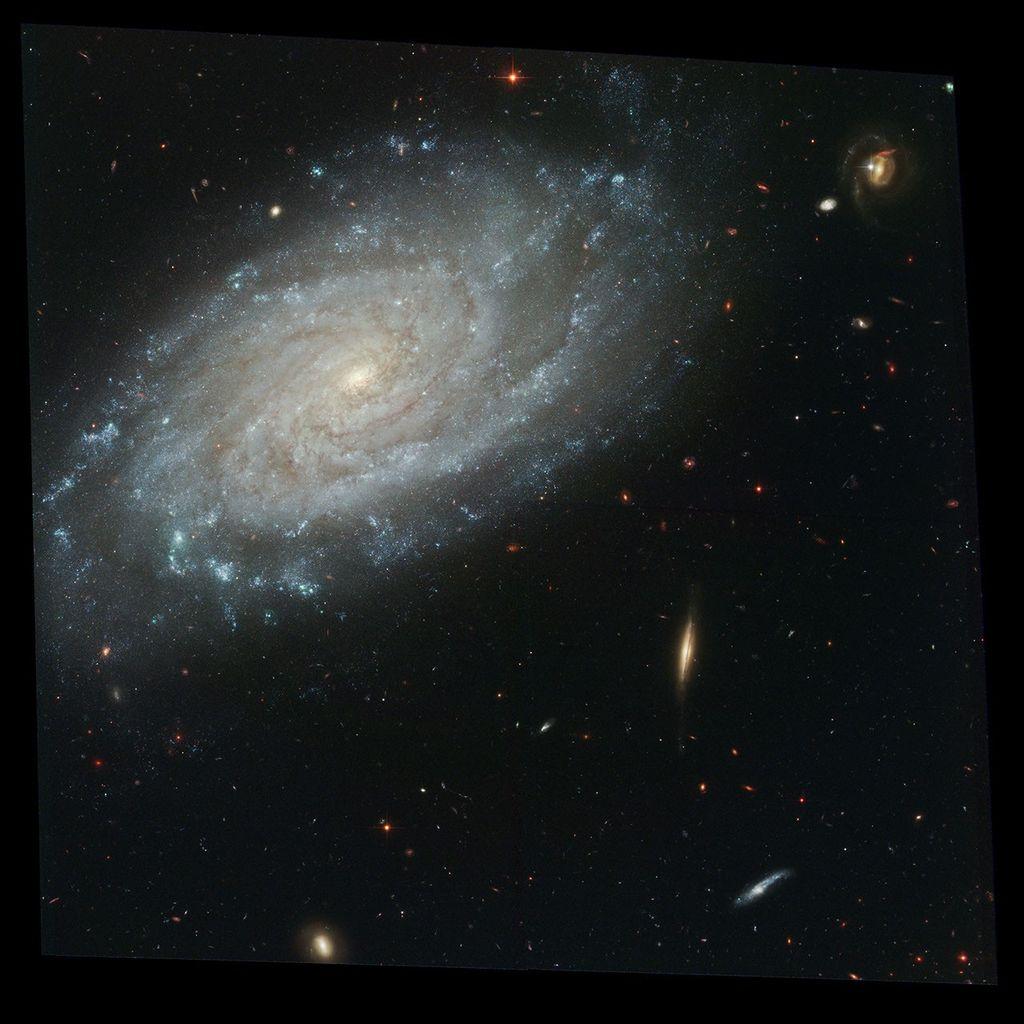
NGC 3370 Galaxy
NGC 3370 Galaxy is an unbarred spiral galaxy located in the constellation Leo, notable for its spiral structure. It holds particular importance in astronomical research, especially regarding Type Ia supernova observations and cosmological distance measurements. It was discovered by William Herschel on March 18, 1784. Location and General Characteristics NGC 3370 is located approximately 30 megaparsecs (about 98 million light-years) from Earth. Its observed apparent magnitude is approximately 12.
ENOsman Özbay
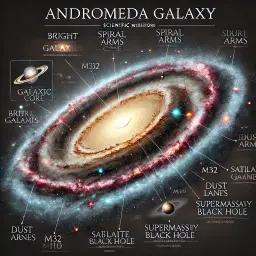
Andromeda Galaxy
Andromeda Galaxy (M31) is the closest spiral galaxy to the Milky Way and is located approximately 2.5 million light-years away. As the farthest celestial object visible to the naked eye, Andromeda holds great importance for astronomers. Providing critical information about galaxy formation and evolution in the universe, Andromeda is at the center of many scientific studies. Discovery and History Observations of the Andromeda Galaxy date back to ancient times. In 964, the Persian astronomer Abd a
ENOsman Özbay
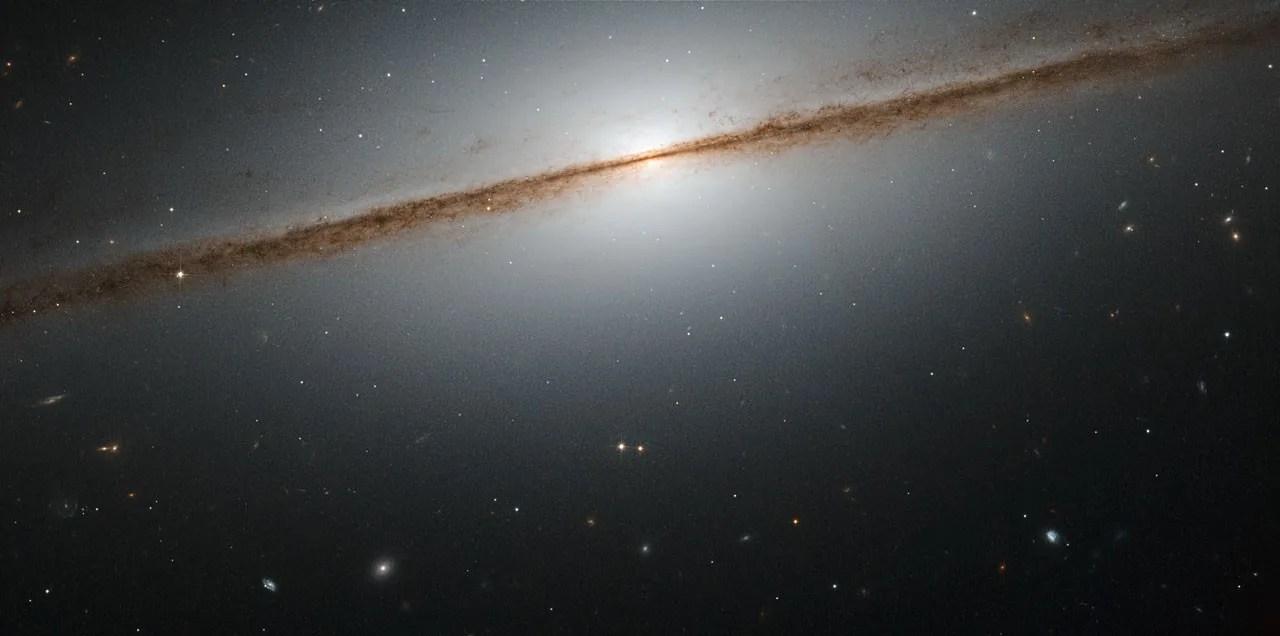
NGC 7814 Galaxy
The NGC 7814 Galaxy is a spiral galaxy located in the Pegasus constellation. Discovered in the late 18th century, this celestial object serves as a critical example in astronomical research due to its structure and properties. From this perspective, the fundamental characteristics of NGC 7814—its morphology, physical parameters, and observational data—are subjects of scientific interest. Discovery and Location NGC 7814 was discovered in 1784 by the English astronomer William Herschel. Initially
ENOsman Özbay
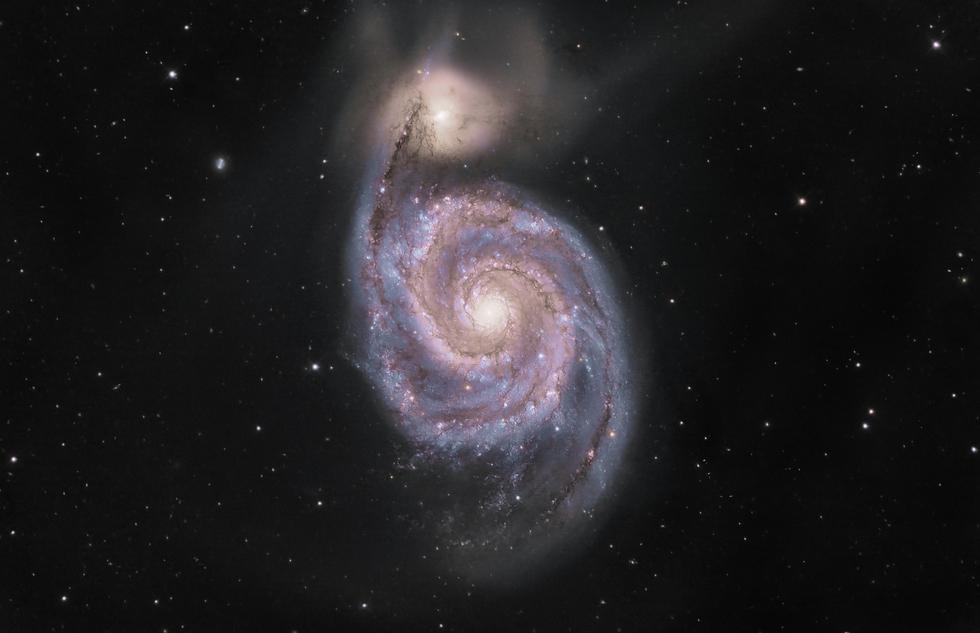
Whirlpool Galaxy
The Whirlpool Galaxy (Whirlpool Galaxy), also known as Messier 51a (M51a), is a distinctly structured spiral galaxy. Although it resembles the Milky Way in structure, it is one of the few external galaxies that can be observed relatively easily and whose structural features can be clearly distinguished. Location of Messier 51. (NASA) " image-element-format="justify" image-source="https://cdn.t3pedia.org/media/uploads/2025/07/09/6falsmnAPG8pfLfLVsOUubjA27ZuqNj2.webp"> First observed in 1773 by
ENOsman Özbay
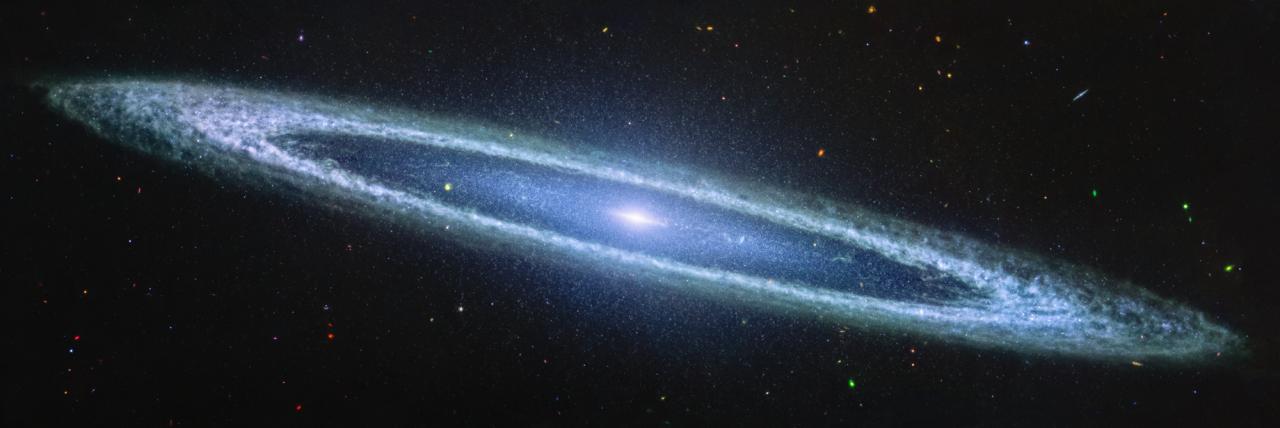
Sombrero Galaxy
Sombrero Galaxy (Messier 104 or M104) is one of the galaxies featured in modern astronomical studies due to its spiral structure and distinct morphological features. It gets its name from its appearance, which resembles a traditional Mexican "sombrero" hat when observed. This look results from the combination of the galaxy's bright central bulge and its planar dust lane. AI-Visualized Image of the Sombrero Galaxy. " image-element-format="justify" image-source="https://cdn.t3pedia.org/media/uploa
ENOsman Özbay
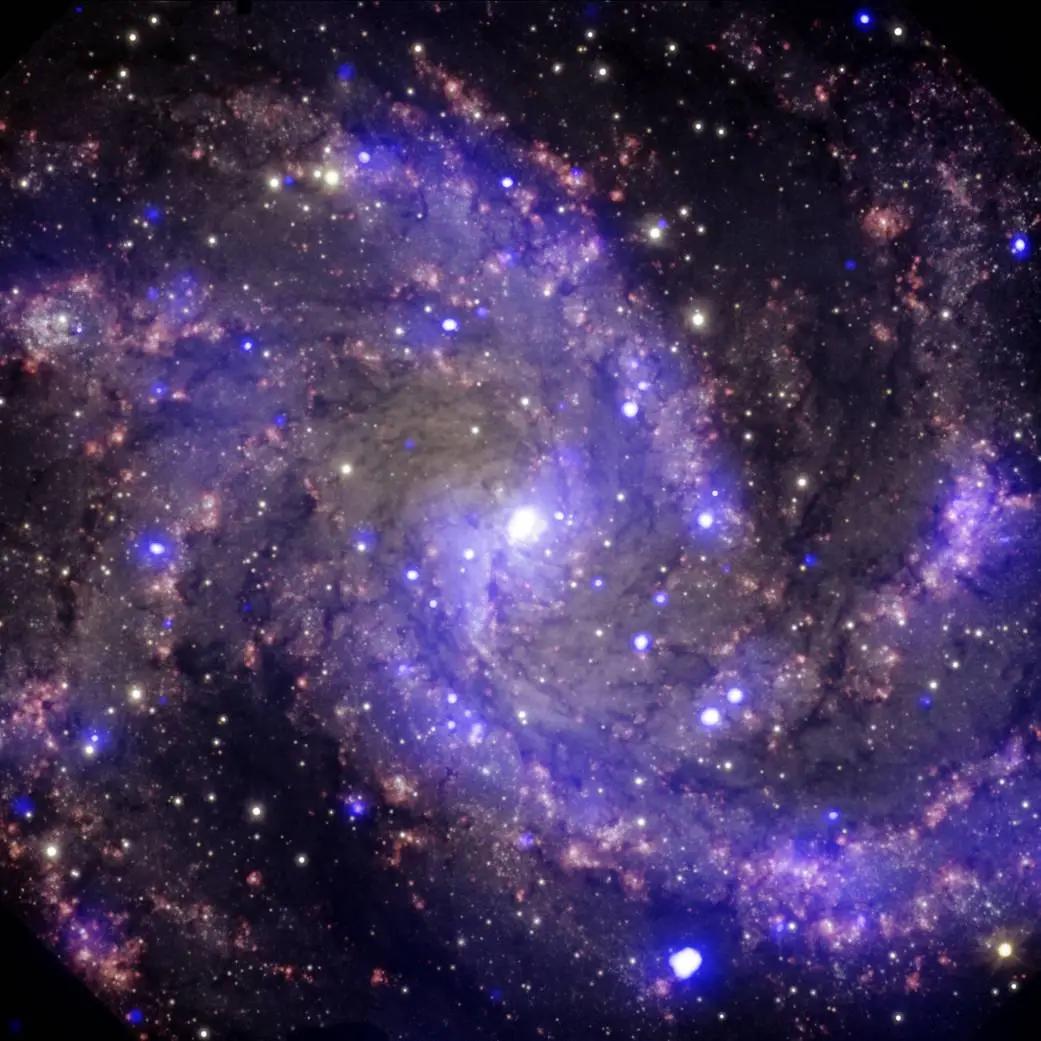
Fireworks Galaxy (NGC 6946)
Fireworks Galaxy (NGC 6946) is defined as an intermediate spiral galaxy located outside the local group of galaxies between the Milky Way and the Virgo Supercluster. First discovered by William Herschel on September 9, 1798, this galaxy is a target of observational interest for both scientific research and amateur astronomers. The galaxy is particularly notable for its high supernova rate and star-forming regions, making it a subject of various astrophysical studies due to its observability, pos
ENOsman Özbay
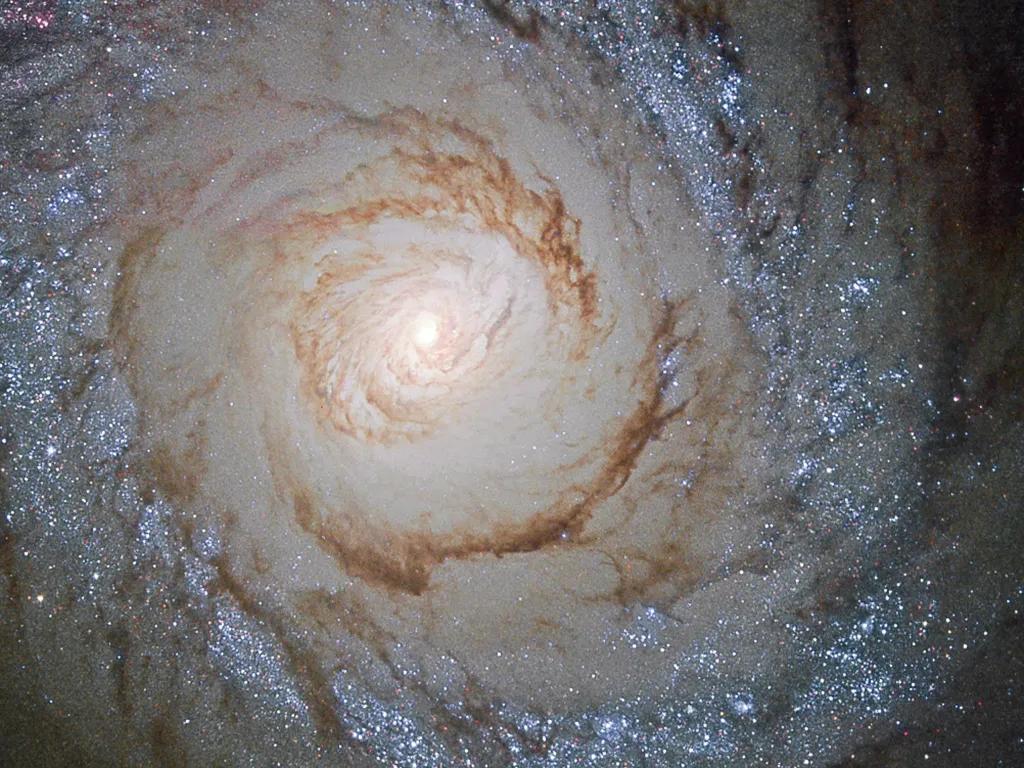
Messier 94 Galaxy
Messier 94 Galaxy, located in the direction of the Canes Venatici constellation, is an intermediate spiral galaxy approximately 16 million light-years away. It was discovered by French astronomer Pierre Méchain in 1781 and shortly thereafter cataloged by Charles Messier as number 94 in the Messier Catalogue. In the New General Catalogue (NGC) system, it is designated as NGC 4736. Messier 94 (NASA) " image-element-format="right" image-source="https://cdn.t3pedia.org/media/uploads/2025/07/02/Jr60t
ENOsman Özbay
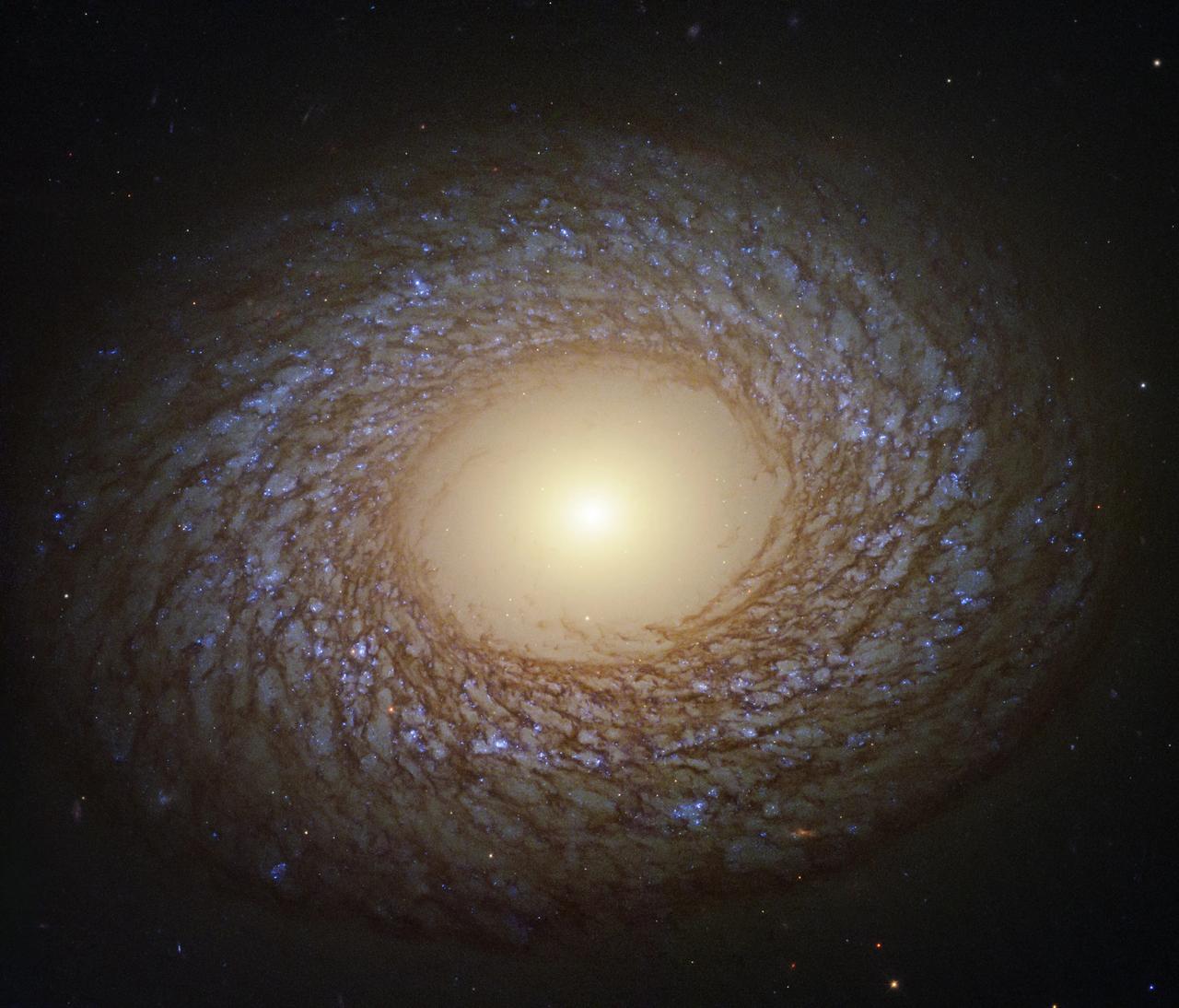
NGC 2775 Galaxy
NGC 2775 is a spiral galaxy located approximately 55 million light-years away from Earth in the constellation Virgo. It was discovered by William Herschel on December 5, 1783. In observational classifications, NGC 2775 is defined as a SA(r)ab-type spiral galaxy, particularly noted for its well-defined ring structure, prominent central bulge, and loosely wound morphological structure. This galaxy is considered one of the exemplary systems in studies concerning galactic morphology and evolution. G
ENOsman Özbay