

`spatial-transformation` Related Article Results
 Ci
CiCities as a Living Form
Cities have never been merely physical structures where people live; throughout human history, they have also functioned as living organisms that shaped culture, thought, and social relations. Since the city-states of ancient Greece, the city has served as a platform where individuals formed connections with the community, where social transformations occurred, and where ideas were forged. This article examines the evolution of the city across different historical periods and its impact on socia
EN
Zehra Dede
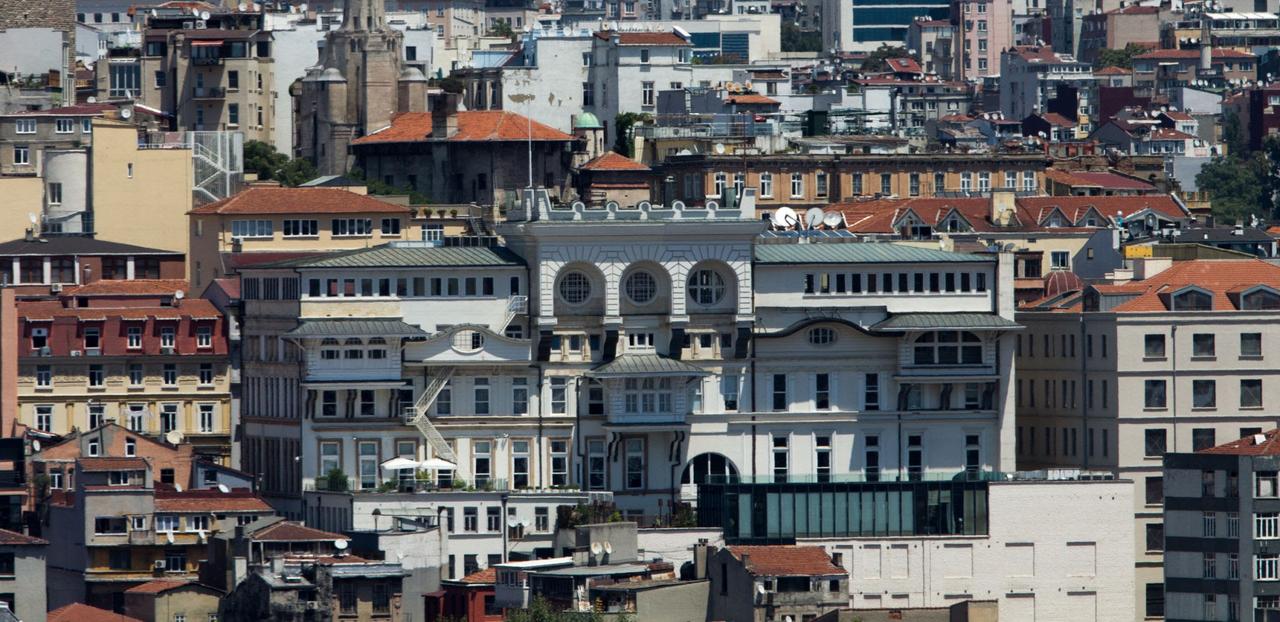
Urban Palimpsest
Urban palimpsest is a socio-spatial and architectural concept that refers to a city’s physical, spatial, and cultural fabric accumulating layers of traces from different historical periods, social practices, needs, and ideologies.【1】 The term derives from the Greek words palin, meaning "again," and psestos, meaning "scraped," combining to form palimpsēstos.【2】 In antiquity, due to the rarity and cost of parchment and papyrus, manuscripts with erased or scraped-off older texts rewritten on top we
EN
Kadriye Beyza Kirenci
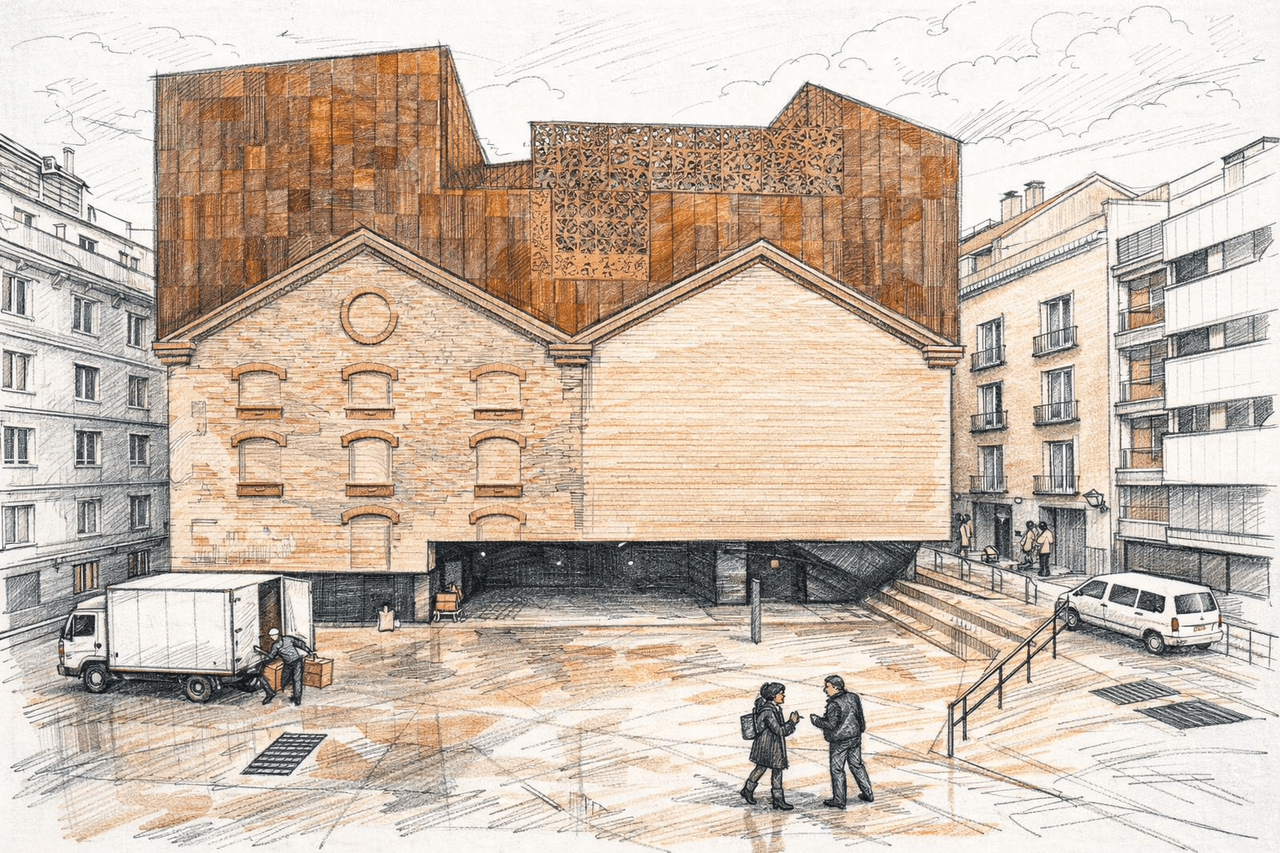
CaixaForum Madrid
CaixaForum Madrid is a cultural center created through the adaptive reuse of the Mediodía Power Station, constructed in the early 20th century. Located along Madrid’s Paseo del Prado axis, the building emerged from the preservation of its industrial-era brick facades combined with contemporary architectural interventions. Initiated by Fundación La Caixa in 2001, the transformation process converted the structure into a multifunctional public space hosting exhibitions, events, and cultural activi
EN
mesude zor