

`space-technology` Related Article Results

Artificial Intelligence in Space
Artificial Intelligence in Space is the collective set of technologies that enable computer systems to mimic human-like cognitive processes in humanity’s efforts to understand and explore the universe. These technologies are applied across a wide range of fields including mission planning, autonomous system management, big data analysis, astronaut support, and space debris tracking. Artificial intelligence plays a critical role in addressing the uncertainties and challenges inherent in space res
EN
Sümeyye Akkanat Terzioğlu
 Na
NaNanotechnology
Nanotechnology is a field of science that involves designing, manufacturing, and applying materials and devices at the atomic and molecular levels. It is based on manipulating matter at the nanometer scale (1-100 nm). This technology intersects various disciplines such as material science, physics, chemistry, biology, and engineering. Nanotechnology has led to revolutionary advancements in electronics, medicine, energy, and environmental sciences. History of Nanotechnology The conceptual foundat
EN
Handenur Tomaşoğlu

Rockets and Launch Systems
Rockets are vehicles that propel themselves by expelling gas at high velocity, generated by burning their fuel under high temperature and pressure, in accordance with Newton’s third law of motion—the principle of action and reaction. Launch systems, on the other hand, are comprehensive infrastructures and technological components designed to deliver a payload—such as a satellite, scientific instrument, crewed capsule, or military system—to a specific orbit, region, or target. These systems play
EN
Sümeyye Akkanat Terzioğlu
FeFergani Space
Fergani Space Technologies Information Industry and Trade Inc. is a space technologies company founded in 2022 under the leadership of Selçuk Bayraktar. Fergani operates in the space industry with satellites produced for commercial purposes, the components and payloads used on these satellites, and Orbit Transfer Vehicles (OTVs) developed with proprietary propulsion technologies. On January 15, 2025, Fergani Space's first test satellite, the FGN-d-101 satellite was launched into space (Fergani S
EN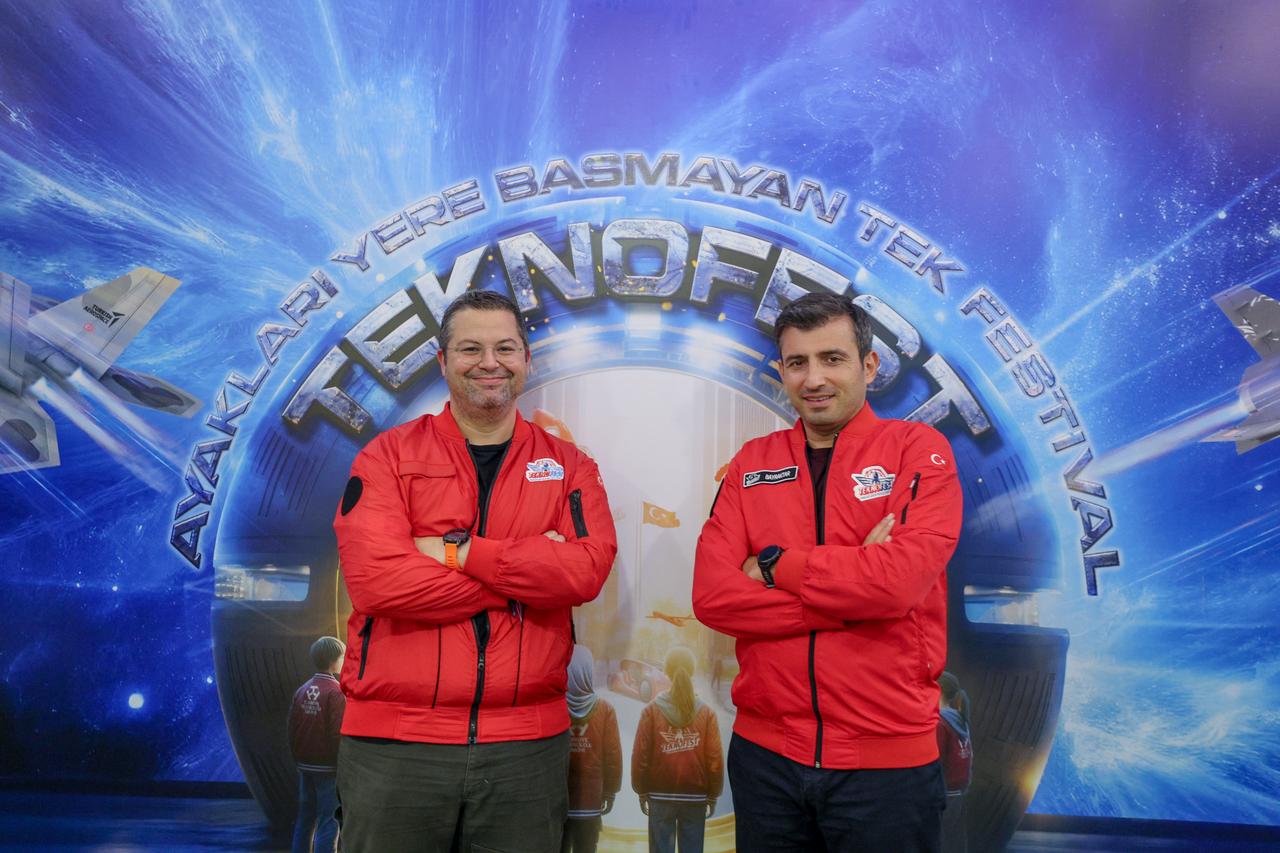
Doğan Eşkinat
Satürn V
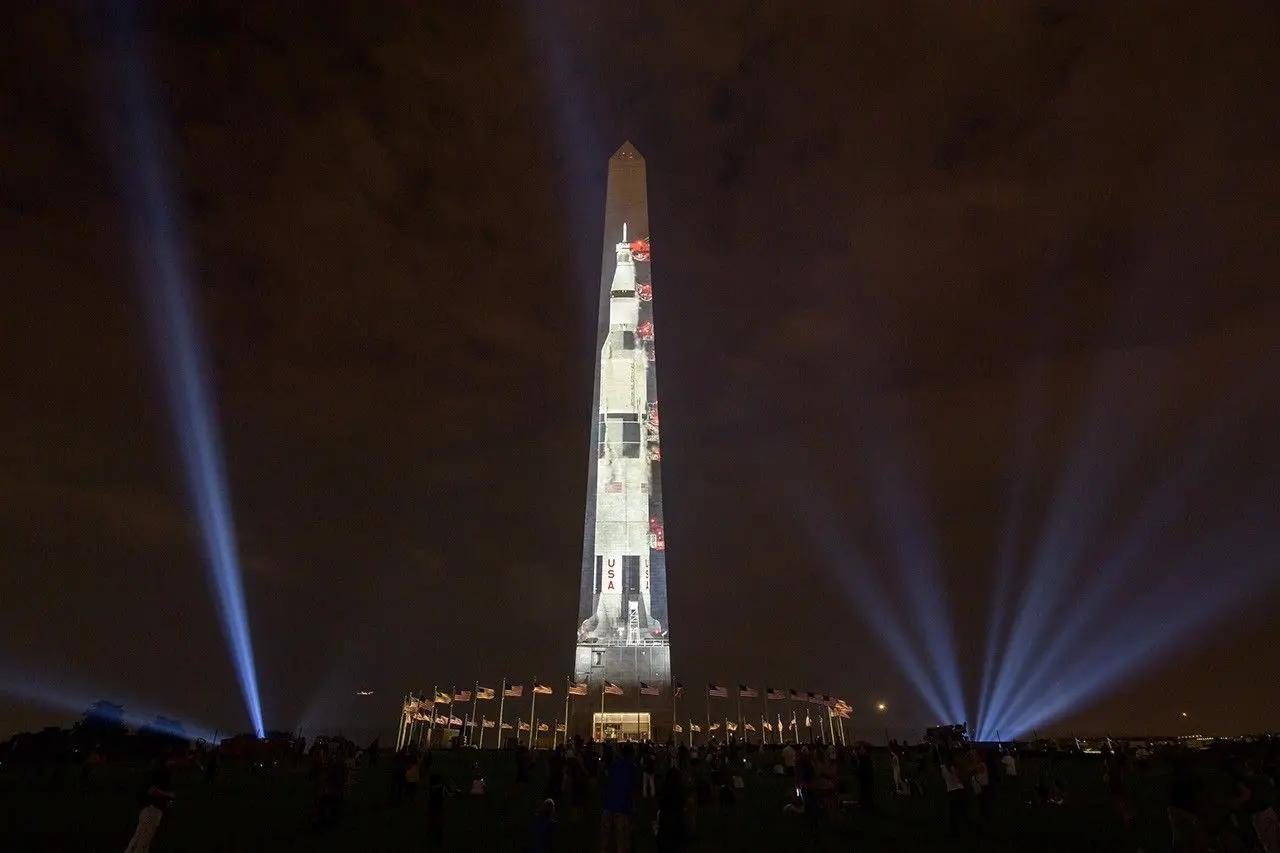
Saturn V, developed by the United States space agency NASA, was a three-stage launch vehicle used in the Apollo and Skylab programs. It was operational between 1967 and 1973 and was launched a total of 13 times. The rocket was developed to enable manned lunar missions and remains one of the most powerful rockets ever used in human spaceflight history. In terms of rocket design, launch capacity, missions, and technical infrastructure, it stands as a significant example in the development of 20th-
EN
Osman Özbay

Rockets and Launch Systems
Rockets are vehicles that propel themselves by expelling gas at high velocity, generated by burning their fuel under high temperature and pressure, thereby moving in accordance with Newton’s third law of motion, the principle of action and reaction. Launch systems, on the other hand, are comprehensive infrastructures and technological components designed to deliver a useful payload—such as a satellite, scientific instrument, crewed capsule, or military system—to a specific orbit, region, or targ
ENSümeyye Akkanat Terzioğlu