

`space-shuttle` Related Article Results
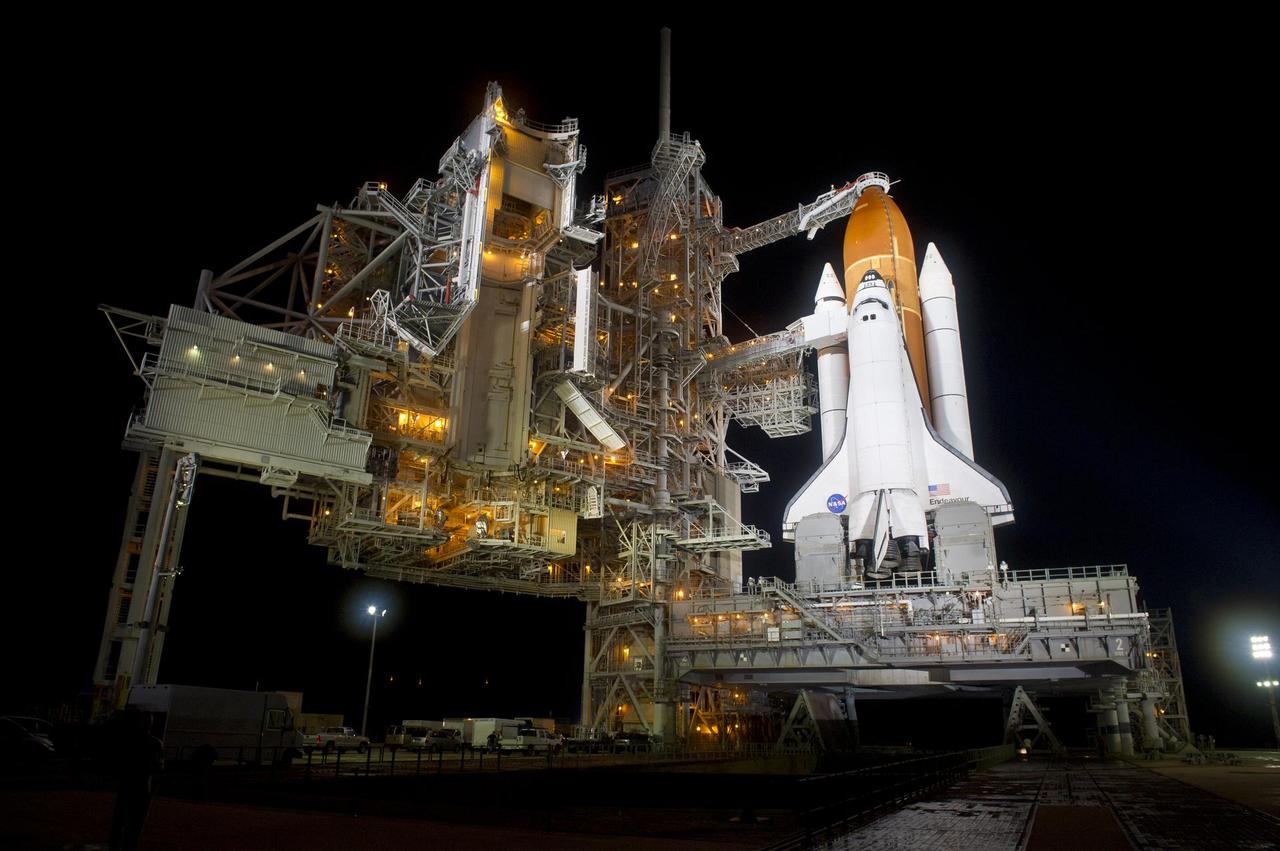
Space Shuttle Endeavour
The Space Shuttle program marked a major advancement in human space exploration, and a series of space vehicles were produced within the scope of NASA's Space Shuttle Program. One of these vehicles was the Space Shuttle Endeavour. First launched in 1991, Endeavour contributed to space research and was used in various scientific missions. History of the Endeavour Space Shuttle Endeavour (OV-105) was produced due to the need for a new space shuttle following the Challenger disaster in 1986. Produc
EN
Osman Özbay
 Sp
SpSpace Shuttle Atlantis: History, Missions, and Contributions
The Space Shuttle Atlantis was a spacecraft developed under NASA’s Space Shuttle Program and designed to be reusable. From its first flight in 1985 to its final mission in 2011, it completed numerous important missions. NASA’s Space Shuttle Program, launched in the 1970s, aimed to make human spaceflight more economical and sustainable. Atlantis, one of the five shuttles developed under this program, was actively used from 1985 onward and completed 33 successful missions. History and Technical Sp
ENOsman Özbay
CoColumbia Space Shuttle
Columbia holds the distinction of being NASA's first space shuttle. Its inaugural flight in 1981 symbolized the beginning of a new era in space travel. As the pioneer of the space shuttle program, Columbia pioneered the concept of a reusable spacecraft, moving beyond traditional launch systems used to reach space. First Mission (STS-1) On 12 April 1981, during the STS-1 mission, Columbia carried two astronauts (John W. Young and Robert L. Crippen) into space. This mission marked the first time C
EN
Emir Çalışkan
DiDiscovery Space Shuttle
Space Shuttle Discovery (OV-103) was one of the five orbital vehicles developed and operated by NASA and emerged as one of the most prolific spacecraft in the American Space Shuttle Program. Discovery made its first flight on 30 August 1984 and completed a total of 39 missions until 2011, making significant contributions to space exploration important. Artificial Intelligence Generated Visualization of the Space Shuttle Discovery Launch. " image-alternate="" image-element-format="right"> Tech
EN
Osman Özbay
BuBuran Space Shuttle
Buran (Russian: Буран, meaning "Blizzard") was a reusable space shuttle program developed by the Soviet Union as a response to the United States' Space Shuttle program and later inherited by the Russian Federation. The program’s orbital vehicle was launched vertically using the Energia launch system and landed horizontally on a runway like an aircraft. One of Buran’s most notable technical capabilities was its ability to fly and land entirely in automatic mode without human intervention. The pro
EN
Yunus Emre Yüce
DiDiscovery Space Shuttle
Space Shuttle Discovery (OV-103) was one of the five orbiters developed and operated by NASA and stood out as one of the longest-serving vehicles in the American Space Shuttle Program. Its first flight took place on 30 August 1984, and by 2011 it had completed 39 missions, making significant contributions to space exploration. Technical Specifications Discovery was 37.24 meters long with a wingspan of 23.79 meters and a launch weight of approximately 2,000 tons. It was launched using three main
ENOsman Özbay