

`space-race` Related Article Results
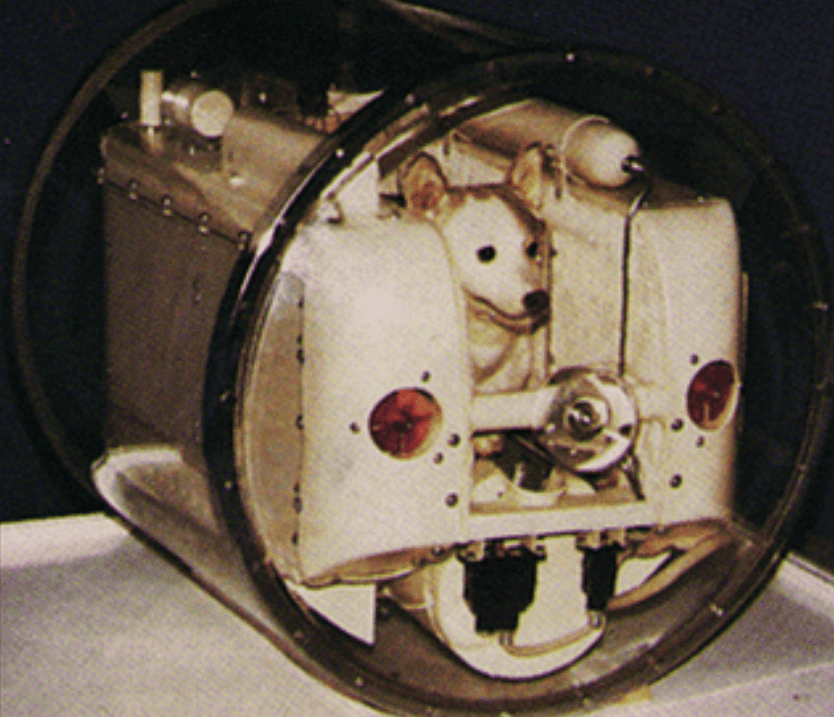
Laika
Laika is the first living creature to be sent into Earth’s orbit, launched by the Soviet Union aboard the Sputnik 2 spacecraft on 3 November 1957. Laika, a stray mixed-breed dog from the streets of Moscow, was selected for this historic mission to test the effects of spaceflight on living organisms. space travel's Historical Background In the mid-1950s, the “Space Race” between the United States and the Soviet Union had evolved into a global technological competition by August 1955. The Soviet U
EN
Nursena Şahin
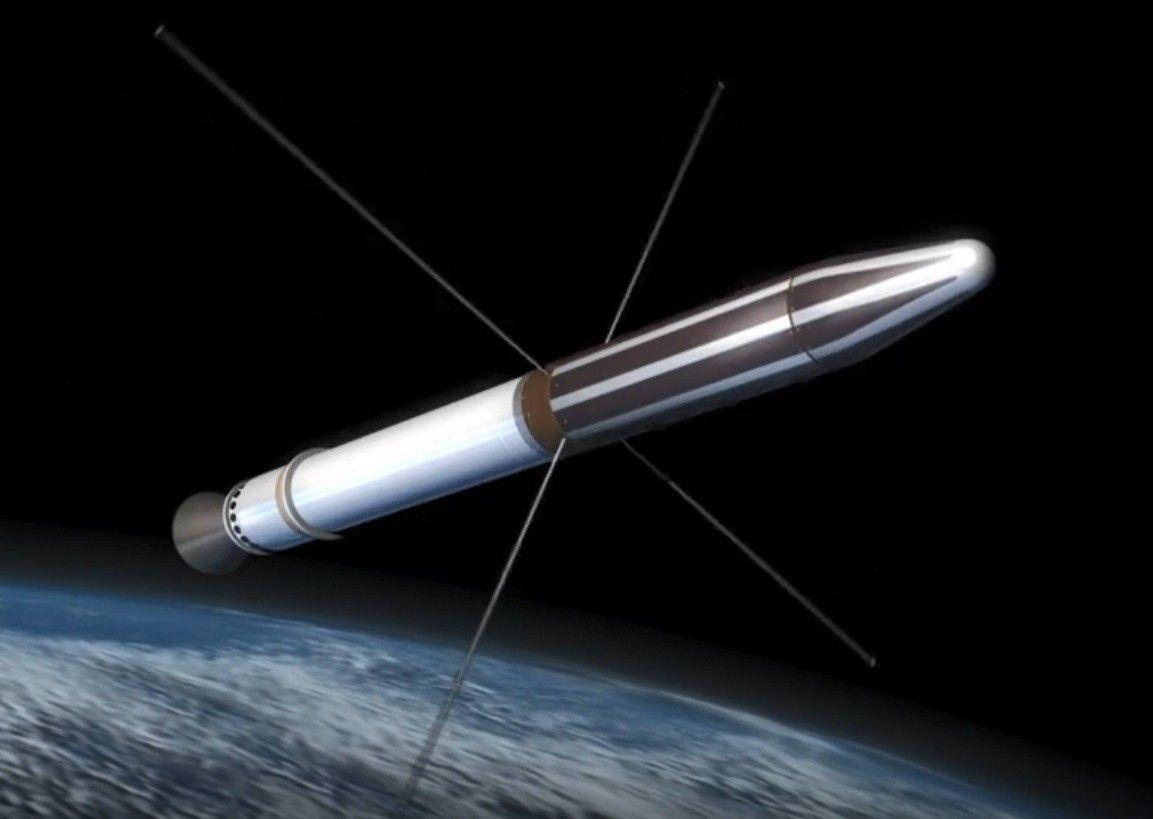
Explorer 1
Explorer 1 is the first artificial satellite successfully placed into orbit by the United States of America. Launched on 31 January 1958, it was a direct response to the Soviet Union’s launches of Sputnik 1 and Sputnik 2 during the Space Race of the Cold War. Explorer 1’s mission did not merely achieve a technological milestone; it also marked the first major scientific discovery of the space age by revealing the existence of the Van Allen radiation belts surrounding Earth. This historic mission
EN
Erhan Şencan
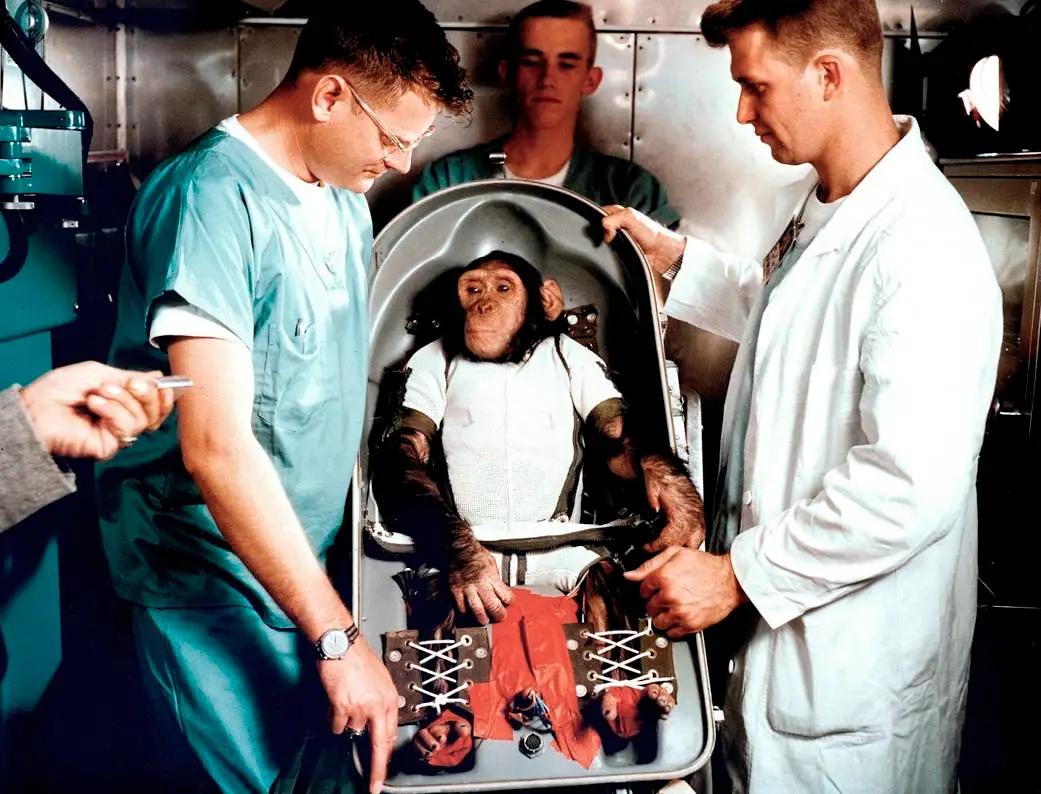
Ham (Astrochimp)
Ham, on 31 January 1961, became the first chimpanzee sent into space as part of the United States' Mercury-Redstone 2 (MR-2) mission and served as a biological precursor to human spaceflight. Technically known as "No. 65," this primate was used as an active operator during flight, performing tasks in real time. His successful mission directly paved the way for the United States' first human spaceflight, Alan Shepard's mission.Save the Chimps, “Ham, the First Chimpanzee in Space,” Save the Chimps
EN
Nursena Şahin
The Space Race
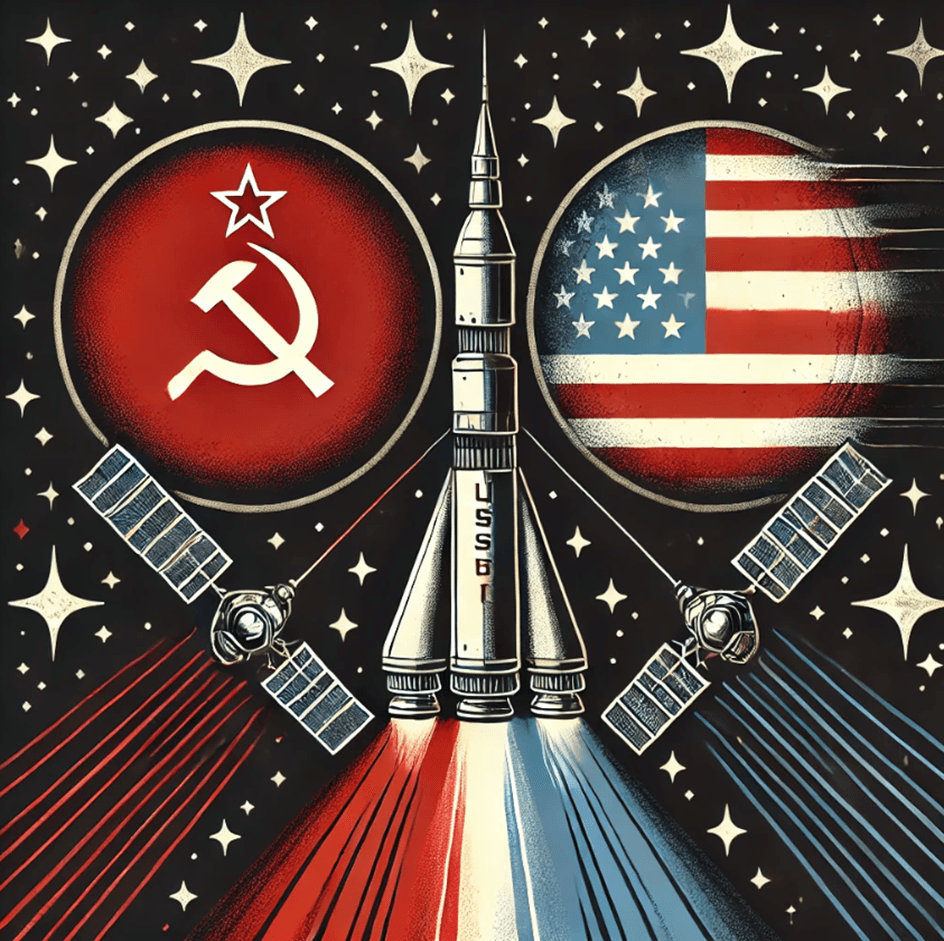
Space exploration has evolved into a field of technological, scientific, and political competition since the mid-20th century. This journey began in 1957 when the Soviet Union launched Sputnik 1, marking the start of an intense space race during the Cold War between the United States and the Soviet Union. From humanity's first step on the Moon to the transformation of space into a military and commercial domain, this process has played a pivotal role in shaping modern technology and internationa
EN
Kerem Akıl

Rockets and Launch Systems
Rockets are vehicles that propel themselves by expelling gas at high velocity, generated by burning their fuel under high temperature and pressure, in accordance with Newton’s third law of motion—the principle of action and reaction. Launch systems, on the other hand, are comprehensive infrastructures and technological components designed to deliver a payload—such as a satellite, scientific instrument, crewed capsule, or military system—to a specific orbit, region, or target. These systems play
EN
Sümeyye Akkanat Terzioğlu
International Day of Human Space Flight
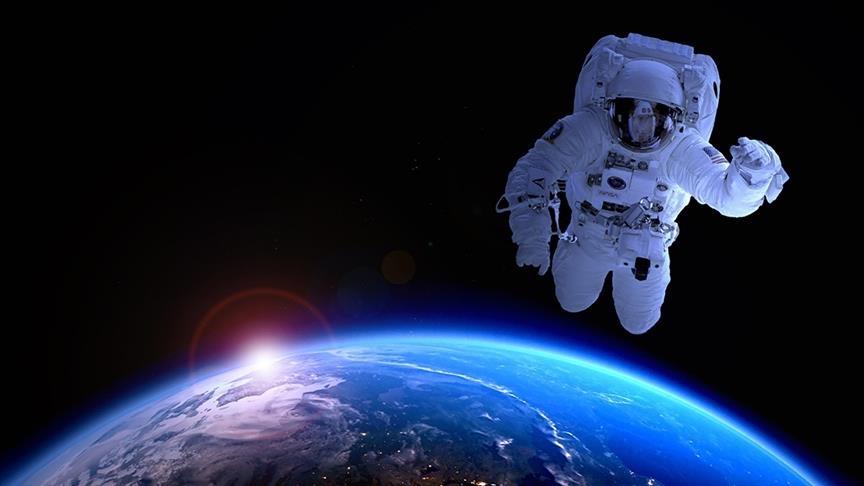
International Day of Human Space Flight is observed on 12 April, the anniversary of the first human spaceflight carried out by Soviet citizen Yuri Gagarin, as established by United Nations General Assembly resolution A/RES/65/271 adopted on 7 April 2011. This special day aims to celebrate internationally the beginning of the space age for humanity, highlight the contribution of space science and technology to sustainable development goals and societal well-being, and reaffirm the commitment to t
EN
Emirhan Polat
Ham (Astrochimp)
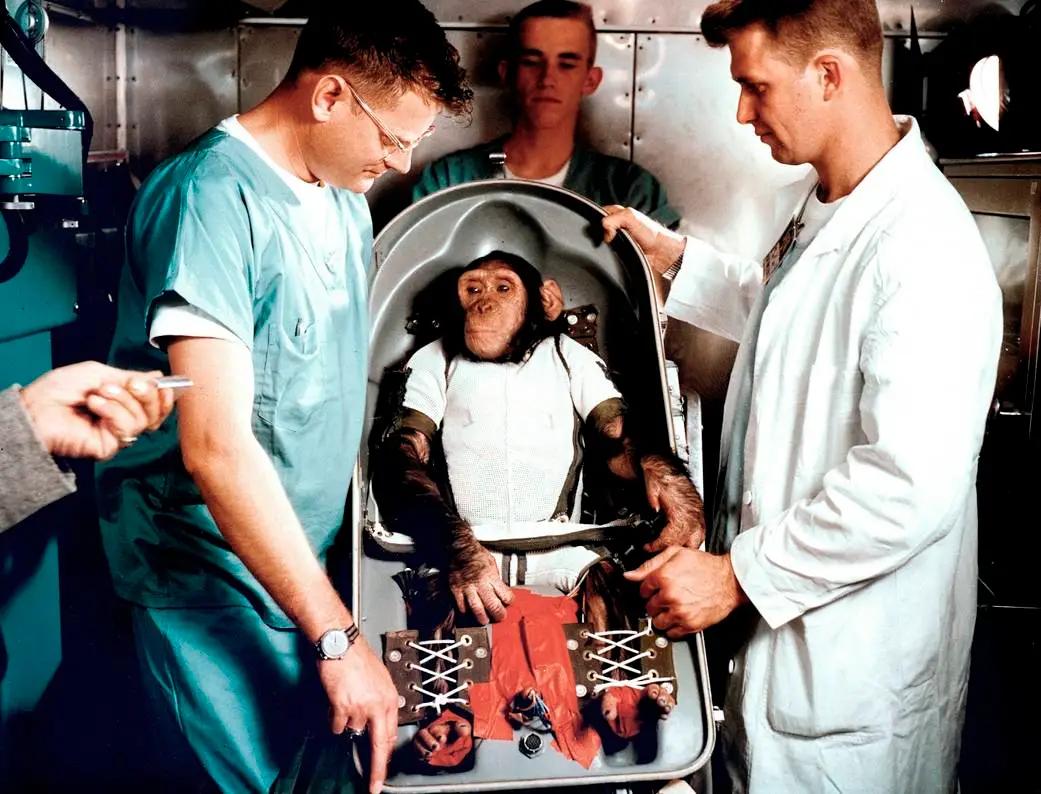
Ham was the first chimpanzee sent into space and a biological precursor to human spaceflight missions, launched on January 31, 1961, as part of NASA’s Mercury-Redstone 2 (MR-2) mission. Technically known as "No. 65," this primate served as an active operator during flight, performing tasks in real time. His successful mission directly paved the way for the United States’ first human spaceflight, Alan Shepard’s flightSave the Chimps, “Ham, the First Chimpanzee in Space,” Save the Chimps, https://
ENNursena Şahin

Rockets and Launch Systems
Rockets are vehicles that propel themselves by expelling gas at high velocity, generated by burning their fuel under high temperature and pressure, thereby moving in accordance with Newton’s third law of motion, the principle of action and reaction. Launch systems, on the other hand, are comprehensive infrastructures and technological components designed to deliver a useful payload—such as a satellite, scientific instrument, crewed capsule, or military system—to a specific orbit, region, or targ
EN
Sümeyye Akkanat Terzioğlu