

`sound` Related Article Results

Microphone
A microphone is a device that converts sound waves—small variations in air pressure—into electrical signals. These signals can then be amplified, recorded, or transmitted. Microphones are fundamental components of many audio communication and production technologies, including telephony, broadcasting, music recording, speech recognition, and surveillance. History of the Microphone Although one of the earliest microphone designs was developed by Johann Philipp Reis in the 1860s, his device was un
EN
Ömer Faruk Bilcan

Trumpet
Have you ever heard a bright, joyful sound that makes you bounce in place during a celebration or a parade? The powerful voice shouting, “Hey, look over here!” is most likely coming from a trumpet that shines as if made of gold! The trumpet is one of the coolest musical instruments you play with your breath. What Is a Trumpet? The trumpet is an instrument made of metal, such as brass, with a series of coiled tubes. One end has a small cup where you place your lips, called the mouthpiece, and the
EN
Yunus Emre Yüce

What Is a Microphone?
A microphone is a device that captures sound waves and converts them into electrical signals. It detects human speech or other sound waves in the environment and transforms them into signals that electronic systems can process. This allows sound to be recorded, played through speakers, or transferred to digital formats. How Do Microphones Work? A microphone is an instrument that converts our voice into an electrical signal. When we speak, vibrations are created in the air, and the microphone det
EN
İbrahim Filiz

Phonograph
History, Development, and Technical Features The gramophone is one of the first devices to play sound recordings mechanically. It amplifies sound by tracing the grooves on a disc with a needle. Developed at the end of the 19th century as a significant invention in sound recording and reproduction technology, the gramophone was invented by Emile Berliner and first patented in 1887. Unlike devices such as the phonograph and graphophone, the gramophone operates on the principle of recording sound v
EN
Emine Beyza Yiğittürk

Bouba-Kiki Effect
The Bouba-Kiki Effect, cognitive psychology, is a phenomenological phenomenon identified at the intersection of neurolinguistics and evolutionary anthropology that describes universal, systematic, and non-random mappings established by the human mind between phonetic sound units and geometric shapes of objects. This concept is regarded as the primary evidence for research on “cross-modal perceptual mapping,” which investigates interactions between sensory modalities (auditory and visual). Bouba
EN
Nida Üstün

Bouba-Kiki Effect
The Bouba-Kiki Effect, cognitive psychology, neurolinguistics and evolutionary anthropology intersect in a phenomenological phenomenon that describes universal, systematic and non-random mappings between phonetic sound units and geometric shapes in the human mind. This concept is regarded as the foundational evidence for studies on "cross-modal perceptual overlap" (cross-modal mapping), which examine interactions between sensory modalities (hearing and vision). Studies on the Bouba and Kiki Effe
EN
Nida Üstün

Handpan (Instrument)
Handpan is an instrument belonging to the family of struck metal instruments. It was developed by drawing inspiration from the Hang, first created in 2000 by PANArt. This hand-played instrument consists of two hemispherical shells made of nitrided steel. The notes are produced by light, precise strikes on specific areas. The handpan’s resonant and soothing tone has contributed to its widespread popularity over the past decade. History of the Handpan The handpan’s origins trace back to the Hang,
EN
Muhammet Ali Demir
 St
StStudio Monitor
Studio monitor is a type of loudspeaker designed to ensure the most accurate, neutral, and faithful reproduction of sound in professional audio production processes such as recording, mixing, and broadcasting. Unlike consumer-grade loudspeakers, studio monitors do not artificially boost low or high frequencies to make the sound more pleasing to the listener. Instead, they aim to provide a flat frequency response that allows the sound to be heard exactly as it was recorded at the source. This ena
ENMuhammed Mansur Özdil
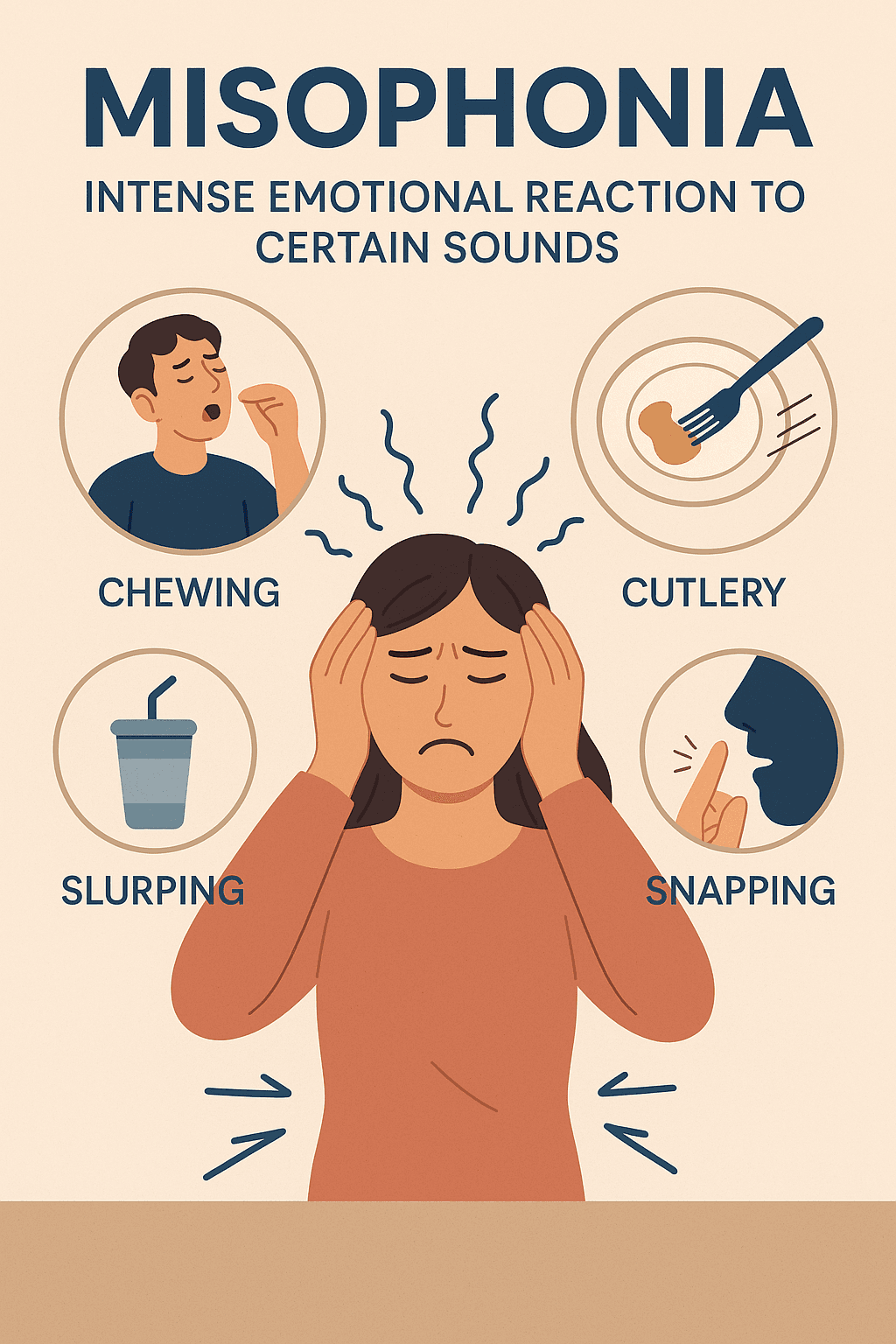
Misophonia
Misophonia is a condition in which certain sounds trigger intense reactions in individuals, such as extreme discomfort, anger, or disgust. These sounds are typically repetitive and mundane; chewing, breathing, or pen-clicking noises can be highly distressing to individuals with misophonia. Misophonia extends beyond a mere psychological disturbance, as it can negatively affect interpersonal relationships and disrupt daily life. Clinical Definition and Diagnosis of Misophonia Yılmaz and Hocaoglu (
ENFazlı Sefa Günay
AcAcoustic Engineering
Acoustical Engineering is a multidisciplinary engineering field that studies the generation, propagation, control, perception, and interactions of sound and vibration, focusing on applying these principles to solve problems and develop new applications. This field integrates the physics of acoustics with engineering principles. Main Areas of Study The fundamental areas of Acoustical Engineering include: Noise Control and Reduction: Development of methods and technologies to reduce unwanted sound
ENAhmet Şişgin