

`sofia` Related Article Results
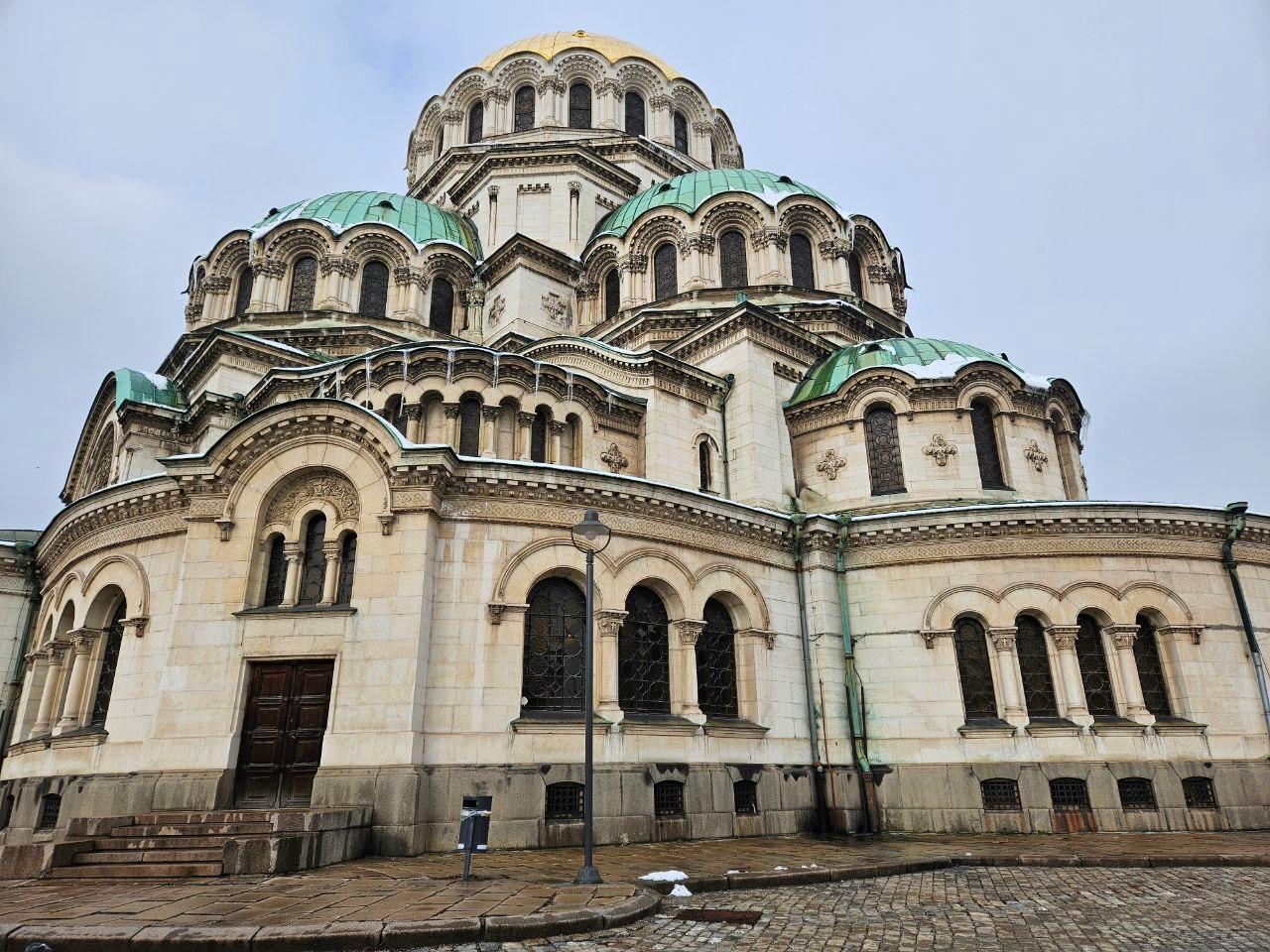
St. Alexander Nevski Cathedral
St. Alexander Nevski Cathedral is a patriarchal cathedral located in Sofia, the capital of Bulgaria, and one of the country’s most significant symbolic structures. Built as a monument to national independence and religious identity, it is among Bulgaria’s most renowned landmarks due to its architectural grandeur, interior and exterior decorations, and historical significance. History The idea of constructing St. Alexander Nevski Cathedral emerged after Bulgaria gained independence following the
EN
Meryem Şentürk Çoban
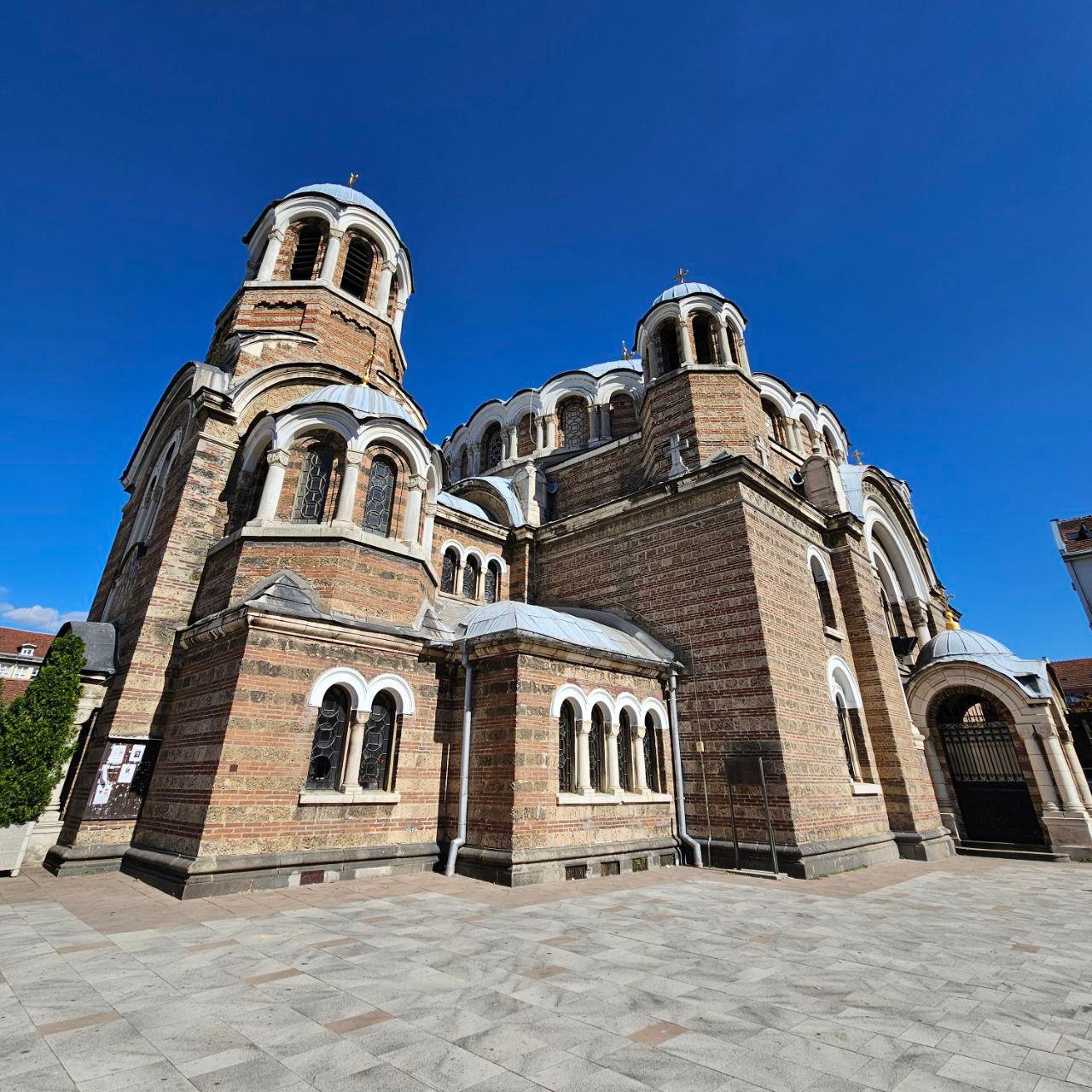
Kara Mosque (Sofu Mehmed Pasha Mosque / Saint Seven Saints Church)
Kara Cami is a significant külliye structure from the Ottoman period located in Sofia, the capital of present-day Bulgaria. It was commissioned in 1548 by Bosnian Sofu Mehmed Pasha, who served as vizier during the reign of Kanuni Sultan Süleyman. Recognized as the only work of Mimar Sinan in Sofia, the mosque formed the center of a large waqf complex that included a madrasa, imaret, caravanserai, library, and later an additional hammam. History Ottoman Period At the time of its construction, the
ENMeryem Şentürk Çoban
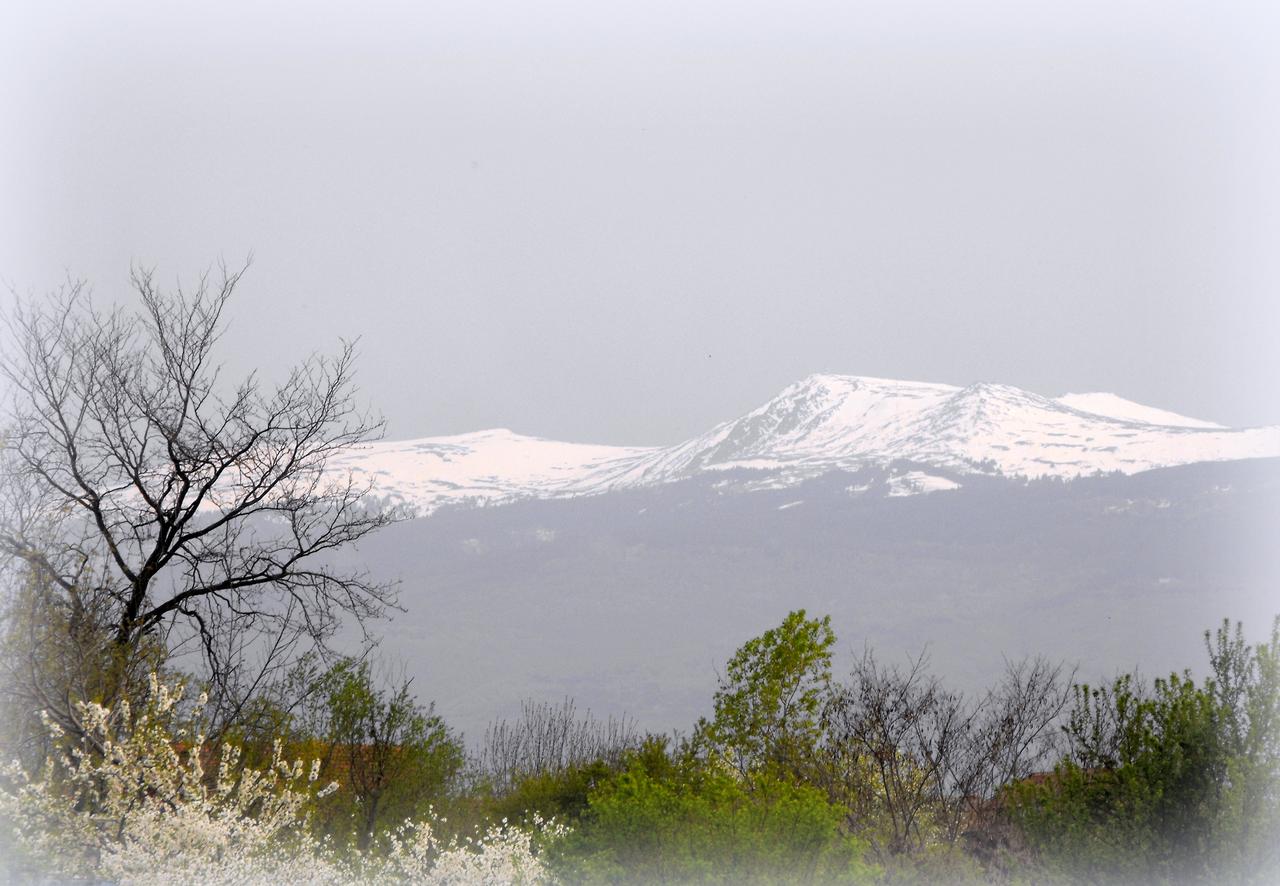
Vitosha Mountain
Vitosha Mountain is a mountain massif located immediately south of Bulgaria’s capital Sofia and is one of the country’s most renowned natural symbols. Its proximity to the center of Sofia—less than 10 kilometers away—has made it the capital’s closest recreational and tourism destination. The highest point of the mountain is the peak of Cherni Vrah (Black Peak), reaching 2290 meters. With an area of 278 km², it covers approximately 0.25 percent of Bulgaria’s total land area. Geographical Location
ENMeryem Şentürk Çoban
Bulgaria
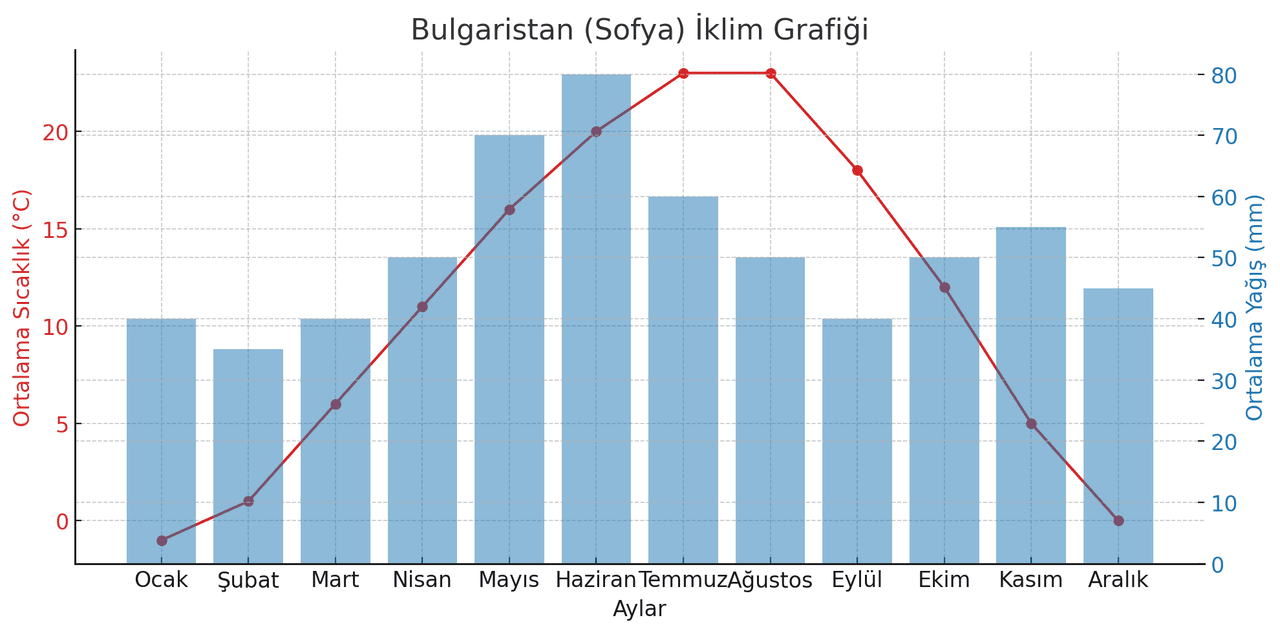
Bulgaria is a East Europe country located in place and bordering the Black Sea. With an area of 110,910 km², country shares its northern border with Romania, its western border with Serbia and North Macedonia, and its southern border with Greece and Türkiye. Its capital and largest city is Sofia. Bulgaria is known for its rich historical heritage, cultural diversity, and natural beauty. Plovdiv, one of the country’s oldest cities, is recognized as one of Europe’s oldest continuously inhabited se
EN
Mehmet Salih Çoban
 Wo
WoWorks in Sofia Bearing Ottoman Traces
Sofia has brought together traces of various civilizations throughout its history. Ottoman structures that exist between remnants from the Roman era, Byzantine influences, and Bulgarian architecture form one of the elements that complete the city’s multicultural identity. Having remained under Ottoman rule for nearly five centuries, the city was equipped during this period with numerous mosques, baths, fountains, and caravanserais. Today, only a small fraction of these remain standing, continuin
ENMeryem Şentürk Çoban
PlPlaces to Visit in Sofia
The heart of the Balkans, Sofia is a rich city where traces of different civilizations coexist—from mosques to churches, museums to mountain views. I have compiled a list of must-see places in Sofia. First and foremost, the Alexander Nevski Cathedral, one of Bulgaria’s most iconic structures, is a must-visit in Sofia. Next comes the Banyabaşı Mosque, which has served as a mosque since the Ottoman period and holds significant historical value. Following these, Sofia boasts numerous historic churc
ENMeryem Şentürk Çoban
Bulgaria
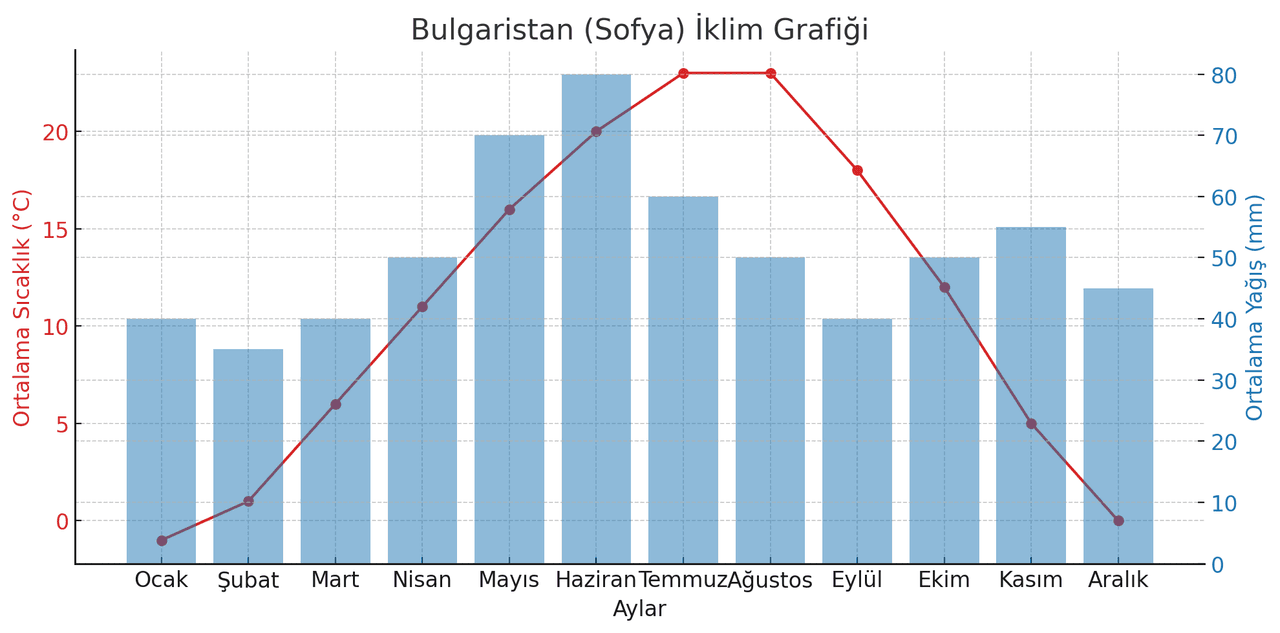
Bulgaria is a country in Eastern Europe located in the Balkans and bordering the Black Sea. With an area of 110,910 km², it shares its northern border with Romania, its western border with Serbia and North Macedonia, and its southern border with Greece and Türkiye. Its capital and largest city is Sofia. Bulgaria is known for its rich historical heritage, cultural diversity, and natural beauty. Plovdiv, one of the country’s oldest cities, is recognized as one of Europe’s oldest continuously inhab
EN
Mehmet Salih Çoban