

`social-pressures` Related Article Results

Lady Life (Book)
Hayat Hanım is a contemporary Turkish novel by Ahmet Altan, centered on personal transformation, love, freedom, and social prejudice. Plot The novel begins with Fazıl, a literature student, facing a turning point in his life after the death of his father. He confronts economic hardship and social pressures. Forced to move into a boarding house due to poverty, Fazıl encounters people from diverse social backgrounds and witnesses their realities. He gradually forms an emotional bond with Hayat Han
EN
Mehmet Denizhan
 Sh
ShShadows (Book)
"Shadows" is a work by Zülfü Livaneli that explores the pseudonyms (mahlas and müstear) used by writers and public figures. The book focuses on how authors adopted pseudonyms to protect themselves from social pressures, political threats, and economic hardship. Livaneli questions how pseudonyms and shadows shaped writers’ literary identities, examining the paradoxical condition of being both present and absent. The book discusses the pseudonyms used by figures such as Fatih Sultan Mehmet, Mustaf
ENBeyza Nur Türkü
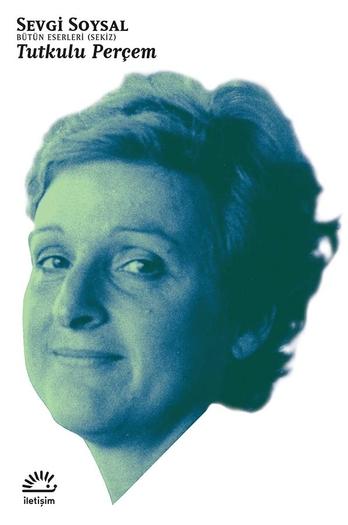
Passionate Lock (Book)
Tutkulu Perçem is a novel published by Sevgi Soysal in 1977. It is one of the author’s most significant works, reflecting her distinctive feminist perspective and understanding of social realism. The novel is structured around themes such as male-female relationships, individual freedom, social pressures, and gender identity. Through the emotional and social upheavals experienced by the protagonist Perçem, it examines the difficulties faced by women in Turkey during that era and the norms impose
EN
Nida Üstün
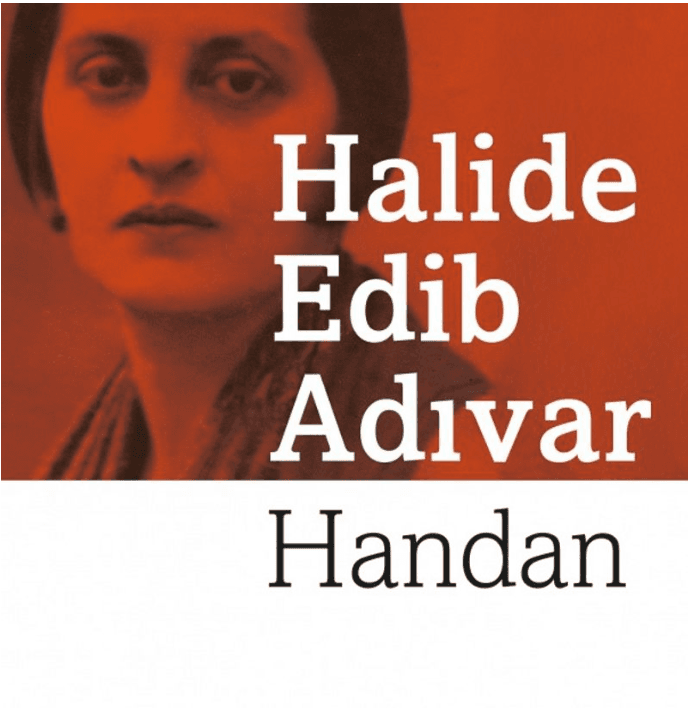
Handan (Book)
Handan is the novel written by Halide Edip Adıvar in 1912 and is regarded as the first Turkish novel to examine women’s psychology in detail. The novel is constructed entirely of letters and revolves around a “first-person narrative” technique. The events unfold during the reign of Sultan Abdülhamid II, and the author explores the inner world of the individual through themes such as love, marriage, loyalty, and loneliness. The work carries the imprint of the political atmosphere and the intellec
EN
Şevval Bengisu Koçer

The Day of Darkness (Book)
Leylâ Erbil’s 2009 novel Karanlığın Günü confronts the inner darkness of the individual and explores its reflections within the social context. The novel draws attention through modernist narrative techniques and experimental language use. In the work, psychological analysis intertwines with social critique; personal existential struggles, identity quests, and social pressures are examined in depth from a literary perspective. Karanlığın Günü is regarded as one of the significant examples of con
ENNida Üstün