

`smart-grids` Related Article Results
IoT Solutions in Renewable Energy
Renewable energy systems are systems that generate energy using sustainable and clean energy sources. These systems obtain energy from natural resources such as sun, wind, hydropower, and biomass like. Internet of Things (IoT) technology plays a critical role in enhancing the efficiency of these energy systems, enabling monitoring and automating management processes to offer. IoT solutions optimize the efficiency of energy systems while simultaneously reducing operational costs and lowering sour
EN
Hatice Kete
Future Energy Systems and Technologies
The energy systems of the future represent a fundamental transformation from traditional centralized structures based on fossil fuels toward sustainable and innovative solutions, guided by the need to combat climate change and advances in technology. This transformation is shaped around four core principles: decarbonization, digitalization, decentralization, and democratization. Rising global energy demand, the limited nature of conventional resources, and their environmental impacts are increas
EN
Ömer Said Aydın
IoT Solutions in Renewable Energy
Renewable energy systems are systems that generate energy using sustainable and clean energy sources. These systems obtain energy from natural resources such as sun, wind, hydroelectric and biomass such as. Internet of Things (IoT) technology plays a critical role in enhancing the efficiency of these energy systems, enabling monitoring and providing automated management processes to offer. IoT solutions optimize the efficiency of energy systems while simultaneously reducing operational costs and
ENHatice Kete
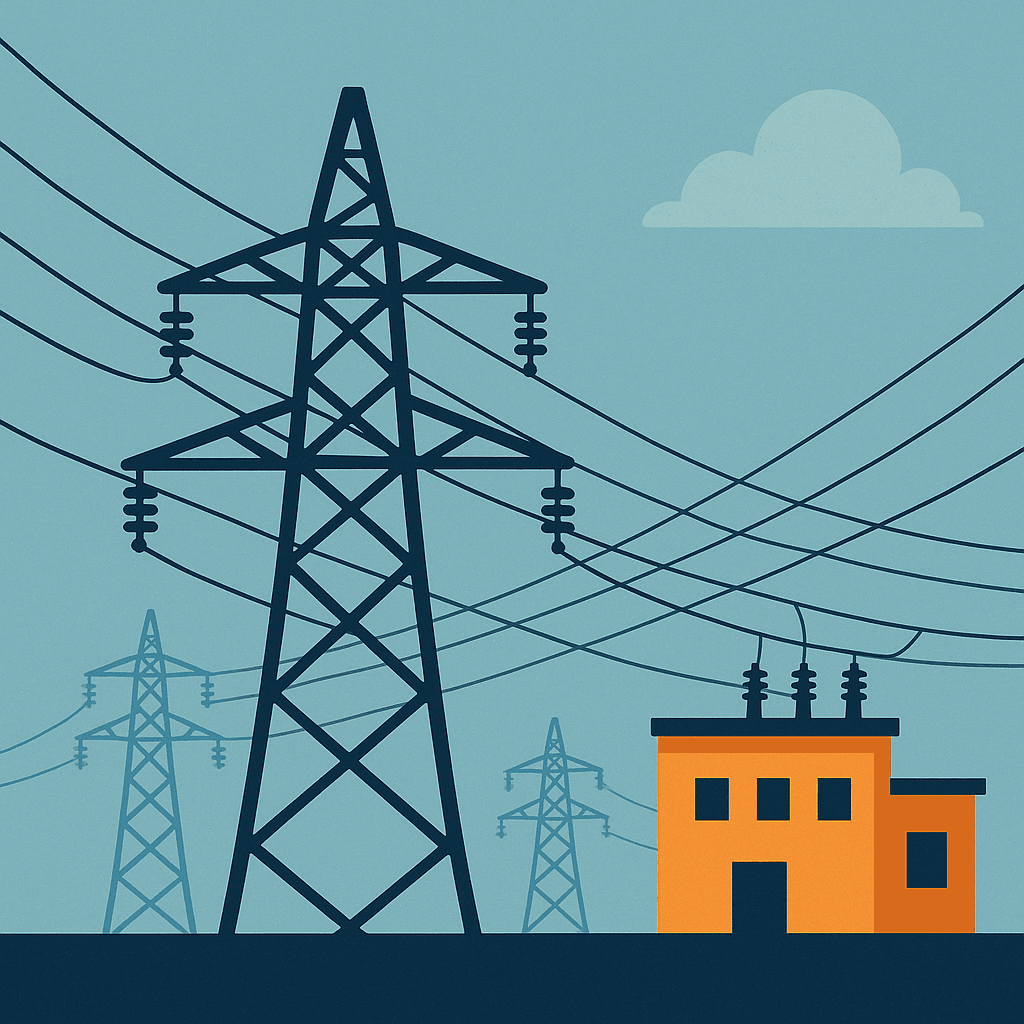
Electric Grid
The electrical grid is a complex and integrated network system designed to deliver electrical energy from power generation plants to end users. This system encompasses power plants that generate electricity, transmission lines that carry the generated energy over long distances, and distribution lines that deliver the energy to final consumers. Power plants are typically located in remote areas away from populated regions, often near primary energy sources such as hydropower, geothermal, nuclear
ENÖmer Said Aydın
Green Energy Logistics
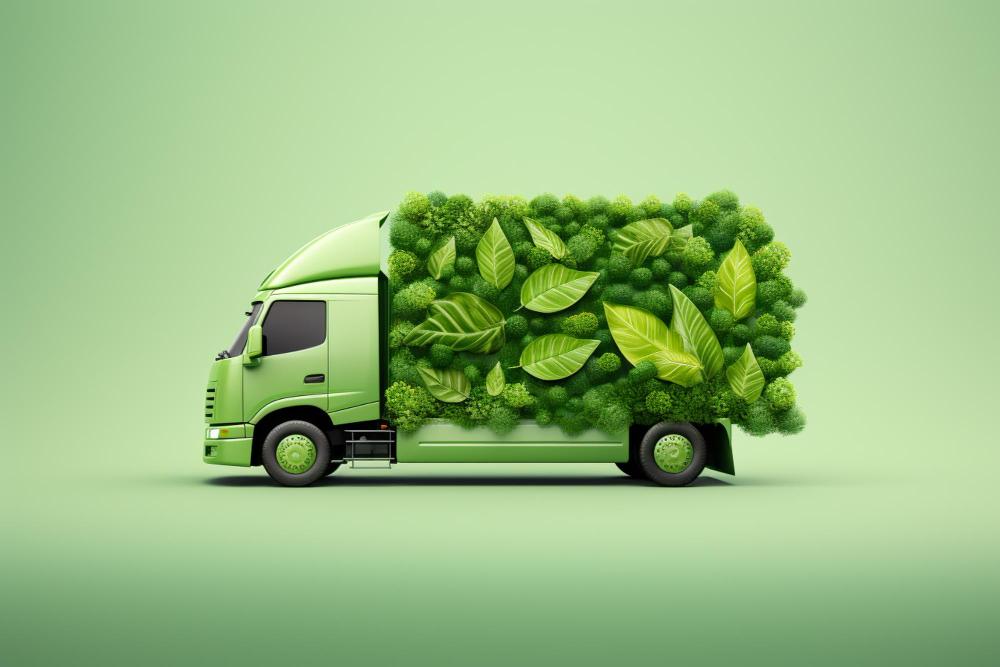
Green energy logistics refers to the integrated planning, coordination, and operation of renewable energy production, storage, and distribution systems in a manner that minimizes environmental impact and maximizes efficiency. As renewable sources like solar, wind, biomass, and hydropower increasingly define energy transition strategies, the logistical systems supporting them require a shift from centralized, linear models to decentralized and adaptive infrastructures. Unlike fossil fuel logistic
EN
Ebrar Sıla Peri
Smart Metering Technologies
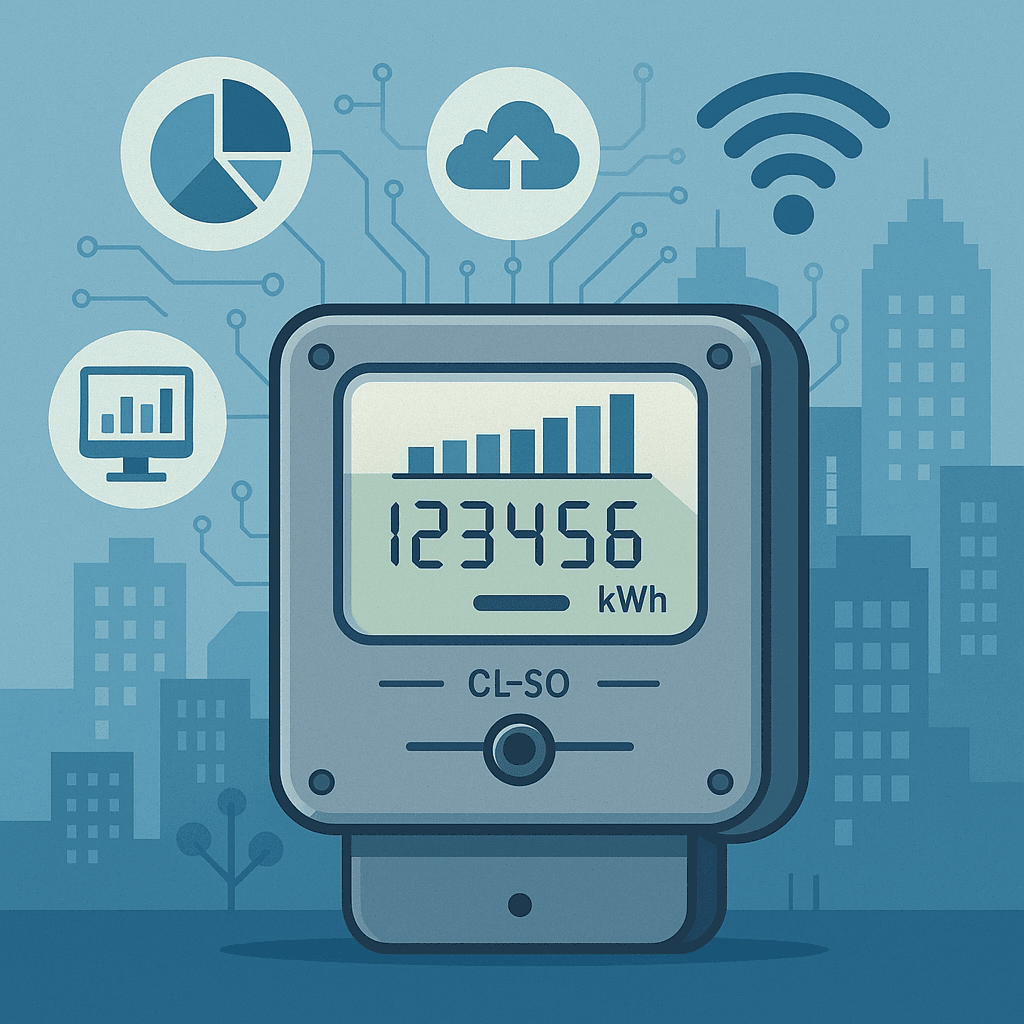
Smart meters are advanced measurement devices that digitally measure energy consumption such as electricity, water, natural gas, and heating, store this data, and remotely transmit it to energy providers and consumers via two-way communication technologies. This technology, which replaces traditional mechanical meters, eliminates the need for manual meter reading, thereby enhancing measurement convenience and data accuracy. Smart meters are considered a fundamental component of smart grids and o
ENÖmer Said Aydın
Energy Demand Management
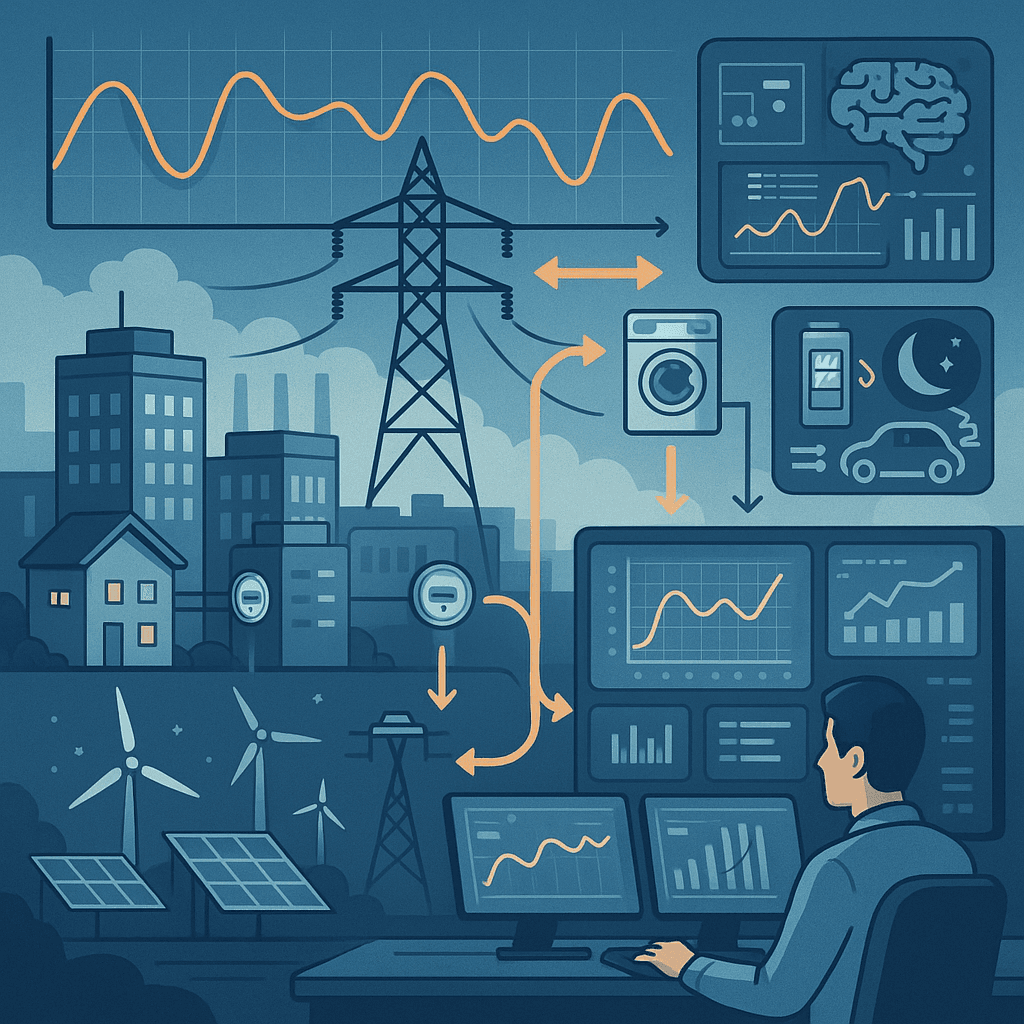
Energy Demand Management (EDM), or Demand-Side Management (DSM), is a comprehensive set of strategies aimed at improving energy efficiency, balancing demand, and ensuring the sustainability of energy systems. This approach seeks to promote more efficient and effective use of energy resources, resulting in cost savings and environmental benefits at both individual and societal levels. By controlling when and how much energy is consumed, EDM particularly reduces load on the grid during peak demand
ENÖmer Said Aydın