

`sky` Related Article Results
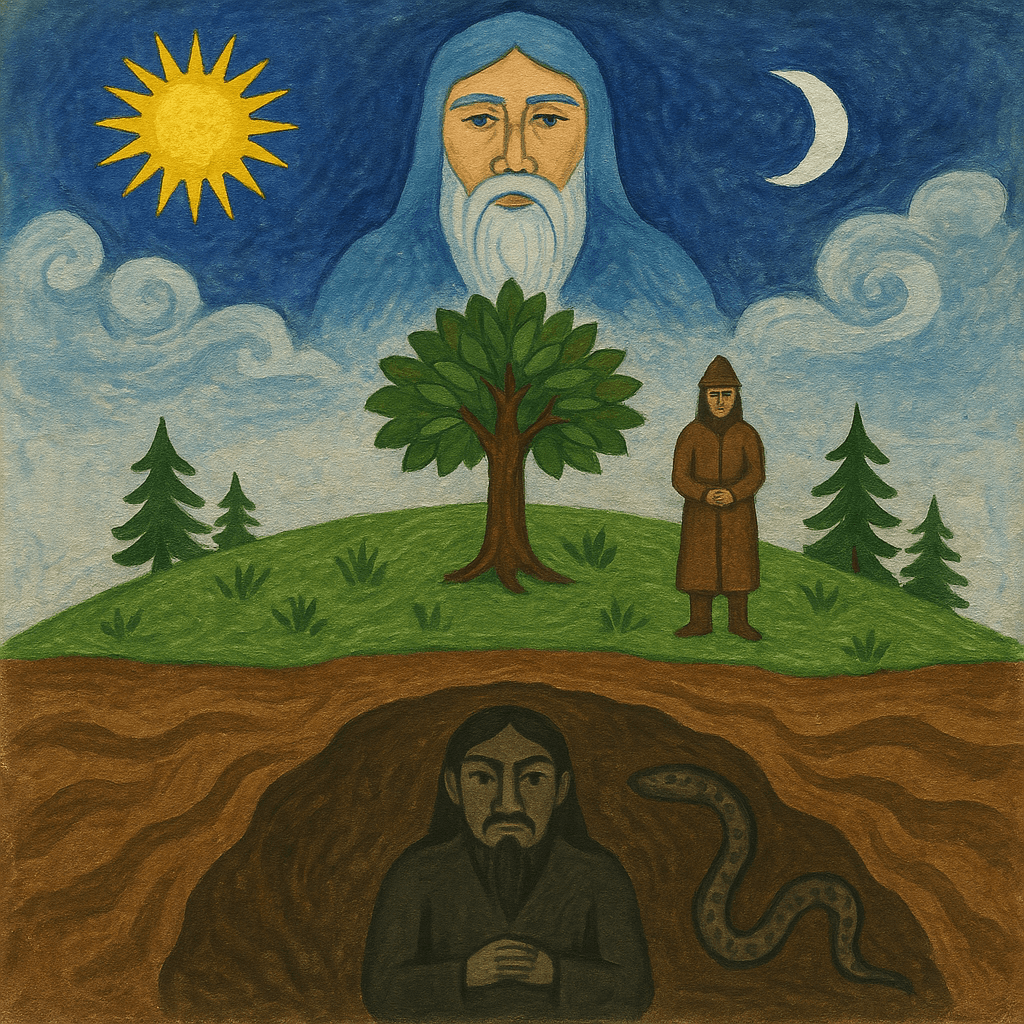
The Concept of the Triple World in Turkish Mythology
In Turkish mythology, the tripartite conception of the world is a cosmological model reflecting the ancient Turks’ understanding of the universe. According to this model, the universe consists of three main planes: the sky, the earth (surface), and the underworld. Each plane is defined by its own unique beings, spirits, and conceptual order. This worldview occupied a central place in the belief systems of the ancient Turks and shaped their social, cultural, mythological, and ritualistic lives. S
EN
Neriman Çalışkan

Why Is the Sky Blue?
When you look up at the sky, you often see a blue veil. But have you ever wondered why blue is the color and not some other? Light from the Sun is actually white. Yet within this white light are seven different colors, ranging from red to violet—just like in a rainbow! Around Earth lies the atmosphere, filled with air molecules. These molecules encounter sunlight and scatter it in different directions. Scientists call this phenomenon “light scattering”. Blue light has a much shorter wavelength t
EN
Hikmet Can Urhan
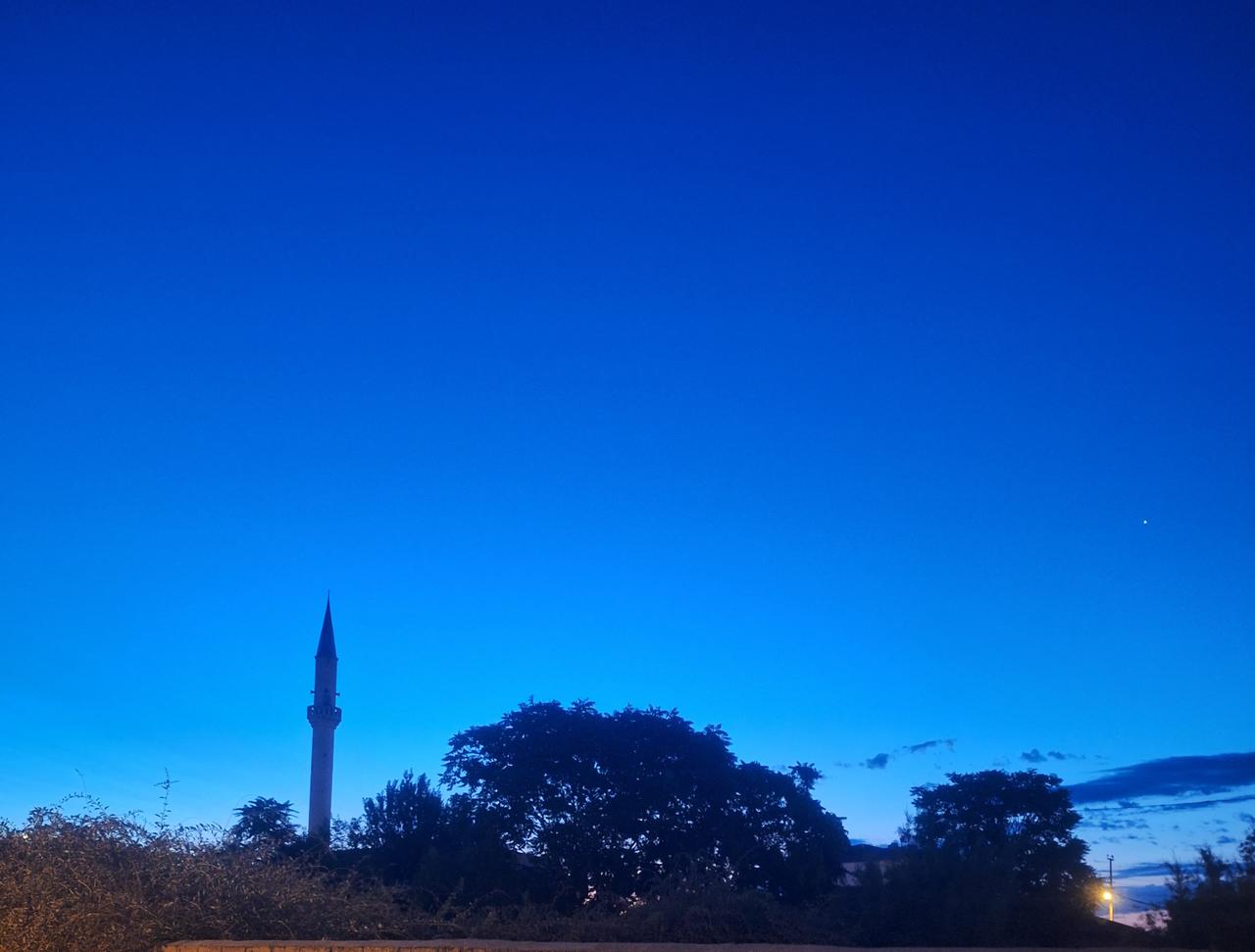
Why Is the Sky Blue?
When you open your window in the morning or look up at the sky while walking outdoors, what is the first thing you notice? Usually it is that vast blue... Have you ever wondered why the sky appears blue? Let us examine the answer to this question through the window of science and reflection. Is White Light Colored? First, let us note this: the light coming from the Sun is actually white. However, this white light is not composed of a single color. It contains many different colors ranging from r
EN
Mehmet Bağcı
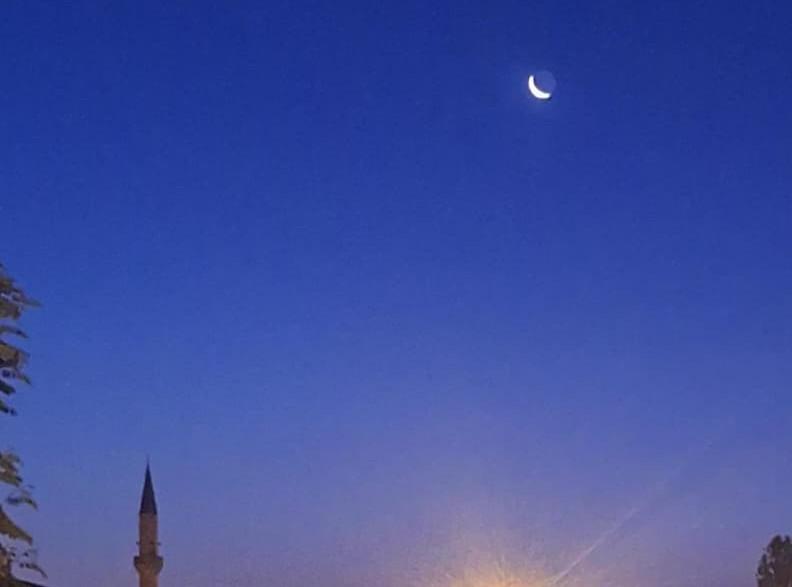
Why are days on the Moon visible in the sky?
When we glance at the sky, especially on clear and cloudless days, there are moments when we can see the Moon within the brilliant blue dome of the sky, illuminated by the Sun’s intense light. During daylight hours, when the sky is so bright, the Moon’s presence—seemingly gliding quietly through the heavens—captures the attention of many. In fact, this sight can even be surprising to those who notice it for the first time. The fact that the Moon, which we are accustomed to seeing at night, share
ENMehmet Bağcı
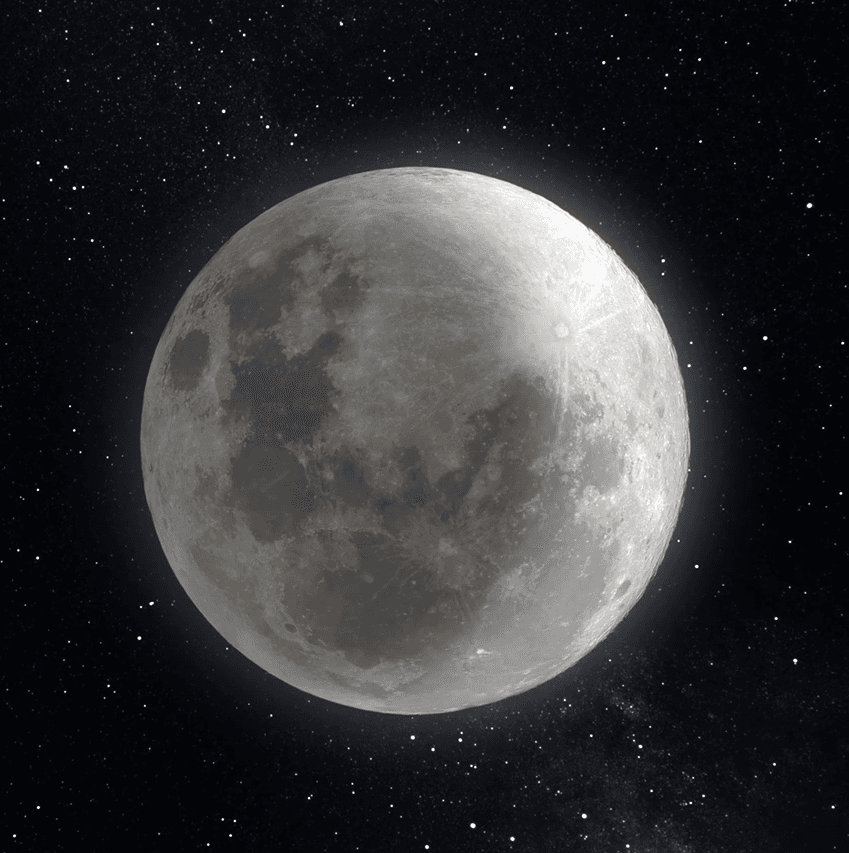
Why Does a Lunar Eclipse Not Occur Every Month?
Lunar eclipse is one of the most captivating and impressive phenomena in the sky. Since the earliest periods of human history, this celestial display has drawn the attention of both scientists and casual observers. The reddish hue that appears on the Moon’s surface, its appearance as a massive sphere silently suspended in the sky, and the celestial mechanics behind it all make for a deeply intriguing subject. Yet despite the Moon orbiting Earth regularly every month, we do not witness this speci
ENMehmet Bağcı

Light Pollution
Do you enjoy looking up at the night sky and seeing the stars? In the past, everyone could easily see thousands of stars in the night sky. But now, in some places, the stars have become invisible. The reason for this is light pollution! So what does that mean? Let’s learn together. What Is Light Pollution? Light pollution refers to artificial lights that are used excessively or in the wrong places, disturbing the environment and us. For example, street lamps, outdoor lights from homes, or large
EN
Elif Laçin
Looking and Seeing
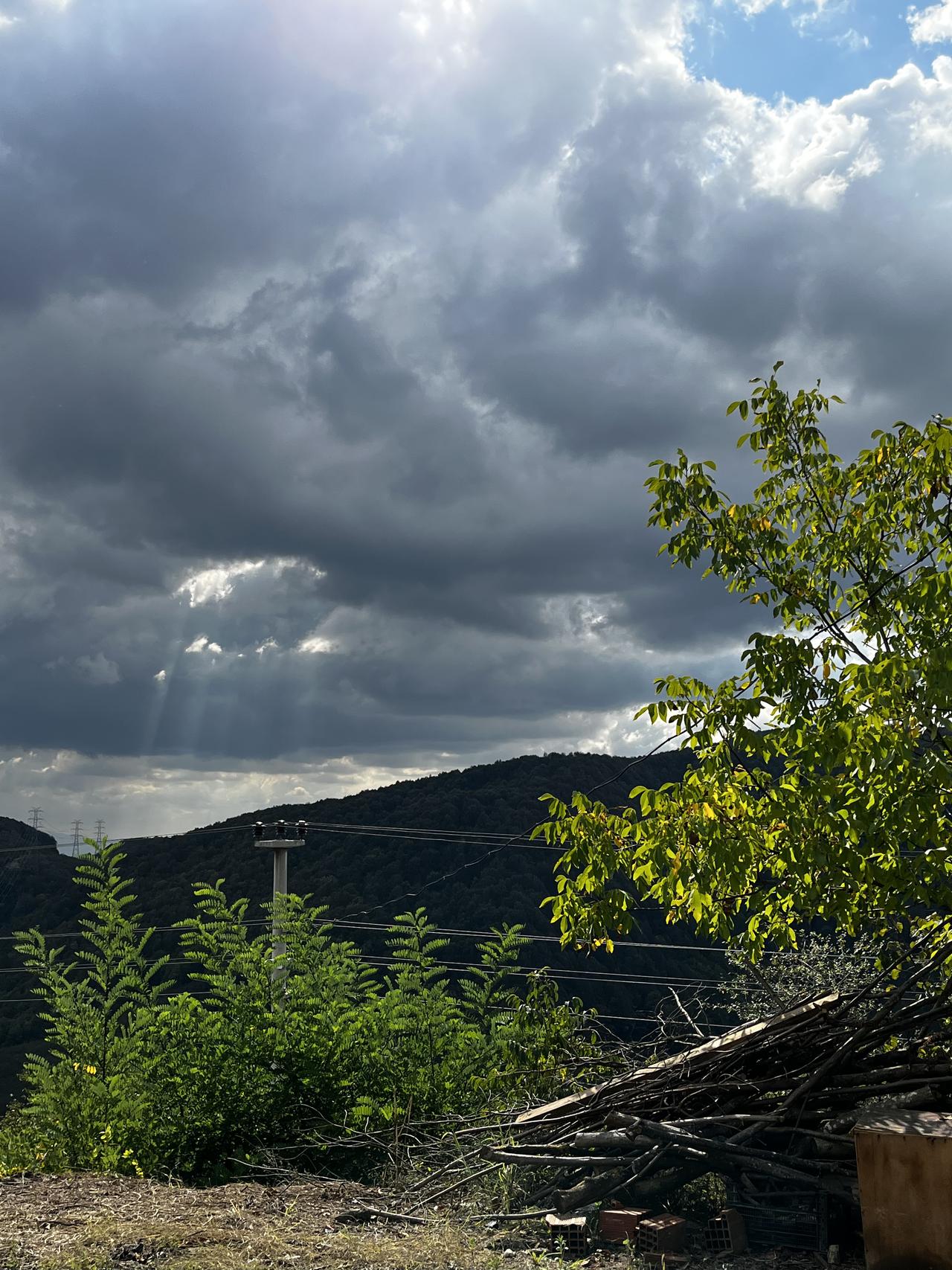
"Every Minister Cannot See" As human beings, each of us looks at new things, new places with every new day and every new moment—but how much of it do we actually see? Amid this vast flood of images flowing before our eyes, how many details touch our hearts or leave a trace in our minds? Günün Olağan Akışında İstanbul (Fotoğraf: Muhammet Emin Bakır) " image-element-format="right" image-height="853" image-source="https://cdn.t3pedia.org/media/uploads/2026/03/23/84QjV2gQUvpNoTz6SkHdHJDLcNA6gz08.jpe
EN
Muhammet Emin BAKIR
 As
AsAstronomy and Astrophysics in Antiquity
Astronomy is one of humanity’s oldest science disciplines and has played a vital role since antiquity in organizing agricultural calendar systems and religious rituals. Ancient civilizations carefully observed the sky, recording the movements of stars and planets, and developed this knowledge through empirical and philosophical approaches. Astronomy in Ancient Civilizations Mesopotamian Astronomy: The First Observers Mesopotamia is credited with the earliest applications of astronomy. The Sumeri
EN
Oğuzhan Yetimhellaç

Geomagnetic Storms
Geomagnetic storms are temporary disturbances in Earth’s magnetosphere caused by solar flares and coronal mass ejections, lasting for hours or even days.【1】 The interaction between shock waves and magnetic field clouds from the solar wind and Earth’s magnetic field leads to energy transfer and major changes in ionospheric currents. This natural phenomenon is one of the most critical components of space weather, with effects ranging from modern technological systems to the navigational abilities
EN
Ayşegül Kurt

Soğmatar Ancient City
Soğmatar is an ancient city located east of Şanlıurfa Province that has served as an important cultural center throughout history. Particularly known for its beliefs related to celestial bodies, the city was a significant hub for enthusiasts of astronomy and astrology. In the 2nd century CE, it was one of the most important religious centers of the Abgar Kingdom, which ruled the region. However, archaeological excavations have revealed that human settlement in the area dates back to the 3rd mill
EN
Kasım Emre Anıl