

`shaman` Related Article Results
Turkish Mythology
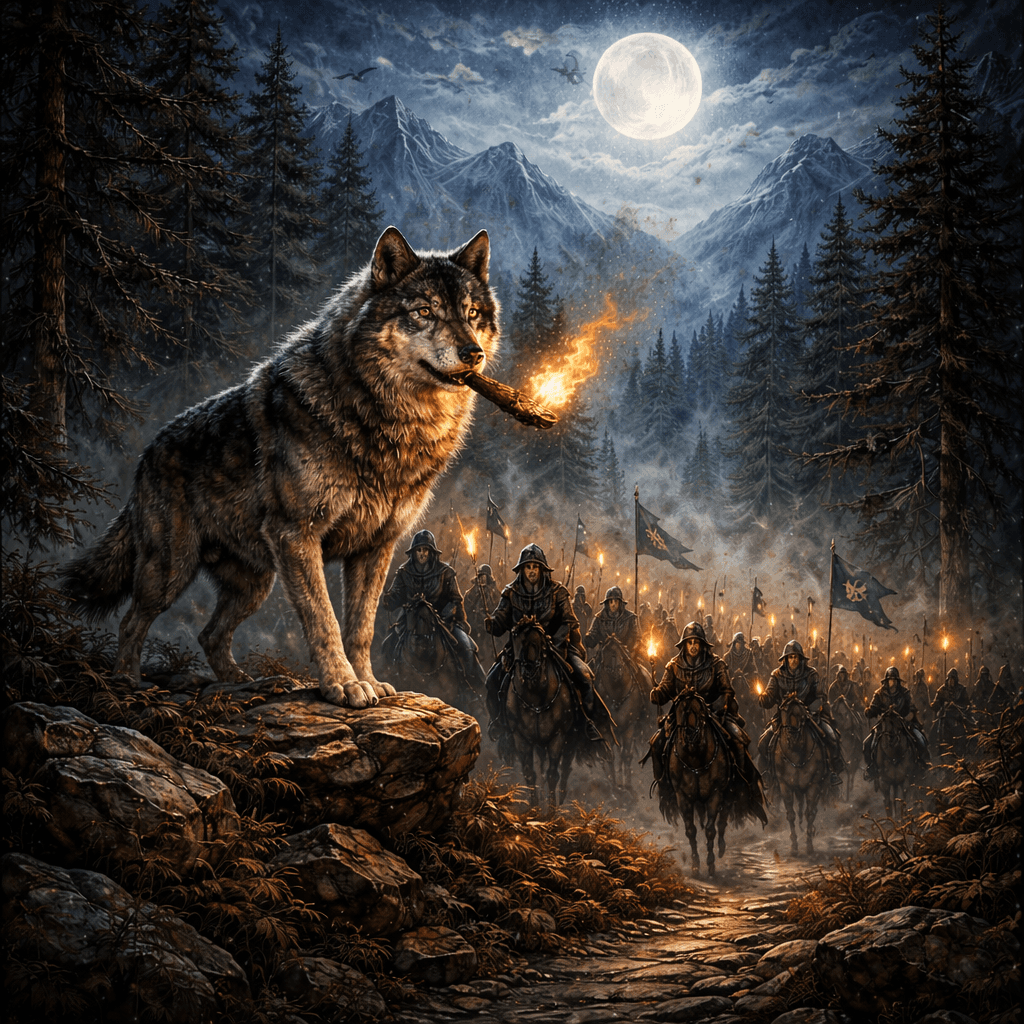
Turkish mythology encompasses the beliefs, rituals, and narratives developed by Turkic peoples since prehistoric times regarding supernatural beings, the origin of the universe and humanity, and their ancestors. Mythological narratives are found nearly everywhere Turkic communities have settled. The mythological elements of the Turkic peoples, who spread across a vast geography from the Central Asia steppes to the interior of Europe, from the Siberian steppes to Africa, have influenced these reg
EN
Duygu Şahinler
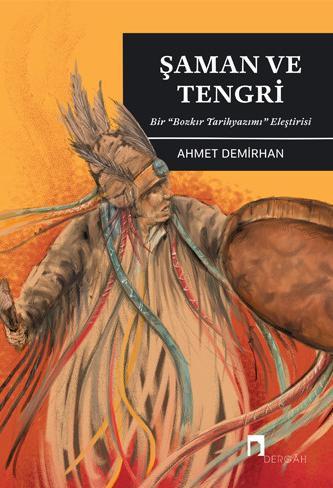
The Shaman and Tengri: A Critique of 'Steppe Historiography' (Book)
The Shaman and Tengri: A Critique of 'Steppe Historiography' (Şaman ve Tengri: Bir 'Bozkır Tarihyazımı' Eleştirisi) is a work by the historian Ahmet Demirhan that critically examines steppe-centric narratives of early Turkish history. Published in August 2024 as part of Dergâh Publications' History series, the 456-page text discusses how the image of the “steppe” was constructed as an ideological tool that does not align with historical reality. Subject The book examines the conception of the st
EN
Muhammed Samed Acar
 Tu
TuTurkish Music
EARLY PERIOD OF TURKIC MUSIC Turkish musical culture began to form and become distinct around 3000 BCE through traditional Altai music and together. The religious and magical rituals performed by the shamans, the earliest musicians in Turkish history, served as the primary production and performance contexts of this era. Beginning around 2000 BCE, as the Altai peoples migrated from their original homeland in the Altai Mountains toward Central Asia, Altai music spread across a vast geographical a
EN
Cemal Ayçiçek
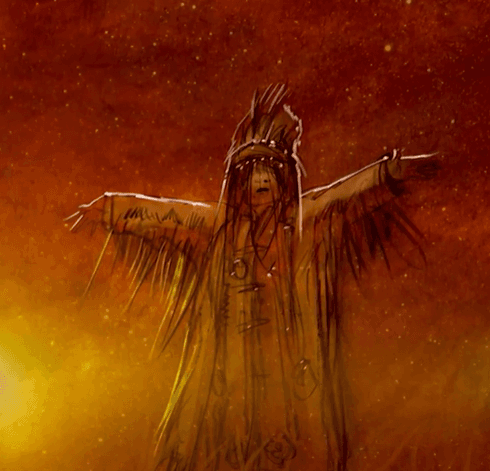
Manyak (Clothing)
Manyak is a term used among the Altai Turks to denote the shaman’s robe or ceremonial attire. Found among Turkic communities in Siberia—including the Altai, Yakut, Khakas, Tuvan, Tofa, and Dolgan peoples—the manyak is more than merely clothing; it carries profound religious and cosmological significance. It is a sacred cult object that distinguishes the shaman from other members of society and transforms them into a being capable of communicating with cosmic and transcendent realms. The manyak i
EN
Duygu Şahinler
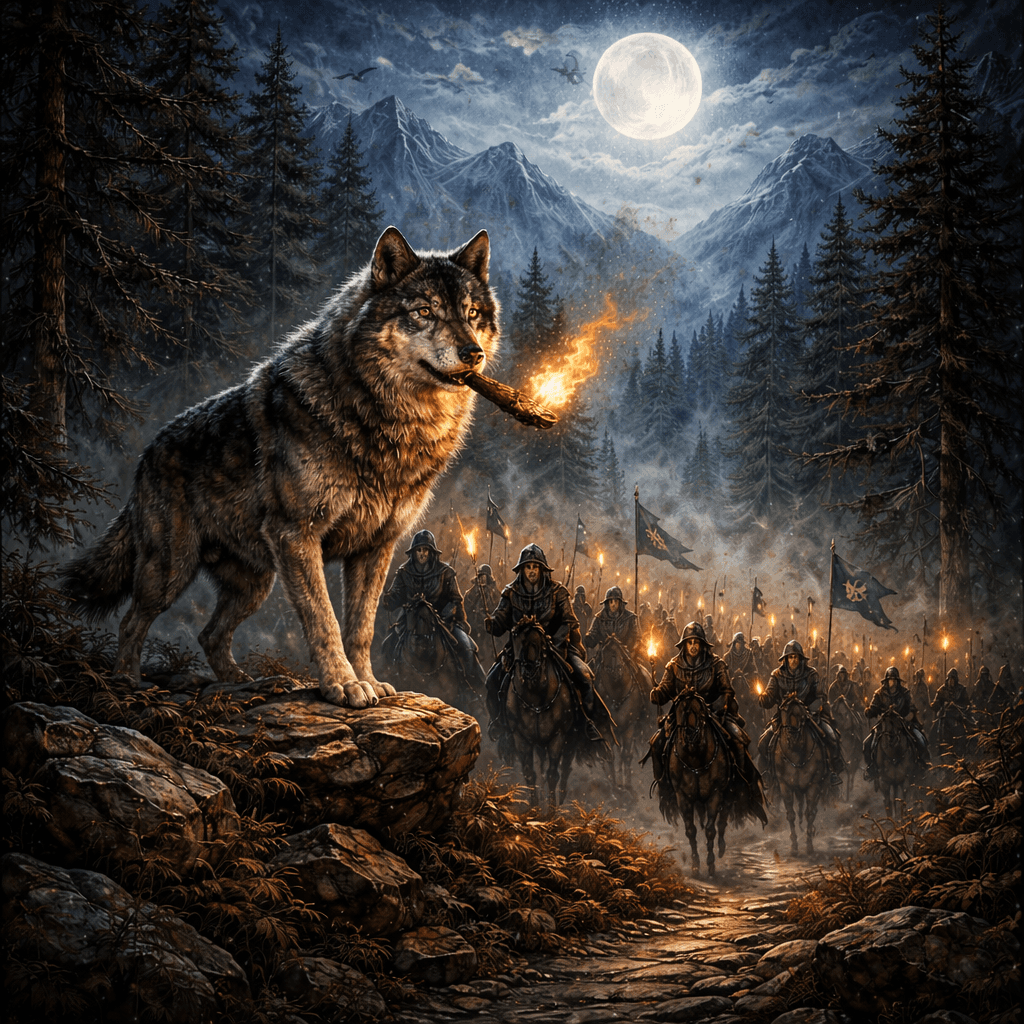
Turkish Mythology
Türk mythology is a comprehensive system encompassing the beliefs, rituals, and narratives developed by Turkic peoples since prehistoric times regarding supernatural beings, the origin of the universe and humanity, and their ancestors. Mythological narratives are found nearly everywhere Turkic communities have migrated. Turkic mythological elements spread across a vast geography—from the Central Asian steppes to the heart of Asia, from the Siberian steppes to Africa—and influenced these regions
ENDuygu Şahinler