

`sexual-dimorphism` Related Article Results
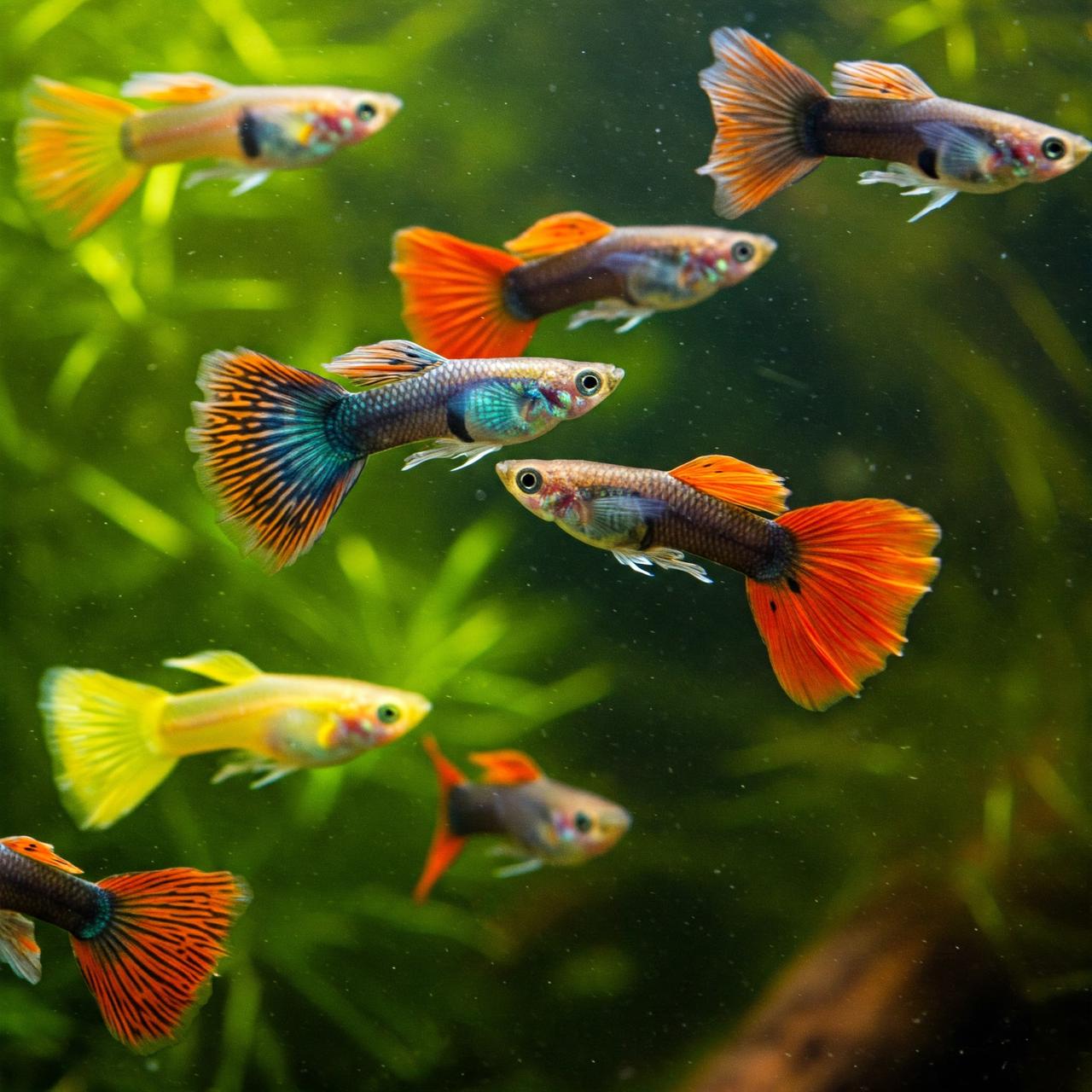
Guppy Fish (Poecilia reticulata)
The guppy (Poecilia reticulata) is one of the most widespread and extensively studied freshwater species, originating from South America. Its use as a model organism in evolutionary biology and behavioral ecology renders it scientifically significant. Morphological Characteristics Guppies exhibit sexual dimorphism【1】. Males are typically 2–3 cm in length and display vibrant colors and elongated caudal fins. Females are larger (4–6 cm) and have duller coloration. The male’s anal fin is modified i
EN
Mehmet Taner Gültekin
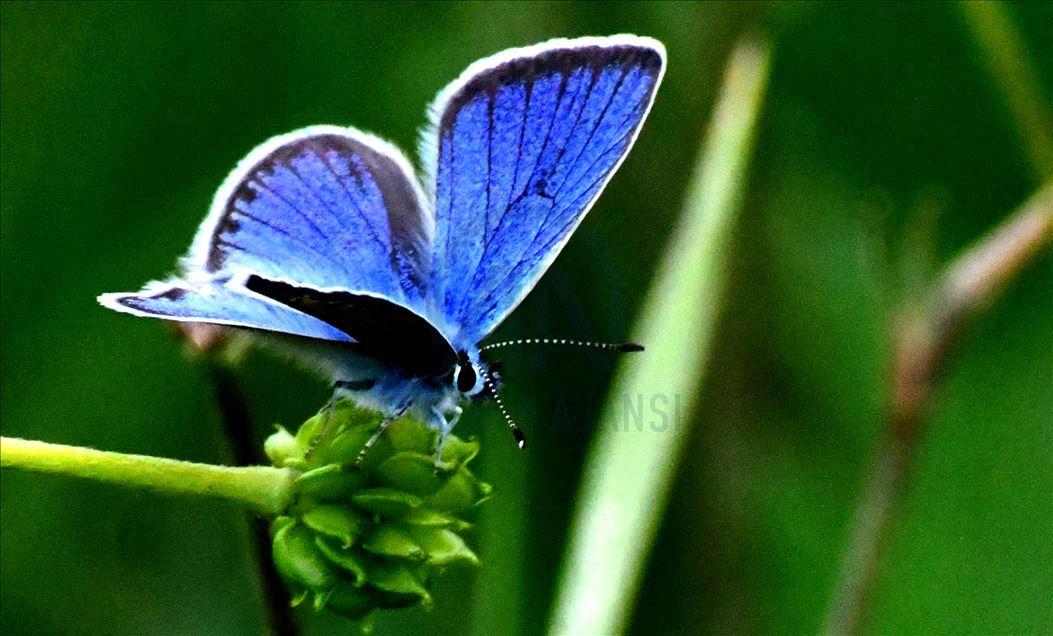
Blue Morpho Butterfly (Morpho menelaus)
The Blue Morpho butterfly (Morpho menelaus) is a large species of butterfly found in the tropical rainforests of Central and South America, distinguished by its brilliant blue upper wing surface. Its coloration arises not from pigment but from microscopic wing structures that reflect light. The underside of the wings is brown and serves a camouflage function. These butterflies typically feed on ripe fruit juices and fly at low altitudes. Morphological Characteristics The most distinctive morphol
ENNisa Uygur
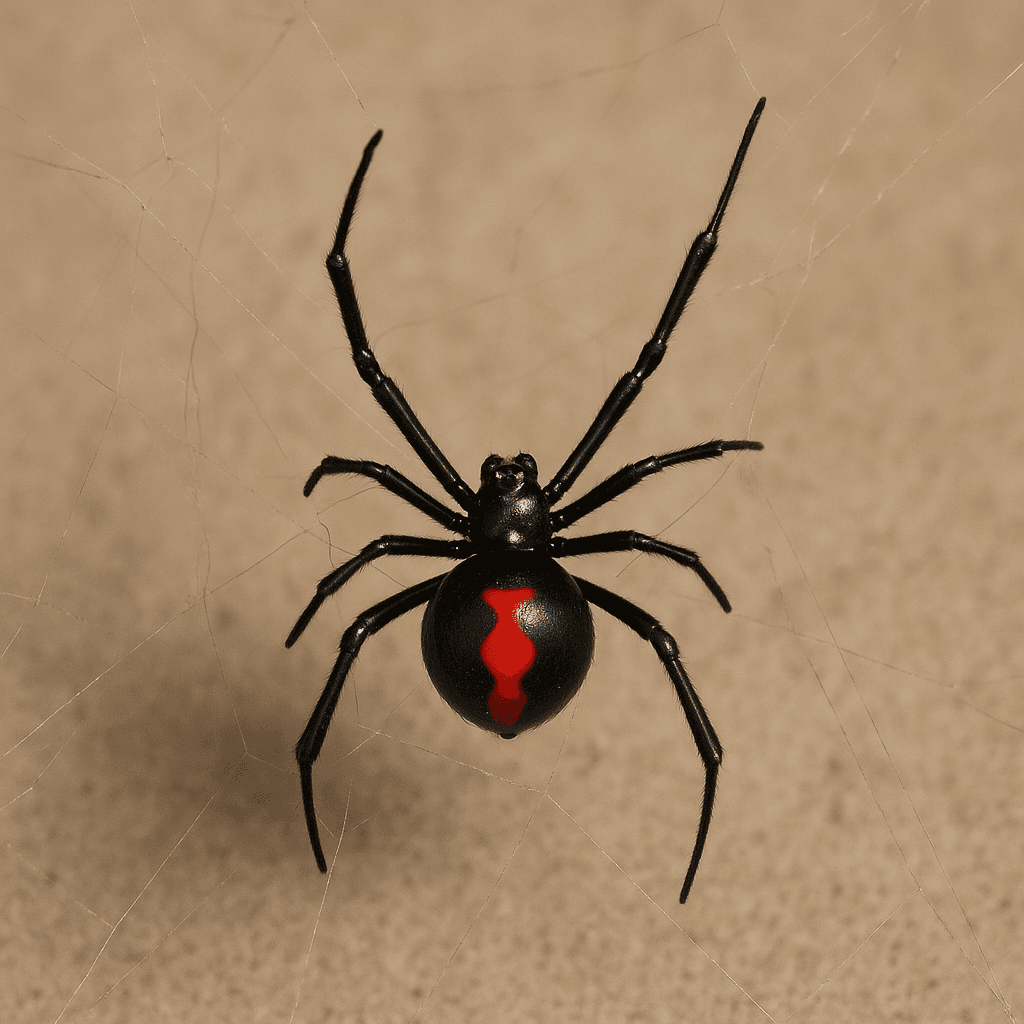
Black Widow (Latrodectus Mactans)
The morphological features of black widow spiders play a crucial role in species identification and classification. Distinct sexual dimorphism and interspecific pattern variations facilitate recognition of these spiders. However, in some species, morphological similarities necessitate the use of genetic analysis for accurate identification. Natural Habitat Black widow spiders typically prefer dark, humid, and sheltered environments. Natural habitats include areas beneath stones, wood piles, shru
EN
Yusuf İslam Tuğla
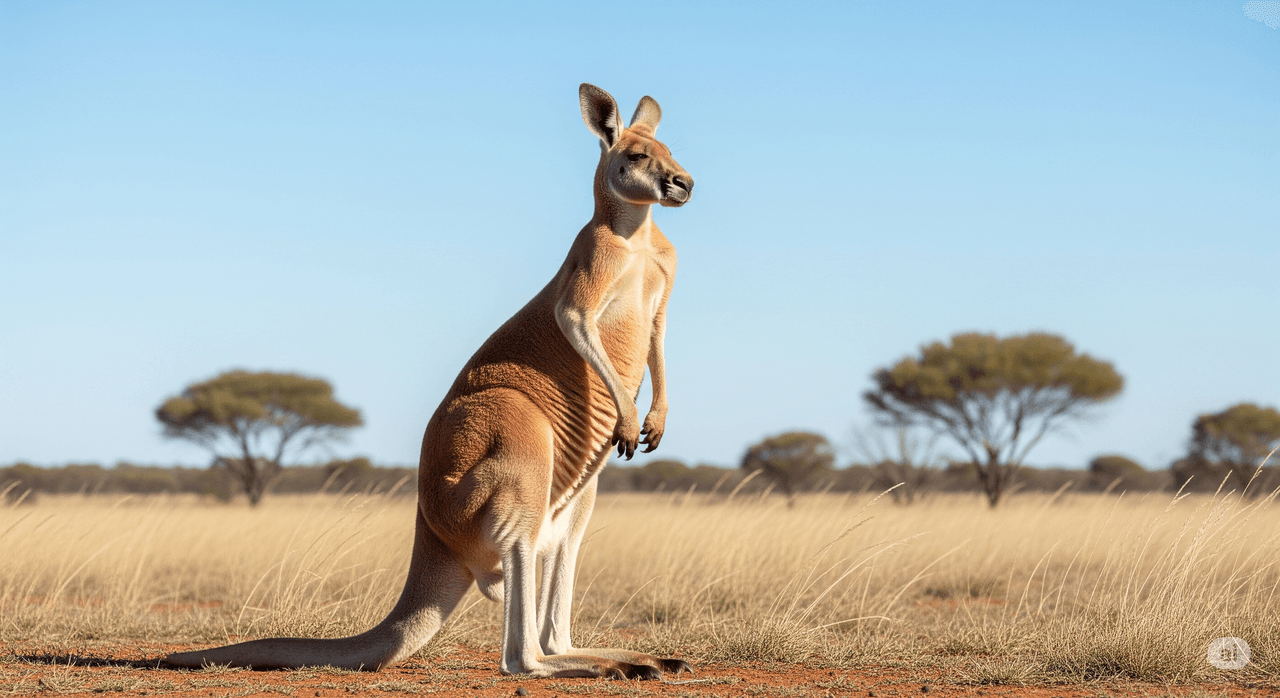
Red Kangaroo (Macropus rufus)
The red kangaroo (Macropus rufus) is defined as a classic example of a life strategy adorned with morphological adaptations, thanks to comprehensive studies conducted in the fields of mammalian biology, ecology, and physiology. Today, the wide-ranging distribution of its populations reflects the species’ high adaptability to environmental variability. This adaptation encompasses a holistic system composed of elongated hind limbs, a large tail, adaptive reproductive tactics, and physiological mec
ENFatih Atalay