

`sensor-technology` Related Article Results
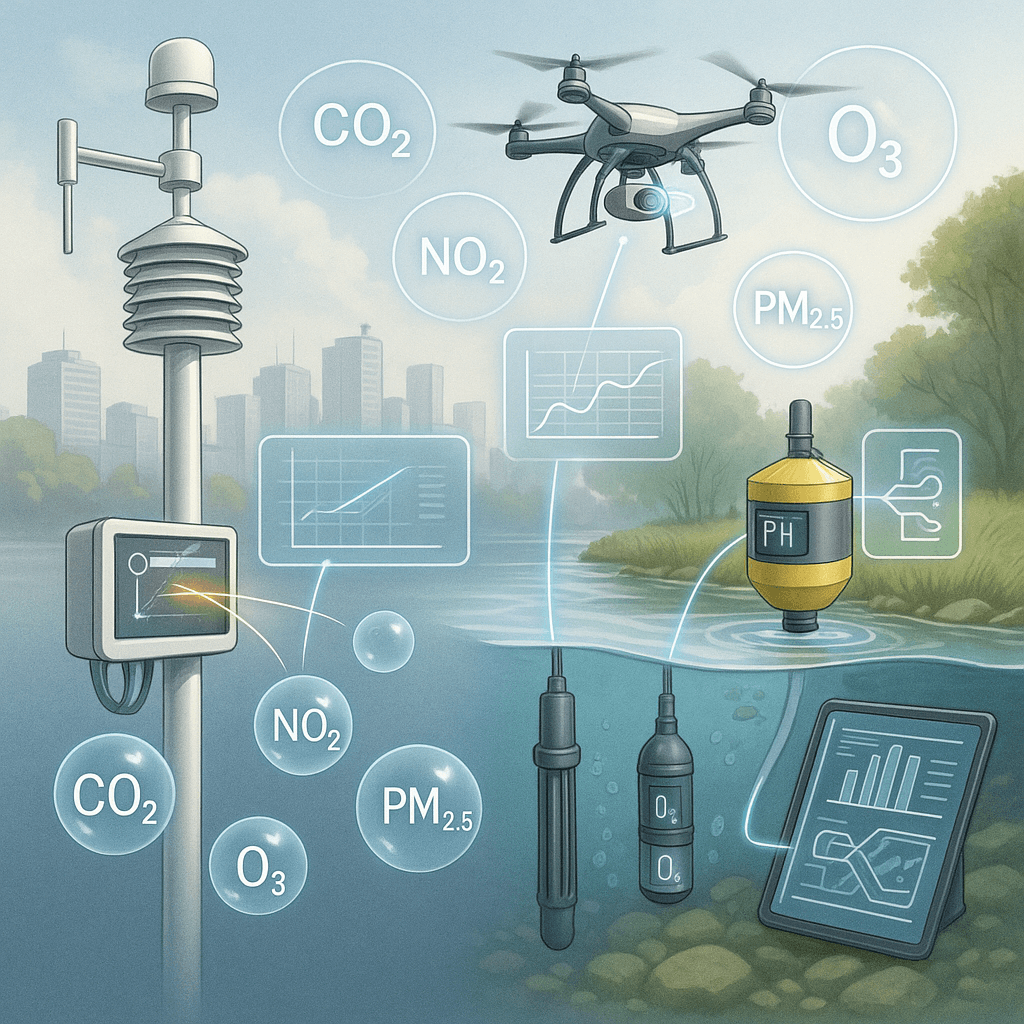
Air and Water Quality Measurement Technologies
Air and water quality measurement technologies are systems composed of devices, sensors, and analytical methods designed to determine the types, concentrations, and spatial distributions of pollutants in the atmosphere and water sources. These technologies, increasingly important due to the impacts of industrialization, urbanization, and intensive agricultural activities, play a critical role in protecting human health, maintaining the balanced functioning of ecosystems, and ensuring the sustain
EN
Ömer Said Aydın
 Bi
BiBiosensor
Biosensors are devices that recognize a target analyte using biological systems or components and convert this information into electrical or optical signals. A biosensor typically consists of three main components: I. Biological recognition element, II. Transducer (signal converter), III. A measurement and processing system. The biological recognition element can be a biological substance—such as enzymes, antibodies, or DNA sequences—that specifically identifies the analyte being tested. The tr
EN
Kübra Elçi

Environmental Quality and Monitoring Systems
Environmental quality is a fundamental concept that determines the health and sustainability of ecosystems. The current state of natural resources, pressures arising from human activities, and key environmental components such as air, water, soil, and biological diversity can be measured. Environmental quality is a critical indicator that directly affects not only ecological balance but also human health, the continuity of economic activities, and social well-being. Today, urbanization, industri
EN
Sümeyye Akkanat Terzioğlu
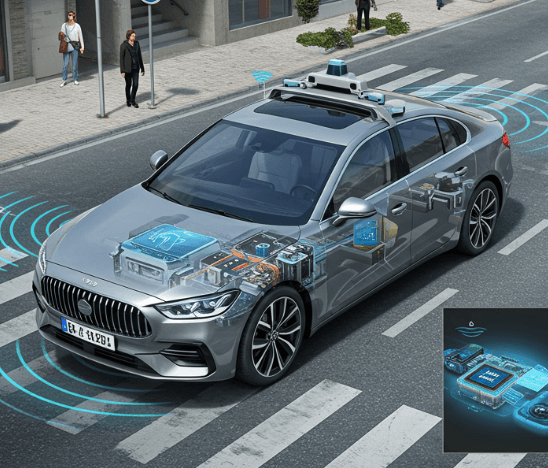
Autonomous Ground Vehicles
An Autonomous Ground Vehicle (AGV), also known as an Unmanned Ground Vehicle (UGV), is defined as a vehicle that operates in contact with the ground without human presence on board. These vehicles are classified into two main categories: those that can be controlled remotely by an operator (remotely controlled) and those that can perceive their environment and make decisions without human intervention to accomplish their tasks (autonomous). With technological advancement, particularly over the l
ENElyesa Köseoğlu