

`scientific-method` Related Article Results

Cosmos (Book)
Cosmos is a popular science book written by American astronomer, astrophysicist, and science communicator Carl Sagan. Published in 1980, it was developed in parallel with the television series of the same name. Its content covers topics such as the structure of the universe, astronomical observations, the scientific method, and humanity’s place in the cosmos. Content and Themes The book addresses a broad range of subjects, from the origin of the universe to explanations of modern astronomical an
EN
Osman Özbay
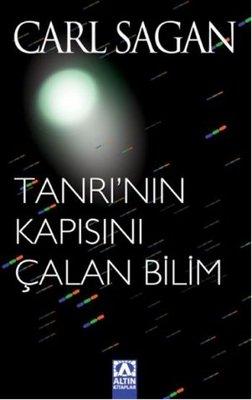
Science Knocking on the Door of God (Book)
Science on the Threshold of God (original title: The Varieties of Scientific Experience) is a compilation by American astronomer, astrophysicist and science communicator Carl Sagan. The book contains Sagan’s lectures and reflections on science, religion and philosophy. It particularly examines humanity’s efforts to understand the universe and the relationship between scientific perspectives and religious thought. Content and Themes The book covers themes such as the scientific approach philosoph
ENOsman Özbay
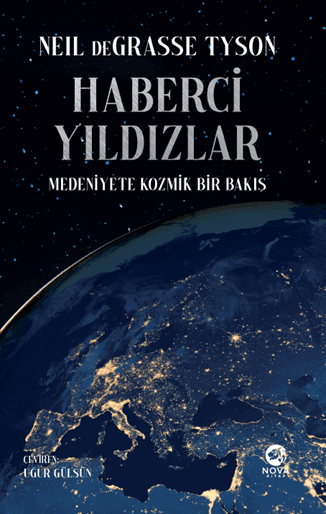
Messenger Stars: A Cosmic Perspective on Civilization (Book)
Habermann Stars: A Cosmic Perspective on Civilization (original title: Death by Black Hole: And Other Cosmic Quandaries) is a popular science book written by American astrophysicist Neil deGrasse Tyson. The book is structured to convey the nature of the universe, astronomy, and cosmology to a general audience. Content and Themes The book presents a scientific perspective on the structure of the universe and cosmic phenomena. Major themes include: The Universe and Cosmology: Cosmic objects such a
ENOsman Özbay
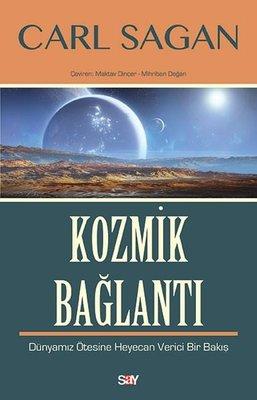
Cosmic Connection (Book)
Cosmic Connection (original title: Cosmic Connection) is a popular science book written by American astronomer, astrophysicist and science communicator Carl Sagan. The book examines the relationships between humanity and the universe, particularly in the context of extraterrestrial life and the possibilities of communication. Content and Themes The book addresses the structure of the universe, humanity’s place within the cosmic context and the nature of scientific discovery. Major themes include
ENOsman Özbay
 Ja
JaJabir ibn Hayyan
Jābir ibn Hayyān was a Muslim scientist who lived in the 8th century. There is debate about his place of birth: was it Khurasan or Kufa? But one thing we are certain of is that he transformed chemistry from alchemy into a science. The First Hero of the Laboratory Jābir knew that chemistry could not advance without experimentation. He became one of the first people to establish a laboratory and conduct experiments. Glass flasks, alembics, retorts—all came to life in his hands. Curious about how g
EN
İbrahim Mert Akbaş
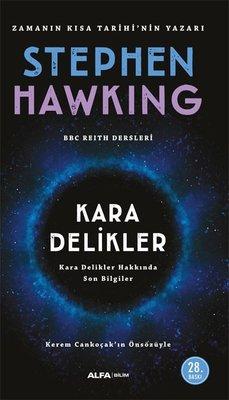
Black Holes (Book)
Black Holes and Baby Universes and Other Essays (original title: Black Holes and Baby Universes and Other Essays) is a popular science book written by British theoretical physicist Stephen Hawking. The book focuses on black holes, the structure of the universe, cosmology, and modern physics. Content and Themes The book presents a scientific perspective on cosmology, black holes, and the nature of the universe. The main themes are: Black Holes: The structure, properties, and role of black holes i
ENOsman Özbay
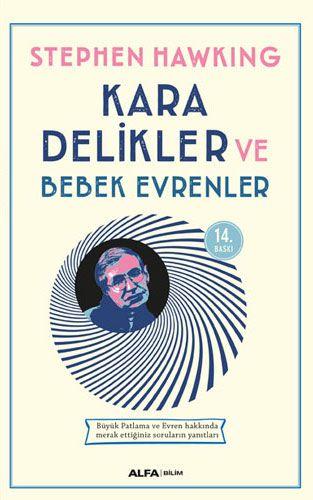
Black Holes and Baby Universes (Book)
Black Holes and Baby Universes and Other Essays is a popular science book written by British theoretical physicist Stephen Hawking. The book addresses topics such as black holes the structure of the universe cosmology and modern physics. Content and Themes The book presents a scientific perspective within the context of cosmology and physics. The main themes are: Black Holes: The structure properties and effects of black holes in the universe are explained. Origin and Structure of the Universe:
ENOsman Özbay
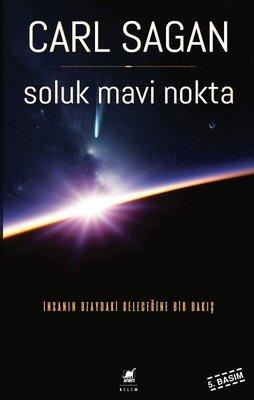
Pale Blue Dot (Book)
The Pale Blue Dot (original title: Pale Blue Dot: A Vision of the Human Future in Space) is a popular science book written by American astronomer, astrophysicist and science communicator Carl Sagan. The book focuses on humanity’s place in the universe space exploration and the future of humankind. Content and Themes The book presents a scientific perspective on the universe humanity and space exploration. Its main themes include: Cosmic Perspective: The position of Earth in the universe and huma
ENOsman Özbay
MeMethodical Doubt
Methodical doubt (Lat. dubitatio methodica) is a method of systematically questioning and temporarily rejecting all thoughts to establish knowledge on a solid foundation. This approach holds a central place, particularly in the philosophy of René Descartes, the founder of Cartesian philosophy. Methodical doubt is based on the premise that the validity of all knowledge must be tested, and only that which is certain and indubitable should be accepted as fundamental knowledge. Philosophical Backgro
EN
Sümeyye Akkanat Terzioğlu

Paradigm
The word “paradigm” began to be used in the late 15th century with the meaning of “example” or “model.” The term first appears in Latin as paradigma (“pattern, example”), particularly in grammar to denote an “example word pattern.” Latin itself derived this word from the Greek paradeigma, which means “model, example, prototype” and is derived from the verb paradeiknynai, meaning “to show side by side” or “to exhibit.” In the 20th century, the word “paradigm” acquired a more specialized philosoph
EN
Melike Erol