

`saz` Related Article Results
The Tradition of Poetic Dueling
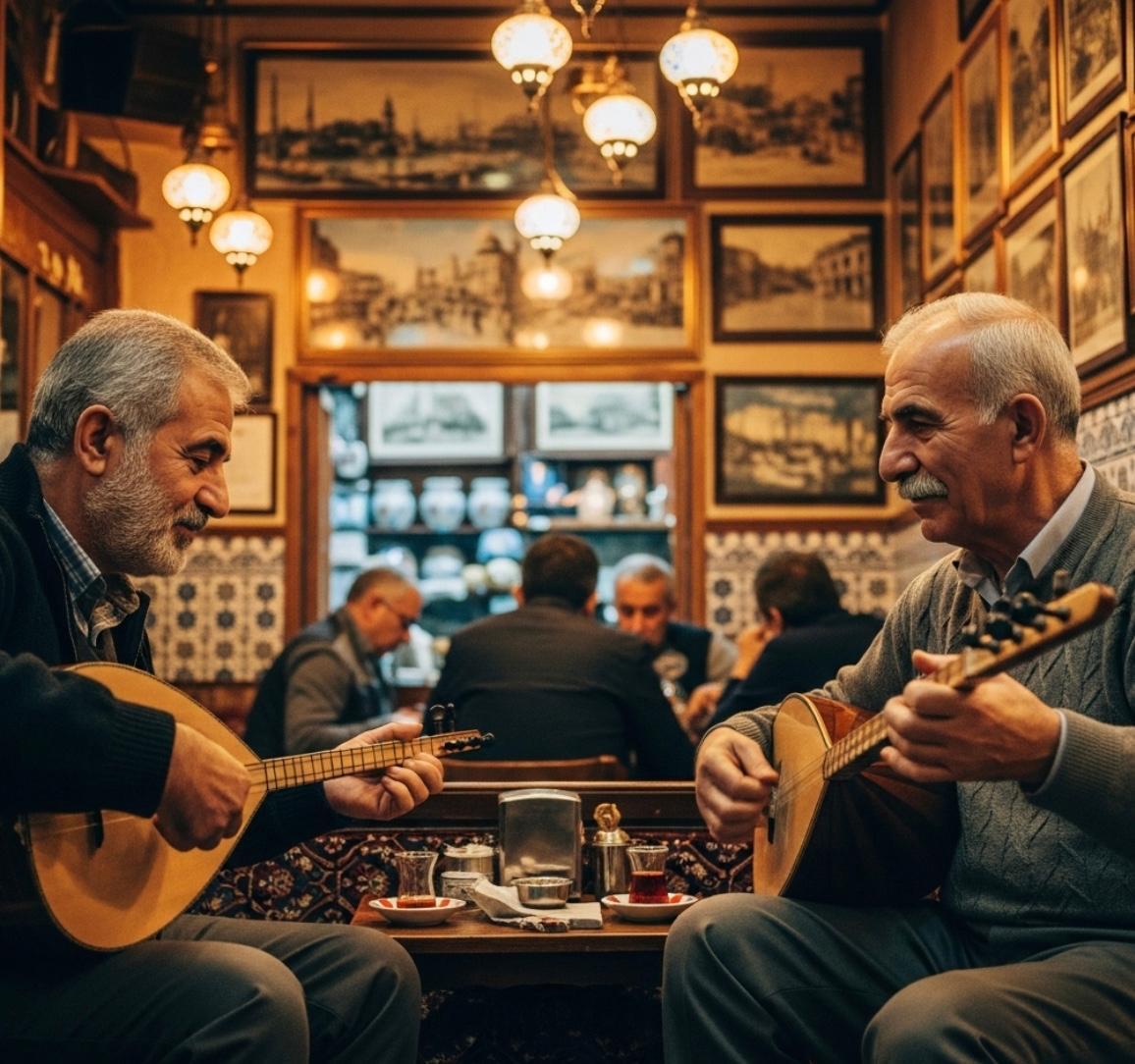
Aşık atışması is a spontaneous poetry and music competition, typically performed by two or more aşık poets accompanied by the saz, and forms part of Turkish folk literature and musical tradition. This practice has played a central role for centuries in the transmission of oral culture, the reinforcement of social values, and the demonstration of individual talent. Although known by various regional names such as "deyişme," "karşılama," "karşıberi," "söyleşi," "bağlama," "müşaare," and "tekellüm,
EN
Elif Laçin
Bağlama
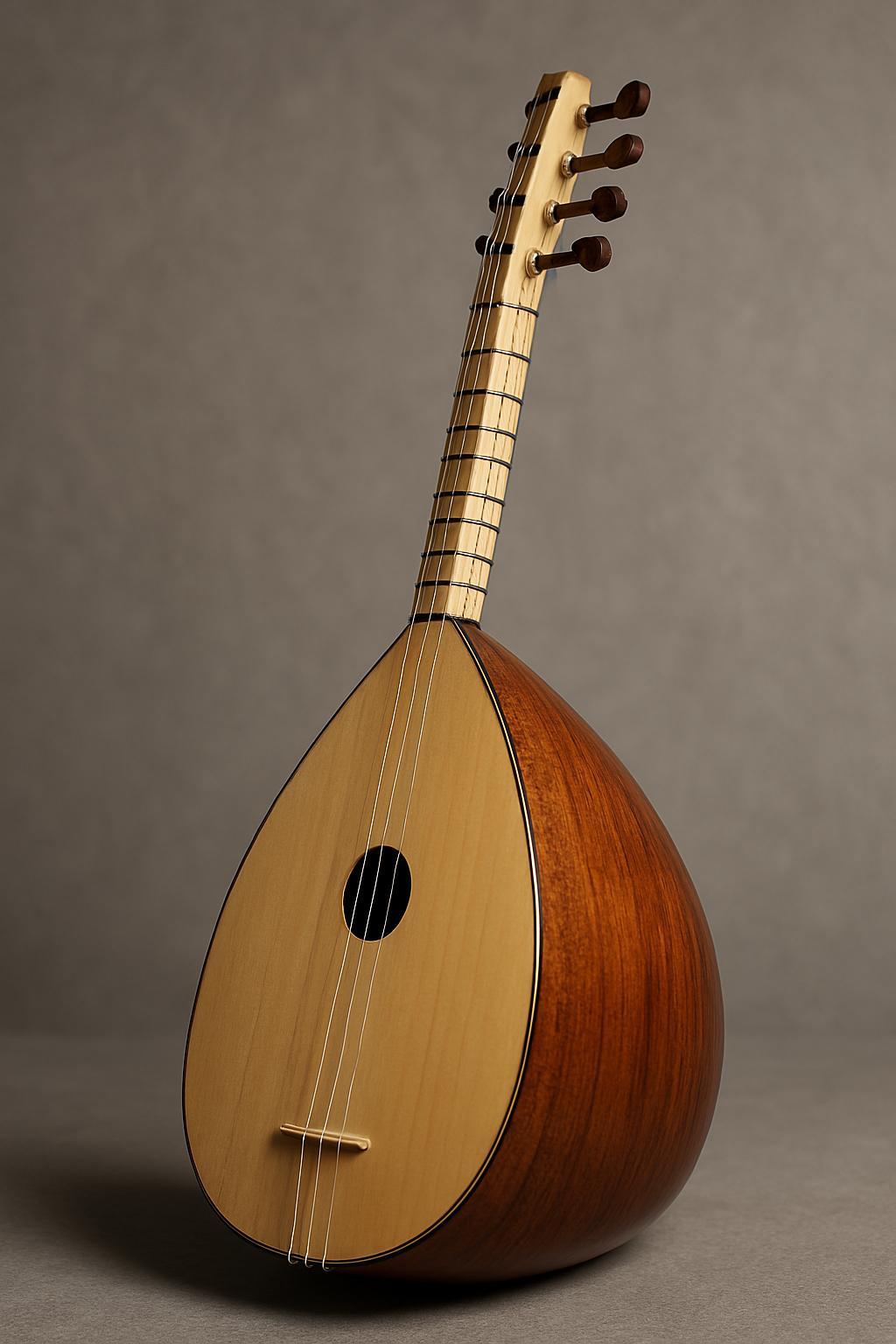
Turkish people music is a stringed instrument commonly used and typically consisting of 7 to 9 strings, played with the aid of mizrap. Its body, made of wood, extends the sound range up to two octaves. Since the past era, the bağlama has been among the most widely used instrument instruments by the Turks. Therefore, despite regional differences in the areas where Turks live, it is also known as the most significant important vehicle for transmitting cultural values. Parts of the Bağlama The bağl
EN
İrem Nur Yeşilyurt Kolağası
Neşet Ertaş Gönül Sultanları Kültür Evi
Neşet Ertaş Gönül Sultanları Kültür Evi, Türk halk müziği repertuvarına katkılarda bulunan sanatçı Neşet Ertaş'ın yaşamı, sanatı ve kültürel etkisini tanıtmak amacıyla Kırşehir il merkezinde yer almaktadır. Kültür evi, daha önce vali konutu olarak kullanılan yapının Kültür ve Turizm Bakanlığı tarafından restore edilmesiyle oluşturulmuş ve 2014 yılında açılmıştır. Mekân, Atatürk Caddesi üzerinde konumlanmıştır. Neşet Ertaş Gönül Sultanları Kültür Evi (Türkiye Kültür Portalı) " image-alternate=""
TR
Ahsen Güneş
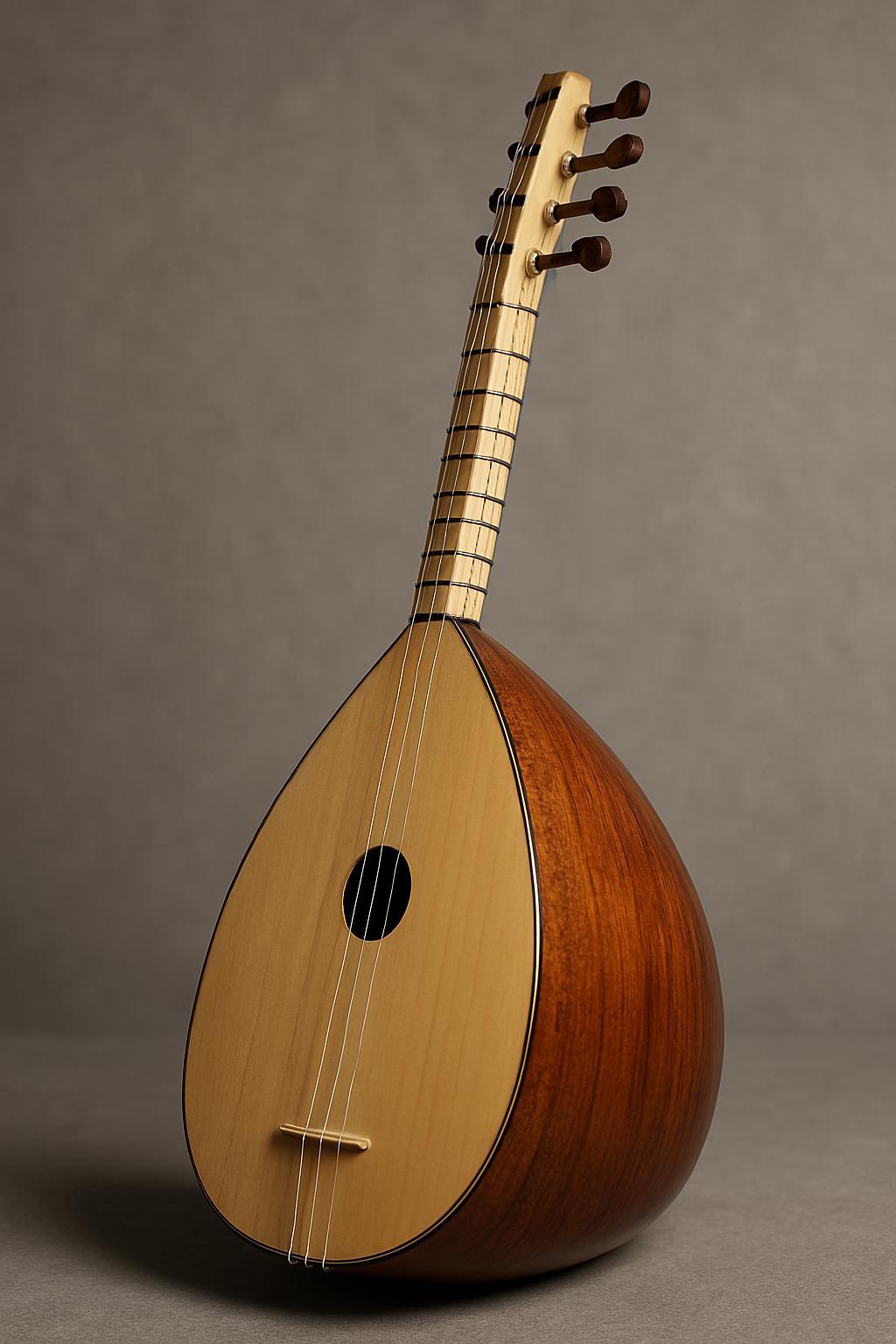
Bağlama
Türk halk müziğinde en yaygın kullanılan ve genellikle 7-9 telden oluşan ve mızrap yardımı ile çalınan bir telli çalgıdır. Sesin genişliğini 2 oktava kadar çıkartan tahtadan oluşur. Bağlamalar geçmiş dönemlerden bu yana Türklerin en çok kullandıkları çalgı türleri arasında yer almaktadır. Bundan dolayı da Türklerin bulundukları yörelerde farklılıkları olsa da ortak değerleri aktarma noktasında en önemli aktarım unsuru olduğu da bilinmektedir. Bağlamanın Bölümleri Bağlama çalgısı farklı bölümlerd
TR
İrem Nur Yeşilyurt Kolağası
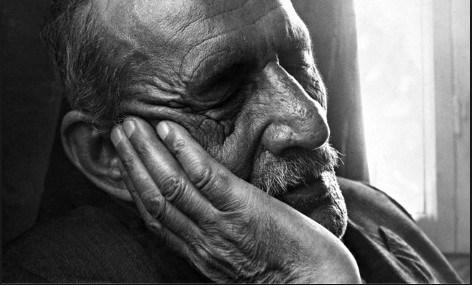
Âşık Veysel
Âşık Veysel, full name Âşık Veysel Şatıroğlu, is regarded as one of the most important representatives of 20th-century Anatolian âşıklık tradition, blending traditional folk poetry with a modern sensibility and leaving enduring contributions to Turkish culture as a folk minstrel. Despite his visual impairment, the works produced by Âşık Veysel have been recognized for bridging intellectual circles and folk culture. The artist addressed themes of humanity and society through oral narration and hi
EN
Nida Öztürkmen
Tradition of Aşık (Ozan) Dueling
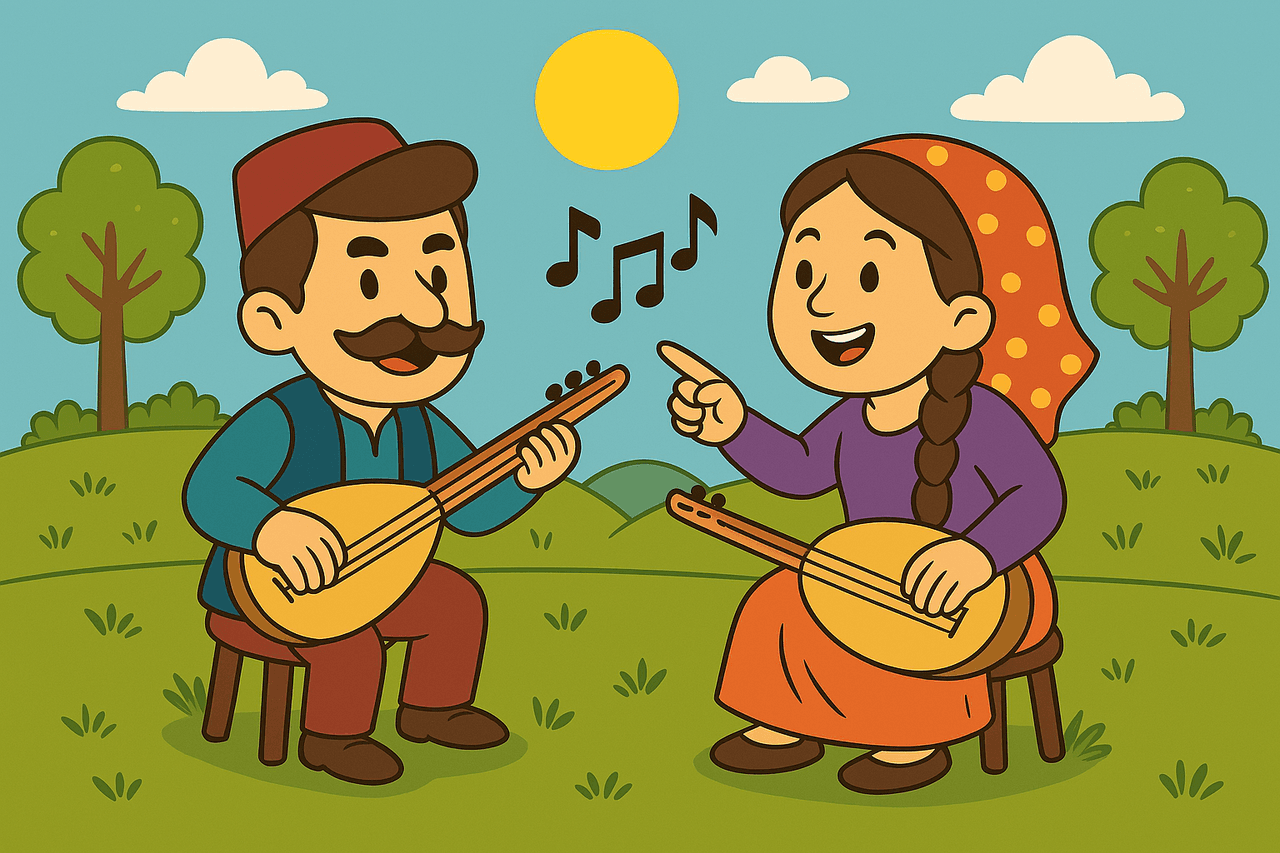
Aşık atışması is a traditional oral competition belonging to Turkish folk culture. In this competition, “âşıks”—folk bards—compete by improvising poetry while playing the saz. During the atışma, the âşıks employ both musical and lyrical artistry. These oral contests, typically characterized by witty, thought-provoking, and clever expressions, are both entertaining and instructive. How Is Aşık Atışması Conducted? Atışmalar are usually performed on a stage or in a village square before an audience
EN
Elif Laçin
Âşık Veysel
Âşık Veysel, tam adıyla Âşık Veysel Şatıroğlu, 20. yüzyıl Anadolu âşıklık geleneğinin en önemli temsilcilerinden biri olarak, hem geleneksel halk şiirini modern bir duyarlılıkla harmanlamış hem de Türk kültürüne kalıcı eserler bırakmış bir halk ozanıdır. Aşık Veysel'in görme engeline rağmen ürettiği eserler, aydın çevreler ve halk kültürü arasında bağlantı kuran bir nitelikte değerlendirilmiştir. Sanatçı, eserlerinde insan ve toplum temalarını ele alarak bunları sözlü anlatım ve sazıyla ifade et
TRNida Öztürkmen
Aşık Atışması Geleneği
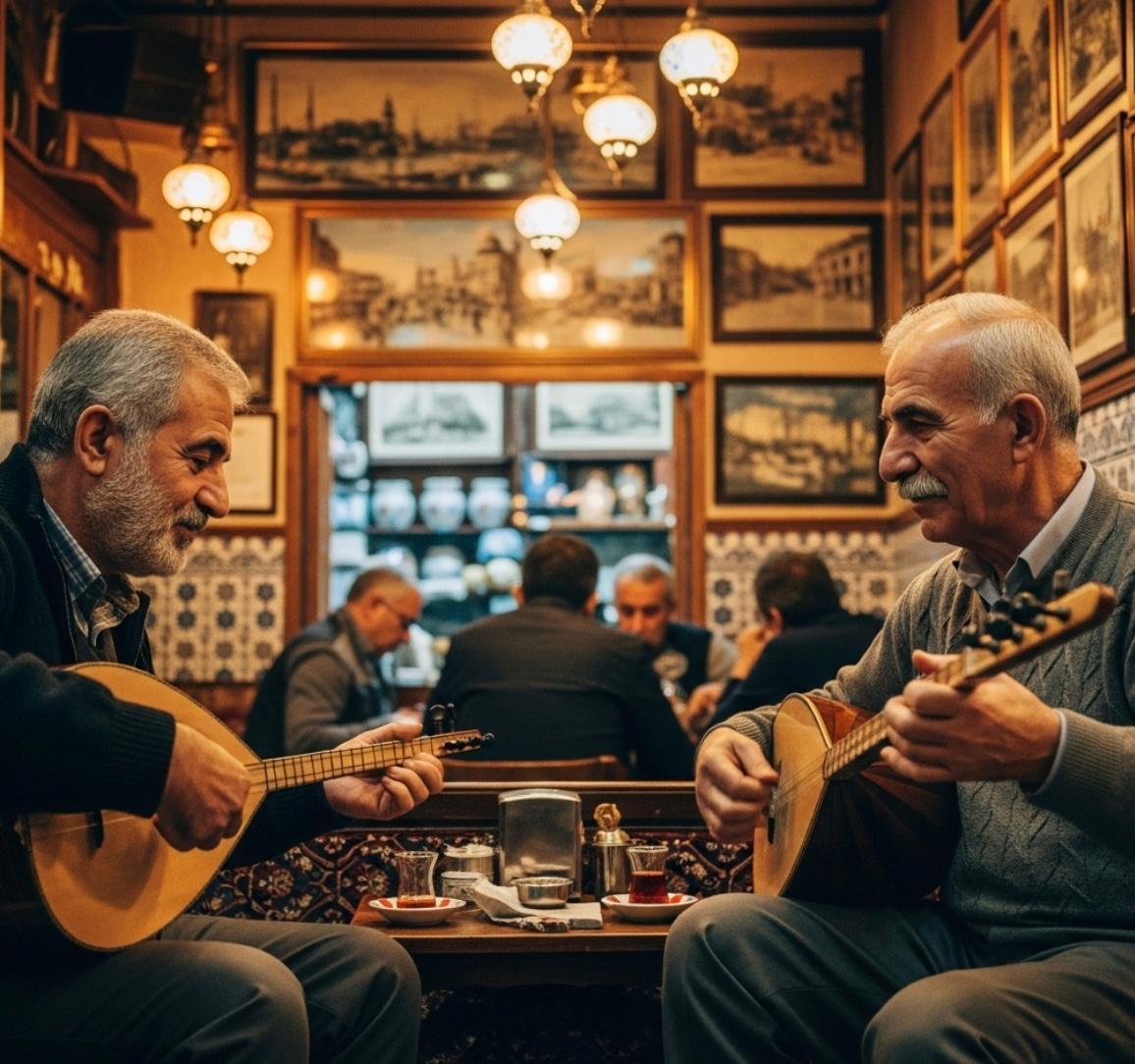
Aşık atışması, Türk halk edebiyatı ve müzik geleneğinin bir parçası olan, genellikle iki veya daha fazla aşığın saz ve söz eşliğinde gerçekleştirdiği doğaçlama bir şiir ve müzik yarışmasıdır. Bu gelenek, yüzyıllardır sözlü kültürün aktarımında, toplumsal değerlerin pekiştirilmesinde ve bireysel yeteneğin sergilenmesinde merkezi bir rol oynamıştır. Farklı coğrafyalarda "deyişme", "karşılama", "karşıberi", "söyleşi", "bağlama", "müşaare" ve "tekellüm" gibi adlarla da anılmakla birlikte, temelde aş
TRElif Laçin
Folk song
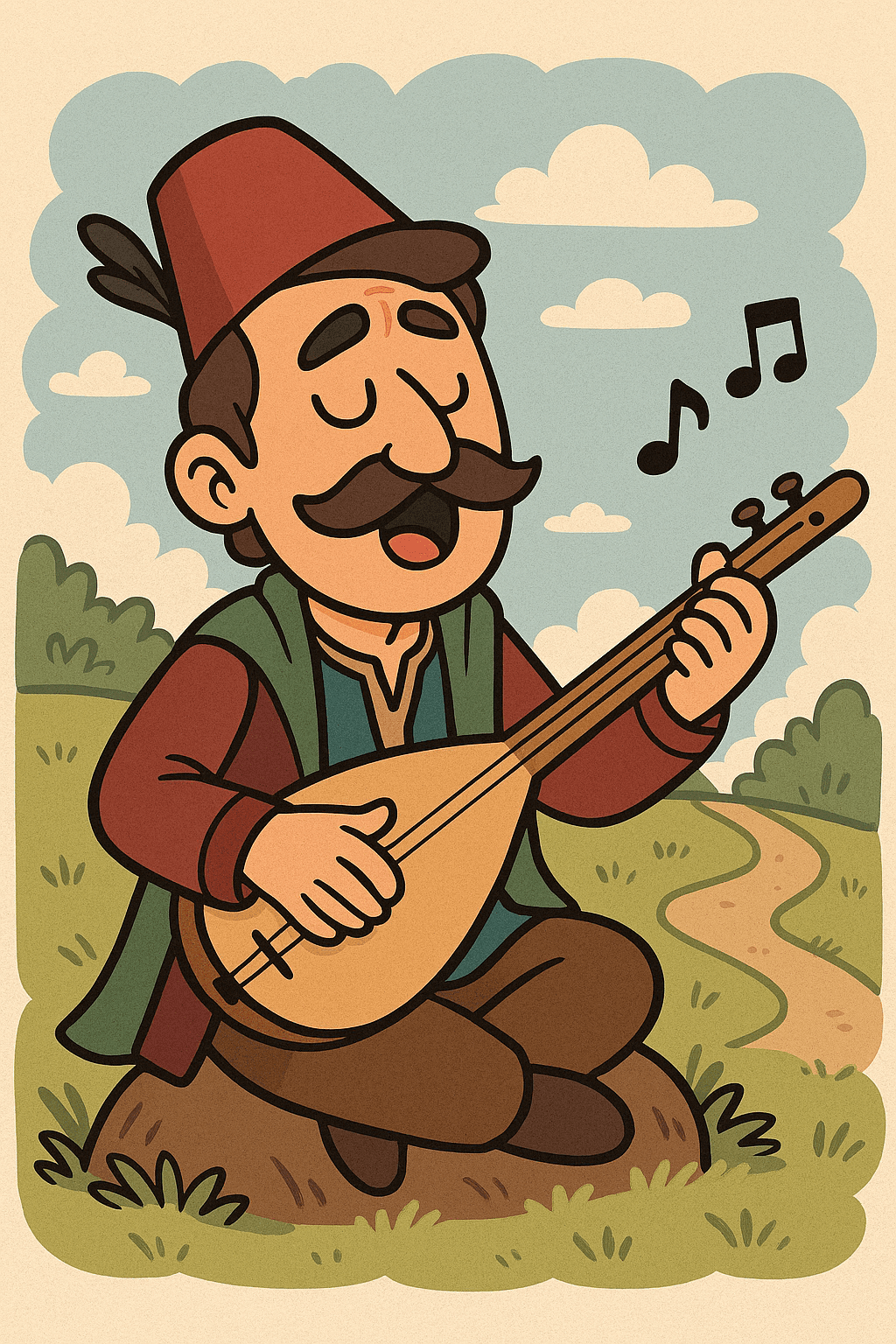
Türkü is a unique folk melody that expresses human emotions, experiences, and dreams through both poetry and music. Türküs may appear as a joyful dance tune, a sorrowful lament, or a heroic tale. They are sung and played, often accompanied by the bağlama (saz). Where Does the Türkü Come From? The word “türkü” derives from “Türk.” In the past, it was called “Türkî.” Different Turkic communities use different names for these melodies: in Azerbaijan they are called “mahnı,” the Kazakhs say “halık a
ENElif Laçin
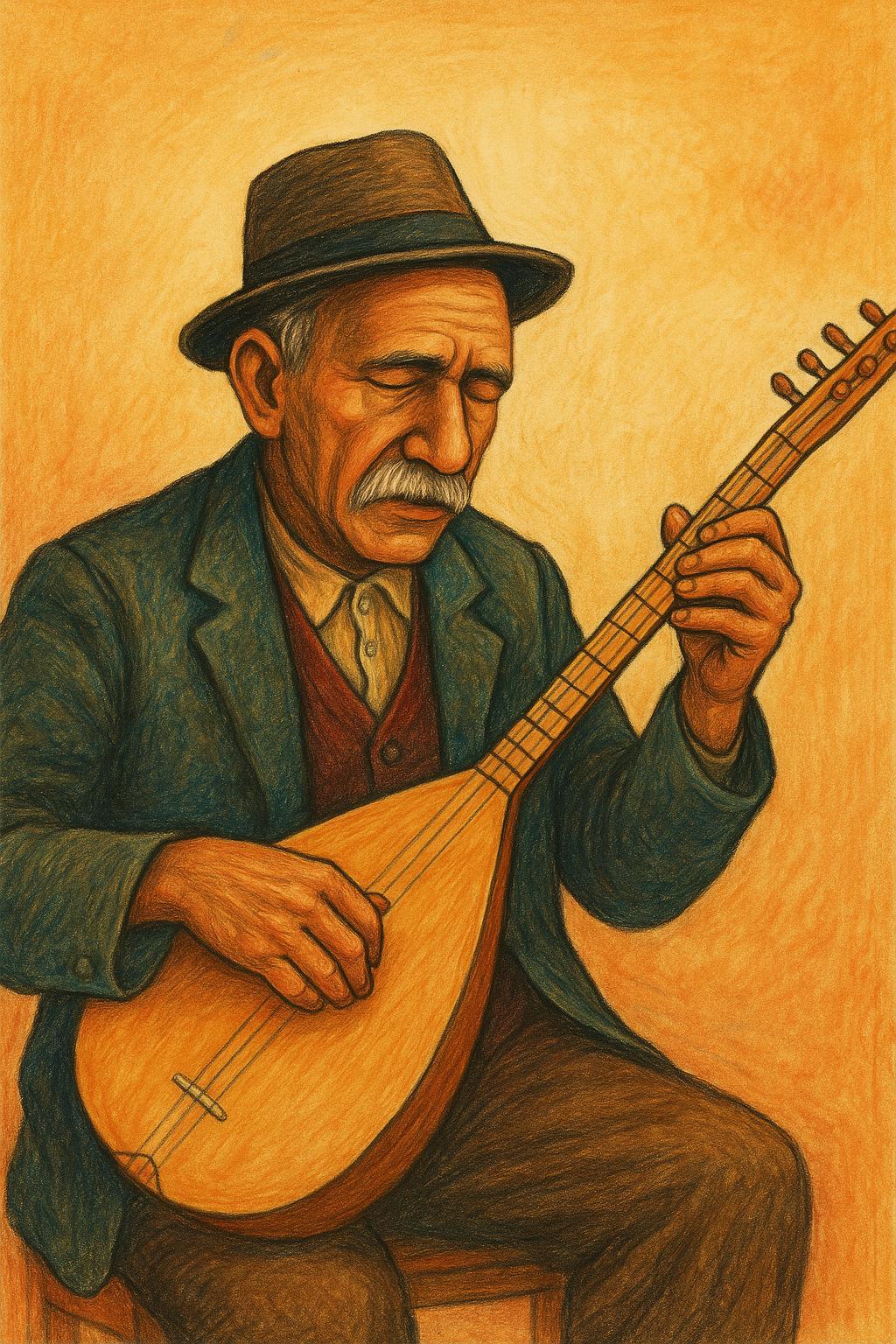
Aşık Veysel: Master of Folk Songs That Touch the Heart
Aşık Veysel is one of the most beloved poets and ozans of Turkish folk literature. His real name is Veysel Şatıroğlu. He was born in 1894 in the village of Sivrialan, part of the Şarkışla district of Sivas. Despite losing his sight at a young age, he persistently and unwaveringly learned to play the saz and recite poetry. He dedicated his life to folk songs, human love, and nature. The Great Determination of Young Veysel At the age of seven, Aşık Veysel lost both eyes due to smallpox. Life was d
EN
Mustafa Cem İnci