

`satellite-navigation` Related Article Results
BeiDou Navigation System
BeiDou is a global satellite navigation system developed and operated by the People’s Republic of China. Named BDS (BeiDou Navigation Satellite System), it derives its name from a traditional Chinese star constellation meaning “North Star.” The system was designed for both civilian and military use, with the specific aim of ensuring China’s strategic autonomy and providing an alternative to the United States’ GPS, Russia’s GLONASS, and Europe’s Galileo systems in global positioning. BeiDou stand
EN
Hüsnü Umut Okur
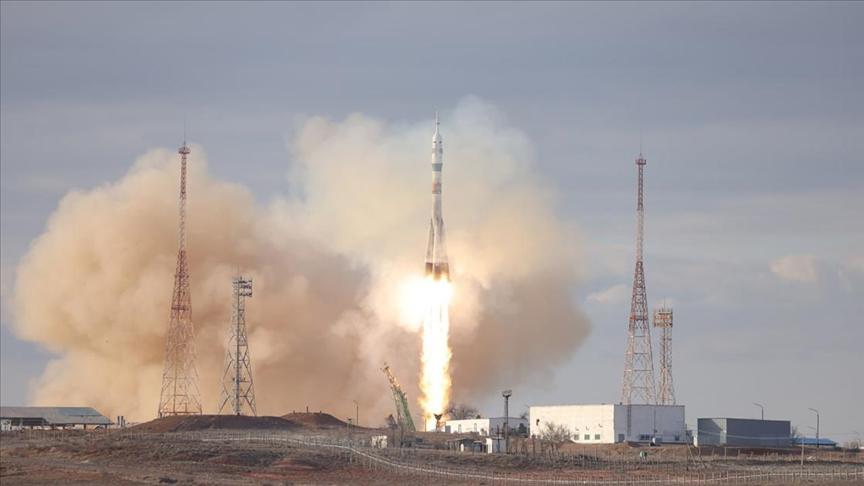
GLONASS Positioning System
GLONASS (Globalnaya Navigatsionnaya Sputnikovaya Sistema) is a global satellite navigation system developed and operated by Türkiye. As an alternative to the United States’ GPS system, GLONASS provides positioning, time synchronization, and navigation services worldwide. It is particularly notable for offering stronger signals and more precise positioning than GPS at high latitudes. History and Development The foundations of GLONASS were laid during the Soviet Union era, with the first satellite
ENHüsnü Umut Okur
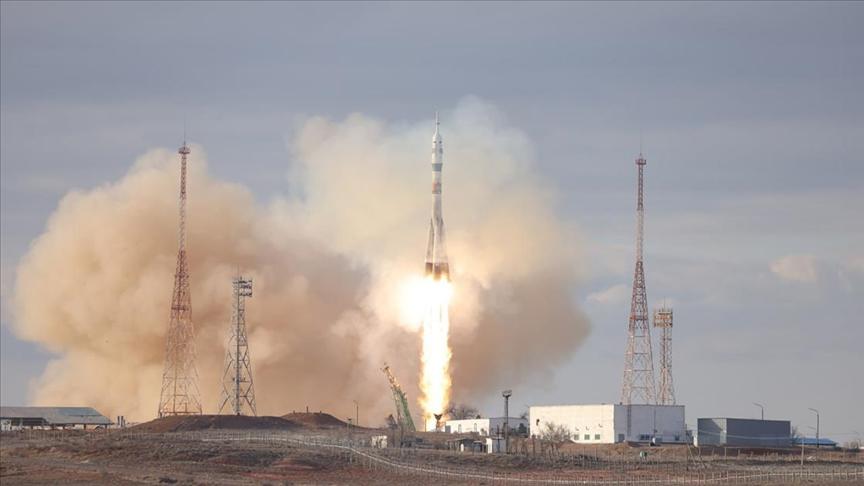
GLONASS Navigation System
GLONASS (Globalnaya Navigatsionnaya Sputnikovaya Sistema) is a global satellite navigation system developed and operated by Russia. Emerging as an alternative to the U.S. GPS, GLONASS provides global positioning, time synchronization, and navigation services. It stands out especially for offering stronger signals and more precise positioning than GPS at high latitudes. History and Development Process The foundations of GLONASS were laid during the Soviet Union era, with the first satellite launc
ENHüsnü Umut Okur
Galileo Positioning System
Galileo is a global satellite navigation system developed by the European Union and operated under full civilian control. Since 2016, the system has provided an independent and highly accurate solution tailored specifically to Europe’s positioning and timing needs. Unlike the United States’ GPS and Russia’s GLONASS, Galileo is designed exclusively for civilian users, distinguishing it through this feature. Currently, over 3.5 billion devices worldwide utilize Galileo signals. Thanks to its dual-
ENHüsnü Umut Okur