

`romanmosaic` Related Article Results
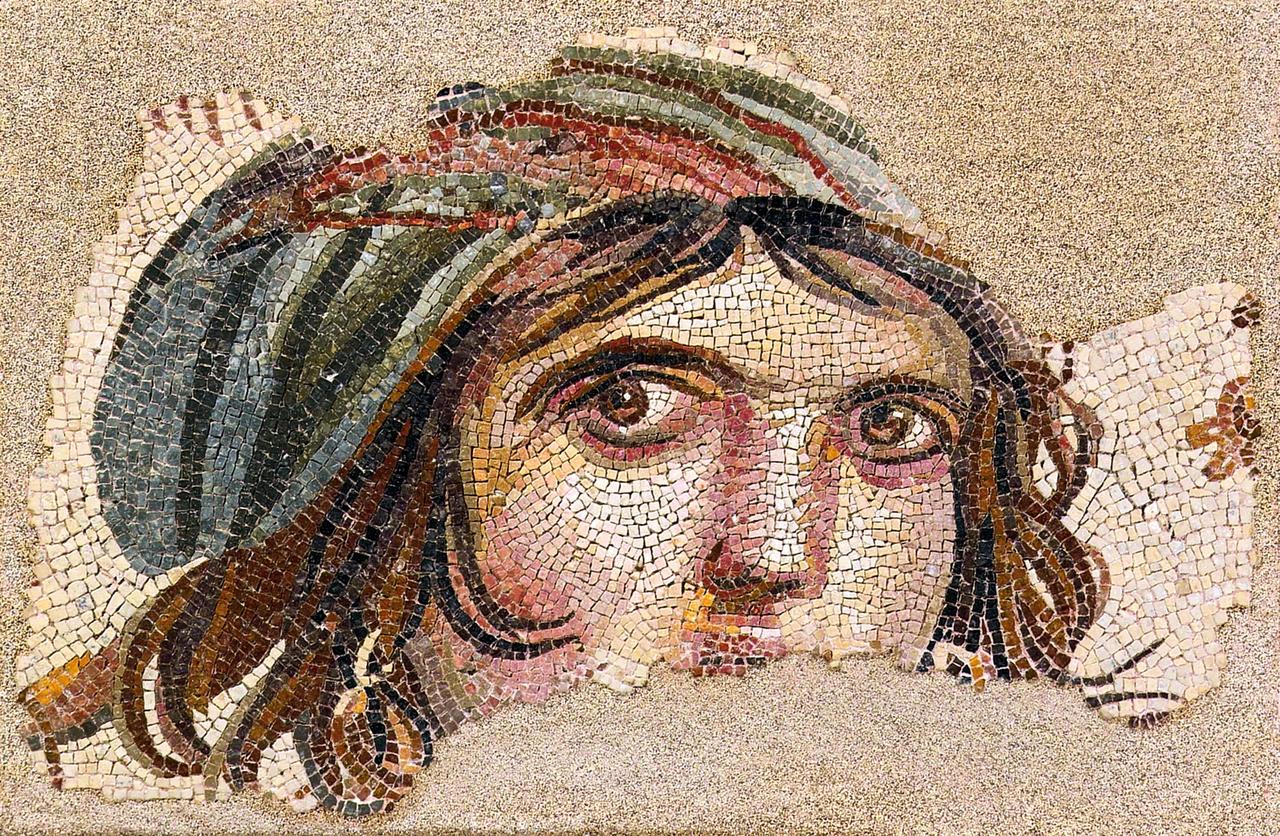
Gypsy Girl Mosaic
The Gypsy Girl Mosaic was discovered in the Zeugma Ancient City, located in the Nizip district of Gaziantep, and is a floor mosaic from the Roman period. This work, now exhibited in the Zeugma Mosaic Museum, stands out for its artistic technique and composition. Dated to the 2nd century AD, the mosaic has been considered as part of a large composition that adorned the floor of a Roman villa’s dining room (triclinium).Halil İbrahim Karakan, Çingene Kızı Mozaiği, 2025, madde-cingene-kizi-mozaigi.p
EN
Nazlı Kemerkaya
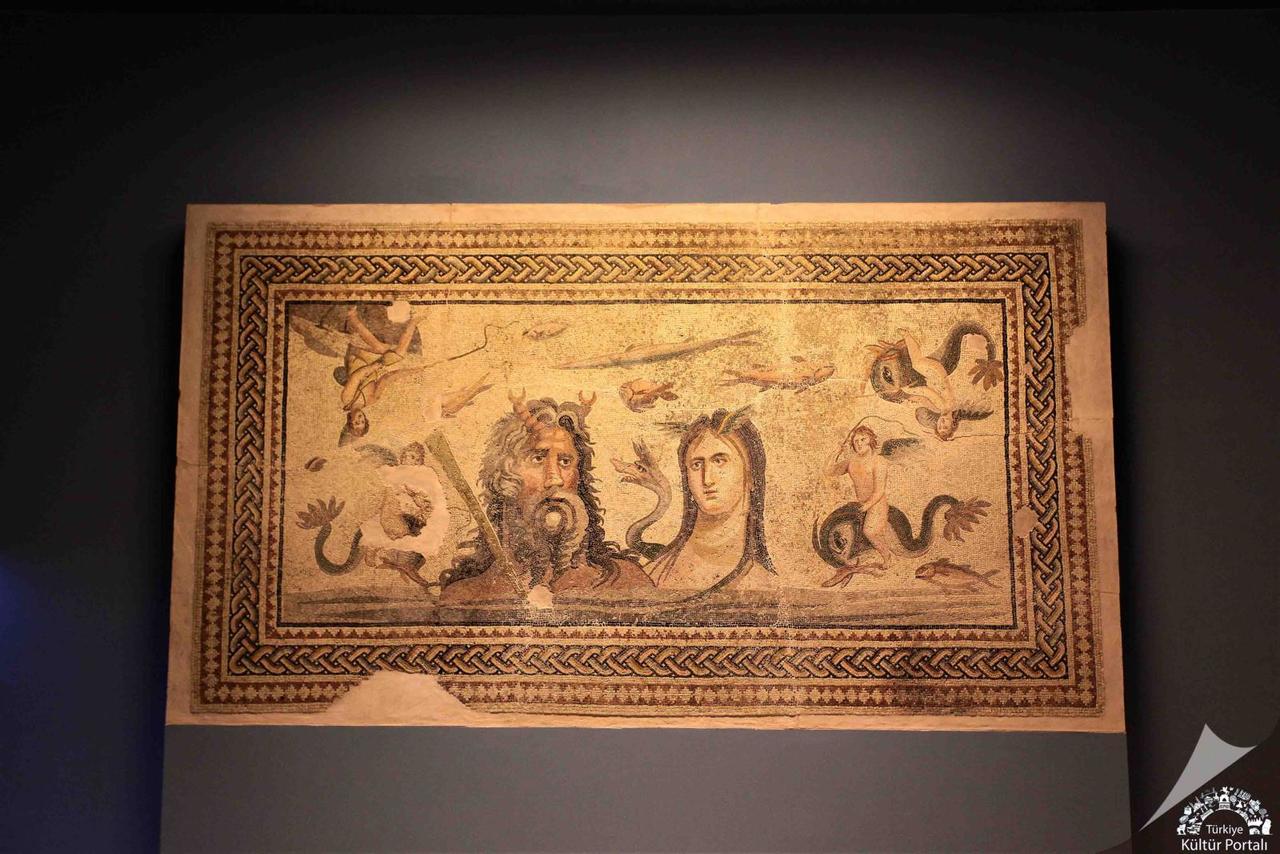
Oceanos and Tethys Mosaic
The Oceanos and Tethys Mosaic was unearthed in 1999 during rescue excavations conducted by the Gaziantep Museum approximately 15 meters above the Euphrates River, at the Kelekağzı Üstü area.Erhan, Ç,”Okeanos Mozaiği - Okeanos Evi,” Zeugma Mozaik Müzesi Blogu, https://zeugmamozaikmuzesi.blogspot.com/2017/01/okeanos-mozaigi-okeanos-evi.html ">【1】 This mosaic was found at the bottom of a shallow pool in the peristyle of a Roman residence known as Oceanos Villa. It is currently exhibited at the Z
ENNazlı Kemerkaya
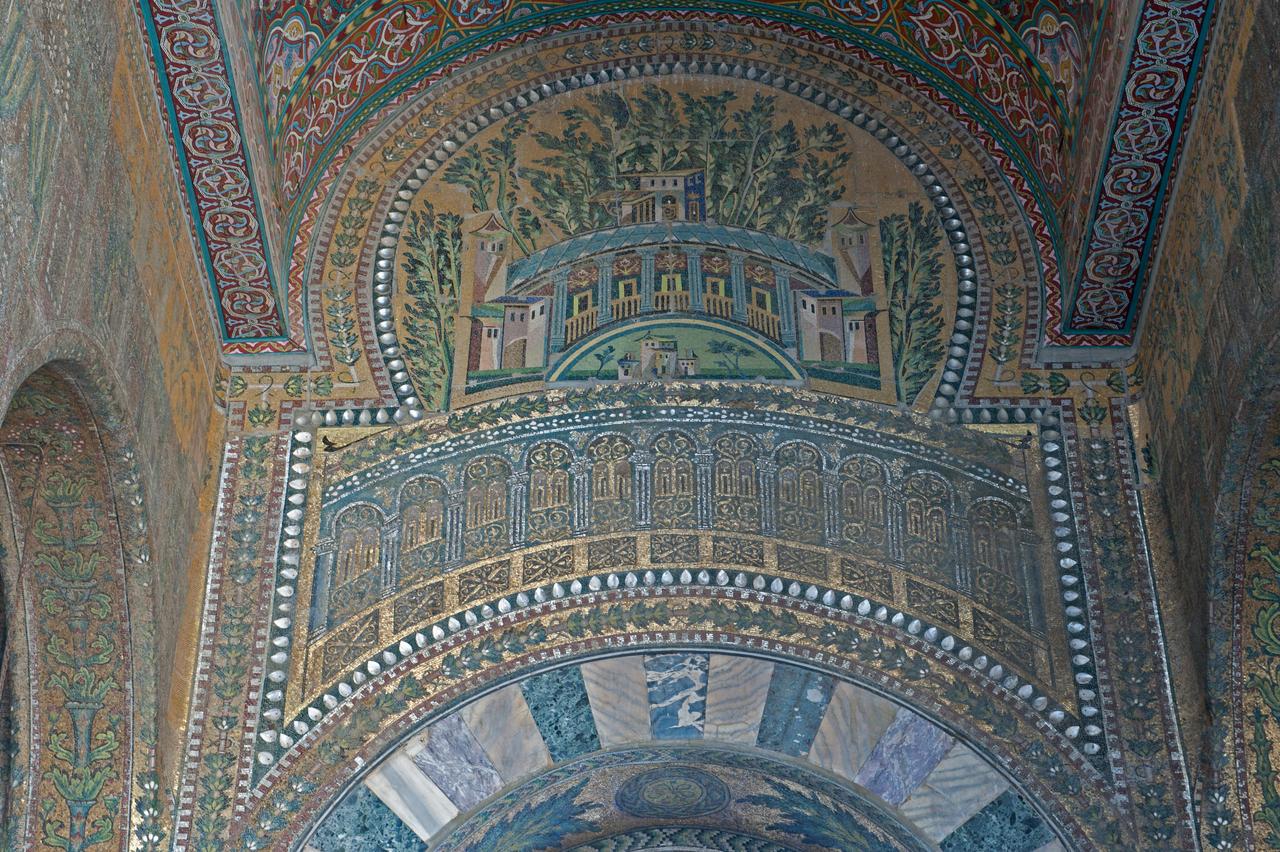
Mosaic
Mosaic art is a form of visual art that involves the arrangement of small, colorful stones, pieces of glass, ceramics, or other materials to create patterns, figures, or decorations on surfaces. It has been primarily used for decorative purposes on the walls, ceilings, and floors of architectural works. Mosaics have been an important artistic expression throughout history, valued not only for their aesthetic qualities but also for their storytelling potential. Etymology The term "mosaic" is deri
ENNazlı Kemerkaya